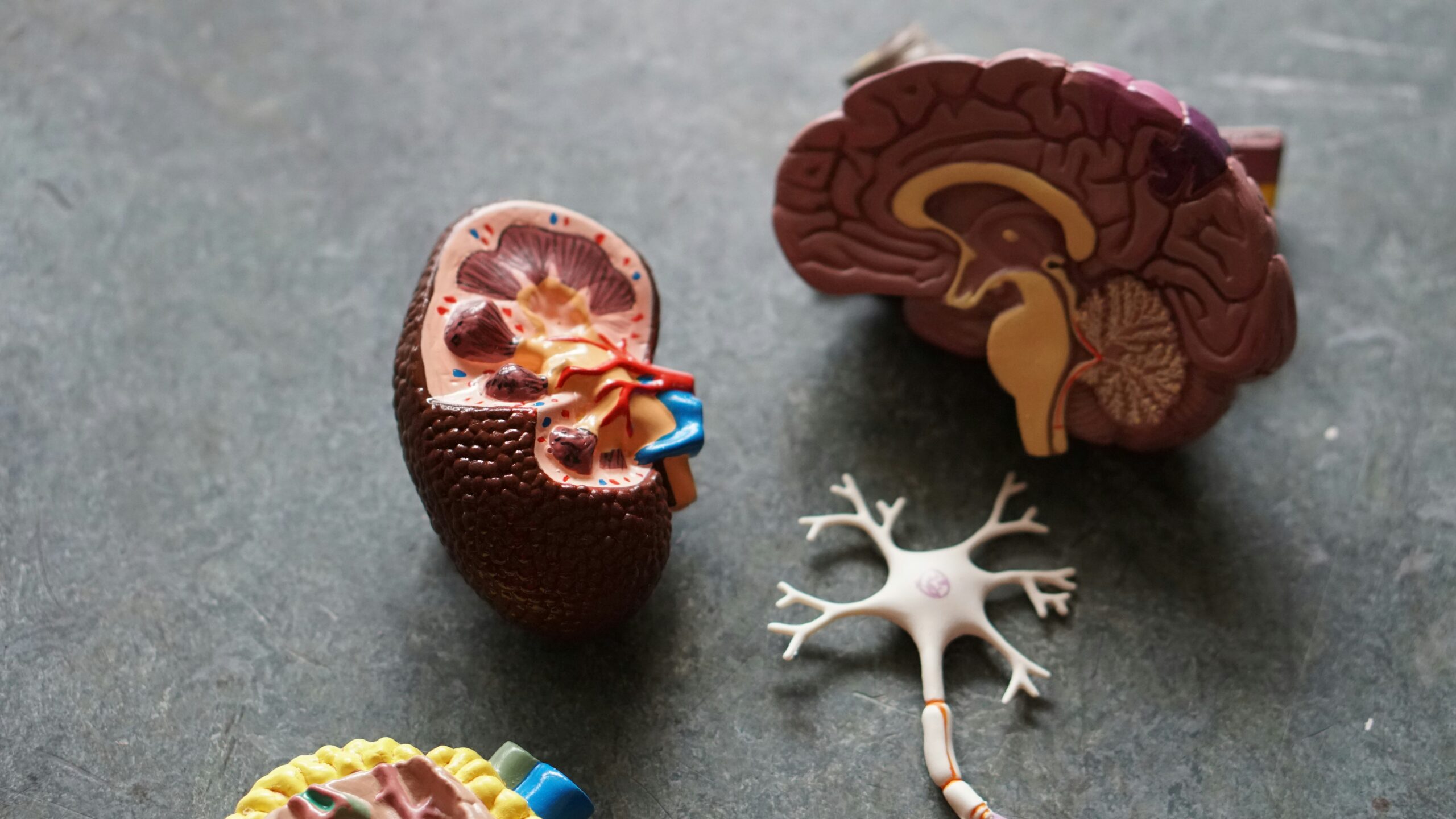
You stand, a marvel of biological engineering, a universe contained within your very skin. You are a symphony of systems, a complex dance of cells and molecules, and within you lie enigmatic secrets that science continues to unravel. Prepare to embark on a journey of self-discovery, to peel back the layers of your own intricate existence and explore the profound mysteries that make you, you.
You might see yourself as a singular entity, a unified whole. But beneath the surface, an unseen architect has meticulously crafted your form, guided your growth, and continues to manage your every function. This architect, the realm of genetics, holds the blueprints for your very being, yet its language is still being deciphered.
The Double Helix’s Whisper: DNA and Its Code
Imagine a microscopic library, meticulously organized and endlessly complex. This is your DNA, the molecule that carries the instructions for building and operating your entire organism. You inherit half of this library from your mother and half from your father, a unique amalgamation that shapes your physical traits, predispositions, and even some aspects of your personality. This double helix, a beautiful twisted ladder, is the fundamental code of life. Each rung is made of four chemical bases – adenine (A), thymine (T), guanine (G), and cytosine (C) – arranged in a specific sequence. It’s the order of these bases, billions of them in your cells, that spells out the instructions for everything from the color of your eyes to how your immune system responds to a threat.
Genes: The Chapters of Your Story
Within this vast library, specific segments of DNA are called genes. Think of them as individual chapters, each containing the instructions for a particular protein. These proteins are the workhorses of your body, performing a staggering array of tasks. They form your muscles, build your bones, carry oxygen in your blood, and facilitate countless chemical reactions. You have tens of thousands of genes, each contributing to the intricate tapestry of your existence. Some genes are switched on (expressed) in specific cells at specific times, while others remain dormant. This selective expression is a fundamental aspect of development and function, allowing different cells to specialize and carry out their unique roles.
Epigenetics: The Annotations on Your Blueprint
But the story doesn’t end with the sequence of your DNA. You possess another layer of control, a dynamic system known as epigenetics. Imagine these as sticky notes, highlights, or annotations on your DNA library. These epigenetic modifications don’t change the underlying genetic code itself, but they can influence how genes are read and expressed. Factors like your diet, your environment, and even your stress levels can leave these epigenetic marks. This is a profound concept: the experiences you have throughout your life can actually alter how your genes function, potentially even being passed down to future generations. It means your lifestyle choices aren’t just impacting your present health, but could be whispering to your descendants.
The Symphony of Cells: A Universe Within
Your body is not a solid mass; it is an intricate metropolis teeming with trillions of individual citizens – your cells. Each cell is a miniature factory, a complex ecosystem with specialized organelles working in harmony to sustain your life.
The Powerhouses of Life: Mitochondria
Within nearly every cell of your body lies a crucial organelle: the mitochondrion. These are your cellular powerhouses, responsible for generating the vast majority of the energy your body needs to function. Through a process called cellular respiration, they convert the food you eat and the oxygen you breathe into adenosine triphosphate (ATP), the universal energy currency of your cells. Without these tireless energy producers, your muscles wouldn’t contract, your brain wouldn’t think, and your heart wouldn’t beat.
The Communication Network: Neurons and Neurotransmitters
Perhaps one of the most astonishing feats of your body is its ability to communicate. This intricate network of communication is primarily orchestrated by your nervous system, a vast and complex web of neurons. These specialized cells transmit electrical and chemical signals with astonishing speed and precision, allowing you to think, feel, move, and perceive the world around you.
The Electrochemical Dance: How Neurons Fire
When a neuron receives a stimulus, it triggers an electrical impulse that travels down its axon. At the junction between two neurons, called a synapse, this electrical signal is converted into a chemical one. Tiny molecules called neurotransmitters are released, carrying the message across the synaptic gap to the next neuron. This electrochemical dance, repeated billions of times per second, is the basis of all your thoughts, emotions, and actions.
The Chemical Messengers: Unveiling Neurotransmitter Mysteries
The world of neurotransmitters is incredibly diverse and fascinating. Dopamine, often associated with pleasure and reward, plays a role in motivation and learning. Serotonin influences mood, sleep, and appetite. Norepinephrine is involved in your body’s “fight or flight” response. The delicate balance of these chemical messengers is crucial for your mental and emotional well-being. Imbalances in neurotransmitter levels are implicated in a wide range of neurological and psychological conditions, highlighting the profound impact of these subtle chemical signals.
The human body is a complex and fascinating entity, filled with scientific mysteries that continue to intrigue researchers and enthusiasts alike. For those interested in exploring some of these enigmas, a related article can be found at Freaky Science, where you can delve into various topics that highlight the wonders and oddities of human biology. From the intricacies of the brain to the peculiarities of our immune system, this resource offers insights that spark curiosity and encourage further exploration into the mysteries that make us who we are.
The Body’s Hidden Detectives: Your Immune System
You are constantly under siege from microscopic invaders – bacteria, viruses, and other pathogens. Yet, you rarely fall ill. This remarkable defense is thanks to your immune system, a complex and highly sophisticated army dedicated to protecting you.
The Sentinels of Your Defense: White Blood Cells
The primary soldiers of your immune system are your white blood cells, also known as leukocytes. These are a diverse group, each with specialized roles in identifying, neutralizing, and eliminating threats.
The Phagocytes: The Cellular Clean-Up Crew
Imagine tiny Pac-Man gobbling up enemies. That’s the role of phagocytes, a type of white blood cell. They engulf and digest foreign particles, cellular debris, and pathogens, effectively cleaning up your internal environment. Neutrophils and macrophages are prominent examples of these voracious cells.
The Architects of Memory: Lymphocytes
Lymphocytes are the strategists and memory keepers of your immune system. B cells produce antibodies, specialized proteins that bind to specific invaders, marking them for destruction. T cells, on the other hand, come in various forms. Cytotoxic T cells directly kill infected cells, while helper T cells coordinate the immune response, signaling to other immune cells. Crucially, some lymphocytes become memory cells, remembering previous encounters with pathogens. This allows your immune system to mount a faster and more effective response if you encounter the same threat again – the principle behind vaccination.
The Chemical Warfare: Antibodies and Cytokines
Beyond the cellular soldiers, your immune system wages chemical warfare against invaders. Antibodies, produced by B cells, are highly specific. Think of them as molecular keys that fit only particular locks on the surface of pathogens. Once bound, they can neutralize the threat directly or flag it for destruction by other immune cells. Cytokines are another class of signaling molecules, acting as messengers that orchestrate the immune response, telling cells where to go, what to do, and how to do it.
The Uncharted Territories: The Gut Microbiome

You are not alone within your own body. You are a walking, talking ecosystem, home to trillions of microorganisms – bacteria, fungi, and viruses – collectively known as your gut microbiome. Once considered mere passengers, these microscopic inhabitants are now recognized as vital partners in your health.
A World Within: The Diversity of Gut Microbes
The sheer diversity of your gut microbiome is staggering. Hundreds, even thousands, of different species reside within your digestive tract, each playing a unique role. This microbial community is as unique to you as your fingerprint. Your diet, your lifestyle, and even the environment in which you were born all influence the composition of your microbiome.
The Symbiotic Relationship: Microbes as Allies
These microbial tenants aren’t just taking up space; they’re actively contributing to your well-being. They aid in the digestion of food that your own enzymes can’t break down, producing essential vitamins like K and B vitamins. They help train your immune system, teaching it to distinguish between friendly and harmful microbes. They even produce neurotransmitters that can influence your mood and behavior, forming a complex gut-brain axis.
The Shadow Side: Dysbiosis and Its Consequences
However, this delicate balance can be disrupted. When the composition of your gut microbiome becomes unbalanced, a state known as dysbiosis, it can have far-reaching consequences. This imbalance has been linked to a wide range of health issues, including digestive disorders like Irritable Bowel Syndrome (IBS), inflammatory bowel disease (IBD), allergies, obesity, and even mental health conditions like depression and anxiety. Understanding and nurturing your gut microbiome is becoming increasingly recognized as a cornerstone of overall health.
The Body’s Silent Language: Interoception and Intuition

You often rely on external information to navigate the world. But your body speaks a silent language, an internal dialogue that whispers guidance and warns you of imbalances. This is the realm of interoception, the sense of the internal state of your body, and the intuitive whispers it generates.
The Inner Compass: Sensing Your Internal Landscape
Interoception is your awareness of your bodily sensations – your hunger, your thirst, your heart rate, your fatigue, even the subtle cues of an impending illness. It’s your body’s internal GPS, constantly providing you with information about your physiological state.
The Subtle Signals: Hunger, Thirst, and Fatigue
When you feel hunger pangs, your body is signaling a need for fuel. A dry mouth and increased thirst indicate a need for hydration. The overwhelming urge to sleep is your body’s plea for rest and recovery. These are fundamental interoceptive signals that, when heeded, are crucial for maintaining homeostasis, your body’s stable internal environment.
The Unseen Warnings: Pain and Discomfort
Pain, while often unpleasant, is a vital interoceptive signal. It alerts you to injury or potential harm, prompting you to withdraw from the source of danger or seek help. Discomfort, whether a mild ache or a more generalized unease, can also be a subtle warning that something is amiss, urging you to investigate and address the underlying cause.
The Gut Feeling: The Connection to Intuition
The phrase “trust your gut” isn’t just a metaphor. Emerging research suggests a profound connection between your gut microbiome and your intuition. The vagus nerve, a major communication highway between your brain and your digestive system, plays a crucial role in this gut-brain axis. The trillions of microbes in your gut can influence the signals sent along this nerve, potentially impacting your mood, your decision-making, and your intuitive judgments. When you have a strong “gut feeling,” it might be your body’s complex internal systems, including your microbiome, communicating vital information that your conscious mind hasn’t yet fully processed.
The human body is a fascinating subject filled with scientific mysteries that continue to intrigue researchers and laypeople alike. From the complexities of the brain to the intricacies of the immune system, there is always something new to discover. For those interested in exploring these enigmas further, an insightful article can be found at Freaky Science, where various aspects of human biology are examined in depth, shedding light on the unknowns that make us who we are.
The Ever-Evolving You: Plasticity and Adaptation
| Scientific Mystery | Description |
|---|---|
| Consciousness | The nature of consciousness and how it arises from the brain is still not fully understood by scientists. |
| Immune System Memory | How the immune system remembers past infections and how this memory can be utilized for vaccines is a mystery. |
| Aging | The biological processes that lead to aging and the mechanisms behind it are still not completely understood. |
| DNA Function | While the structure of DNA is well-known, the full extent of its functions and interactions within the body is still a mystery. |
| Consciousness | The nature of consciousness and how it arises from the brain is still not fully understood by scientists. |
You are not a static being, set in stone from birth. Your body possesses an incredible capacity for change and adaptation, a phenomenon known as plasticity. This remarkable ability allows you to learn, to heal, and to thrive in an ever-changing world.
The Malleable Brain: Neuroplasticity’s Power
Perhaps the most celebrated example of plasticity lies within your brain. Neuroplasticity refers to your brain’s ability to reorganize itself by forming new neural connections throughout life. This is the basis of learning and memory. Every time you learn a new skill, acquire a new piece of knowledge, or overcome a challenge, your brain is physically changing, rewiring itself to accommodate this new information.
Learning and Memory: Rewiring for Growth
When you practice a new language, play a musical instrument, or master a complex problem, you are actively engaging your neuroplasticity. The neural pathways involved in these activities become stronger and more efficient. Similarly, when you experience trauma or injury, your brain can, to some extent, rewire itself to compensate for lost function.
The Impact of Experience: Shaping Your Neural Landscape
Your experiences, both positive and negative, profoundly shape your neural landscape. A childhood filled with stimulating learning opportunities can foster a more robust and adaptable brain. Conversely, chronic stress or adversity can lead to negative changes in brain structure and function. Understanding neuroplasticity highlights the power of your environment and your choices in shaping your cognitive abilities and your overall well-being.
The Body’s Resilience: Repair and Regeneration
Beyond your brain, your body itself exhibits remarkable resilience and a capacity for repair. Your skin constantly renews itself, your bones can mend after fractures, and your liver can regenerate after significant damage. This intrinsic ability to repair and regenerate is a testament to the enduring power of life.
The Healing Power of Cells: Tissue Regeneration
When you sustain an injury, your body mobilizes its resources to repair the damage. Cells divide, new tissue is formed, and wounds are closed. While the extent of regeneration varies between tissues, the inherent capacity for repair is a fundamental aspect of your biology.
The Role of Lifestyle: Enhancing Your Body’s Natural Abilities
Your lifestyle choices play a significant role in supporting your body’s natural abilities to adapt, repair, and regenerate. A healthy diet provides the building blocks for cell repair and regeneration. Regular exercise strengthens your cardiovascular system and promotes overall cellular health. Adequate sleep allows your body to perform essential maintenance and repair processes. By understanding and honoring these innate capacities, you can actively contribute to your own long-term health and vitality.
You are an ongoing exploration, a living testament to the incredible ingenuity of nature. The enigmatic secrets of your human body are not just scientific curiosities; they are profound invitations to understand, appreciate, and nurture the extraordinary universe that resides within you. Continue to explore, to question, and to listen to the silent whispers of your own magnificent being.

You’re Emitting Light Right Now—So Why Can’t You See It?
FAQs
What are some scientific mysteries of the human body?
Some scientific mysteries of the human body include the mechanisms behind consciousness, the origins of genetic diseases, the complexities of the immune system, the process of aging, and the intricacies of the brain.
How does consciousness work in the human body?
Consciousness is still not fully understood by scientists, and the mechanisms behind it remain a mystery. The exact processes that give rise to consciousness and self-awareness are still being studied and debated.
What are some genetic diseases that are still not fully understood?
There are many genetic diseases, such as Alzheimer’s, Parkinson’s, and certain types of cancer, that are not fully understood in terms of their origins and progression. Scientists continue to research these diseases in order to develop better treatments and potential cures.
What are some complexities of the human immune system that are not fully understood?
The human immune system is incredibly complex, and there are still many aspects of it that are not fully understood. For example, the exact mechanisms behind autoimmune diseases and the development of immunity to certain diseases are still being studied.
What are some mysteries surrounding the process of aging in the human body?
The process of aging is still not fully understood by scientists. While there are many theories about why and how we age, the exact mechanisms and processes involved in aging are still a subject of ongoing research and debate.