The Deep Sea: Where Ocean Life Gets Strangely Unique
The ocean’s surface, bathed in sunlight and teeming with familiar forms of life, represents only a sliver of the aquatic world. Beneath this vibrant veneer lies a realm of crushing pressure, perpetual darkness, and frigid temperatures: the deep sea. This vast, largely unexplored frontier is a testament to life’s extraordinary adaptability, a place where evolution has sculpted organisms into forms so bizarre and wonderful that they often defy human imagination. Here, in the abyss, life doesn’t just survive; it thrives, forging unique strategies and developing astonishing adaptations to conquer one of Earth’s most extreme environments.
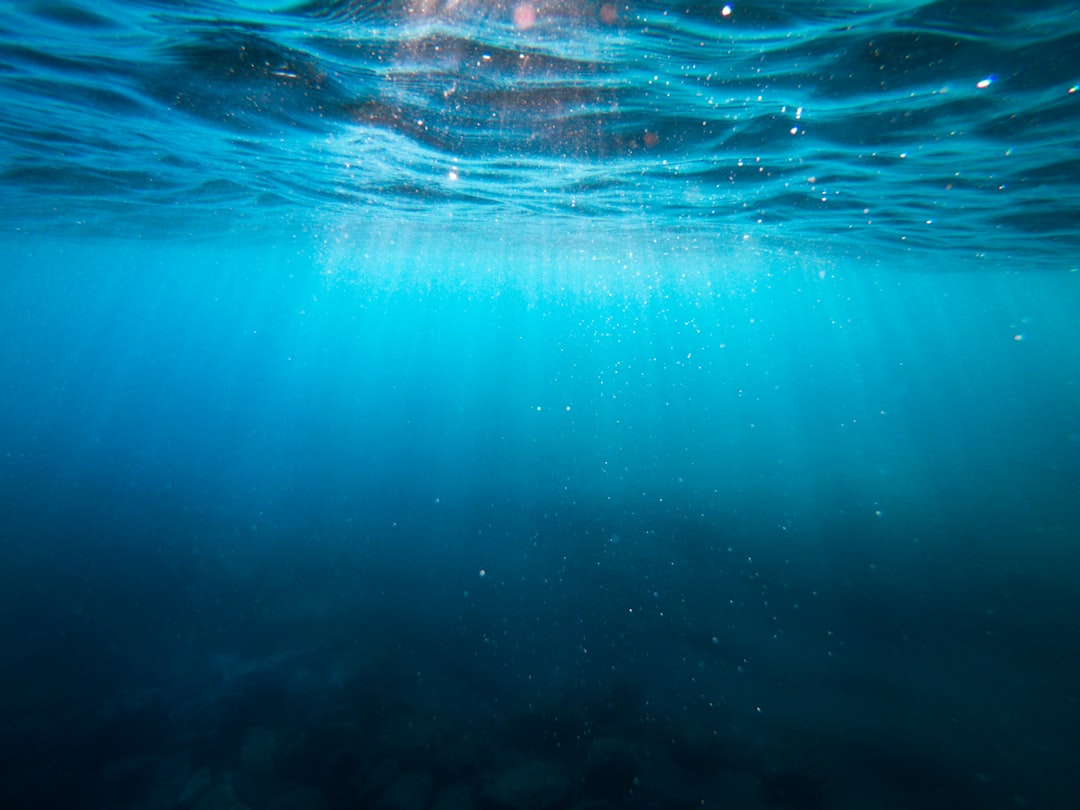
The journey into the deep sea is a descent not only in depth but also into a profoundly alien landscape. As one plunges deeper, the familiar world of light and color fades, replaced by an ever-increasing darkness. This absence of sunlight fundamentally shapes the life that inhabits these depths, dictating everything from feeding strategies to the very appearance of its inhabitants.
The Pelagic Zones: Layers of the Abyss
The deep sea is not a monolithic entity but rather a series of distinct zones, each with its own characteristics and inhabitants.
The Twilight Zone (Mesopelagic Zone): Fading Light and Faint Life
The mesopelagic zone, extending from roughly 200 to 1,000 meters (650 to 3,300 feet), is often referred to as the twilight zone because sunlight, though present, is too weak to support photosynthesis. Organisms here must navigate a world of dim, filtered light. Many creatures in this zone exhibit countershading, a form of camouflage where their undersides are lighter than their tops, helping them blend with the faint light filtering down from above, making them less visible to predators hunting from below. Bioluminescence also becomes increasingly important, used for communication, attracting prey, or startling predators.
The Midnight Zone (Bathypelagic Zone): Eternal Night and Extreme Adaptations
Below the twilight zone, from 1,000 to 4,000 meters (3,300 to 13,000 feet), lies the bathypelagic zone, the midnight zone. Here, sunlight is entirely absent. The world is one of absolute darkness, and the pressure is immense. Life in this zone has evolved remarkable adaptations to cope with these harsh conditions. Food is scarce, and organisms often rely on detritus – organic material that drifts down from shallower waters – as their primary food source.
The Abyssopelagic Zone: The Vast, Cold Expanse
The abyssopelagic zone, stretching from 4,000 to 6,000 meters (13,000 to 20,000 feet), is a realm of crushing pressure and near-freezing temperatures. This vast, largely featureless expanse is home to some of the most uniquely adapted creatures on Earth, often characterized by their gelatinous bodies and slow metabolisms.
The Hadalpelagic Zone: The Ultimate Frontier
The deepest part of the ocean is the hadalpelagic zone, found within the ocean’s trenches, which can plunge over 10,000 meters (33,000 feet). The pressures here are extreme, equivalent to having fifty jumbo jets stacked on top of you. Despite these seemingly insurmountable challenges, life has found a way to persist, with specialized organisms thriving in these isolated and extreme environments.
As we explore the mysteries of the ocean, one fascinating aspect is how life becomes increasingly bizarre with depth. The unique conditions found in the deep sea, such as extreme pressure, darkness, and cold temperatures, contribute to the evolution of strange and often otherworldly creatures. For a deeper understanding of this phenomenon, you can read more in the article found here: Why Ocean Life Gets Stranger with Depth. This article delves into the adaptations that allow these extraordinary organisms to thrive in such harsh environments.
Bioluminescence: The Living Light of the Abyss
One of the most striking adaptations found in the deep sea is bioluminescence – the ability of living organisms to produce light. In the perpetual darkness of the abyss, light becomes a vital tool for survival, communication, and predation.
The Functions of Deep-Sea Glow
Bioluminescence serves a multitude of purposes in the deep sea, each contributing to the survival and success of the organisms that possess it.
Attraction and Predation: Luring a Meal in the Dark
Many deep-sea predators use bioluminescence as a lure to attract unsuspecting prey. The anglerfish, perhaps the most iconic example, has a fleshy appendage that dangles in front of its mouth, tipped with a bioluminescent lure. This glowing bait mimics small organisms, drawing smaller fish and crustaceans within striking distance of the anglerfish’s formidable jaws. Other species may use flashes or patterns of light to mesmerize or disorient their prey before attacking.
Defense and Evasion: A Brilliant Escape
Bioluminescence is also a powerful defensive mechanism. When threatened, some deep-sea creatures can release a cloud of bioluminescent fluid, creating a dazzling distraction that allows them to escape from predators. This sudden burst of light can disorient an attacker, giving the prey a crucial window of opportunity to disappear into the darkness. Other animals may have specialized organs that flash brightly when touched, startling a potential predator and deterring an attack.
Communication and Reproduction: Finding a Mate in the Gloom
In the vastness of the deep sea, finding a mate can be a significant challenge. Bioluminescence plays a crucial role in this aspect of reproduction. Many species have specific patterns, colors, and flashing sequences that are unique to their species, allowing them to identify and attract potential partners in the dark. This visual language of light is essential for the continuation of these species.
The Chemistry of Light: A Biological Marvel
The production of bioluminescence is a complex biochemical process. Typically, it involves a light-emitting molecule called luciferin and an enzyme called luciferase. The reaction between luciferin and oxygen, catalyzed by luciferase, produces light. The color of the light emitted can vary depending on the specific chemical compounds involved, ranging from blue and green to yellow and even red in some rare cases.
Extreme Pressure: Life Under Compression
The immense pressure of the deep sea is one of the most formidable environmental challenges for life. For every 10 meters descended, the pressure increases by one atmosphere. At the bottom of the deepest trenches, the pressure can be over 1,000 times that at the surface. Organisms living in these depths have evolved remarkable adaptations to withstand this crushing force.
Cellular Adaptations: Resisting the Squeeze
The cellular structures of deep-sea organisms are fundamentally different from those of surface-dwelling creatures.
Piezolytes: The Pressure-Resistant Molecules
One of the key adaptations is the presence of piezolytes, small organic molecules that accumulate in the cells of deep-sea organisms. These compounds help to stabilize proteins and cell membranes, preventing them from being deformed or inactivated by the high pressure. Examples of piezolytes include trimethylamine N-oxide (TMAO) and glycine betaine.
Flexible Cell Membranes: Maintaining Fluidity
Cell membranes are crucial for cellular function, and at high pressures, they can become rigid and lose their fluidity. Deep-sea organisms often have cell membranes with a higher proportion of unsaturated fatty acids, which keep the membranes more fluid and functional even under extreme pressure.
Protein Stability: Preventing Collapse
Proteins are the workhorses of the cell, and their three-dimensional structure is essential for their function. High pressure can cause proteins to unfold or become misshapen. Deep-sea organisms have evolved proteins that are inherently more stable and resistant to pressure-induced denaturation.
Body Composition: Embracing the Pressure
The physical makeup of deep-sea creatures also reflects their adaptation to high pressure.
Gelatinous Bodies: Reducing Compressibility
Many deep-sea animals, such as jellyfish and some types of fish, have gelatinous, watery bodies. This composition makes them less compressible than organisms with bones or gas-filled organs, allowing them to withstand the immense pressure without being crushed.
Absence of Gas-Filled Spaces: Avoiding Implosion
Animals that rely on gas-filled organs, like swim bladders in fish, would be at extreme risk of implosion in the deep sea. Consequently, many deep-sea fish lack swim bladders or have evolved mechanisms to manage their gas content to prevent catastrophic collapse.
Scarcity of Food: The Constant Hunt for Sustenance
Food is a precious commodity in the deep sea. The lack of sunlight means no primary production through photosynthesis, and the food chain relies heavily on organic matter that drifts down from shallower waters, a process known as “marine snow.” This scarcity has led to a variety of ingenious feeding strategies.
Opportunistic Feeders: Making the Most of Every Morsel
Many deep-sea animals are opportunistic feeders, consuming whatever they can find, whenever they find it.
Scavengers and Detritivores: The Ocean’s Clean-Up Crew
A significant portion of the deep-sea ecosystem relies on scavengers and detritivores that consume dead organisms and organic debris that settles on the seabed. Creatures like sea cucumbers, some species of worms, and amphipods play a vital role in recycling nutrients in the abyss.
Large Mouths and Expandable Stomachs: Dining on the Unexpected
When a rare meal does appear in the deep sea, it’s often a substantial one. Many deep-sea predators have evolved disproportionately large mouths and highly expandable stomachs, allowing them to consume prey much larger than themselves. This is a crucial adaptation for surviving long periods between meals.
Specialized Hunting Techniques: Lures, Ambush, and Stealth
Beyond simple scavenging, deep-sea predators employ sophisticated hunting techniques.
The Anglerfish and its Lure: A Classic Example
As mentioned earlier, the anglerfish’s bioluminescent lure is a prime example of a specialized hunting strategy. This adaptation allows it to attract prey directly to its waiting jaws in the absolute darkness.
Ambush Predators: Patience in the Darkness
Many deep-sea predators are ambush hunters. They lie in wait, camouflaged against the seabed or in the water column, until an unsuspecting prey comes within range. Their slow metabolisms allow them to conserve energy while waiting for the opportune moment to strike.
Filter Feeders: Harnessing Marine Snow
Some deep-sea organisms are filter feeders, sifting through the water column for the small particles of organic matter that constitute marine snow. This passive feeding strategy allows them to extract nutrients from the nutrient-poor environment.
As researchers continue to explore the depths of the ocean, they uncover fascinating insights into why ocean life gets stranger with depth. The extreme conditions found in the deep sea, such as high pressure, low temperatures, and complete darkness, have led to the evolution of unique adaptations in marine organisms. For a deeper understanding of these bizarre creatures and their environments, you can read more in this intriguing article on Freaky Science, which delves into the mysteries of deep-sea life and its extraordinary adaptations.
Unique and Bizarre Forms: The Architects of the Abyss
| Depth | Pressure | Temperature | Light | Life Forms |
|---|---|---|---|---|
| 0-200m | Low | Warm | Abundant | Fish, coral reefs |
| 200-1000m | High | Cold | Diminished | Giant squid, anglerfish |
| 1000m+ | Extreme | Frigid | Dark | Deep-sea creatures, bioluminescent organisms |
The extreme conditions of the deep sea have given rise to some of the most peculiar and fascinating creatures found on Earth. Their forms and functions are often a direct response to the pressures, darkness, and scarcity of their environment.
The Vampire Squid: A Master of Defense
The vampire squid ( Vampyroteuthis infernalis ) is a prime example of deep-sea oddity. Despite its name, it is not a true squid but rather the sole surviving species of its own order. It possesses a unique defense mechanism: when threatened, it can invert its webbed arms to create a defensive posture resembling a cape, with its bioluminescent organs on display, creating a startling visual deterrent. It also has the ability to eject a cloud of bioluminescent mucus to disorient predators.
The Gulper Eel: A Living Bag of Tricks
The gulper eel, or pelican eel (Eurypharynx pelecanoides), is another striking example. It has an enormous mouth that can open to an astonishing size, allowing it to swallow prey much larger than its own body. Its body is also elongated and whip-like, tapering to a small tail. This seemingly disproportionate anatomy is a highly effective adaptation for capturing infrequent and substantial meals.
The Fangtooth: Teeth of Terror
The fangtooth fish (Anoplogaster cornuta) lives up to its name with its incredibly large, fang-like teeth, which are proportionally the largest of any fish. These teeth are so large that they cannot fit entirely within its mouth and have to be kept in sheaths along the roof of its mouth. This formidable dental armament is an adaptation for seizing and holding onto any prey it encounters, no matter how slippery or fast.
The Barreleye Fish: A Transparent Head with Forward-Facing Eyes
The barreleye fish (Macropinna microstoma) boasts one of the most unusual head structures in the animal kingdom. Its head is almost entirely transparent, allowing us to see its tubular, forward-facing eyes within. These eyes are adapted to detect the faint silhouettes of prey against the dim light filtering down from above. The barrel-shaped lenses can also rotate upwards, allowing the fish to see what is directly above it, likely searching for food.
The Blobfish: An Unlikely Celebrity
The blobfish (Psychrolutes marcidus) gained notoriety for its gelatinous, droopy appearance when brought to the surface. However, in its natural deep-sea habitat, the immense pressure keeps its body compressed and gives it a more typical fish-like form. Its gelatinous flesh is less dense than water, allowing it to float just above the seabed with minimal energy expenditure, a perfect adaptation for an energy-scarce environment.
The deep sea remains one of Earth’s last great frontiers, a realm of perpetual mystery and extraordinary life. The organisms that call this abyss home are not merely surviving; they are thriving, showcasing the incredible resilience and boundless creativity of evolution. As we continue to explore these dark, cold depths, we are constantly reminded that life finds a way, often in the most astonishing and strangely unique forms imaginable. The secrets held within the deep sea continue to inspire awe and wonder, promising countless more discoveries about the extraordinary tapestry of life on our planet.

The Deeper You Go, the Less Life Looks Like Life
FAQs
1. What causes ocean life to become stranger with depth?
As depth increases in the ocean, the pressure, temperature, and availability of light change, creating unique and extreme environments. These conditions lead to the evolution of specialized and often bizarre adaptations in ocean life.
2. What are some examples of strange ocean life found at greater depths?
Some examples of strange ocean life found at greater depths include anglerfish with bioluminescent lures, deep-sea jellyfish with long tentacles, and gulper eels with large mouths and expandable stomachs.
3. How does the lack of light affect ocean life at greater depths?
The lack of light at greater depths in the ocean has led to the evolution of bioluminescent organisms that produce their own light to attract prey, communicate, or camouflage themselves in the dark environment.
4. What are some challenges faced by ocean life at extreme depths?
Ocean life at extreme depths faces challenges such as high pressure, low temperatures, limited food sources, and the need to conserve energy due to the scarcity of resources in these environments.
5. Why is the study of deep-sea life important?
Studying deep-sea life is important because it can provide insights into the evolution of life on Earth, the potential for unique adaptations and bioactive compounds, and the impact of human activities on these fragile and often poorly understood ecosystems.