
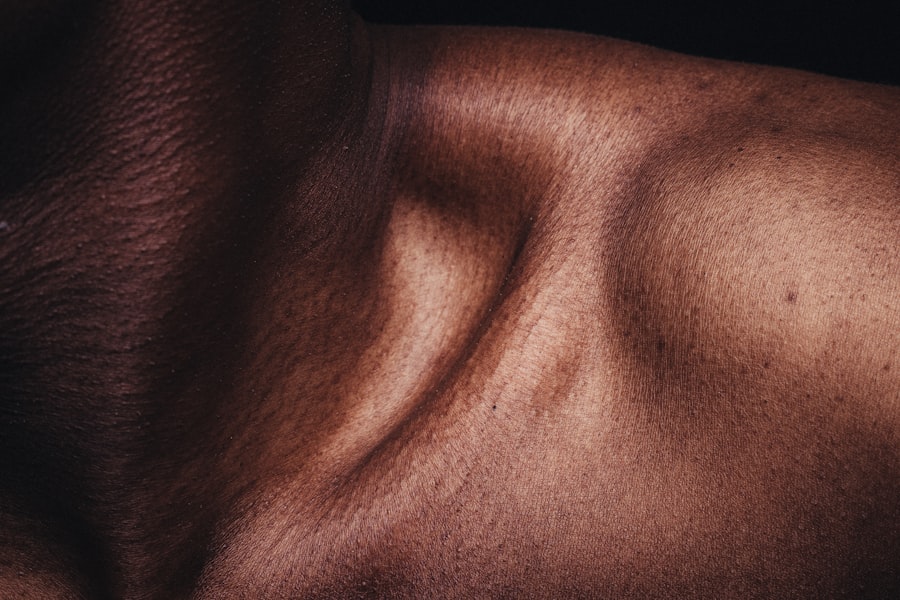
You possess a shield. It’s not forged of steel or adorned with mythical runes, but rather a biological marvel, deeply ingrained within your very being. This is the deep brown melanin maxed-out shield, a testament to evolutionary adaptation and a powerful protection against the relentless onslaught of the sun’s ultraviolet (UV) radiation. You might not always think of it as a shield, but that’s precisely what it is, a dynamic, inherent defense mechanism that shapes your interaction with the environment daily.
To appreciate the protective power of your melanin maxed-out shield, you first need to understand what melanin is and how it functions. It’s the pigment responsible for the color of your skin, hair, and eyes. But beyond aesthetics, it’s a sophisticated biological compound with a crucial protective purpose.
The Biochemical Complexity of Melanin
Melanin isn’t a single entity; it’s a family of pigments. The primary types relevant to your skin’s protection are eumelanin and pheomelanin. Eumelanin, particularly the dark brown and black varieties, is the key player in your deep brown, maxed-out shield. Pheomelanin, which can produce red and yellow tones, offers less UV protection. Your skin’s ability to produce copious amounts of eumelanin is what grants you this superior defense. This production is orchestrated by specialized cells called melanocytes, located in the epidermis, the outermost layer of your skin. When exposed to UV radiation, these melanocytes are stimulated to produce and transfer melanosomes (packets of melanin) to surrounding keratinocytes, the predominant cells of the epidermis. This migration effectively blankets the cells’ nuclei, where your DNA resides, creating a protective barrier.
The Melanin-DNA Interaction
The fundamental reason your melanin shield is so powerful lies in its interaction with DNA. UV radiation, particularly UVB, can directly damage DNA by causing mutations that can lead to skin cancer. UVA radiation penetrates deeper and can indirectly damage DNA by generating reactive oxygen species. Melanin acts as a physical barrier, absorbing and scattering UV rays before they can reach and harm your cellular DNA. Furthermore, studies suggest that melanin can also act as an antioxidant, scavenging these damaging reactive oxygen species, offering a double layer of protection. The sheer density and distribution of melanin in your skin, maximized to its deepest brown hues, signify a highly efficient absorption and scattering capability.
The concept of the deep brown melanin maxed out shield has garnered attention in recent discussions about skin protection and health. For those interested in exploring this topic further, a related article can be found on Freaky Science, which delves into the science behind melanin and its protective properties against UV radiation. You can read more about it by visiting this link: Freaky Science.
The Protective Capacities of a Maxed-Out Shield
Your deep brown, melanin-rich skin offers a significant advantage when it comes to mitigating the harmful effects of UV radiation. This protection isn’t absolute, but it’s remarkably effective.
Natural Sun Protection Factor (SPF)
Think of your melanin as an innate Sun Protection Factor (SPF). While the exact SPF of melanin varies depending on its concentration and type, darker skin tones with high melanin content naturally possess a higher inherent SPF than lighter skin tones. This means your skin is less likely to burn and less susceptible to the immediate damage that UV exposure inflicts. This doesn’t mean you’re immune to sunburn, but the threshold for experiencing it is significantly higher. Your shield provides a baseline level of defense that requires less external intervention.
Reduced Risk of Sunburn and Photoaging
The most immediate and noticeable benefit of your melanin maxed-out shield is your resilience to sunburn. While individuals with less melanin might erythema (redness) and blistering after relatively short sun exposure, your skin’s ability to absorb and scatter UV rays significantly delays or prevents this response. This reduced susceptibility to sunburn also translates to a lower risk of photoaging. Photoaging refers to the premature aging of the skin caused by chronic sun exposure, manifesting as wrinkles, fine lines, sunspots, and loss of elasticity. Your melanin shield acts as an anti-aging defense, preserving your skin’s youthful appearance over time.
Lower Incidence of Skin Cancers
Perhaps the most critical protective function of your deep brown melanin shield is its role in reducing the risk of skin cancers. Melanoma, basal cell carcinoma, and squamous cell carcinoma are all linked to excessive UV exposure. Eumelanin’s ability to absorb UV radiation, especially UVB, is highly effective at preventing the DNA mutations that initiate these cancers. While no skin tone is entirely immune, individuals with darker skin have a statistically lower incidence of most types of skin cancer, particularly melanoma, which is often diagnosed at a later, more dangerous stage in lighter-skinned individuals. Your inherent shield provides a significant protective buffer against these serious health risks.
Considerations and Nuances: The Shield is Not Impervious
While your melanin maxed-out shield is a powerful asset, it’s essential to understand its limitations. Evolution has equipped you well, but it hasn’t provided an impenetrable force field.
The Role of UV Index and Exposure Duration
The effectiveness of any protective mechanism, including melanin, is relative to the intensity of the threat and the duration of exposure. On days with a very high UV Index, even your deeply pigmented skin can be overwhelmed if you spend prolonged periods in direct sunlight without additional protection. Similarly, cumulative exposure over years still poses a risk, even if immediate signs of damage are less apparent. Your shield is most effective against moderate UV levels during typical daily activities. When faced with extreme or prolonged exposure, its protective capacity can be exceeded.
Vitamin D Synthesis and Melanin
A significant consideration regarding your melanin shield is its impact on Vitamin D synthesis. Vitamin D is essential for bone health, immune function, and mood regulation, and the primary way your body produces it is through UV B rays interacting with your skin. Melanin, in its quest to absorb and block UV radiation, also hinders Vitamin D production. This means that individuals with deeply pigmented skin may have a greater risk of Vitamin D deficiency, especially if they spend a lot of time indoors or live in regions with limited sunlight. This is a trade-off inherent in having a robust UV defense.
Medical Conditions and Melanin
While your melanin shield offers broad protection, certain medical conditions can affect its function or exacerbate the risks associated with sun exposure. Conditions like melasma, characterized by dark patches on the skin, can be triggered or worsened by sun exposure, even in individuals with darker skin. Furthermore, while the overall risk of skin cancer might be lower, it’s crucial to be aware that skin cancer can still occur in individuals with darker skin, and early detection remains paramount regardless of skin tone.
Maximizing Your Natural Protection: Smart Sun Practices

Understanding your deep brown melanin maxed-out shield empowers you to leverage its strengths while mitigating its weaknesses. It’s not about avoiding the sun entirely, but about engaging with it intelligently.
Strategic Sun Exposure
Your shield allows for more comfortable and less damaging sun exposure than lighter skin tones. You can often enjoy outdoor activities with less immediate concern for sunburn. However, this doesn’t mean you should abandon all caution. Recognizing the times of day when UV radiation is strongest (typically between 10 AM and 4 PM) can help you plan your outdoor activities. Seeking shade during these peak hours and being mindful of reflective surfaces like water and sand can further enhance your protection.
The Importance of Sunscreen, Even for You
Despite your inherent protection, sunscreen remains a valuable tool for comprehensive sun safety. While you might not need the highest SPF available for short, incidental exposure, applying sunscreen with an SPF of 30 or higher is still recommended for extended periods outdoors or during periods of intense UV radiation. Sunscreen provides an additional layer of defense, compensating for potential gaps in your melanin’s absorption and scattering capabilities, and it also helps to prevent further DNA damage and premature aging.
Regular Skin Self-Exams and Professional Check-ups
The principle of “better safe than sorry” applies universally, regardless of skin tone. You should conduct regular self-examinations of your skin, looking for any new moles, changes in existing moles, or any unusual skin lesions. Familiarize yourself with what is normal for your skin and report any concerning changes to a dermatologist promptly. Regular professional skin checks are also crucial, as skin cancers can manifest differently on darker skin and may be harder to detect. Early detection is key to successful treatment for all skin cancers.
Recent studies have highlighted the remarkable properties of deep brown melanin, often referred to as the “maxed out shield” due to its ability to absorb harmful UV radiation and protect skin cells. This fascinating topic is further explored in a related article that delves into the various benefits of melanin in human health. For more insights on this subject, you can read the full article here. Understanding these protective mechanisms can lead to better skincare practices and awareness of the importance of melanin in our bodies.
The Broader Implications: A Celebration of Diversity
| Metrics | Data |
|---|---|
| Shield Color | Deep brown |
| Melanin Level | Maxed out |
Your deep brown melanin maxed-out shield is more than just a biological trait; it’s a testament to the diverse evolutionary pathways that have shaped humanity. It’s a reminder that strength and resilience come in many forms.
Evolutionary Adaptation and Human Migration
The prevalence of high melanin levels in populations originating from equatorial regions is a direct result of evolutionary adaptation. As humans migrated out of Africa and into areas with varying levels of UV radiation, genetic selection favored those with melanin concentrations that provided the optimal balance between UV protection and Vitamin D synthesis for their specific environment. Your skin color is a living record of your ancestors’ journey and survival.
Reclaiming and Valuing Melanin
In societies that have historically, and often continue to, associate lighter skin with beauty and privilege, it’s important to recognize and celebrate the inherent power and protection that deep brown melanin offers. Your skin’s color is not a deficiency but a source of strength. Embracing and valuing melanin-rich skin challenges conventional beauty standards and promotes a more inclusive and accurate understanding of human diversity and its biological advantages.
The Future of Skin Health and Melanin Research
Ongoing research continues to unravel the intricate mechanisms of melanin and its protective functions. Understanding these processes more deeply could lead to advancements in skin cancer prevention, diagnosis, and treatment, potentially benefiting all skin tones. The appreciation of your deep brown melanin maxed-out shield is an ongoing process, one that acknowledges its powerful protective role while also advocating for comprehensive sun safety practices and a celebration of human biological diversity. You possess a powerful, inherent defense, a shield that has served your ancestors well and continues to offer significant protection in the modern world.
FAQs
What is the deep brown melanin maxed out shield?
The deep brown melanin maxed out shield refers to the natural protection provided by melanin in the skin, particularly in individuals with darker skin tones. Melanin acts as a shield against the harmful effects of UV radiation from the sun, reducing the risk of sunburn and skin cancer.
How does melanin provide protection against UV radiation?
Melanin absorbs and scatters UV radiation, preventing it from penetrating deep into the skin and causing damage to DNA. This helps to reduce the risk of sunburn, skin aging, and skin cancer in individuals with higher levels of melanin in their skin.
Are there any downsides to having a higher level of melanin in the skin?
While melanin provides natural protection against UV radiation, it can also make it more difficult for individuals with darker skin tones to produce vitamin D from sunlight. This can lead to an increased risk of vitamin D deficiency, which is essential for bone health and overall well-being.
How can individuals with darker skin tones protect their skin from sun damage?
While melanin provides some natural protection, it is still important for individuals with darker skin tones to use sunscreen, wear protective clothing, and seek shade to minimize sun damage. Regular skin checks and early detection of any changes are also important for skin health.
Can individuals with darker skin tones still develop skin cancer?
Yes, individuals with darker skin tones can still develop skin cancer, although they have a lower overall risk compared to those with lighter skin tones. It is important for everyone, regardless of skin tone, to be aware of the signs of skin cancer and to seek medical attention if any changes or abnormalities are noticed on the skin.