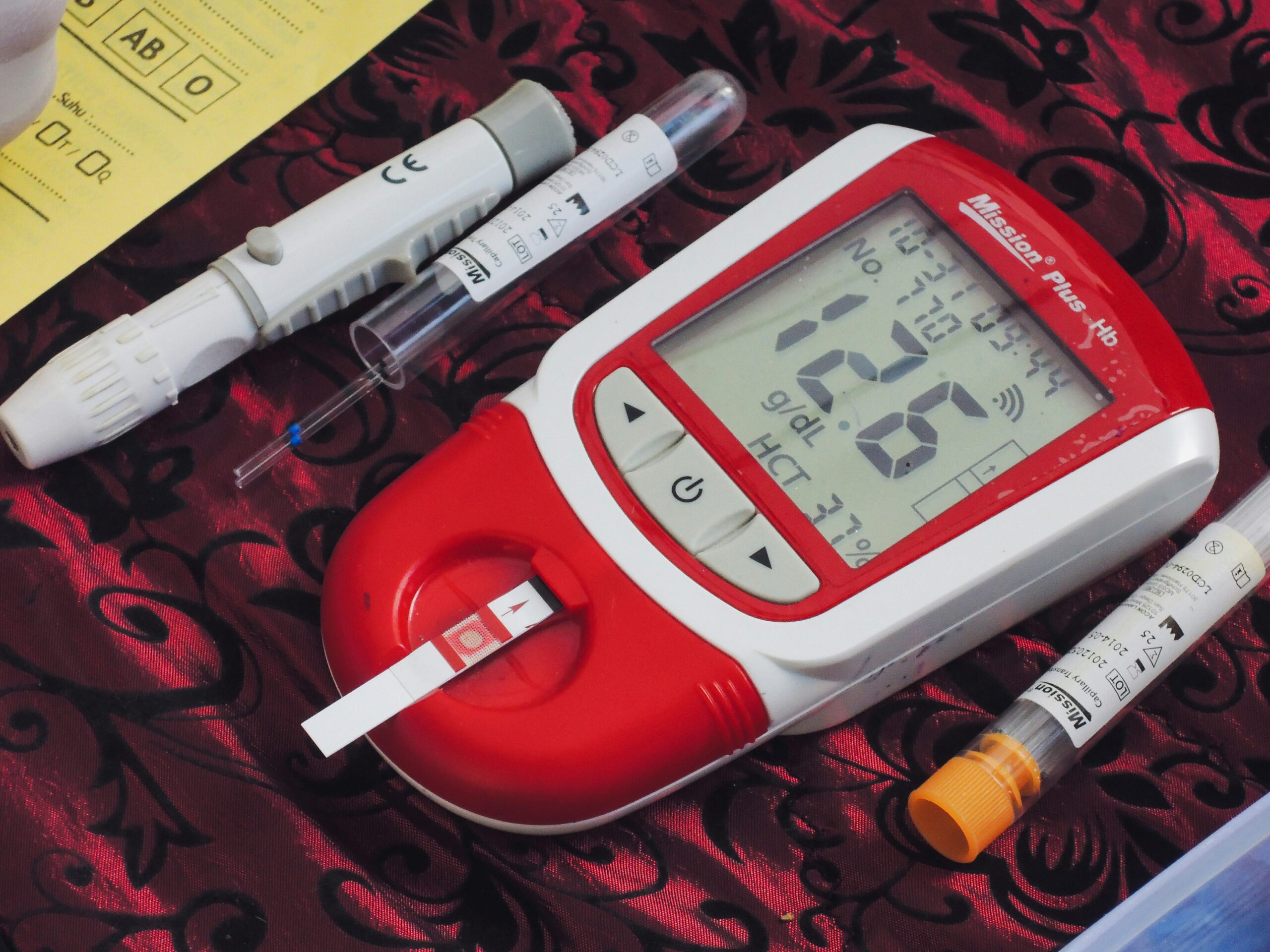
You’ve likely heard of blood types and their potential associations with personality traits or dietary recommendations. While some of these claims are overstated, the scientific community continues to explore links between blood types and various physiological functions. One area of ongoing research involves the potential connection between blood type A and cortisol levels.
Before diving into the specific relationship, it’s important to establish what we’re talking about. Your blood type is determined by the presence or absence of specific antigens on the surface of your red blood cells. The most common system categorizes blood into A, B, AB, and O types, along with the Rh factor (positive or negative).
The ABO Blood Group System
Your ABO blood group is inherited from your parents. Each person carries two ABO genes, one from each parent. These genes dictate which antigens are produced. Blood type A means you have A antigens, blood type B means you have B antigens, blood type AB means you have both, and blood type O means you have neither. These antigens can trigger an immune response if they are foreign to your body, which is why blood transfusions are carefully matched.
What is Cortisol?
Cortisol is a steroid hormone produced by the adrenal glands. It plays a critical role in numerous bodily functions, including your stress response, metabolism, immune system regulation, and sleep-wake cycle. Often referred to as the “stress hormone,” cortisol is released in higher amounts when you experience stress, helping your body to mobilize energy and prepare for “fight or flight.” However, chronical elevated cortisol levels can have detrimental effects on your health.
Recent studies have explored the intriguing relationship between blood type and cortisol levels, particularly in individuals with type A blood. Research suggests that people with this blood type may experience different stress responses, potentially leading to variations in cortisol production. For a deeper understanding of this connection and its implications for health, you can read more in this related article on the topic at Freaky Science.
The Hypothesis: Blood Type A and Stress Response
The prevailing hypothesis suggests that individuals with blood type A might exhibit a heightened or altered response to stress, which could manifest as differences in their baseline or reactive cortisol levels. This isn’t to say that blood type A makes you inherently more stressed, but rather that your physiological mechanisms for managing stress might differ subtly.
Early Observations and Research
While the direct causal link is still under investigation, early observations in laboratory settings and epidemiological studies have hinted at potential correlations. Researchers began noticing patterns where certain blood types appeared more frequently in groups experiencing chronic stress-related conditions or exhibiting specific physiological markers.
Mechanisms Under Consideration
Several biological pathways are being explored to explain this potential connection. These include differences in hormonal regulation, immune system activity, and even genetic predispositions that might influence the production or sensitivity to cortisol.
Genetic Influences
The genes that determine blood type are located on chromosome 9. This chromosome also contains other genes that play a role in immune function and potentially neurotransmitter activity, which can indirectly influence the stress response system. While direct gene-gene interactions are complex, it’s plausible that the genetic landscape surrounding blood type determination might also impact stress hormone pathways.
Immune System Differences
There are known differences in the immune responses associated with different blood types. For instance, individuals with blood type O are often considered “universal donors” because their red blood cells lack A and B antigens, making them less likely to provoke an immune reaction in recipients. Conversely, individuals with other blood types might have different patterns of antibody production, which could, in turn, influence inflammatory responses and overall stress physiology. Some research suggests that the immune system’s activity can directly impact the hypothalamic-pituitary-adrenal (HPA) axis, the system responsible for releasing cortisol.
Exploring the Evidence: Cortisol Levels in Blood Type A Individuals

Research into the precise relationship between blood type A and cortisol levels is ongoing, and findings are not always consistent. However, several studies have provided intriguing insights.
Baseline Cortisol Levels
Some research suggests that individuals with blood type A may have slightly higher baseline cortisol levels compared to other blood types. Baseline cortisol refers to the level of cortisol in your body when you are not actively experiencing a significant stressor.
What “Slightly Higher” Might Mean
It’s important to emphasize that “slightly higher” does not necessarily equate to “unhealthy.” The human body has a natural diurnal rhythm for cortisol, with levels peaking in the morning and gradually declining throughout the day. Small variations within this range are considered normal. The significance lies in whether these variations are consistently higher or if they indicate a dysregulation of the HPA axis.
Factors Influencing Baseline Cortisol
Numerous factors can influence baseline cortisol, including sleep quality, diet, exercise, and underlying health conditions. Therefore, isolating the impact of blood type requires careful control of these variables in research studies.
Cortisol Reactivity to Stressors
Beyond baseline levels, researchers are interested in how blood type A individuals respond when faced with acute stressors. Some studies have indicated that blood type A individuals might exhibit a faster or more prolonged cortisol release in response to stress.
The HPA Axis Activation
When you encounter a stressor, your brain signals your adrenal glands to release cortisol. This is a crucial survival mechanism. If blood type A is associated with a more sensitive or robust HPA axis, it could mean a quicker and more pronounced surge of cortisol.
Recovery Time
Equally important is how quickly cortisol levels return to normal after the stressor has passed. Some research hints that blood type A individuals might have a slightly slower recovery time, meaning their cortisol levels may remain elevated for a longer duration. This prolonged elevation could, over time, contribute to health issues.
Methodological Considerations in Studies
It’s crucial to acknowledge the methodologies employed in these studies. Factors like sample size, the type of stressor used, the timing of cortisol measurement, and the inclusion of confounding variables can all influence the results.
Salivary vs. Blood Samples
Cortisol can be measured in various bodily fluids, including saliva and blood serum. Salivary cortisol is often preferred for tracking diurnal rhythms and reactivity to acute stress because it’s less invasive and reflects free cortisol, the biologically active form. However, different measurement techniques can yield slightly different results.
Defining and Inducing Stress
The definition and induction of “stress” in research settings are also critical. What one study considers a significant stressor, another might not. This variability contributes to the sometimes-conflicting findings in the literature.
Potential Health Implications: Connecting Cortisol Patterns to Conditions

The exploration of blood type A and cortisol levels is not merely an academic exercise; it has potential implications for understanding and managing health. Persistent dysregulation of cortisol, regardless of blood type, can be linked to a range of health problems.
Chronic Stress and Its Effects
When the HPA axis is frequently activated, leading to consistently elevated cortisol, it can negatively impact various bodily systems.
Cardiovascular Health
Chronically high cortisol can contribute to increased blood pressure, inflammation, and metabolic changes that elevate the risk of heart disease.
Immune System Function
While cortisol is essential for regulating the immune response, prolonged high levels can suppress immune function, making you more susceptible to infections. Paradoxically, it can also contribute to immune dysregulation and autoimmune conditions in some instances.
Metabolic Disorders
Cortisol influences glucose metabolism and fat storage. Chronic elevation can contribute to insulin resistance, weight gain (particularly around the abdomen), and an increased risk of type 2 diabetes.
Mental Health
The relationship between cortisol and mental health is complex. While acute cortisol surges are a normal part of the stress response, chronically elevated or dysregulated cortisol is linked to anxiety, depression, and sleep disturbances.
Specific Considerations for Blood Type A?
The question remains: If blood type A is indeed associated with certain cortisol patterns, could this predispose individuals to particular health challenges?
Digestive Issues
Some research has explored associations between blood type A and digestive health, and stress is a well-known factor that impacts the gut. If individuals with blood type A experience more prolonged stress responses, it might theoretically contribute to stress-related digestive complaints.
Autoimmune Conditions
The interplay between the immune system, stress hormones, and autoimmune diseases is an active area of research. Some theories suggest that subtle differences in immune responses linked to blood type, combined with stress hormone fluctuations, could play a role in the development of certain autoimmune conditions.
Recent studies have explored the intriguing relationship between blood type and cortisol levels, particularly in individuals with type A blood. Research indicates that those with this blood type may experience different stress responses, potentially influencing their cortisol production. For a deeper understanding of this connection, you can read more in this related article on the topic. If you’re interested in the effects of blood type on various physiological responses, check out this insightful piece here.
Interpreting the Findings: Causation vs. Correlation
| Blood Type | Cortisol Levels |
|---|---|
| Type A | High |
It’s vital to approach the findings related to blood type and cortisol with a critical and nuanced perspective. Most of the research in this area points to correlation, not necessarily causation.
The Nuances of Correlation
A correlation means that two things tend to occur together. It doesn’t mean that one causes the other. For example, ice cream sales and drowning incidents both tend to increase in the summer. This is a correlation, but eating ice cream doesn’t cause drowning; the common factor is the warm weather.
Unidentified Confounding Factors
There could be many other factors, not yet fully understood or controlled for in studies, that are the true drivers behind any observed links. These could include:
Lifestyle Factors
Dietary habits, exercise routines, sleep patterns, and coping mechanisms for stress are all highly individual and can significantly impact cortisol levels, potentially interacting with or masking any direct blood type influence.
Environmental Influences
Exposure to environmental stressors, socioeconomic status, and even gut microbiome composition can all play a role in stress response and hormone regulation.
Epigenetic Modifications
Epigenetics refers to changes in gene expression that are not caused by alterations in the DNA sequence itself. Environmental factors can influence epigenetic modifications, which in turn can affect hormone levels and stress responses.
The Importance of a Holistic Approach to Health
Attributing health outcomes solely to blood type would be overly simplistic and potentially misleading. Your health is a complex interplay of genetics, lifestyle, environment, and your individual biochemistry.
Focus on Modifiable Factors
Regardless of your blood type, focusing on established health-promoting behaviors will yield the most significant benefits. This includes:
Stress Management Techniques
Practicing mindfulness, meditation, deep breathing exercises, or engaging in regular physical activity can help regulate cortisol levels, irrespective of blood type.
Balanced Nutrition
A diet rich in whole foods, fruits, vegetables, and lean proteins can support overall hormonal balance and reduce inflammation.
Adequate Sleep
Prioritizing 7-9 hours of quality sleep per night is crucial for HPA axis regulation and cortisol rhythm.
Regular Exercise
Physical activity is a powerful stress reliever and can help normalize cortisol levels.
Future Directions in Research
The scientific journey to fully understand the connection between blood type and cortisol levels is far from over. Future research will likely focus on more robust methodologies and deeper explorations of the underlying biological mechanisms.
Longitudinal Studies
Longitudinal studies, which follow individuals over extended periods, are crucial for observing how cortisol levels change and what health outcomes they are associated with, taking into account blood type. These studies can help disentangle correlation from causation more effectively.
Molecular and Genetic Research
Delving into the molecular pathways and specific genetic variations associated with blood type antigens and their potential influence on the HPA axis and immune signaling will be vital. This could involve investigating gene expression patterns, protein interactions, and the role of specific signaling molecules.
Personalized Medicine Approaches
As our understanding grows, it’s possible that insights into blood type and cortisol patterns could contribute to more personalized approaches to health and stress management. This doesn’t mean radical dietary changes based on blood type alone, but rather a more informed understanding of individual vulnerabilities and strengths.
Larger and More Diverse Cohorts
Future studies need to involve larger and more diverse populations to ensure that findings are generalizable and not skewed by specific demographic characteristics. Examining these connections across different ethnicities and age groups is essential.
Integration with Other Biomarkers
Combining the investigation of blood type and cortisol with other physiological markers, such as inflammatory markers, metabolic indicators, and even gut microbiome data, could provide a more comprehensive picture of how these factors interact to influence health.
Ultimately, while the research on blood type A and cortisol levels is intriguing, it’s best viewed as a piece of a larger puzzle. It highlights the intricate ways our bodies function and the subtle influences that might contribute to our overall well-being. The most actionable takeaway remains to prioritize a healthy lifestyle that supports stress management and hormonal balance for everyone, regardless of their blood type.
FAQs
What is the relationship between blood type and cortisol levels in type A individuals?
There is evidence to suggest that individuals with type A blood may have higher cortisol levels compared to individuals with other blood types. Cortisol is a hormone that is released in response to stress, and high levels of cortisol have been associated with increased stress and anxiety.
How does blood type affect cortisol levels?
The exact mechanism behind the relationship between blood type and cortisol levels is not fully understood. However, some studies have suggested that certain blood types may be associated with a heightened stress response, leading to higher cortisol levels in type A individuals.
What are the potential implications of higher cortisol levels in type A individuals?
Higher cortisol levels in type A individuals may have implications for their overall health and well-being. Chronic stress and elevated cortisol levels have been linked to a range of health issues, including anxiety, depression, and cardiovascular disease.
Can individuals with type A blood type manage their cortisol levels?
While blood type is not something that can be changed, individuals with type A blood can take steps to manage their cortisol levels. This may include practicing stress-reducing techniques such as meditation, yoga, and regular exercise, as well as seeking support from healthcare professionals if needed.
What further research is needed to understand the relationship between blood type and cortisol levels?
Further research is needed to fully understand the relationship between blood type and cortisol levels. This may involve larger, more comprehensive studies to confirm the findings and to explore the underlying mechanisms that link blood type to cortisol levels.