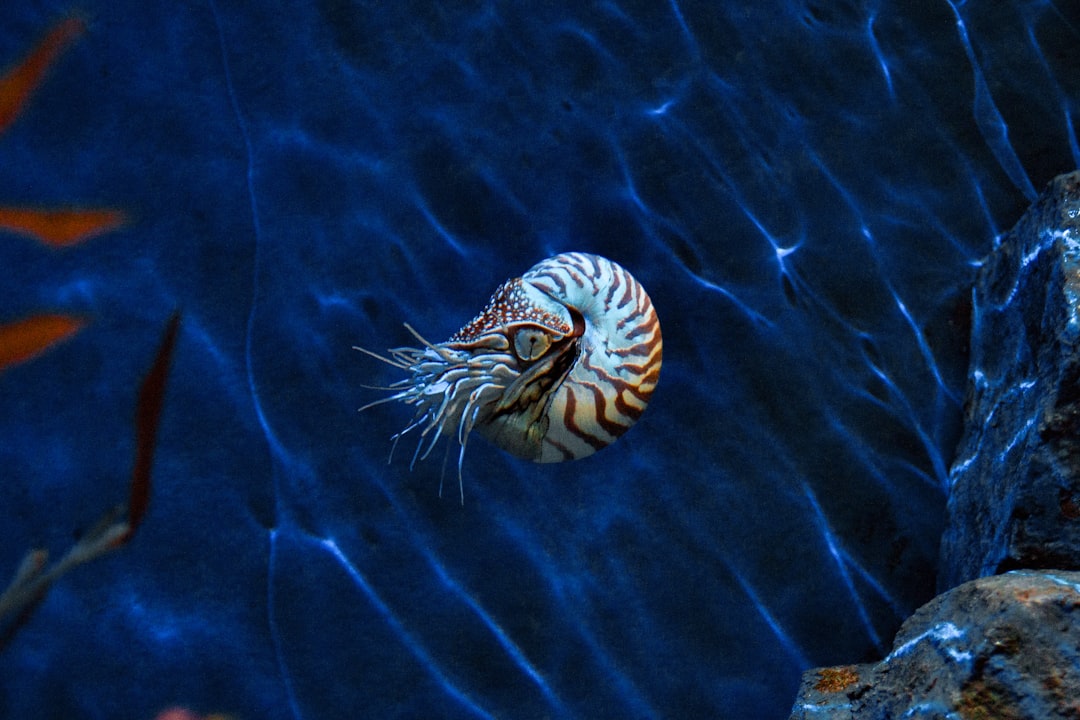
The abyss, a realm of perpetual darkness and crushing pressure, is home to some of the planet’s most astonishing and bizarre life forms. These deep-sea creatures, often appearing alien and otherworldly, are a testament to the incredible power of evolution and adaptation. Their strange appearances are not the result of random chance but rather sophisticated strategies for survival in an environment that would be instantly fatal to most surface dwellers. From bioluminescent displays to monstrous jaws and translucent bodies, the deep sea offers a gallery of biological wonders shaped by the very extremes of their existence.
The absence of sunlight in the deep sea has led to the evolution of a breathtaking phenomenon: bioluminescence. This is the ability of living organisms to produce their own light through a chemical reaction, and in the abyss, it serves a multitude of vital functions. For many creatures, light is not merely a curiosity but a critical tool for communication, predation, defense, and even reproduction.
Luring Prey in the Ink-Black Depths
For some deep-sea predators, bioluminescence acts as an irresistible lure. The anglerfish, perhaps one of the most iconic deep-sea inhabitants, exemplifies this strategy. Suspended from a modified dorsal spine above its gaping maw is a fleshy esca, which houses symbiotic bioluminescent bacteria. This glowing appendage dangles in the darkness, mimicking the appearance of small prey, effectively drawing unsuspecting smaller fish and crustaceans closer. Once within striking distance, the anglerfish lunges, its enormous mouth equipped with needle-sharp teeth to ensure no escape. The bioluminescent lure is not just a passive beacon; some anglerfish can control the intensity and flashing patterns of their esca, further enhancing its effectiveness in attracting a meal.
The Art of Camouflage and Misdirection
Beyond predation, bioluminescence also plays a crucial role in defense and camouflage. The viperfish, another denizen of the mesopelagic zone, possesses photophores – light-producing organs – along its belly. These ventral photophores emit a dim blue light that matches the faint sunlight filtering down from the surface, effectively obscuring the fish’s silhouette from predators lurking below. This counter-illumination technique makes the viperfish virtually invisible against the faint light from above. Other creatures, like the vampire squid, can eject a cloud of bioluminescent mucus when threatened. This glowing cloud distracts and disorients potential predators, allowing the squid to make a swift escape into the darkness.
Communicating Through Light: A Language of the Deep
In the vast and silent expanse of the deep sea, light also serves as a medium for communication, especially during the crucial act of reproduction. Many species use specific bioluminescent patterns to signal their presence to potential mates. The flashlight fish, for example, has large bioluminescent organs under its eyes that it can flash on and off. These flashes are thought to be used for species recognition, courtship displays, and even to startle predators. The intricate and varied light shows produced by these organisms are a testament to the complex social interactions that occur in an environment where visual cues are otherwise nonexistent. The diversity of bioluminescent patterns suggests a rich and nuanced language, still largely undeciphered by human observation.
Deep sea creatures often exhibit bizarre and unusual features, a phenomenon that has intrigued scientists and enthusiasts alike. The extreme conditions of their environment, such as high pressure, low light, and cold temperatures, have led to unique adaptations that can seem strange to us. For a deeper understanding of this fascinating topic, you can explore the article titled “Why Do Deep Sea Creatures Look Weird?” available at Freaky Science. This article delves into the evolutionary processes that shape the appearance of these enigmatic beings and highlights some of the most extraordinary adaptations found in the depths of the ocean.
The Pressure Cooker: Adaptations to Extreme Hydrostatic Forces
The sheer weight of the water column in the deep sea exerts immense hydrostatic pressure, reaching hundreds of atmospheres. This crushing force would instantly liquefy the tissues of most surface-dwelling organisms. Deep-sea creatures, however, have evolved remarkable adaptations to withstand and even thrive under these extreme conditions. Their bodies are often gelatinous or soft, lacking the rigid structures that would be crushed.
The Power of Gelatinous Bodies
Many deep-sea animals, such as certain species of jellyfish and comb jellies, have bodies composed almost entirely of water. This high water content makes them incompressible, allowing them to withstand the extreme pressure without damage. Their lack of air-filled cavities, like swim bladders found in many fish, is also crucial. Air would compress drastically under pressure, causing buoyancy issues and potentially imploding organs. These gelatinous forms often appear fragile and ethereal, but their very composition is a testament to their resilience.
Molecular Mechanisms of Pressure Tolerance
Beyond structural adaptations, deep-sea creatures have also developed specialized molecular mechanisms to cope with high pressure. Proteins and enzymes in their cells often have different structures or are stabilized by specific molecules, such as trimethylamine N-oxide (TMAO). TMAO acts as a molecular chaperone, counteracting the disruptive effects of pressure on cellular machinery, ensuring that vital biochemical processes can continue to function. This internal chemical defense system is essential for maintaining cellular integrity and function in an environment where the very molecules that make up life are under constant assault.
The Absence of Rigidity
The skeletal structures of deep-sea fish are often cartilaginous or reduced, lacking the dense bone that would be vulnerable to fracturing under pressure. Their muscles are also often less dense, contributing to their overall flexibility and ability to withstand the immense forces. This lack of rigid anatomy allows their bodies to deform and rebound without permanent damage, a crucial trait for survival in the crushing embrace of the abyss.
Masters of the Hunt: Ingenious Feeding Strategies
The scarcity of food in the deep sea has driven the evolution of extraordinary feeding strategies. With limited prey available, survival often depends on the ability to capture and consume any opportunity that arises, no matter how unusual.
The Fearsome Jaws of the Abyss
Many deep-sea predators possess incredibly large mouths and extendable jaws, allowing them to swallow prey whole, even if the prey is larger than their own heads. The gulper eel, for instance, has a disproportionately large, distensible stomach and a jaw that can open to an astonishing degree, enabling it to consume prey that is many times its size. This strategy ensures that no caloric opportunity is wasted. The sharp, inward-pointing teeth of many deep-sea fish also serve to prevent any slippery prey from escaping its grasp.
The Ambush Predator’s Advantage
Ambush predation is a common tactic in the deep sea, where energy conservation is paramount. Creatures like the fanfin anglerfish lie in wait, their bodies camouflaged against the seafloor, relying on their bioluminescent lures or sensory organs to attract unsuspecting prey. Their slow metabolism allows them to endure long periods without feeding, making these opportunistic strikes all the more effective. Their patient vigil in the darkness is a testament to the strategic intelligence of nature.
Scavenging and Detritus Feeding
Not all deep-sea feeding strategies involve active predation. Many organisms are scavengers, feeding on the organic matter that drifts down from the surface, known as “marine snow.” This includes dead animals, fecal pellets, and decaying plant material. Detritivores, like sea cucumbers, are abundant, processing sediment and extracting nutrients. This reliance on falling detritus highlights the interconnectedness of ocean ecosystems, even across vast vertical distances. The slow and steady consumption of marine snow ensures a consistent, albeit limited, food source for many deep-sea inhabitants.
The Ghosts of the Deep: Transparency and Ethereal Forms
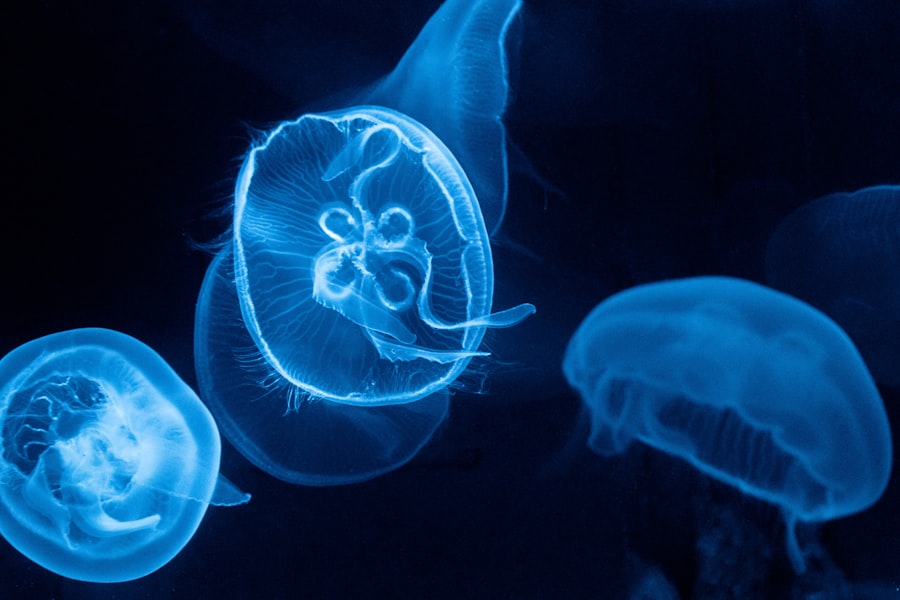
The lack of light in the deep sea has also led to a prevalence of transparent or translucent bodies. This remarkable adaptation serves as an effective form of camouflage, rendering these creatures nearly invisible in their environment.
The Invisible Predator
Many gelatinous, transparent predators, such as certain species of siphonophores and ctenophores, drift through the water column, their bodies so clear that they are almost impossible to detect. This transparency makes them ideal ambush predators, as their prey has little to no warning of their approach. Their lack of pigment further enhances their invisibility, as pigment would absorb and reflect what little light might be present.
The Hidden Prey
Transparency also benefits prey species. Small crustaceans and larval fish living in the mid-water often possess transparent bodies, making them difficult for visual predators to spot. This passive defense mechanism is incredibly effective in reducing predation pressure. The very essence of their being becomes a shield against the dangers of the deep.
The Algae Within: Symbiotic Transparency
In some cases, transparency is not solely a structural adaptation but also a result of symbiotic relationships. Certain deep-sea sea anemones and worms harbor photosynthetic algae within their tissues. While photosynthesis is impossible in the true abyss, these organisms may inhabit the twilight zones where some light penetrates. The transparent host allows sunlight to reach the algae, while the algae provide the host with nutrients. This remarkable partnership demonstrates the intricate ways life finds a way to thrive even in seemingly inhospitable conditions.
Deep sea creatures often exhibit bizarre and unusual features, a phenomenon that has intrigued scientists and enthusiasts alike. Their strange appearances can be attributed to the extreme conditions of their environment, such as high pressure, low light, and scarce food resources. For a deeper understanding of this fascinating topic, you can explore an insightful article on the subject at Freaky Science, which delves into the adaptations that allow these creatures to thrive in the depths of the ocean.
The Architects of Adaptation: A Glimpse into Evolutionary Ingenuity
| Reason | Explanation |
|---|---|
| Adaptation to extreme pressure | Deep sea creatures have adapted to survive in high-pressure environments, leading to unique body shapes and structures. |
| Bioluminescence | Many deep sea creatures use bioluminescence for communication, camouflage, and hunting, resulting in unusual appearances. |
| Food scarcity | In the deep sea, food can be scarce, leading to unique body shapes and feeding mechanisms to capture prey efficiently. |
| Extreme temperatures | Deep sea creatures have evolved to withstand extreme cold temperatures, resulting in unusual body structures and adaptations. |
| Evolutionary isolation | Isolation in the deep sea has led to unique evolutionary paths, resulting in strange and otherworldly appearances. |
The bizarre beauty of deep-sea creatures is not a random occurrence but a direct consequence of the relentless forces of natural selection. These organisms are living laboratories, showcasing the incredible power of evolution to shape life in response to extreme environmental pressures.
The Role of Isolation and Diversification
The deep sea is characterized by vast, often isolated environments. This isolation has allowed for unique evolutionary pathways, leading to the development of highly specialized species with distinct adaptations. Over millions of years, these populations have diverged, giving rise to the extraordinary diversity we observe today. The sheer distances and physical barriers of the deep ocean have fostered an unparalleled degree of endemism.
The Ongoing Unveiling of Mysteries
Our understanding of deep-sea life is still in its infancy. With each new expedition and technological advancement, scientists continue to discover new species and uncover the intricate details of their adaptations. The deep sea remains one of Earth’s last frontiers, holding untold secrets about the resilience and ingenuity of life. The exploration of these depths is not just an scientific endeavor but a journey into the very origins and potential of life itself.
A Reflection of Life’s Persistence
The bizarre beauty of the deep-sea creatures serves as a profound reminder of life’s persistent drive to survive and adapt. In the face of unimaginable challenges – crushing pressure, perpetual darkness, and scarce resources – life has found a way to flourish, creating a world of wonders that challenges our very perception of what is possible. These creatures, with their strange forms and extraordinary abilities, are not just inhabitants of the deep; they are testaments to the indomitable spirit of life on our planet.

The Deeper You Go, the Less Life Looks Like Life
FAQs
1. What are some common characteristics of deep sea creatures that make them look weird?
Deep sea creatures often have unusual body shapes, bioluminescent features, and elongated limbs to help them survive in the extreme conditions of the deep ocean.
2. Why do deep sea creatures have such strange appearances?
The unique appearances of deep sea creatures are often adaptations to their dark, high-pressure, and cold environment. These adaptations help them find food, avoid predators, and navigate in the deep ocean.
3. How do deep sea creatures use bioluminescence to their advantage?
Many deep sea creatures produce their own light through bioluminescence, which they use for communication, attracting prey, and confusing predators. This ability to produce light is one of the reasons why deep sea creatures look so strange.
4. What are some examples of deep sea creatures with particularly unusual appearances?
Examples of deep sea creatures with strange appearances include the anglerfish, with its bioluminescent lure, the gulper eel with its large mouth and slender body, and the vampire squid with its red eyes and webbed arms.
5. How do deep sea creatures’ appearances contribute to their survival in the deep ocean?
The weird appearances of deep sea creatures often help them camouflage in the dark, attract prey, and deter predators. These adaptations are essential for their survival in the harsh conditions of the deep sea.