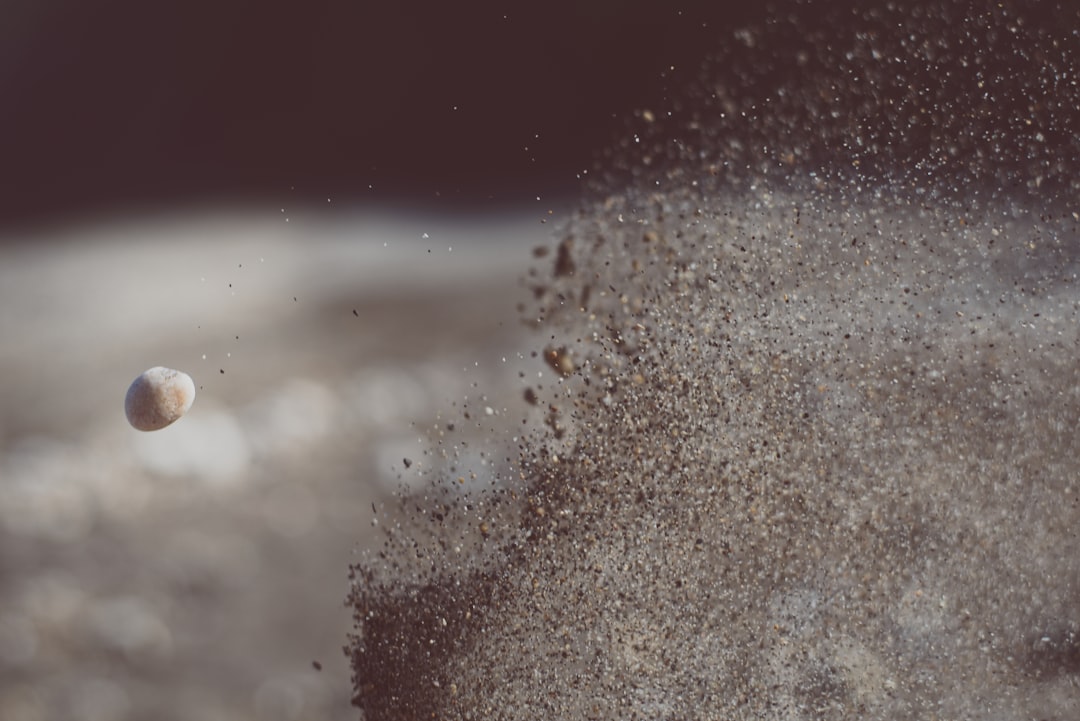
The pervasive fine-grained particulate matter that constitutes lunar regolith, commonly referred to as lunar dust, presents a significant and multifaceted biological threat to human health. Composed of jagged, abrasive mineral fragments, including silicates, oxides, and metals, this omnipresent substance poses unique challenges to physiological systems upon inhalation. Unlike terrestrial dust, which is often weathered and rounded by atmospheric and hydrological processes, lunar dust retains its sharp edges due to the absence of an atmosphere and significant erosion on the Moon’s surface. This inherent abrasiveness, coupled with a potentially reactive chemical composition, underscores the critical need to comprehensively understand and mitigate the biological impact of lunar dust inhalation for the viability of future crewed lunar missions and potential extraterrestrial settlements.
Lunar dust is not a monolithic substance; its composition and physical properties vary across different regions of the Moon. However, a consistent set of characteristics contributes to its hazardous nature.
Physical Properties: Sharpness and Abrasiveness
The defining physical characteristic of lunar dust is its extreme sharpness. Formed through billions of years of micrometeorite bombardment, the individual particles are fractured and angular, lacking the rounded contours typical of terrestrial dust. When inhaled, these jagged particles can inflict mechanical damage upon delicate respiratory tissues.
Microscopic Morphology and its Implications
Microscopic examination reveals that lunar dust particles are often platy or acicular in shape, with sharp edges and points. This morphology significantly increases their surface area and their potential for physical interaction with biological membranes. The abrasive nature is akin to inhaling fine shards of glass.
Triboelectric Charging and Adhesion
Lunar dust exhibits a strong tendency to electrostatically charge due to friction against other dust particles and spacecraft surfaces. This triboelectric effect causes the dust to adhere tenaciously to exposed surfaces, including skin, hair, and importantly, the internal surfaces of respiratory tracts and lungs. This adhesion prolongs contact time and increases the potential for chronic irritation and damage.
Chemical Composition and Reactivity
Lunar dust is rich in various mineral components, many of which can exhibit chemical reactivity when in contact with biological tissues.
Silicate Content and its Potential for Fibrosis
A substantial component of lunar regolith comprises silicates, particularly amorphous silica and crystalline forms. Inhalation of fine silica particles on Earth is a well-established cause of silicosis, a serious and irreversible lung disease characterized by pulmonary fibrosis. The potential for similar fibrotic reactions with lunar silica remains a significant concern.
Metal Oxides and their Oxidative Stress Potential
The presence of metal oxides, such as iron, titanium, and magnesium oxides, contributes to the potential reactivity of lunar dust. These compounds can participate in redox reactions, leading to the generation of reactive oxygen species (ROS) within biological systems. This oxidative stress can damage cellular components and initiate inflammatory cascades.
Absence of Organic Matter and its Disparity with Terrestrial Dust
A crucial difference between lunar and terrestrial dust is the near-complete absence of organic matter in the lunar environment. Terrestrial dust often contains biological components that can influence its inflammatory and toxicological properties. The lack of these organic modifiers in lunar dust suggests that its impacts may be driven more purely by its mineralogical and physical characteristics.
Recent research has highlighted the potential biological effects of breathing lunar dust, which could pose significant health risks for astronauts during long-term missions on the Moon. A related article that delves deeper into this topic can be found at Freaky Science, where experts discuss the composition of lunar regolith and its implications for respiratory health. Understanding these effects is crucial for ensuring the safety and well-being of future lunar explorers.
The Respiratory Tract: A Primary Target of Lunar Dust Inhalation
The respiratory system, with its extensive surface area and direct interface with inhaled foreign particles, is the most vulnerable to the detrimental effects of lunar dust.
Upper Respiratory Tract Irritation and Inflammation
Upon inhalation, larger dust particles can settle in the nasal passages, pharynx, and larynx, leading to immediate irritation and inflammatory responses.
Nasal Congestion and Rhinorrhea
The abrasive nature of the dust can trigger sneezing, increased mucus production (rhinorrhea), and nasal congestion as the body attempts to expel the irritant.
Pharyngeal and Laryngeal Inflammation
Settlement of dust in the throat can result in sore throat, hoarseness, and discomfort, exacerbating the body’s defense mechanisms like coughing.
Lower Respiratory Tract Penetration and Damage
Smaller, respirable dust particles can bypass the mucociliary escalator of the upper airways and penetrate deeper into the bronchi and alveoli, leading to more severe consequences.
Bronchial Inflammation and Hyperreactivity
Inhaled lunar dust can cause inflammation of the bronchial tubes, leading to coughing, wheezing, and potentially bronchospasm, especially in individuals with pre-existing respiratory conditions like asthma. The sharp edges can abrade the delicate epithelial lining of the bronchi.
Alveolar Damage and Inflammation (Pneumonitis)
The alveoli, the tiny air sacs where gas exchange occurs, are particularly susceptible to damage. Inhaled dust particles can accumulate within the alveoli, initiating an inflammatory response known as pneumonitis. This can impair oxygen uptake and carbon dioxide removal.
Deposition and Clearance Mechanisms Challenges
The mechanisms for clearing inhaled particles from the lungs, primarily the mucociliary escalator and alveolar macrophages, may be overwhelmed by the continuous and high concentrations of lunar dust encountered during extended missions. The electrostatic adhesion further complicates efficient clearance.
Pulmonary Disease: Long-Term Consequences of Lunar Dust Exposure
Prolonged or repeated inhalation of lunar dust poses a significant risk of developing chronic and potentially irreversible pulmonary diseases.
Silicosis-like Pulmonary Fibrosis
The high silica content of lunar dust raises concerns about the development of a form of silicosis affecting astronauts.
Fibroblast Activation and Collagen Deposition
Inhaled silica particles are known to activate fibroblasts, leading to excessive deposition of collagen and other extracellular matrix proteins in the lung interstitium. This process leads to the formation of scar tissue.
Impaired Lung Function and Diffuse Alveolar Damage
The progressive scarring and stiffening of lung tissue (pulmonary fibrosis) significantly impairs lung function, reducing the capacity for gas exchange and leading to progressive shortness of breath. Diffuse alveolar damage can manifest as acute respiratory distress.
Chronic Obstructive Pulmonary Disease (COPD) Exacerbation or Induction
The inflammatory and irritant effects of lunar dust can contribute to or exacerbate existing Chronic Obstructive Pulmonary Disease (COPD).
Inflammatory Airway Remodeling
Chronic inflammation can lead to structural changes in the airways, including thickening of the airway walls and increased mucus production, characteristic of COPD.
Emphysema-like Changes
While direct evidence is limited, the abrasive nature and potential for oxidative stress could contribute to the destruction of alveolar walls, mimicking emphysema.
Potential for Carcinogenicity
While not definitively established, the chronic inflammation and genotoxic potential of some mineral components raise questions about the long-term carcinogenic risk of lunar dust.
Chronic Inflammation and DNA Damage
Persistent inflammation can create an environment conducive to DNA damage and mutations, increasing the risk of cancer development.
Oxidative Stress and Cellular Damage
The generation of ROS can directly damage DNA and other cellular components, potentially contributing to oncogenesis.
Beyond the Lungs: Systemic and Other Biological Impacts
The biological impact of lunar dust inhalation is not confined to the respiratory system; there is evidence and theoretical concern for wider systemic effects.
Cardiovascular Strain and Exacerbation of Pre-existing Conditions
The impaired oxygenation caused by lung damage can place significant strain on the cardiovascular system.
Hypoxia-Induced Cardiovascular Stress
Reduced oxygen levels in the blood (hypoxia) can lead to increased heart rate and blood pressure, potentially exacerbating pre-existing cardiovascular conditions.
Pulmonary Hypertension Development
Chronic lung disease and impaired gas exchange can contribute to the development of pulmonary hypertension, a condition where the blood pressure in the arteries of the lungs is too high.
Ocular and Dermal Irritation
While not directly related to inhalation, the pervasive nature of lunar dust means that accidental contact with eyes and skin is common, leading to irritation. The fine, sharp particles can cause abrasions and inflammation.
Corneal Abrasions and Conjunctivitis
Lunar dust in the eyes can cause mechanical irritation, leading to corneal abrasions and inflammation of the conjunctiva (conjunctivitis).
Dermal Inflammation and Allergic Reactions (Hypothetical)
While not extensively studied, the abrasive nature of lunar dust could cause dermal irritation. The potential for allergic reactions to specific mineral components, though unlikely without prior sensitization, cannot be entirely ruled out.
Potential for Immunomodulation
The interaction of inhaled particles with the immune system can lead to complex modulatory effects, potentially impacting overall immune function.
Alveolar Macrophage Activation and Dysregulation
Alveolar macrophages are key immune cells responsible for clearing inhaled particles. Chronic exposure to lunar dust may lead to their activation and, over time, potential dysregulation, impacting their effectiveness and promoting chronic inflammation.
Systemic Immune Responses
There is a theoretical possibility that components of lunar dust, or the inflammatory mediators released in response to inhalation, could trigger systemic immune responses, although direct evidence is currently scarce.
Recent studies have raised concerns about the potential biological effects of breathing lunar dust, which could pose significant health risks for astronauts during long-term missions on the Moon. An insightful article on this topic can be found at Freaky Science, where researchers discuss the composition of lunar regolith and its implications for respiratory health. Understanding these risks is crucial as space exploration continues to advance, highlighting the need for protective measures against such environmental hazards.
Mitigation Strategies and Future Research Imperatives
| Biological Effects of Breathing Lunar Dust |
|---|
| 1. Respiratory Issues |
| 2. Inflammation of the Lungs |
| 3. Risk of Developing Asthma |
| 4. Potential DNA Damage |
| 5. Neurological Effects |
Addressing the biological hazards of lunar dust inhalation is paramount for enabling sustained human presence on the Moon.
Engineering Controls and Personal Protective Equipment (PPE)
A multi-layered approach to engineering controls and rigorous use of PPE are essential.
Habitat and Vehicle Pressurization Systems
Maintaining positive pressure within habitats and vehicles is crucial to prevent dust ingress. Advanced filtration systems are required to remove dust from recirculated air.
Advanced Filtration and Air Purification Technologies
Development and implementation of highly efficient air filtration systems, capable of capturing sub-micron particles, are essential for both active and passive environments.
Specialized Spacesuits and Dust Avoidance Protocols
Spacesuits need to be designed with dust-repellent materials and effective sealants. Strict protocols for entering and exiting from lunar surfaces are required to minimize dust transfer.
Investigative Research and Biomarker Development
Further research is critical to fully understand the long-term effects and to develop effective diagnostic and monitoring tools.
Pre-mission Health Screening and Risk Assessment
Thorough pre-mission health assessments, focusing on respiratory and cardiovascular health, are necessary to identify individuals with pre-existing conditions that may make them more susceptible.
In-vivo and In-vitro Toxicological Studies
Dedicated toxicological studies using animal models and cell cultures are needed to elucidate the specific mechanisms of lunar dust toxicity and to identify potential therapeutic interventions.
Biomarker Identification for Early Detection and Monitoring
The identification of reliable biomarkers in biological samples (e.g., blood, urine, exhaled breath) could enable early detection of dust-induced damage and monitor the effectiveness of mitigation strategies.
Long-term Health Surveillance of Astronauts
Post-mission health surveillance of astronauts will be crucial to track the long-term health consequences of lunar dust exposure and to refine current understanding of its impacts.
In conclusion, the biological impact of lunar dust inhalation represents a formidable challenge to human space exploration. The sharp, persistent, and potentially reactive nature of lunar particulate matter necessitates a comprehensive and proactive approach to mitigation and research. Understanding the insidious mechanisms by which this extraterrestrial dust can infiltrate and damage the human body, particularly the delicate respiratory system, is the first step towards ensuring the safety and well-being of future lunar pioneers and the establishment of a sustainable extraterrestrial presence. Continued scientific inquiry and robust engineering solutions are indispensable in transforming the Moon from a potential health hazard into a viable frontier for human endeavors.
FAQs
What is lunar dust?
Lunar dust is the fine powder that covers the surface of the moon. It is made up of tiny rock fragments and glass beads created from the constant bombardment of meteoroids on the lunar surface.
What are the biological effects of breathing lunar dust?
Breathing in lunar dust can cause a variety of health issues, including respiratory problems, inflammation, and potential damage to the lungs. The dust particles are very fine and can easily penetrate deep into the lungs, causing irritation and potential long-term health effects.
How does lunar dust affect the human body?
Lunar dust can cause irritation to the respiratory system, leading to coughing, wheezing, and difficulty breathing. In addition, the sharp, abrasive nature of the dust particles can cause damage to lung tissue and potentially lead to long-term health issues.
Are there any potential risks for astronauts on the moon?
Astronauts on the moon are at risk of inhaling lunar dust, which can lead to respiratory issues and potential long-term health effects. Additionally, the dust can cling to spacesuits and equipment, potentially causing mechanical issues and contaminating living quarters.
What measures are being taken to mitigate the effects of lunar dust on astronauts?
NASA and other space agencies are researching ways to mitigate the effects of lunar dust on astronauts. This includes developing new materials for spacesuits and equipment that are resistant to lunar dust, as well as studying potential medical interventions to protect astronauts from the harmful effects of breathing in the dust.