
Audio formats are the methods used to encode and decode sound data, enabling playback of music, podcasts, and other audio content across various devices. The format chosen directly impacts listening experience, affecting sound quality, file size, and device compatibility. The digital audio landscape includes numerous formats, each designed for specific applications.
Some formats prioritize sound quality, while others minimize file size to facilitate storage and sharing. The primary categories of audio formats are uncompressed, lossless, and lossy formats. Understanding these distinctions allows for informed decisions regarding audio playback and collection management.
Lossless audio formats preserve the original sound quality of the recording without any data loss during compression. This means that when you play a lossless file, you hear the music exactly as it was intended by the artist and producer.
Formats like FLAC (Free Lossless Audio Codec) and ALAC (Apple Lossless Audio Codec) fall into this category, making them ideal for audiophiles who prioritize sound fidelity. On the other hand, lossy audio formats compress sound data by removing some information deemed less critical to human hearing. This results in smaller file sizes, which can be advantageous for storage and streaming purposes.
Formats such as MP3 and AAC (Advanced Audio Codec) are popular examples of lossy compression. While these formats can significantly reduce file sizes, they may sacrifice some audio quality in the process. As you consider your listening habits and preferences, weighing the benefits of each type will help you determine which format aligns best with your needs. Experience the clarity and depth of [high resolution audio] like never before.
Key Takeaways
- Audio formats vary in quality and compression, impacting sound fidelity and file size.
- Lossless formats preserve original audio quality, while lossy formats reduce file size by sacrificing some detail.
- Device compatibility is crucial when selecting audio formats to ensure smooth playback.
- Streaming offers convenience, but downloading provides better control over audio quality and access.
- Future-proofing your audio collection involves choosing widely supported formats and maintaining backups.
Popular Audio Formats
In your exploration of audio formats, you’ll likely encounter several that stand out due to their widespread use and compatibility across devices. The MP3 format is perhaps the most recognized and widely used audio format globally. Its ability to compress files while maintaining reasonable sound quality has made it a staple for music lovers and casual listeners alike.
You may find that many of your favorite songs are available in MP3 format, making it easy to build a diverse library. Another popular format is WAV (Waveform Audio File Format), which is an uncompressed format that offers high-quality sound but at the cost of larger file sizes. If you’re looking for pristine audio quality for professional applications or high-fidelity listening experiences, WAV might be your go-to choice.
Additionally, formats like OGG Vorbis and WMA (Windows Media Audio) have their own dedicated user bases, each offering unique features that cater to specific needs. Familiarizing yourself with these popular formats will help you navigate your audio collection more effectively.
Compatibility with Devices

As you curate your audio library, compatibility with your devices is a crucial factor to consider. Different devices support various audio formats, and understanding these compatibilities can save you from frustration down the line. For instance, while most smartphones and computers can easily handle MP3 files, some high-end audio equipment may only support lossless formats like FLAC or ALAC to ensure optimal sound quality.
When choosing an audio format, think about where and how you plan to listen to your music. If you’re primarily using portable devices or streaming services, lossy formats like MP3 or AAC may be sufficient due to their smaller file sizes and broad compatibility. However, if you’re investing in high-quality speakers or headphones for home listening, opting for lossless formats could enhance your experience significantly.
By considering device compatibility alongside your audio preferences, you can make choices that align with your lifestyle.
Audio Quality and File Size
The relationship between audio quality and file size is a critical aspect of choosing the right format for your needs. Lossless formats provide superior sound quality but come with larger file sizes that can quickly consume storage space on your devices. For example, a single song in FLAC format can take up several times more space than its MP3 counterpart.
If you’re someone who values high fidelity and has ample storage capacity, lossless formats may be worth the investment. Conversely, if you’re limited by storage constraints or primarily listen to music on-the-go, lossy formats offer a practical solution without sacrificing too much quality for everyday listening. The trade-off between quality and size is something you’ll need to navigate based on your personal preferences and listening habits.
By understanding this balance, you can curate an audio collection that meets both your quality standards and storage limitations.
In today’s digital age, the choice between streaming and downloading audio content has become increasingly relevant. Streaming services like Spotify and Apple Music allow you to access vast libraries of music without needing to store files on your device. This convenience comes with its own set of considerations; for instance, streaming often relies on lossy formats to ensure smooth playback over varying internet speeds.
On the other hand, downloading music allows you to own files outright and listen offline without relying on an internet connection. When you download music, you have the option to choose between different formats based on your preferences for quality and size. If you’re an avid listener who enjoys curating a personal library, downloading might be the better option for you.
Ultimately, whether you choose streaming or downloading will depend on your lifestyle and how you prefer to engage with music.
Choosing the Right Format for Your Needs
| Audio Format | Compression Type | Quality | File Size | Compatibility | Use Case |
|---|---|---|---|---|---|
| WAV | Uncompressed | Excellent (Lossless) | Very Large | High (Most devices) | Professional audio editing, archiving |
| FLAC | Lossless Compression | Excellent (Lossless) | Medium to Large | Good (Many players support) | High-quality music storage |
| MP3 | Lossy Compression | Good (Variable bitrates) | Small to Medium | Very High (Universal) | Streaming, portable devices |
| AAC | Lossy Compression | Better than MP3 at similar bitrates | Small to Medium | High (Apple devices, many others) | Streaming, mobile devices |
| OGG Vorbis | Lossy Compression | Good (Better than MP3 at same bitrate) | Small to Medium | Moderate (Open source players) | Streaming, gaming |
| ALAC | Lossless Compression | Excellent (Lossless) | Medium to Large | High (Apple ecosystem) | High-quality music on Apple devices |
Selecting the right audio format involves considering several factors that align with your listening habits and preferences. Start by assessing how you plan to use your audio files—are you creating a personal library for high-quality listening at home or simply looking for convenience while commuting? If you’re focused on portability and ease of access, lossy formats like MP3 or AAC may serve you well.
However, if you’re an audiophile who values sound quality above all else, investing in lossless formats like FLAC or ALAC could enhance your listening experience significantly. Additionally, consider the devices you’ll be using; ensuring compatibility with your hardware will prevent potential playback issues down the line. By taking these factors into account, you’ll be better equipped to choose an audio format that meets your specific needs.
Converting Audio Formats
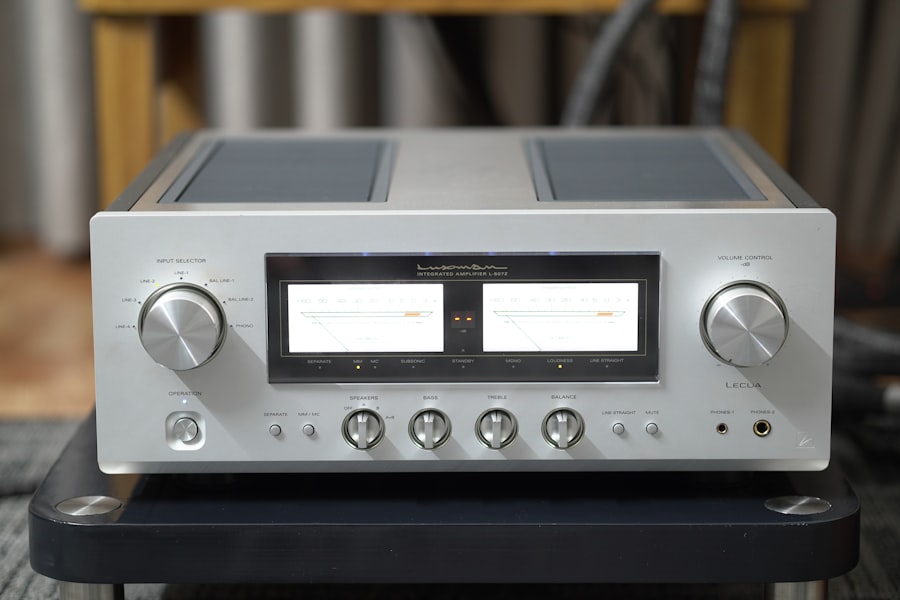
As you navigate through different audio formats, you may find yourself needing to convert files from one format to another for various reasons—compatibility issues, storage concerns, or simply personal preference. Fortunately, numerous software tools are available that make this process relatively straightforward. Many media players come equipped with built-in conversion features that allow you to change formats quickly.
When converting audio files, it’s essential to keep in mind the potential impact on quality. For instance, converting a lossless file to a lossy format will result in some loss of sound fidelity. Conversely, converting from a lossy format to a lossless one won’t restore any lost quality; it will only create a larger file without improving sound performance.
By understanding these nuances of conversion, you can make informed decisions about how best to manage your audio collection.
Archiving and Storage Considerations
As your audio library grows, archiving and storage become increasingly important considerations. You’ll want to ensure that your collection is not only organized but also safely stored to prevent data loss over time. Depending on the formats you’ve chosen, file sizes can vary significantly; thus, planning your storage strategy is essential.
For lossless files that take up more space, consider investing in external hard drives or cloud storage solutions that offer ample capacity without compromising accessibility. Additionally, maintaining backups of your collection is crucial; this way, if something happens to your primary storage device, you’ll have a safeguard in place. By taking these archiving measures seriously, you can enjoy peace of mind knowing that your cherished audio collection is secure.
Future-Proofing Your Audio Collection
In an ever-evolving digital landscape, future-proofing your audio collection is a wise strategy that can save you from potential headaches down the line. As technology advances and new formats emerge, it’s essential to choose formats that are likely to remain relevant for years to come. Lossless formats like FLAC have gained popularity due to their high-quality sound and compatibility with various devices; thus, they may be a safe bet for long-term storage.
Additionally, consider keeping an eye on industry trends regarding streaming services and emerging technologies in audio playback. Staying informed about advancements in audio technology will help you adapt your collection as needed while ensuring that it remains accessible across different platforms and devices. By taking proactive steps toward future-proofing your library now, you’ll be better prepared for whatever changes lie ahead in the world of digital audio.
Making the Best Choice
Ultimately, navigating the world of audio formats requires careful consideration of various factors including sound quality, file size, device compatibility, and personal preferences. By understanding the differences between lossless and lossy formats as well as popular options available today, you’ll be equipped to make informed decisions about how best to manage your audio collection. Whether you’re streaming music on-the-go or curating a high-fidelity library at home, choosing the right format can significantly enhance your listening experience.
As technology continues to evolve and new options emerge, staying informed will empower you to adapt your collection accordingly while ensuring it remains enjoyable for years to come. In this dynamic landscape of digital audio, making thoughtful choices now will pave the way for a fulfilling auditory journey ahead.
When considering the best audio format for your needs, it’s essential to explore various options and their respective advantages. For a deeper understanding of audio formats and their applications, you can check out this informative article on audio quality and formats at freakyscience.
com/sample-page/’>Freaky Science. This resource provides insights into the differences between formats like MP3, WAV, and FLAC, helping you make an informed decision based on your listening preferences and requirements.
WATCH THIS! Can You Really Hear High-Res Audio? 🎶
FAQs
What are the most common audio formats?
The most common audio formats include MP3, WAV, AAC, FLAC, and OGG. Each format has different characteristics in terms of compression, quality, and compatibility.
Which audio format offers the best sound quality?
Lossless formats like FLAC and WAV provide the best sound quality because they do not compress audio data and preserve the original recording’s fidelity.
What is the difference between lossy and lossless audio formats?
Lossy formats, such as MP3 and AAC, compress audio by removing some data, which reduces file size but can affect quality. Lossless formats, like FLAC and WAV, compress audio without losing any data, maintaining original quality.
Is MP3 still a good audio format to use?
Yes, MP3 remains popular due to its wide compatibility and relatively small file size, though it is a lossy format and may not offer the highest audio quality compared to lossless formats.
Which audio format is best for streaming?
AAC is often considered the best format for streaming because it provides better sound quality than MP3 at similar bit rates and is widely supported by streaming platforms.
Can all devices play every audio format?
No, not all devices support every audio format. Common formats like MP3 and AAC have broad compatibility, while formats like FLAC or OGG may require specific players or software.
What audio format should I use for professional audio editing?
For professional audio editing, lossless formats such as WAV or AIFF are preferred because they retain full audio quality and are compatible with most editing software.
Does file size vary between audio formats?
Yes, file size varies significantly. Lossy formats like MP3 produce smaller files, while lossless formats like FLAC and WAV result in larger files due to higher quality and less compression.
Are there any open-source audio formats?
Yes, OGG is an open-source audio format that provides good quality and compression, often used in gaming and streaming applications.
How do I choose the best audio format for my needs?
Choosing the best audio format depends on your priorities: use lossless formats for highest quality, lossy formats for smaller file sizes and compatibility, and consider device support and intended use (e.g., streaming, editing, archiving).