You stand on the precipice of understanding something truly extraordinary: you. Within the confines of your skull lies an organ so complex, so dynamic, and so powerful that it continues to astonish scientists and inspire awe. Your brain, this three-pound marvel of biological engineering, is responsible for every thought you’ve ever had, every feeling you’ve ever experienced, and every action you’ve ever taken. Forget the mythical superpowers; the true astonishing power resides right here, in the intricate web of neurons and synapses that make you, undeniably, you. Prepare yourself for a journey into the unbelievable, where the facts about your own brain will leave you questioning everything you thought you knew.
Your brain isn’t just a passive receiver of information; it’s an active, ever-evolving universe. Billions of specialized cells work tirelessly, constructing your reality, processing the symphony of sensory input, and orchestrating the silent ballet of your internal world. It’s a place of constant creation and modification, a testament to nature’s unparalleled ingenuity.
The Sheer Scale of Your Neural Network
Think you’re just a collection of thoughts? You’re actually an unfathomable network. Your brain contains approximately 86 billion neurons, the fundamental building blocks responsible for transmitting information. To put that into perspective, that’s more neurons than there are stars in our galaxy. These aren’t static entities, either. Each neuron can form thousands of connections, called synapses, with other neurons.
A Symphony of Synapses: More Connections Than You Can Imagine
The sheer number of synapses in your brain is mind-boggling. Estimates suggest there are anywhere from 100 trillion to a quadrillion synapses. This staggering number creates a complex network that is constantly firing, communicating, and adapting. When you learn something new, form a memory, or even just have a fleeting thought, these synapses are activated and can change their strength, influencing future communication pathways. It’s this dynamic plasticity that makes your brain so adaptable and capable of lifelong learning.
The Power of Electrical Impulses: Your Brain’s Lightning Speed
Information travels through your neurons as electrical and chemical signals. These impulses can travel at speeds ranging from 1 to 268 miles per hour. This incredible speed allows for near-instantaneous processing and reaction to your environment. Imagine your thoughts and sensations zipping around your brain at highway speeds – that’s the everyday reality for your neural network.
The Brain’s Energy Consumption: A Hungry Organ
Despite its relatively small size, your brain is an energy hog. It accounts for about 20% of your body’s total energy consumption, even when you’re at rest. This constant demand for fuel is a testament to the immense amount of work your brain is doing at all times, from keeping your heart beating to dreaming the night away.
Glucose: The Brain’s Primary Fuel Source
The brain primarily runs on glucose, a simple sugar derived from the food you eat. Your brain needs a constant supply of glucose to function properly. Fluctuations in blood sugar levels can have a direct impact on your cognitive abilities, affecting your concentration, mood, and overall mental performance. This is why a balanced diet is so crucial for optimal brain health.
The Importance of Oxygen: A Breath of Fresh Air for Your Neurons
In addition to glucose, your brain also requires a continuous supply of oxygen. Oxygen is essential for cellular respiration, the process that converts glucose into energy. Even a few minutes without oxygen can cause irreversible brain damage, underscoring the critical role of breathing in maintaining brain function.
If you’re intrigued by the wonders of the brain and want to dive deeper into some captivating neuroscience facts, you might find this article particularly interesting: Freaky Science. It explores various aspects of neuroscience, shedding light on how our brains function, the mysteries of consciousness, and the latest discoveries in the field. Whether you’re a science enthusiast or just curious about how our minds work, this resource offers a wealth of information that will surely fascinate you.
The Brain’s Incredible Plasticity: It’s Never Too Late to Change
One of the most astonishing aspects of your brain is its remarkable ability to change and adapt throughout your life. This phenomenon, known as neuroplasticity, means that your brain is not a fixed entity. It can reorganize itself by forming new neural connections and pathways in response to new experiences, learning, and even injury.
Learning and Memory: Rewiring Your Brain with Every Experience
Every time you learn a new skill, acquire a piece of knowledge, or form a memory, you are actively rewiring your brain. The pathways involved in that particular experience become stronger and more efficient. This is why practicing a musical instrument, learning a new language, or even mastering a video game can profoundly change the structure and function of your brain over time.
“Use It or Lose It”: The Principle of Synaptic Pruning
Your brain is a master of efficiency. It selectively strengthens the neural connections that are used frequently and weakens or prunes those that are not. This “use it or lose it” principle is crucial for optimizing brain function. Engaging in mentally stimulating activities helps to maintain and strengthen important neural networks, while neglecting them can lead to their degradation.
The Role of Repetition and Practice in Strengthening Neural Pathways
Repetition is the key to solidifying new neural pathways. When you practice a skill or review information, you are essentially reinforcing the electrical signals that travel along those specific neural routes. The more you repeat an action or recall information, the stronger and more automatic that neural pathway becomes, making it easier and faster to access in the future.
Recovery from Injury: The Brain’s Remarkable Resilience
Neuroplasticity plays a vital role in the brain’s ability to recover from injury, such as strokes or traumatic brain injuries. While the extent of recovery can vary depending on the severity and location of the injury, the brain can, to a certain extent, reroute functions to different areas. Other parts of the brain can take over the tasks previously performed by the damaged regions, a process that often requires intensive rehabilitation and consistent effort.
The Concept of Functional Reorganization: Finding New Routes to Old Destinations
When a part of your brain is damaged, other areas can learn to compensate. This functional reorganization involves creating new neural pathways to perform the tasks that the injured area could no longer handle. It’s like finding a new route on a map when your usual road is closed. This process highlights the incredible adaptability of the brain in the face of adversity.
Rehabilitation and Targeted Training: Harnessing Plasticity for Recovery
Therapeutic interventions, such as physical therapy, occupational therapy, and speech therapy, are designed to actively stimulate and guide the brain’s plastic capabilities. By engaging in targeted exercises and activities, individuals can encourage the formation of new neural connections and facilitate the recovery of lost functions. Your dedication to rehabilitation is literally shaping your brain for healing.
The Mysteries of Consciousness: The Hard Problem of You
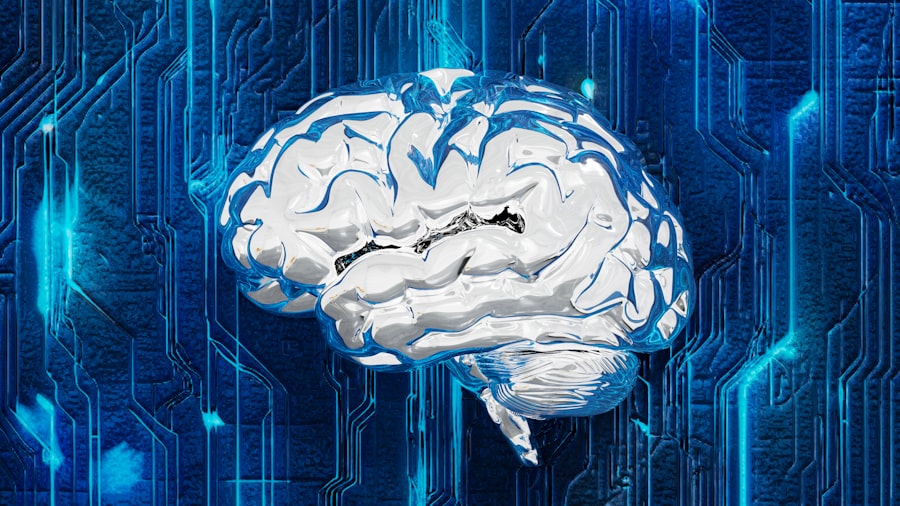
Perhaps the most profound and persistent mystery of the brain is consciousness itself. What is it that allows us to experience the world, to feel emotions, to have self-awareness, and to be you? Neuroscience has made incredible strides in understanding the neural correlates of consciousness, but the fundamental question of how subjective experience arises from physical matter remains one of science’s greatest challenges.
The Neural Correlates of Consciousness: Where Does Awareness Reside?
Scientists are actively searching for the “neural correlates of consciousness” – the specific patterns of brain activity that are associated with our subjective experience. By studying brain activity during various states of awareness, such as wakefulness, sleep, and even under anesthesia, researchers are beginning to map out the neural circuitry involved in conscious perception. It’s a painstaking process, but each discovery brings us closer to understanding the biological basis of your inner world.
The Global Neuronal Workspace Theory: A Hub of Information Integration
One prominent theory suggests that consciousness arises when information is broadcast to a “global neuronal workspace” in the brain, allowing widespread access and integration of sensory input, memories, and thoughts. This workspace acts as a central hub, making information available to various cognitive processes simultaneously, thus enabling a unified conscious experience.
The Role of Attention: Focusing Your Mental Spotlight
Attention plays a crucial role in what becomes conscious. Your brain is constantly bombarded with sensory information, but you are only consciously aware of what you attend to. This attentional spotlight highlights specific information, bringing it to the forefront of your awareness and allowing for deeper processing. You choose where to direct your mental energy, and in doing so, you shape your conscious reality.
The Enigma of Subjective Experience: The “Hard Problem”
The “hard problem” of consciousness, as coined by philosopher David Chalmers, refers to the challenge of explaining why and how physical processes in the brain give rise to subjective, qualitative experiences – the feeling of seeing red, tasting chocolate, or feeling pain. While we can identify the neural activity associated with these experiences, the leap from the physical to the phenomenal remains a profound puzzle.
The Qualia Conundrum: The Uniqueness of Your Inner World
Qualia are the subjective, qualitative properties of experience – the “what it’s like” aspect. Your experience of seeing the color blue is unique to you, and it’s incredibly difficult to convey that subjective feeling to someone else. This individuality of qualia is a core part of what makes your consciousness so personal and mysterious.
The Illusion of Free Will: Are Your Decisions Truly Your Own?
The question of free will is deeply intertwined with consciousness. Given the deterministic nature of some physical processes, some neuroscientists question the extent to which our decisions are truly free or if they are predetermined by the complex interplay of neural activity and environmental factors. This is a philosophical debate with significant implications for our understanding of responsibility and autonomy.
The Brain’s Remarkable Memory Systems: More Than Just Recalling Facts
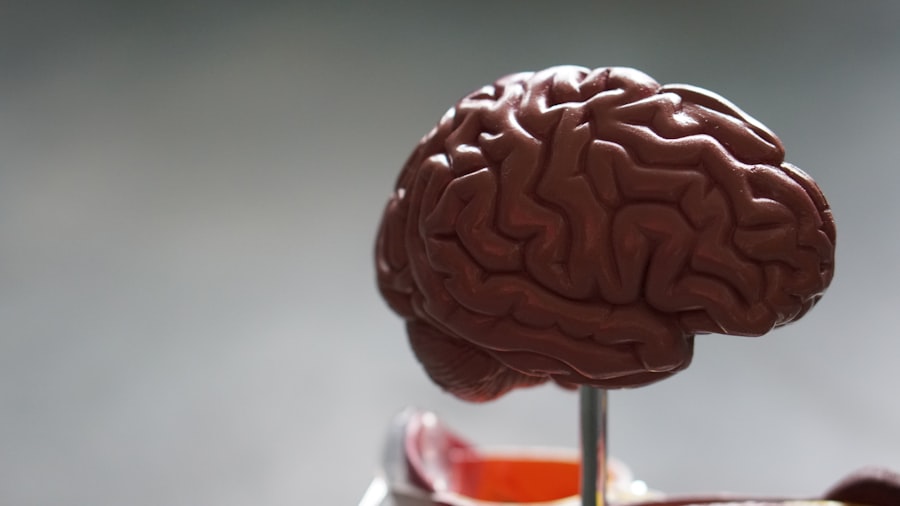
Your memory is not a single entity; it’s a sophisticated system composed of various interconnected components, each playing a vital role in storing and retrieving information. From fleeting sensory impressions to deeply ingrained life experiences, your brain is a vast archive, constantly cataloging and accessing your personal history.
Types of Memory: A Multi-Layered Storage System
Your brain utilizes different types of memory, each with distinct characteristics and durations. Understanding these distinctions reveals the intricate architecture of your mnemonic capabilities.
Short-Term Memory vs. Long-Term Memory: The Fleeting and the Enduring
Short-term memory, also known as working memory, holds information for a brief period, typically seconds to minutes, allowing you to actively process it. Long-term memory, on the other hand, can store information for days, weeks, years, or even a lifetime. The transition from short-term to long-term memory often involves a process of consolidation.
Explicit vs. Implicit Memory: Remembering What and Remembering How
Explicit memory refers to the conscious recall of facts and events (episodic memory for personal experiences, and semantic memory for general knowledge). Implicit memory, conversely, involves unconscious recall, such as learned skills and habits (procedural memory). You can ride a bike without consciously recalling every step.
The Neuroscience of Forgetting: Why Memories Fade
Forgetting is not a malfunction of your brain; it’s an essential part of memory processing. It helps to clear out irrelevant information, making room for new and important memories.
Information Decay: The Natural Fading of Unused Memories
Over time, memories that are not accessed or reinforced can naturally fade away. This process, similar to how an old photograph deteriorates, is a common form of forgetting governed by the principle of information decay.
Interference: When Other Memories Get in the Way
Sometimes, new information can interfere with the recall of old memories, or vice versa. This type of forgetting, known as interference, highlights the competitive nature of memory retrieval. Imagine trying to find a specific file on an overcrowded desk.
The Power of Mnemonic Devices: Hacking Your Memory
You can actively enhance your memory by employing mnemonic devices, techniques that help you encode information in a more memorable way.
The Method of Loci: A Mental Walkthrough for Recall
The method of loci, also known as the memory palace, involves associating information with specific locations in a familiar mental space. By taking a mental walk through this space, you can retrieve the associated information. It’s a remarkably effective technique that has been used for centuries.
Acronyms and Rhymes: Simplifying Information for Retention
Creating acronyms or catchy rhymes can simplify complex information, making it easier to remember and recall. Think of how many common phrases or song lyrics you can recall effortlessly due to their rhyming structure.
If you’re intrigued by the complexities of the brain and want to dive deeper into some remarkable insights, you might find this article on fascinating neuroscience facts particularly enlightening. It explores various aspects of how our brain functions, revealing surprising truths that challenge common perceptions. From the intricacies of neural connections to the impact of emotions on decision-making, this resource offers a captivating glimpse into the world of neuroscience.
The Brain’s Resilience and Vulnerability: A Double-Edged Sword
| Fact | Description |
|---|---|
| Brain Size | The human brain weighs about 3 pounds and is made up of 60% fat. |
| Neurons | The brain contains about 86 billion neurons. |
| Memory | The brain can store about 2.5 petabytes of information, which is equivalent to 3 million hours of TV shows. |
| Neuroplasticity | The brain has the ability to reorganize itself by forming new neural connections throughout life. |
| Consciousness | The exact mechanism of consciousness is still not fully understood by neuroscientists. |
While your brain possesses an astonishing capacity for adaptation and recovery, it is also remarkably vulnerable to damage and disease. Understanding both its strengths and weaknesses is crucial for appreciating its complexity and for promoting its health.
The Impact of Stress on the Brain: A Chronic Threat
Chronic stress can have profound and detrimental effects on your brain. Elevated levels of stress hormones, such as cortisol, can impair cognitive function, disrupt sleep patterns, and even lead to structural changes in the brain, particularly in areas associated with memory and emotional regulation.
The Amygdala’s Role in the Stress Response: Your Brain’s Alarm System
The amygdala, often referred to as the brain’s “fear center,” plays a pivotal role in the stress response. When faced with a perceived threat, the amygdala triggers the release of stress hormones, preparing your body for “fight or flight.” Chronic activation of the amygdala can lead to heightened anxiety and an increased susceptibility to stress-related disorders.
Cortisol’s Effect on the Hippocampus: Hindering Memory Formation
The hippocampus, a critical area for memory formation, is particularly sensitive to prolonged exposure to cortisol. High levels of this stress hormone can impair the hippocampus’s ability to encode new memories and can even lead to shrinkage of this vital structure. This is why severe stress can make it difficult to remember things clearly.
Neurodegenerative Diseases: The Gradual Erosion of Function
Neurodegenerative diseases, such as Alzheimer’s and Parkinson’s, represent a significant threat to brain health. These conditions involve the progressive loss of neurons and their connections, leading to a decline in cognitive and motor functions.
Alzheimer’s Disease: The Intrusion of Amyloid Plaques and Tau Tangles
Alzheimer’s disease is characterized by the accumulation of abnormal protein deposits in the brain – amyloid plaques and tau tangles – which disrupt neuronal communication and ultimately lead to neuronal death. This insidious disease gradually erodes memory, thinking skills, and personality, profoundly impacting the lives of those affected and their loved ones.
Parkinson’s Disease: The Depletion of Dopamine-Producing Neurons
Parkinson’s disease primarily affects the motor system, resulting from the progressive loss of dopamine-producing neurons in a region of the brain called the substantia nigra. This depletion of dopamine leads to the characteristic symptoms of tremors, stiffness, and slowness of movement.
Protecting Your Brain: A Lifelong Endeavor
Fortunately, there are many proactive steps you can take to protect your brain and promote its long-term health and resilience.
The Power of Sleep: Essential for Brain Health and Restoration
Adequate and quality sleep is not a luxury; it’s a necessity for optimal brain function. During sleep, your brain consolidates memories, clears out metabolic waste products, and repairs itself. Chronic sleep deprivation can have severe negative consequences for your cognitive abilities, mood, and overall health.
The Benefits of Physical Exercise: A Boost for Brain Function
Regular physical activity has been shown to have remarkable benefits for your brain. Exercise increases blood flow to the brain, promotes the growth of new neurons, and releases neurotrophic factors that support brain health and cognitive function. It’s one of the most effective ways to keep your brain sharp and resilient.
A Healthy Diet: Fueling Your Brain for Optimal Performance
The food you consume directly impacts your brain’s structure and function. A diet rich in fruits, vegetables, whole grains, and healthy fats provides the essential nutrients your brain needs to operate at its best. Conversely, highly processed foods and excessive sugar can negatively affect cognitive function and increase the risk of various brain-related disorders.
Your brain is an unfathomable landscape, a universe within. The more you learn about its astonishing power, its intricate workings, and its remarkable resilience, the more you will appreciate the extraordinary gift that each of you possesses. It’s a testament to nature’s boundless creativity, a constant source of wonder, and the very essence of who you are.

Why Paper Cuts Hurt (It’s Not What You Think)
FAQs
What are some fascinating facts about the human brain?
– The human brain is made up of about 86 billion neurons.
– The brain uses about 20% of the body’s total energy.
– The brain can process an image that the eye sees for as little as 13 milliseconds.
How does the brain process and store memories?
– Memories are formed when neurons in the brain communicate with each other.
– The hippocampus is the part of the brain responsible for forming new memories.
– Memories are stored in different areas of the brain depending on the type of memory.
What are some interesting facts about brain development in children?
– A child’s brain grows to about 90% of its adult size by the age of 6.
– The brain’s plasticity allows children to learn new skills and languages more easily than adults.
– The first few years of a child’s life are crucial for brain development.
How does the brain control emotions and behavior?
– The amygdala is the part of the brain responsible for processing emotions.
– The prefrontal cortex helps regulate emotions and control impulsive behavior.
– Neurotransmitters such as dopamine and serotonin play a role in regulating mood and behavior.
What are some surprising facts about the brain’s ability to adapt and change?
– The brain can rewire itself in response to new experiences and learning.
– Neuroplasticity allows the brain to recover from injuries and adapt to changes in the environment.
– Learning a new skill can lead to physical changes in the brain’s structure.