
Your body is a marvel, a symphony of coordinated movements, intricate thoughts, and constant upkeep. And at the heart of this incredible orchestra lies a system so complex and vital, you often forget it’s even there: your nervous system. Yet, without it, you wouldn’t be you. It’s the ultimate communicator, the rapid-fire messenger that allows you to experience the world, react to it, and control your own existence. Get ready to dive deep into the amazing nervous system and discover just how your body talks to itself.
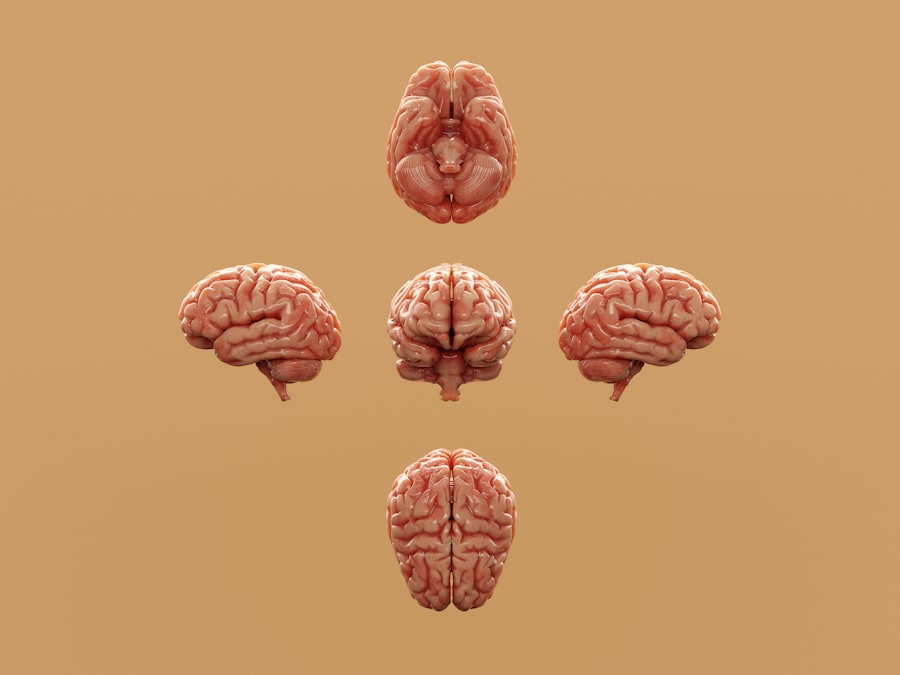
Imagine the most advanced supercomputer ever conceived, capable of processing an unimaginable amount of data in mere nanoseconds. That’s a pale imitation of your brain. This three-pound (approximately 1.4 kg) powerhouse is the central hub, the command and control center for your entire nervous system. It’s where consciousness resides, where memories are forged, and where every decision, from the most profound to the most mundane, originates.
The Architecture of Thought
Your brain isn’t just a blob. It’s a meticulously organized structure, comprised of billions of specialized cells called neurons, all interconnected in a web of unparalleled complexity. Understanding its basic architecture is key to appreciating its immense power.
The Cerebrum: The Seat of Higher Functions
The largest part of your brain, the cerebrum, is responsible for all your conscious thoughts and actions. It’s divided into two hemispheres, left and right, each specializing in different functions. The outer layer, the cerebral cortex, is where the magic truly happens. This wrinkled, grey matter is the focal point for language, memory, reasoning, problem-solving, and even your personality. Think of it as your personal operating system, constantly running complex programs.
Lobes of the Cerebrum: Specialized Workstations
Within the cerebrum, distinct regions, or lobes, are dedicated to specific tasks. This division of labor allows for efficient processing of information.
- Frontal Lobe: Located at the front of your head, this is your executive decision-maker. It’s involved in planning, impulse control, voluntary movement, and social behavior. It’s what allows you to resist eating that tempting cake before dinner (or to strategically plan your attack on it later).
- Parietal Lobe: Situated behind the frontal lobe, this area is your spatial awareness and sensory integration center. It processes information about touch, temperature, pain, and pressure. It’s how you know where your hand is without looking, or feel the warmth of the sun on your skin.
- Temporal Lobe: Located beneath the parietal lobe, this lobe plays a crucial role in hearing, memory, and language comprehension. It’s where you process the sounds of your favorite song, recall a past experience, or understand the words you’re reading right now.
- Occipital Lobe: Found at the back of your head, this lobe is dedicated to processing visual information. It’s what allows you to see the world around you, recognize faces, and interpret images. Without it, your world would be a silent, dark void.
The Cerebellum: The Master of Coordination
Nestled at the back of your brain, beneath the cerebrum, is the cerebellum. Don’t let its smaller size fool you; its role is paramount. The cerebellum is the conductor of your voluntary movements. It refines motor commands from the cerebrum, ensuring your movements are smooth, precise, and coordinated. Every time you walk, ride a bike, tie your shoes, or even reach for a glass of water without spilling, you’re thanking your cerebellum. It’s the unsung hero of every athletic feat, every graceful dance move, and every perfectly executed task.
The Brainstem: The Life Support System
Connecting your cerebrum and cerebellum to your spinal cord, and ultimately to the rest of your body, is the brainstem. This essential structure is responsible for many of your body’s automatic functions, the ones you don’t even have to think about. It regulates your breathing, heart rate, blood pressure, sleep-wake cycles, and digestion. It’s the vital link that keeps you alive, functioning even when you’re unconscious.
The Power of Neurons: The Building Blocks of Communication
The brain, and indeed the entire nervous system, is built from specialized cells called neurons. Think of them as tiny electrical wires, capable of transmitting signals at incredible speeds across vast distances.
Structure of a Neuron: A Communication Network
Each neuron has a distinct structure, optimized for its communication role.
- Cell Body (Soma): This is the main part of the neuron, containing the nucleus and other essential organelles. It’s like the control center of the individual neuron.
- Dendrites: These are branch-like extensions that receive signals from other neurons. They act as the “antennae” of the neuron, picking up incoming messages.
- Axon: This is a long, slender projection that transmits electrical signals away from the cell body to other neurons, muscles, or glands. It’s the “transmission cable” of the neuron.
- Axon Terminals: These are the branched endings of the axon that transmit the signal to the next cell. At these terminals, the electrical signal is converted into a chemical signal.
The Electrochemical Dance: How Neurons Communicate
The communication between neurons is a fascinating electrochemical process.
- Action Potential: When a neuron receives enough stimulation, it generates an electrical impulse called an action potential. This impulse travels down the axon like a wave of electricity.
- Synapse: The gap between two neurons is called a synapse. When the action potential reaches the axon terminal, it triggers the release of chemical messengers called neurotransmitters into the synapse.
- Neurotransmitters: These chemicals bind to receptors on the dendrites of the next neuron, either exciting it to fire its own action potential or inhibiting it from doing so. This intricate signaling allows for the complex processing of information throughout your nervous system.
Understanding how your nervous system works is crucial for grasping the complexities of human behavior and bodily functions. For a deeper dive into this fascinating topic, you can explore a related article that provides insights into the various components and functions of the nervous system. Check it out here: Understanding the Nervous System. This resource offers valuable information that can enhance your knowledge and appreciation of how our bodies communicate and respond to the world around us.
The Information Highway: Your Spinal Cord
Extending from the base of your brainstem, the spinal cord is a thick bundle of nerves that serves as the primary pathway for information traveling between your brain and the rest of your body. It’s your central information highway, diligently carrying messages in both directions.
A Two-Way Street of Signals
The spinal cord is a marvel of biological engineering, designed for efficient and rapid communication.
Ascending Tracts: Sending Messages Upwards
Information from your body, such as sensations of touch, pain, temperature, and pressure, travels up the spinal cord to the brain via ascending tracts. These tracts are like dedicated lanes on your information highway, ensuring that sensory input reaches the brain for interpretation.
Descending Tracts: Sending Commands Downwards
Conversely, the brain sends commands for movement and other actions down the spinal cord via descending tracts. These tracts are the outbound lanes, carrying instructions from your central command center to your muscles and organs.
Reflexes: The Body’s Instant Reactions
One of the spinal cord’s most remarkable functions is its involvement in reflexes. These are involuntary, rapid responses to stimuli that bypass the brain for immediate action, protecting you from harm.
The Reflex Arc: A Direct Route to Safety
A reflex arc is a neural pathway that controls a reflex. For example, when you touch a hot stove, sensory receptors in your skin send a signal directly to your spinal cord. The spinal cord then immediately sends a motor signal back to your muscles to pull your hand away, all before you even consciously register the pain. This shortcut is crucial for quick survival.
The Extensive Network: Your Peripheral Nervous System

While the brain and spinal cord form the central nervous system (CNS), the vast network of nerves extending throughout your body constitutes the peripheral nervous system (PNS). This is your internal communication network, reaching every nook and cranny of your being.
Connecting the Dots: Nerves and Ganglia
The PNS is comprised of nerves, which are bundles of axons from many neurons, and ganglia, which are clusters of neuron cell bodies. These structures act as messengers, carrying signals to and from the CNS.
Cranial Nerves: Direct Lines from the Head
Twelve pairs of cranial nerves originate directly from the brain and brainstem, serving functions in the head and neck. These nerves control everything from your sense of smell and sight to your facial expressions and swallowing.
Spinal Nerves: Branches Throughout the Body
Thirty-one pairs of spinal nerves emerge from the spinal cord, branching out to serve the rest of your body. These nerves carry both sensory and motor information, connecting your limbs, torso, and internal organs to the CNS.
Divisions of the PNS: Two Key Roles
The PNS is further divided into two functional systems, each with its own specific responsibilities.
The Somatic Nervous System: Voluntary Control
This system controls your voluntary movements. It includes motor neurons that transmit signals from the CNS to your skeletal muscles, allowing you to consciously move your arms, legs, and other body parts. It’s your direct control panel for interacting with the external world.
The Autonomic Nervous System: Involuntary Control
This is the maestro of your internal world, controlling all the involuntary functions that keep you alive without you even thinking about them. It regulates your heart rate, digestion, breathing, and glandular secretions. It’s the silent guardian of your bodily processes.
The Sympathetic Nervous System: The “Fight-or-Flight” Response
This branch of the autonomic nervous system is your body’s alarm system. When you encounter a stressful or dangerous situation, the sympathetic nervous system kicks into gear, preparing you for action. Your heart rate increases, your pupils dilate, and your muscles receive more blood – all to help you either fight the threat or flee from it.
The Parasympathetic Nervous System: The “Rest-and-Digest” Response
In contrast, the parasympathetic nervous system is responsible for conserving energy and promoting calm. It slows your heart rate, aids digestion, and generally keeps your body in a state of relaxation. It’s your body’s way of calming down after a stressful event or during periods of rest.
Sensing the World: Sensory Receptors
Your nervous system doesn’t just send signals; it also receives them. This is made possible by specialized sensory receptors scattered throughout your body. These receptors are the translators of your environment, converting physical stimuli into electrical signals that your nervous system can understand.
The Five Main Senses: Your Windows to the World
While you might think of senses as just sight, hearing, smell, taste, and touch, the reality is far more intricate. Your nervous system is constantly gathering information from a multitude of sensory inputs.
Mechanoreceptors: Responding to Pressure and Movement
These receptors are responsible for your sense of touch, pressure, and vibration. They are found in your skin, muscles, and organs, allowing you to feel the texture of an object, the pressure of a hug, or the subtle vibrations of sound waves.
Photoreceptors: Capturing Light for Vision
Located in your eyes, photoreceptors (rods and cones) are responsible for converting light into electrical signals that your brain interprets as images. Your ability to see the vibrant colors of a sunset or the intricate details of a book page is thanks to these specialized cells.
Chemoreceptors: Detecting Chemicals
These receptors are responsible for your senses of taste and smell. They detect specific chemical molecules in the air or in your food, allowing you to savor a delicious meal or detect the scent of a loved one. Your body also has internal chemoreceptors that monitor the levels of various substances in your blood.
Thermoreceptors: Feeling the Heat and Cold
Found in your skin and internal organs, thermoreceptors detect changes in temperature. They alert you to the warmth of a campfire or the cold bite of a winter breeze, helping you to regulate your body temperature and avoid extreme conditions.
Nociceptors: The Pain Signals
These receptors are your body’s alarm system for damage. When tissues are injured, nociceptors are activated, sending pain signals to your brain. While unpleasant, the sensation of pain is crucial for survival, warning you to withdraw from harmful stimuli and to protect injured areas.
Understanding how your nervous system works is crucial for grasping the complexities of human behavior and bodily functions. The nervous system acts as the body’s communication network, transmitting signals between different parts of the body and the brain. For a deeper dive into the intricacies of this fascinating system, you can explore a related article that provides insights into its various components and functions. Check out this informative resource at Freaky Science to learn more about the amazing ways our nervous system influences our daily lives.
Maintaining Harmony: Homeostasis and Neurological Health
| Aspect | Function |
|---|---|
| Neurons | Transmit electrical signals |
| Synapses | Transfer signals between neurons |
| Central Nervous System | Processes and interprets information |
| Peripheral Nervous System | Connects the central nervous system to the rest of the body |
| Autonomic Nervous System | Controls involuntary functions such as heart rate and digestion |
Your nervous system plays a critical role in maintaining homeostasis, the stable internal environment necessary for your body to function optimally. From regulating body temperature to balancing blood sugar levels, your nervous system is constantly working behind the scenes.
The Delicate Balance
The autonomic nervous system, with its sympathetic and parasympathetic branches, is a primary driver of homeostasis. It ensures that your internal conditions remain within a narrow, healthy range, even when faced with external changes.
Keeping Your Nervous System Healthy
Because your nervous system is so vital, keeping it healthy is paramount. This involves a combination of lifestyle choices and awareness.
The Importance of Sleep
During sleep, your brain consolidates memories, clears out waste products, and repairs itself. Consistent, quality sleep is essential for optimal nervous system function and cognitive health.
Nutrition for the Brain
Your brain needs specific nutrients to thrive, including omega-3 fatty acids, antioxidants, and B vitamins. A balanced diet rich in fruits, vegetables, whole grains, and healthy fats can provide the building blocks for a healthy nervous system.
Mental Stimulation and Learning
Just like muscles, your brain benefits from being challenged. Engaging in activities that require learning, problem-solving, and critical thinking can help build new neural connections and maintain cognitive function throughout your life.
Stress Management
Chronic stress can have damaging effects on your nervous system. Finding healthy ways to manage stress, such as through exercise, meditation, or mindfulness, is crucial for both your mental and physical well-being.
Your nervous system is a testament to the incredible complexity and resilience of life. It’s the invisible force that allows you to experience the richness of the world, to interact with it, and to be the unique individual you are. By understanding more about how this amazing system works, you can develop a deeper appreciation for your own body and the efforts you can take to keep this extraordinary communicator in peak condition.

Why Paper Cuts Hurt (It’s Not What You Think)
FAQs
What is the nervous system?
The nervous system is a complex network of nerves and cells that transmit signals between different parts of the body. It is responsible for coordinating and controlling bodily functions and processes.
What are the main components of the nervous system?
The nervous system is divided into two main parts: the central nervous system (CNS), which includes the brain and spinal cord, and the peripheral nervous system (PNS), which includes all the nerves outside of the CNS.
How does the nervous system transmit signals?
The nervous system transmits signals through a combination of electrical and chemical processes. Nerve cells, or neurons, communicate with each other through electrical impulses and the release of neurotransmitters.
What are the functions of the nervous system?
The nervous system controls and regulates all bodily functions, including movement, sensation, thought processes, and the regulation of internal organs. It also plays a crucial role in the body’s response to external stimuli and the coordination of voluntary and involuntary actions.
What are some common nervous system disorders?
Some common nervous system disorders include Alzheimer’s disease, Parkinson’s disease, multiple sclerosis, epilepsy, and peripheral neuropathy. These disorders can affect various aspects of nervous system function, leading to a wide range of symptoms and complications.