
The Alpine Fault, a geological behemoth snaking across New Zealand’s South Island, represents one of the world’s most significant and active plate boundaries. Its notoriety stems not just from its impressive length and transpressional nature, but from its remarkably consistent and predictable seismic behavior. Understanding the recurrence of earthquakes on the Alpine Fault is not merely an academic exercise; it is a critical endeavor for a nation perched precariously atop a dynamic geological landscape. This article delves into the methodologies and findings associated with predicting earthquake recurrence on the Alpine Fault, exploring the complexities and implications of this ongoing scientific quest.
The Alpine Fault is a right-lateral strike-slip fault with a significant dip-slip component, making it a transpressional plate boundary. It marks the collision zone between the Australian and Pacific Plates, accommodating a substantial portion of the relative plate motion. Its surface manifestation is visible as a dramatic linear incision through the Southern Alps, a testament to billions of years of tectonic activity.
Anatomy of a Major Plate Boundary
The fault extends for approximately 600 kilometers, from Milford Sound in the southwest to the Marlborough Sounds in the northeast. Its orientation changes along its length, influencing the interplay between strike-slip and reverse faulting. This geometric variability, as you will see, has implications for rupture propagation and the distribution of stress.
Historical Seismicity and its Legacy
While instrumental records of Alpine Fault earthquakes are relatively short, spanning only a few decades, geological evidence provides a much longer and richer narrative. Paleoseismic investigations, like reading a geological diary, have unearthed a remarkably consistent history of large magnitude earthquakes. These prehistoric events, often exceeding magnitude 8, have left clear signatures in the landscape, from displaced river terraces to faulted sediment layers.
Plate Tectonics in Action
The average slip rate along the Alpine Fault is estimated to be between 27 and 30 millimeters per year, a substantial figure that underscores the immense forces at play. This continuous motion, like the slow grinding of massive gears, builds strain within the Earth’s crust until it is abruptly released in an earthquake. This fundamental principle underpins all discussions of earthquake recurrence.
Recent studies have focused on the recurrence interval of earthquakes along the Alpine Fault, which is crucial for understanding seismic risks in New Zealand. For more insights into the geological factors influencing these earthquakes, you can refer to an informative article on the topic at Freaky Science. This resource delves into the mechanics of fault lines and the historical patterns of seismic activity, providing a comprehensive overview of the factors that contribute to earthquake frequency in this region.
Paleoseismology: Unearthing the Past
Paleoseismology, the study of ancient earthquakes, is the cornerstone of understanding Alpine Fault recurrence. By meticulously excavating and analyzing geological trenches across the fault trace, scientists reconstruct past seismic events, providing a much-needed long-term perspective. These investigations are akin to forensic examinations of the Earth itself, deciphering clues left behind by powerful geological forces.
Trenching and Radiocarbon Dating
The primary technique involves excavating trenches across the fault, exposing layers of sediment that have been offset or deformed by past ruptures. Scientists then identify specific stratigraphic markers, such as organic soil horizons or volcanic ash layers, that have been broken or displaced. Radiocarbon dating of organic material found within these layers provides age constraints for the recorded seismic events. This meticulous process helps to build a chronological sequence of earthquakes.
Identifying Recurrent Events
By correlating disturbed layers across multiple trenches along the fault, researchers can identify distinct rupture events. The displacement of specific geological features, such as abandoned river channels or alluvial fans, also provides valuable information about the magnitude and sense of movement during these prehistoric earthquakes. Scientists look for patterns in these displacements, seeking to confirm whether the events observed in trenches are indeed part of a larger fault-wide rupture.
The Holocene Record: A Glimpse into the Future
Paleoseismic studies have revealed that the Alpine Fault has ruptured, on average, every 291 ± 23 years over the past 8,000 years, with the last major event occurring in 1717 AD. This remarkably consistent recurrence interval is a key piece of information for seismic hazard assessment. This mean recurrence interval, as you will appreciate, is not a guarantee that the next earthquake will occur exactly 291 years after the last, but rather a statistical average. Indeed, variations around this mean are anticipated and observed in the paleoseismic record.
Probabilistic Seismic Hazard Assessment
Given the long recurrence interval and the relatively short period of instrumental observation, probabilistic seismic hazard assessment (PSHA) becomes an indispensable tool for understanding future earthquake probabilities on the Alpine Fault. PSHA integrates geological data, seismic history, and ground motion models to estimate the likelihood of exceeding certain ground motion levels at a given location over a specified time period.
Time-Dependent vs. Time-Independent Models
For the Alpine Fault, considering the highly regular recurrence, time-dependent models are particularly relevant. Unlike time-independent models which assume that the probability of an earthquake is constant regardless of past events, time-dependent models explicitly consider the elapsed time since the last major rupture. As the time since the last event increases, the perceived probability of the next event also generally increases, reflecting the gradual accumulation of stress on the fault. It’s like a ticking clock, where the chances of it striking twelve increase with each passing second.
Incorporating Geodetic Data
Modern geodetic techniques, such as GPS measurements, provide invaluable real-time data on crustal deformation across the Alpine Fault. These measurements quantify the rate at which strain is accumulating across the fault zone. By integrating this geodetic strain rate into PSHA models, scientists can refine their estimates of the current seismic hazard, essentially calibrating the ticking clock with real observations of its movement. This allows for a more nuanced understanding of where the fault is in its seismic cycle.
Uncertainty and Sensitivity Analysis
It is crucial to acknowledge that PSHA involves inherent uncertainties. These stem from limitations in geological data, variations in ground motion models, and the natural variability of earthquake processes. Robust PSHA studies include comprehensive uncertainty analysis and sensitivity testing to understand how variations in input parameters influence the estimated probabilities. This ensures a transparent and scientifically sound assessment, recognizing the boundaries of our predictive capabilities.
The Seismic Cycle and Anticipated Rupture
The concept of the seismic cycle is fundamental to understanding earthquake recurrence on the Alpine Fault. It describes the repeated process of stress accumulation, rupture, and subsequent stress release on a fault. For the Alpine Fault, which consistently produces large, full-rupture events, this cycle is particularly well-defined.
Stress Accumulation
Between earthquakes, the continuous motion of the Australian and Pacific plates causes stress to build up along the locked sections of the Alpine Fault. This accumulation of elastic strain energy is akin to stretching a giant rubber band, slowly but inexorably increasing the tension. The rate of this accumulation is directly related to the plate convergence rate.
Rupture Initiation and Propagation
When the accumulated stress exceeds the strength of the fault, a rupture event initiates. On a fault as long and mature as the Alpine Fault, these ruptures typically propagate along a significant portion of its length, sometimes for hundreds of kilometers. The complex geometry of the fault, with bends and steps, can influence the speed and extent of rupture propagation, potentially leading to variations in perceived shaking intensity along its length.
Post-Seismic Relaxation
Following a major earthquake, the fault undergoes a period of post-seismic relaxation, characterized by slower, aseismic deformation. This process, often involving aftershocks and viscous flow in the lower crust and mantle, helps to redistribute stress and gradually return the fault system to a pre-rupture state. This relaxation phase, like the settling of a strained spring, can last for decades, and its understanding is crucial for refining long-term earthquake forecasts.
Implications for Preparedness
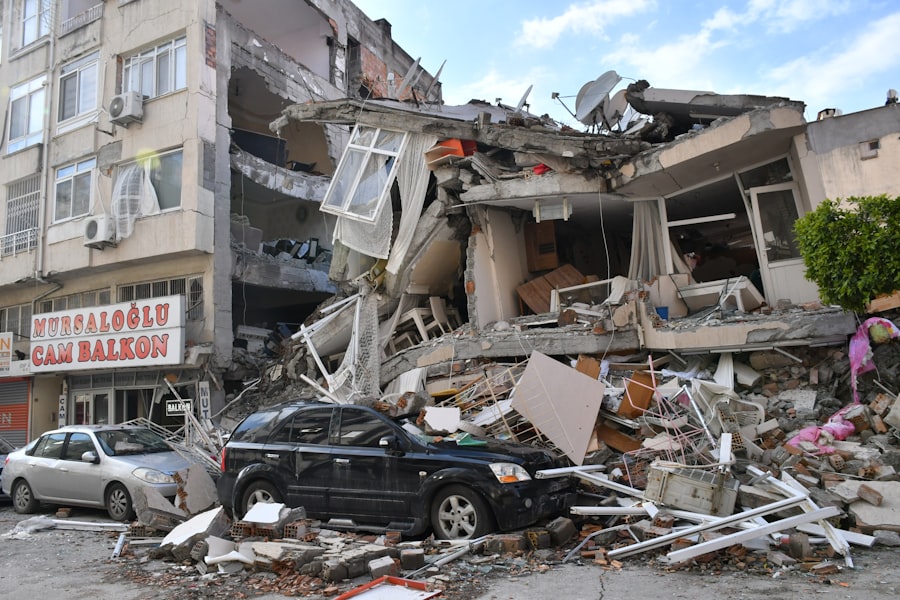
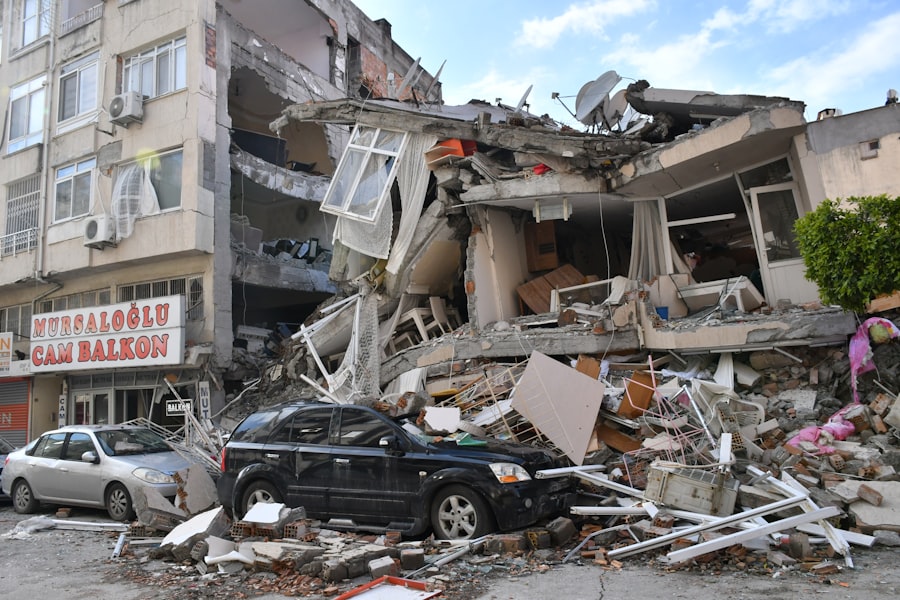
The last major rupture on the Alpine Fault occurred in 1717. With a mean recurrence interval of approximately 291 years, the fault is now well into its typical seismic cycle. This elevated probability of a future large earthquake underscores the critical need for comprehensive earthquake preparedness measures across New Zealand, particularly on the South Island. For you, the reader, this translates into understanding the risks and preparing accordingly.
Recent studies have shed light on the recurrence interval of earthquakes along the Alpine Fault, which is crucial for understanding seismic risks in New Zealand. For a deeper insight into this topic, you can explore a related article that discusses the geological factors influencing these intervals and their implications for local communities. This information is vital for preparedness and risk mitigation strategies. To read more, visit this article.
Project AF8 and Scientific Collaboration
| Metric | Value | Unit | Notes |
|---|---|---|---|
| Average Recurrence Interval | 300 | Years | Estimated average time between major earthquakes on the Alpine Fault |
| Last Major Earthquake | 1717 | Year | Year of the most recent large rupture event |
| Recurrence Interval Range | 200 – 400 | Years | Range of estimated recurrence intervals based on paleoseismic data |
| Slip Rate | 27 | mm/year | Average horizontal slip rate along the fault |
| Probability of Rupture in Next 50 Years | 30 – 40 | % | Estimated likelihood of a major earthquake occurring within 50 years |
Responding effectively to a potential Alpine Fault earthquake requires extensive planning and scientific collaboration. Project AF8 is a proactive initiative dedicated to understanding and preparing for the impacts of a major rupture on the Alpine Fault. It represents a living example of scientific knowledge being translated directly into practical preparedness strategies.
A Multi-Agency Response Framework
Project AF8 brings together scientists, emergency management agencies, local authorities, and communities to develop a coordinated and integrated response framework. It considers various rupture scenarios and their potential cascading impacts, including widespread infrastructural damage, landslides, tsunamis, and disruption to essential services. This holistic approach ensures that preparedness efforts are comprehensive and address the full spectrum of potential consequences.
Simulated Scenarios and Impact Modeling
A crucial aspect of Project AF8 involves realistic scenario planning. Scientists use sophisticated computational models to simulate the likely ground motions, geological hazards, and societal impacts of different Alpine Fault rupture scenarios. These simulations, like training exercises for a complex mission, help emergency managers to identify vulnerabilities, allocate resources effectively, and develop robust response protocols.
Public Engagement and Education
Effective disaster preparedness hinges on informed and resilient communities. Project AF8 actively engages with the public through educational initiatives, workshops, and communication campaigns. By raising awareness of the Alpine Fault hazard and promoting individual and community preparedness actions, the project aims to foster a culture of resilience throughout the South Island. For you, this means understanding the “Drop, Cover, Hold” message, having an emergency kit, and knowing your local evacuation routes.
International Collaboration and Knowledge Exchange
The Alpine Fault is a global natural laboratory for studying large strike-slip earthquakes. New Zealand scientists actively collaborate with international researchers, sharing data, methodologies, and expertise. This international exchange of knowledge enriches our understanding of fault behavior and contributes to advancements in earthquake science worldwide. It’s a global conversation, and New Zealand is a crucial participant.
In conclusion, the Alpine Fault stands as a remarkable geological subject, offering invaluable insights into the workings of Earth’s dynamic crust. Through sustained paleoseismic investigations, sophisticated probabilistic modeling, and proactive preparedness initiatives like Project AF8, scientists are progressively refining our understanding of its earthquake recurrence. While the exact timing of the next “Big One” remains elusive, the weight of evidence suggests that the Alpine Fault is indeed due for its next major rupture. This understanding is not a cause for alarm, but rather a powerful impetus for informed action, ensuring that New Zealanders are as prepared as possible for the inevitable seismic event to come. The Alpine Fault, in its majestic and relentless cycle, continues to remind humanity of the profound forces that shape our planet.

WARNING: The 8th Continent Is Moving
FAQs
What is the Alpine Fault?
The Alpine Fault is a major geological fault line that runs almost the entire length of New Zealand’s South Island. It marks the boundary between the Pacific and Australian tectonic plates and is known for producing large earthquakes.
What does “earthquake recurrence interval” mean?
The earthquake recurrence interval refers to the average time period between significant earthquakes occurring on a specific fault. It helps scientists estimate how often major seismic events might happen in a given area.
What is the typical recurrence interval for earthquakes on the Alpine Fault?
Studies indicate that large earthquakes on the Alpine Fault typically occur every 200 to 300 years, although this interval can vary. The last major earthquake on the fault occurred in 1717.
Why is understanding the Alpine Fault earthquake recurrence interval important?
Knowing the recurrence interval helps in assessing seismic risk, preparing for future earthquakes, and implementing building codes and emergency response plans to reduce potential damage and loss of life.
How do scientists determine the recurrence interval of Alpine Fault earthquakes?
Scientists use geological evidence such as sediment layers, fault trenching, radiocarbon dating, and historical records to identify past earthquakes and estimate the timing between them, which helps calculate the recurrence interval.