Here is an article about testing retropharyngeal lymph nodes in deer, written in the third person, factual style, and without a title.
The presence of retropharyngeal lymph nodes in deer, and the processes involved in their testing, represent a critical intersection of wildlife health, disease surveillance, and public safety. These seemingly inconspicuous anatomical structures serve as crucial indicators for several transmissible diseases, most notably Chronic Wasting Disease (CWD). Understanding the significance of these nodes, the methods used for their detection, and the implications of testing is vital for those involved in wildlife management, veterinary diagnostics, and public health initiatives. This article will delve into the intricacies of testing retropharyngeal lymph nodes in deer, providing a comprehensive overview of their role, the methodologies employed, and the broader context of disease surveillance.
The retropharyngeal lymph nodes are a cluster of lymphoid tissue located at the back of the throat, posterior to the pharynx. They are a key component of the reticuloendothelial system, a network responsible for filtering lymph fluid and housing immune cells.
Location and Identification
- Anatomical Placement: These lymph nodes are situated in a region that is readily accessible during the field dressing of a harvested deer. Specifically, they are found in the soft tissues dorsal to the larynx and esophagus, within the pharyngeal region. Their precise location can vary slightly between individual animals, but they generally form a recognizable, albeit small, aggregation of tissue.
- Gross Appearance: In a healthy, uninfected state, retropharyngeal lymph nodes typically appear as small, bean-shaped structures. They are usually pale to pinkish in color and have a smooth surface. Their size can vary depending on the age and health of the deer, but they are generally not significantly enlarged or discolored under normal circumstances.
- Comparison to Other Lymph Nodes: While deer possess numerous lymph nodes throughout their bodies, the retropharyngeal nodes are of particular interest for specific diseases. Other lymph nodes, such as those in the mandibular, prescapular, or popliteal regions, may also be sampled for diagnostic purposes depending on the suspected pathogen. However, the retropharyngeal nodes hold a unique prominence in CWD testing due to their anatomical position and propensity to accumulate prions.
Role in the Immune System
- Lymph Filtration: As lymph fluid circulates throughout the body, it passes through lymph nodes. These nodes act as biological sieves, trapping pathogens, foreign particles, and abnormal cells. The retropharyngeal lymph nodes, due to their location, are involved in filtering lymph from the head and upper respiratory tract.
- Immune Cell Hub: Lymph nodes are densely populated with immune cells, including lymphocytes (T cells and B cells) and macrophages. Within these nodes, these cells interact to identify and neutralize threats. B cells can develop into plasma cells that produce antibodies, while T cells play roles in cell-mediated immunity, including the destruction of infected cells.
- Early Detection of Infection: Due to their filtering function, lymph nodes can be among the first sites where a disseminating infection becomes detectable. The presence of increased cellular activity, swelling, or changes in tissue architecture within a lymph node can signal an ongoing immune response. In the context of certain diseases, the pathogenic agent itself may colonize and proliferate within these lymphoid tissues.
Recent studies have highlighted the importance of retropharyngeal lymph nodes testing in deer populations for detecting diseases such as chronic wasting disease (CWD). This testing can provide crucial insights into the health of wildlife and help in managing disease spread. For more detailed information on this topic, you can refer to the article available at Freaky Science.
Chronic Wasting Disease (CWD) and Retropharyngeal Lymph Nodes
Chronic Wasting Disease is a fatal, transmissible spongiform encephalopathy (TSE) that affects cervids, including deer, elk, and moose. Its presence has raised significant concerns for wildlife populations and, potentially, for human health. The retropharyngeal lymph nodes are a primary target for CWD, making them a fundamental component of diagnostic testing.
CWD Pathogenesis in Deer
- The Prion Agent: CWD is caused by misfolded prion proteins (PrPSc). Normal prion proteins (PrPC) are found in the tissues of healthy animals, but when they come into contact with PrPSc, they can be induced to misfold into the abnormal form. This misfolding process is self-propagating, leading to a cascade of misfolding and the accumulation of PrPSc in the nervous system and lymphoid tissues.
- Tissues Affected: The hallmark of TSEs is the progressive accumulation of PrPSc in the brain, leading to spongiform degeneration and neurological dysfunction. However, PrPSc is not confined to the central nervous system. In CWD, it is also readily found in peripheral lymphoid tissues, including the retropharyngeal lymph nodes, tonsils, spleen, and Peyer’s patches in the gut.
- Route of Transmission: CWD is believed to be transmitted through direct animal-to-animal contact, as well as indirectly through environmental contamination. Prions are exceptionally stable and can persist in the environment (soil, vegetation) for extended periods. Infected animals shed prions in their saliva, urine, feces, and carcasses, contributing to environmental reservoirs.
Why Retropharyngeal Nodes are Pivotal for CWD Testing
- Early Accumulation of Prions: Research has shown that PrPSc can be detected in the retropharyngeal lymph nodes early in the course of infection, often before significant clinical signs become apparent. This makes these nodes an excellent indicator of infection even in seemingly healthy animals.
- Accessibility for Sampling: As mentioned previously, their location makes them relatively accessible during the field dressing of harvested deer. This is a critical factor for large-scale wildlife surveillance programs, as it allows for the collection of diagnostic samples without requiring invasive necropsies in the field.
- High Prion Load: In infected animals, the retropharyngeal lymph nodes can harbor a substantial load of CWD prions, making them a reliable source for diagnostic testing. This high concentration of the target agent increases the sensitivity of the diagnostic assays used.
- Diagnostic Marker: The detection of PrPSc in retropharyngeal lymph nodes provides a definitive diagnosis of CWD in deer. This information is indispensable for understanding the prevalence and distribution of the disease within a population.
Methods for Testing Retropharyngeal Lymph Nodes
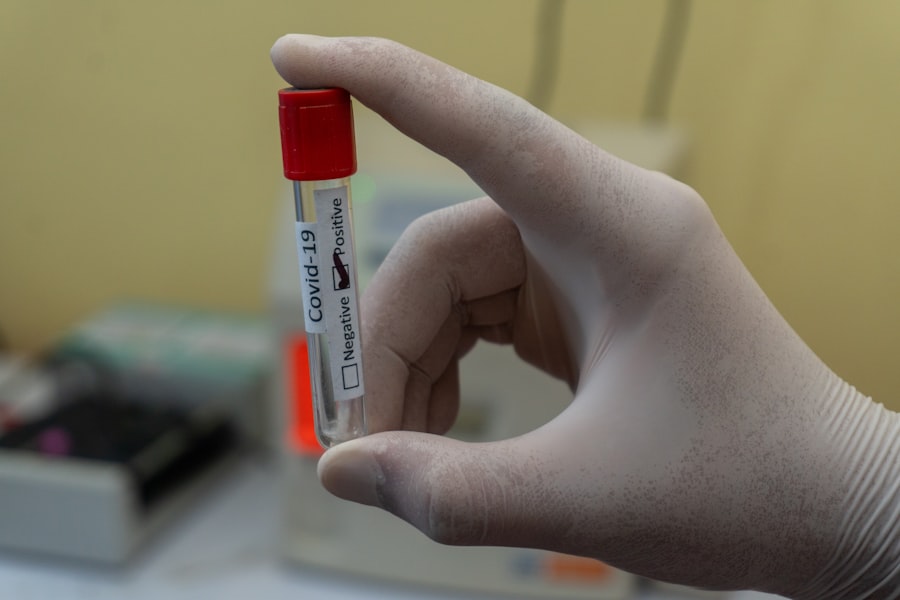
The diagnosis of CWD in retropharyngeal lymph nodes relies on highly sensitive and specific laboratory techniques that detect the presence of the abnormal prion protein. These methods are the workhorses of CWD surveillance.
Sample Collection and Preparation
- Field Collection: For hunter-harvested deer, tissue samples containing the retropharyngeal lymph nodes are typically collected by trained personnel or by hunters themselves following established protocols. The goal is to obtain sufficient tissue, often an entire node or a significant portion of it, to ensure adequate diagnostic material. The samples are then promptly frozen or placed in a preservative solution to maintain their integrity until they reach the laboratory.
- Laboratory Processing: Upon arrival at the laboratory, collected lymph node tissues undergo further processing. This can involve homogenization, to break down the tissue and release the prions, and concentration steps to increase the yield of PrPSc for detection. The exact preparation protocol can vary depending on the specific diagnostic assay being employed.
- Chain of Custody: Maintaining a strict chain of custody for all samples is paramount. This ensures that the results can be reliably traced back to the specific animal and location, which is essential for disease management and epidemiological investigations. Each sample is meticulously logged and tracked throughout the testing process.
Diagnostic Assays for CWD Detection
- Immunohistochemistry (IHC): This technique utilizes antibodies that specifically bind to prion proteins. The tissue sample is thinly sliced and stained with these antibodies. The presence of PrPSc is then visualized under a microscope. IHC is a gold standard for CWD diagnosis and can provide information about the distribution of prions within the tissue.
- Enzyme-Linked Immunosorbent Assay (ELISA): ELISA-based tests involve immobilizing antibodies on a plate or test strip. The tissue homogenate is added, and if PrPSc is present, it binds to the antibodies. A detection system, often involving an enzyme and a colored substrate, is then used to quantify the amount of PrPSc. ELISAs are generally faster and can be automated, making them suitable for high-throughput testing.
- Western Blot: This method separates proteins based on their size. PrPSc has a slightly different molecular weight than normal PrPC after specific enzyme treatment. Prions are then detected using antibodies. Western blots are highly specific and can differentiate between PrPSc and PrPC.
- Real-Time Quaking-Induced Conversion (RT-QuIC): RT-QuIC is a newer, highly sensitive assay that amplifies the prion seeding activity in a sample. It mimics the misfolding process in vitro, allowing for the detection of even very small amounts of PrPSc. RT-QuIC has shown promise for rapid and highly accurate CWD detection.
Significance of Retropharyngeal Lymph Node Testing in Deer Surveillance

The systematic testing of retropharyngeal lymph nodes in deer is not merely an academic exercise; it forms the bedrock of effective CWD surveillance programs and has profound implications for wildlife management and public health.
Monitoring Disease Prevalence and Distribution
- Geographic Mapping: By testing samples from across a deer population’s range, wildlife agencies can accurately map the areas where CWD is present. This information is crucial for understanding the spread of the disease and identifying newly affected regions. It acts as an early warning system, allowing for targeted interventions.
- Estimating Prevalence Rates: The proportion of positive samples within a tested population provides an estimate of CWD prevalence. This data is vital for assessing the severity of the outbreak and predicting its future trajectory. High prevalence rates can signal a significant threat to the health and sustainability of the deer population.
- Identifying Hotspots: Testing can pinpoint areas with a higher concentration of infected animals, referred to as “hotspots.” These areas require focused management efforts, such as increased surveillance, hunter education, and potentially depopulation strategies.
Informing Management Strategies and Interventions
- Population Management: In areas with high CWD prevalence or rapid spread, management decisions may include targeted harvesting quotas to reduce deer densities. Lower densities can limit opportunities for transmission. The data from lymph node testing directly informs these decisions, ensuring they are based on scientific evidence.
- Carcass Movement Restrictions: To prevent the further spread of CWD, restrictions on the movement of CWD-positive carcasses may be implemented. This is particularly important in areas where the disease is prevalent, as carcasses can serve as a source of environmental contamination. Testing provides the necessary confirmation to enact these restrictions.
- Habitat Management: While not a primary intervention, understanding disease distribution can sometimes inform habitat management decisions aimed at reducing animal aggregation points, which can facilitate disease transmission.
- Research and Development: Data generated from ongoing surveillance efforts fuels research into CWD transmission dynamics, the effectiveness of different control measures, and the development of new diagnostic tools and potential therapeutic interventions.
Public Health Implications and Food Safety
- Risk Assessment: While current scientific consensus suggests that the risk of CWD transmission to humans is low, it cannot be entirely dismissed. Ongoing surveillance of deer populations, including testing of retropharyngeal lymph nodes, is a critical component of assessing and managing any potential human health risks.
- Hunter Education: Providing hunters with information about CWD and the importance of testing their harvested animals is paramount. This empowers them to make informed decisions about consuming wild game. Educational materials often include guidance on how to submit samples and what to do if an animal tests positive.
- Consumer Confidence: For communities that rely on wild game for sustenance, maintaining confidence in the safety of their food source is essential. Robust surveillance programs, supported by reliable testing, contribute to this confidence. When a deer tests positive for CWD, responsible agencies communicate this information clearly and provide guidance on safe consumption practices.
- Zoonotic Potential Research: The ongoing monitoring of deer populations through retropharyngeal lymph node testing provides invaluable data for researchers studying the zoonotic potential of CWD. This research is crucial for understanding interspecies transmission risks and informing public health policy.
Recent studies have highlighted the importance of retropharyngeal lymph nodes testing in deer for detecting various diseases that can affect their health and the ecosystem. For a more in-depth understanding of this topic, you can refer to a related article that discusses the methodologies and implications of such testing. This resource provides valuable insights into the significance of monitoring these lymph nodes in wildlife management. To learn more, visit this article.
Challenges and Future Directions in Retropharyngeal Lymph Node Testing
| Metric | Description | Typical Values/Range | Notes |
|---|---|---|---|
| Sample Type | Type of tissue collected for testing | Retropharyngeal lymph nodes | Commonly used for chronic wasting disease (CWD) testing in deer |
| Sample Size | Number of lymph nodes collected per deer | 1-2 nodes | Depends on size and condition of the animal |
| Testing Method | Type of diagnostic test performed | ELISA, Immunohistochemistry (IHC), RT-QuIC | RT-QuIC is highly sensitive for prion detection |
| Test Sensitivity | Ability of the test to correctly identify positive cases | 85-95% | Varies by method and stage of infection |
| Test Specificity | Ability of the test to correctly identify negative cases | 95-99% | High specificity reduces false positives |
| Time to Result | Duration from sample collection to test result | 24-72 hours | Depends on lab capacity and test type |
| Storage Conditions | Recommended conditions for sample preservation | Refrigerated at 4°C or frozen at -20°C | Freezing preferred for longer storage |
| Prevalence Rate | Percentage of deer testing positive in a population | Varies by region, typically 1-10% | Higher in endemic areas for CWD |
Despite the established efficacy of current testing methods, the field of CWD surveillance faces ongoing challenges and is continuously evolving to improve efficiency and effectiveness.
Challenges in Surveillance
- Geographic Coverage: The vastness of deer habitats and the logistical complexities of accessing remote areas can make comprehensive surveillance challenging. Ensuring adequate sampling across all relevant regions requires significant resources and coordination.
- Hunter Participation: The reliance on hunter-submitted samples means that surveillance efforts are directly impacted by hunter participation rates. Encouraging hunters to submit samples, especially from areas with lower CWD prevalence, is a continuous endeavor.
- Resource Constraints: Implementing and maintaining large-scale CWD surveillance programs are resource-intensive, requiring funding for personnel, laboratory equipment, diagnostic reagents, and data management.
- Low Prevalence in Some Areas: In nascent stages of an outbreak or in areas with very low prevalence, detecting CWD can be like finding a needle in a haystack. This necessitates testing a large number of animals to obtain statistically meaningful results.
- Environmental Persistence of Prions: The ability of prions to persist in the environment poses a long-term challenge for disease eradication. Even if infected deer are removed, the environment can remain contaminated, posing a risk to future deer populations.
Advancements and Future Prospects
- Field Detectable Tests: The development of rapid, field-deployable diagnostic tests for CWD would be a significant advancement. Such tests could provide immediate results at the point of harvest, allowing for instant decision-making regarding carcass disposal and consumption.
- In-Situ Detection Technologies: Research into technologies that can detect prions directly in live animals without the need for invasive sampling or necropsy is a long-term goal. This could revolutionize surveillance by allowing for the monitoring of individual animals over time.
- Improved Genetic and Epidemiological Models: The integration of genetic analysis of deer populations with epidemiological data from CWD testing can provide deeper insights into disease spread patterns and inform more targeted management interventions.
- Standardization of Assays: Ongoing efforts to standardize diagnostic assays across different laboratories and jurisdictions are crucial for ensuring the reliability and comparability of CWD surveillance data globally.
- Focus on Alternative Tissues: While retropharyngeal lymph nodes are a primary focus, research continues into the diagnostic utility of other tissues for CWD detection, which could offer complementary or alternative sampling strategies.
In conclusion, the testing of retropharyngeal lymph nodes in deer is an indispensable tool in the ongoing effort to understand, monitor, and manage Chronic Wasting Disease. These small anatomical structures serve as critical sentinels, providing vital information that guides wildlife management decisions, informs public health initiatives, and contributes to the broader scientific understanding of prion diseases. The continued dedication to enhancing surveillance methodologies, coupled with a commitment to robust scientific investigation, will be crucial in navigating the challenges posed by CWD and safeguarding the health of deer populations for generations to come.
FAQs
What are retropharyngeal lymph nodes in deer?
Retropharyngeal lymph nodes are a group of lymph nodes located near the throat area of deer. They play a role in the immune system by filtering lymphatic fluid and trapping pathogens or abnormal cells.
Why are retropharyngeal lymph nodes tested in deer?
These lymph nodes are commonly tested to detect diseases such as Chronic Wasting Disease (CWD) and other infections. Because they are part of the lymphatic system, they can show early signs of disease presence.
How is retropharyngeal lymph node testing performed on deer?
Testing typically involves collecting a sample of the lymph node tissue during necropsy or field dressing. The tissue is then analyzed in a laboratory using techniques like immunohistochemistry or ELISA to detect disease markers.
Can retropharyngeal lymph node testing help in managing deer populations?
Yes, testing helps wildlife officials monitor the spread of diseases like CWD, enabling them to implement management strategies to control outbreaks and protect both wild and farmed deer populations.
Is retropharyngeal lymph node testing safe for hunters and wildlife handlers?
When proper precautions and handling procedures are followed, testing is safe. It is important to use protective equipment and follow guidelines to minimize any risk of disease transmission during sample collection and processing.