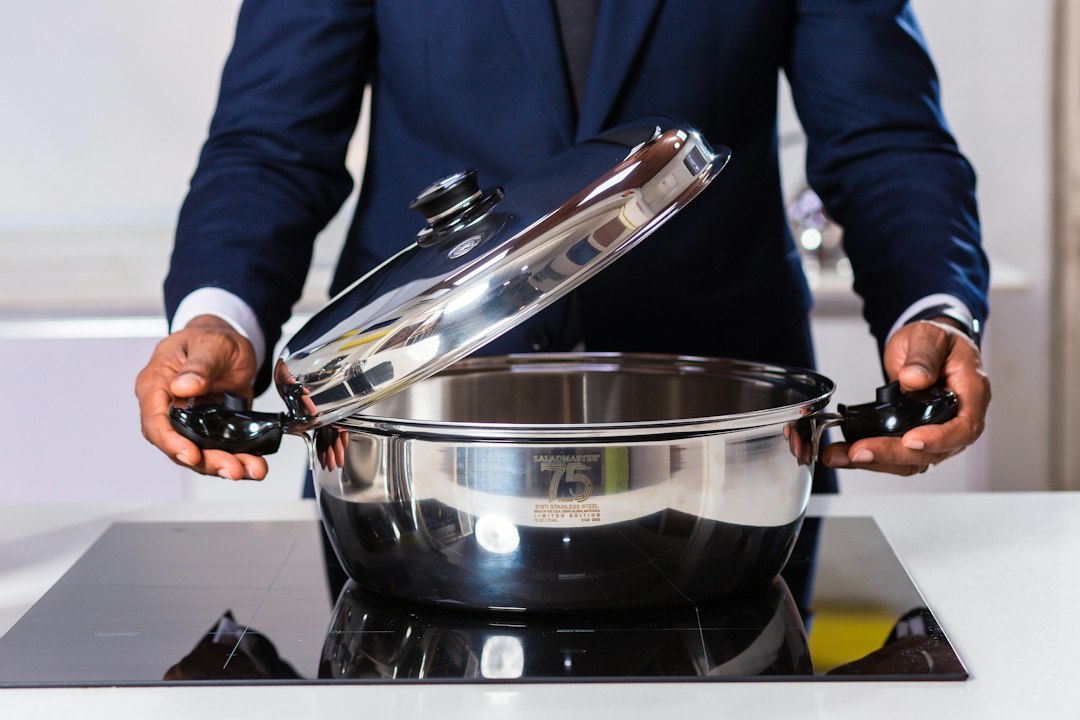
You’ve seen them. They’re sleek, modern, and promise faster, more precise cooking. Induction cooktops are becoming increasingly popular, and if you’re considering making the switch, or even just curious about why your current pots and pans might not be playing nicely with that shiny new stovetop, you’re in the right place. The magic of induction lies in its ability to directly heat your cookware, bypassing the heating element itself. But not all cookware is created equal when it comes to harnessing this electromagnetic power. So, how can you quickly and easily determine if your existing pots and pans are induction-ready? The answer is remarkably simple: a magnet.
This article will guide you through the straightforward yet crucial process of testing your cookware with a magnet. We’ll delve into the science behind why this works, explore the different types of cookware that will or won’t pass the test, and offer advice on what to do if your current collection falls short. By the end of this exploration, you’ll be armed with the knowledge to confidently equip your kitchen for the induction era.
If you’re curious about how to determine whether your cookware is suitable for induction cooking, you might find it helpful to read a related article on magnet tests for induction cookware. This article explains the importance of using magnetic materials for induction cooking and provides tips on how to perform a simple magnet test at home. For more information, you can check out the article here: Magnet Test for Induction Cookware.
Understanding the Core Principle: How Induction Works and Why Magnetism Matters
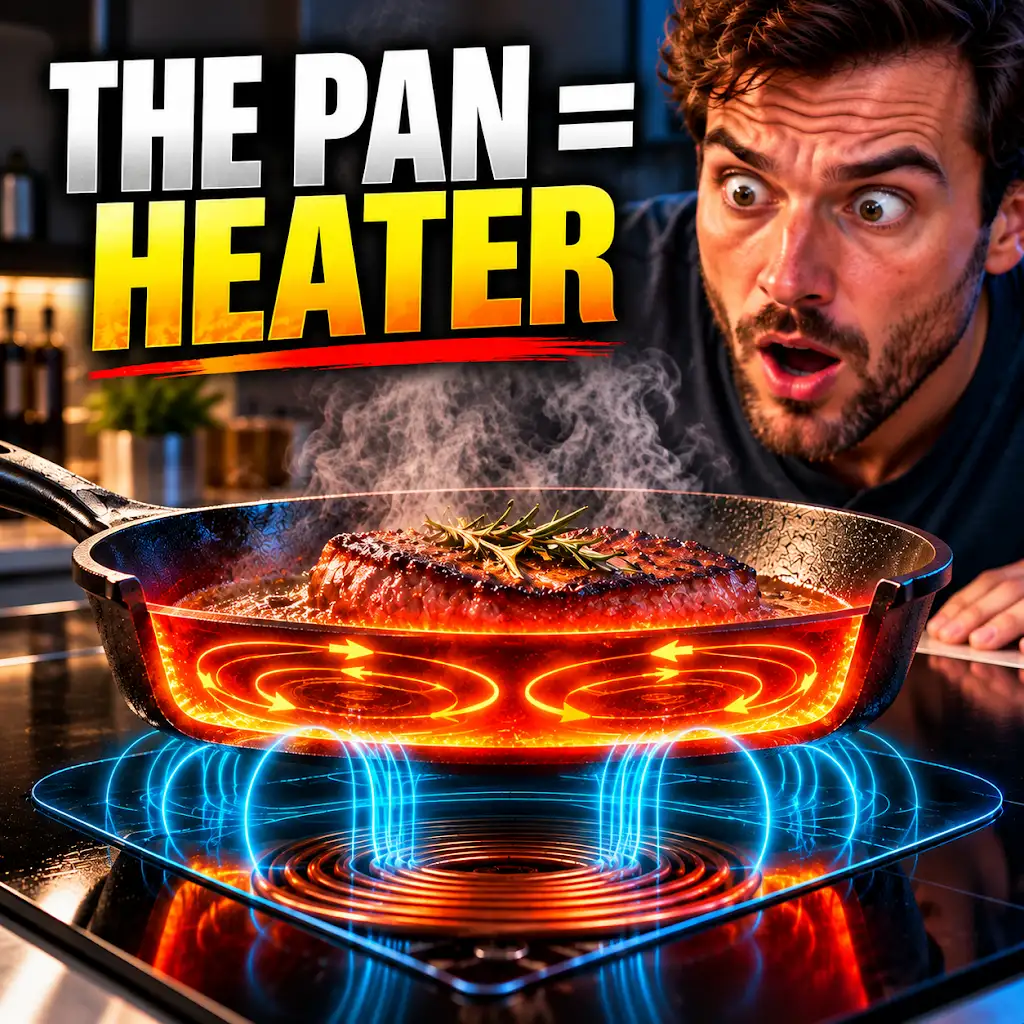
Before we grab that magnet, it’s essential to grasp the fundamental science behind induction cooking. Unlike traditional electric or gas stovetops that heat a surface and then transfer that heat to your cookware, induction cooktops generate a magnetic field. When you place compatible cookware on the surface, this magnetic field causes the metal in the pan to vibrate at an extremely high frequency. This rapid vibration creates friction within the metal itself, which in turn generates heat directly in the base of your cookware. It’s an incredibly efficient process, leading to faster heating times and more responsive temperature control.
The key word here is “magnetic.” The entire principle relies on the cookware being made of a material that can be magnetized. This is where your humble magnet comes into play.
The Electromagnetic Dance: Field Generation and Eddy Currents
At the heart of your induction cooktop is a coil of copper wire. When you turn on the cooktop, an alternating electric current flows through this coil. This alternating current creates a rapidly oscillating magnetic field that extends upwards from the cooktop’s surface.
Now, imagine placing a pot of compatible material on this field. The magnetic field penetrates the base of the pot. Because the cookware is made of a ferromagnetic material (we’ll get to that), it has a high magnetic permeability. This allows the magnetic field lines to easily pass through it and align the magnetic domains within the metal.
As the magnetic field oscillates, it induces electrical currents within the metal of the cookware. These induced currents are called “eddy currents.” Think of them as tiny whirlpools of electricity swirling within the metal. These eddy currents encounter resistance as they flow through the metal, and this resistance is what generates heat. The more resistance the eddy currents face, the hotter the pan becomes. This is the “resistive heating” component of induction.
Ferromagnetism: The Secret Ingredient
So, why is magnetism the critical factor? It all boils down to the material properties of your cookware. Induction cooking specifically requires cookware made from ferromagnetic materials. These are materials that can be strongly attracted to a magnet and can be magnetized themselves. Common ferromagnetic metals include:
- Iron: This is the most classic example. Cast iron, in particular, is a superb choice for induction.
- Steel: Most types of stainless steel (specifically ferritic and martensitic stainless steels) are ferromagnetic. Many cookware manufacturers will specify if their stainless steel is induction-compatible.
- Nickel: While less common as a primary material in cookware, nickel is also ferromagnetic.
Metals like aluminum, copper, glass, and ceramic are non-ferromagnetic. They are not attracted to magnets and therefore cannot be directly heated by the magnetic field generated by an induction cooktop. While some pans with aluminum or copper bases might have a ferromagnetic core or layer added to make them induction-compatible, the base material itself needs that magnetic property.
The Magnet Test: Your Quick and Dirty Induction Readiness Check

This is where the rubber meets the road, or rather, the magnet meets the pan. The magnet test is brilliantly simple and effective. Grab a common refrigerator magnet – the stronger, the better, but even a standard one will usually do the trick.
Step-by-Step: Putting Your Magnet to Work
- Gather Your Cookware: Collect all the pots, pans, and baking dishes you intend to use on your induction cooktop. This includes everything from frying pans and saucepans to Dutch ovens and skillets.
- Locate the Base: Turn your cookware over so you are examining the underside, the part that will make contact with the cooktop.
- Apply the Magnet: Take your magnet and place it firmly against the base of the cookware.
- Observe the Attraction:
- If the magnet sticks strongly: Congratulations! This piece of cookware is almost certainly induction-compatible. The stronger the attraction, the better it will perform on an induction surface.
- If the magnet sticks weakly or slides off easily: This cookware might not be suitable for induction. It might have a thin ferromagnetic layer, or it might be made of a non-magnetic material with a ferromagnetic disk attached. While it might work, its performance could be compromised, and it’s worth investigating further.
- If the magnet does not stick at all: This cookware is not induction-compatible. It’s likely made of aluminum, copper, glass, or ceramic, and will not heat up on an induction cooktop.
Interpreting the Results: What “Sticking” Really Means
The strength of the magnet’s attraction is a direct indicator of the material’s ferromagnetic properties. A strong bond means a high concentration of magnetic material capable of interacting effectively with the induction cooktop’s magnetic field.
It’s important to remember that some cookware might have multiple layers. For example, a pan might have an aluminum body with a stainless steel or cast iron base. The magnet test primarily assesses the outermost layer that makes contact with the cooktop. If that layer is ferromagnetic, the pan will work.
Beyond the Fridge Magnet: Other Indicators
While a fridge magnet is the most accessible tool, manufacturers often provide clear indications of induction compatibility:
- Symbols: Look for a symbol on the cookware or its packaging. It often resembles a series of loops or coils, sometimes with wavy lines indicating heat.
- Product Descriptions: Online listings and packaging will explicitly state “induction compatible” or list the materials used, such as “clad stainless steel with a ferromagnetic core.”
- Brand Reputation: Many reputable cookware brands are well-versed in induction technology and will clearly mark their compatible products.
The Verdict: Which Cookware Passes the Magnet Test?
The magnet test is your most reliable and immediate way to identify induction-ready cookware. Generally, the types of cookware that will pass this test are those made from or featuring ferromagnetic materials in their base.
The Winners: Ferromagnetic Favorites
- Cast Iron: Unsurprisingly, cast iron cookware is a champion of induction. Its high iron content makes it incredibly magnetic, leading to excellent heat retention and distribution on an induction surface. You’ll find your cast iron skillet heats up beautifully and evenly.
- Enameled Cast Iron: Similar to bare cast iron, enameled cast iron also has a strong magnetic base. The enamel coating doesn’t interfere with the magnetic properties of the iron underneath, making these pieces excellent choices for induction.
- Magnetic Stainless Steel: Not all stainless steel is created equal. Look for cookware explicitly labeled as “induction compatible” or made from ferritic or martensitic stainless steel. These types of stainless steel have magnetic properties. Austenitic stainless steel (the most common type, known for its non-magnetic properties and corrosion resistance) will not be induction-compatible on its own. Many multi-ply or clad stainless steel pans have a ferromagnetic base layer precisely for induction compatibility.
- Carbon Steel: Another iron-based material, carbon steel pans, like woks and skillets, will generally be induction-ready due to their magnetic nature.
The Losers: Non-Ferromagnetic Fails
- Aluminum: Pure aluminum is not magnetic and will not work on an induction cooktop. However, many aluminum pans have a ferromagnetic base plate (often stainless steel or cast iron) attached to make them induction-compatible. The magnet test will reveal if this base plate is present and magnetic.
- Copper: Like aluminum, pure copper is not magnetic. You’ll find copper cookware is generally not suitable for direct induction cooking.
- Glass and Ceramic: Cookware made entirely of glass or ceramic is non-magnetic and will not heat up on an induction cooktop.
- Non-Magnetic Stainless Steel: As mentioned, some types of stainless steel are not ferromagnetic. If your stainless steel cookware doesn’t attract a magnet, it won’t work on induction.
When considering the effectiveness of induction cookware, a simple magnet test can help determine if your pots and pans are compatible with induction cooktops. For more insights on this topic, you can explore a related article that delves into the science behind induction cooking and its benefits. This informative piece provides a deeper understanding of how induction technology works and why the magnet test is essential for ensuring your cookware will perform optimally. To read more, check out this article.
Navigating the Gray Areas: When the Magnet Sticks (But Maybe Not Perfectly)
| Cookware Material | Magnet Test Result | Induction Compatibility | Notes |
|---|---|---|---|
| Cast Iron | Strong Attraction | Compatible | Excellent for induction cooking |
| Stainless Steel (magnetic grade) | Moderate to Strong Attraction | Compatible | Check for magnetic grade stainless steel |
| Aluminum | No Attraction | Not Compatible | Usually requires a magnetic base |
| Copper | No Attraction | Not Compatible | Needs magnetic base for induction |
| Glass | No Attraction | Not Compatible | Not suitable for induction |
| Enamel-coated Cast Iron | Strong Attraction | Compatible | Works well on induction cooktops |
Sometimes, the magnet test isn’t a clear-cut “yes” or “no.” You might get a weak attraction, or the magnet might hold but feel a bit precarious. This often indicates cookware that isn’t ideal for induction but might still function to some degree.
The “Maybe” Pile: Understanding Compromised Performance
- Thin Magnetic Layers: Some cookware might have a very thin ferromagnetic layer bonded to a non-magnetic core. A magnet might stick, but the heat transfer might be less efficient, leading to slower heating times and potentially uneven cooking.
- Disks Attached to Non-Magnetic Pans: You might encounter pans with a non-magnetic body (like aluminum) and a separate ferromagnetic disk attached to the bottom. While the disk will heat up, the connection between the disk and the pan body might not be as efficient as a solid ferromagnetic base, leading to slower heat transfer to the food.
- Warped or Damaged Bases: Even if a pan was originally induction-compatible, a severely warped or damaged base can disrupt the even distribution of the magnetic field, leading to poor performance and inconsistent heating.
What to Do with “Maybe” Cookware
If your cookware falls into this “maybe” category, consider these options:
- Test Small Batches: If you have a lot of “maybe” items, try cooking a simple dish with one or two of them first. Observe how they heat up, how responsive they are to temperature changes, and if there are any hot spots.
- Prioritize High-Usage Items: If a pot or pan is something you use regularly, it’s probably worth investing in a guaranteed induction-compatible replacement. You want your go-to tools to perform optimally.
- Consider an Induction Adapter Plate: For those truly beloved non-induction pieces, you can purchase an induction adapter plate. This is a ferromagnetic disk that sits between your cooktop and your non-induction pan. The adapter plate heats up on the induction surface and then transfers that heat to your pan. While not as efficient as direct induction, it can be a good solution for occasional use. However, for frequent use, direct induction cookware is always the superior choice.
Equipping Your Kitchen for Induction Success: Beyond the Magnet
The magnet test is your initial hurdle, but true induction readiness involves more than just magnetism. Think about the overall performance and longevity of your cookware on this advanced heating technology.
Material Matters: Deeper Dives into Cookware Construction
- Clad Cookware: Many high-quality induction-compatible pots and pans are made with clad construction. This involves bonding multiple layers of metal together. For induction, you’ll typically find a ferromagnetic layer (like stainless steel or cast iron) on the exterior (base and sometimes sides) and other conductive layers (like aluminum or copper) in the interior for efficient heat distribution.
- Weight and Thickness: While not a direct indicator of magnetism, heavier and thicker cookware generally performs better on induction. They provide a more stable surface for the magnetic field to act upon and tend to retain heat more effectively.
- Smooth, Flat Bases: Induction cooktops rely on direct contact between the cookware and the ceramic glass surface. Ensure your cookware has a flat, smooth base. Warped or heavily textured bases can reduce efficiency and even cause the cooktop to shut off automatically for safety reasons.
The Long-Term Investment: Choosing Wisely for the Future
- Quality Over Quantity: It’s better to have a few high-quality, induction-compatible pieces than a cupboard full of items that won’t perform. Look for reputable brands known for their durable and well-performing cookware.
- Consider Multi-Functionality: Many induction-ready pans are also excellent for use on other stovetop types and in the oven. This versatility adds to their value.
- Read Reviews and Product Specifications: Don’t hesitate to research specific product lines. Cookware reviews and detailed product descriptions will often highlight induction compatibility and performance.
By mastering the simple magnet test and understanding the principles behind induction cooking, you’re well on your way to a seamless and enjoyable cooking experience. So, grab that magnet, start testing, and get ready to embrace the future of stovetop technology!
The Pan Is the Heater: How Induction Cooking Really Works
FAQs
What is a magnet test for induction cookware?
The magnet test is a simple way to determine if a piece of cookware is compatible with induction cooktops. It involves using a magnet to check if the cookware is made of a magnetic material that can work with induction technology.
How does the magnet test work?
To perform the magnet test, you can use a refrigerator magnet or any other magnet. Simply place the magnet on the bottom of the cookware. If the magnet sticks firmly to the bottom, it means the cookware is magnetic and can be used on an induction cooktop.
Why is the magnet test important for induction cookware?
Induction cooktops require cookware that is made of magnetic materials such as cast iron or magnetic stainless steel. Non-magnetic cookware will not work on induction cooktops as they rely on magnetic fields to generate heat.
What types of cookware pass the magnet test?
Cookware made of magnetic materials such as cast iron, enameled cast iron, and magnetic stainless steel will pass the magnet test and can be used on induction cooktops. Copper, aluminum, and glass cookware will not pass the test.
Are there any exceptions to the magnet test for induction cookware?
In some cases, cookware with a layer of magnetic material bonded to the bottom may also work on induction cooktops, even if the entire cookware is not magnetic. However, it is recommended to perform the magnet test to ensure compatibility.