
The Invisible Forces Within: Understanding Tempered Glass Strength
You interact with tempered glass every day, perhaps without even realizing it. Your smartphone screen, the side windows of your car, the glass door of your shower – all likely made of this remarkably strong material. But what makes it so different from the ordinary glass you might find in a picture frame? The answer lies in a sophisticated dance of heat and stress, a process that transforms brittle ordinary glass into a formidable safety material. Imagine ordinary glass as a perfectly still pond; it’s smooth, but a single stone can shatter its surface. Tempered glass, on the other hand, is like a pond with underlying currents, so strong they can absorb and redirect the impact of that stone. This inherent strength isn’t magic; it’s a deliberate application of physics principles, primarily focused on managing internal stresses within the glass. When you pick up a piece of tempered glass, you’re holding a material that has been engineered for resilience. This resilience is crucial for its widespread application in situations where safety is paramount. The difference in strength is not subtle; it’s a fundamental transformation that you can observe when it does break, a testament to the unseen forces at play within its molecular structure.
## Forging Resilience: The Heat Treatment Process
The journey to tempered glass begins with ordinary glass, also known as annealed glass. This is your standard, everyday glass, formed by melting silica sand and other minerals at extremely high temperatures and then allowing it to cool slowly. This slow cooling process ensures that the glass solidifies without significant internal stresses, making it relatively uniform and transparent. However, this uniformity also makes it brittle. Any impact or significant temperature change can cause these stresses to propagate, leading to catastrophic failure. To create tempered glass, this annealed glass undergoes a controlled heating and cooling process, a sort of thermal shock treatment that fundamentally alters its internal structure. This process is not a simple heating and cooling; it’s a precise manipulation of thermal gradients to create specific stress patterns.
## Controlled Heating: Reaching the Softening Point
The first stage in creating tempered glass involves heating the annealed glass to a temperature just below its softening point, typically around 620-700 degrees Celsius (1150-1300 degrees Fahrenheit). At this temperature, the glass becomes pliable enough to deform slightly without losing its shape entirely, but it’s not so hot that it begins to sag or melt. The key here is uniformity. The entire piece of glass must be heated evenly. This is often achieved by passing the glass through a furnace on rollers that keep it moving and rotating. The duration of this heating phase is critical, as is the precise temperature, ensuring that the entire pane reaches the desired thermal state uniformly. If one area is hotter or colder than another, the subsequent cooling process will create uneven stresses, compromising the final strength. This controlled heating is the foundation upon which the entire tempering process is built.
## Rapid Cooling: The Genesis of Compression
Once the glass has reached the optimal temperature, it is rapidly cooled by blowing jets of cold air onto both surfaces simultaneously. This is the crucial step that imbues the glass with its characteristic strength. As the outer surfaces are cooled quickly, they solidify and contract. However, the interior of the glass remains hot and continues to contract as it cools more slowly. This differential cooling creates a state of internal stress: the outer surfaces are in compression, while the interior is in tension. Imagine squeezing a piece of soft taffy; the outer layers harden first, and as the inside cools and contracts, it pulls on the already rigid outer layers. This creates a tug-of-war within the glass, with the outer compressive layers acting as a protective shield. This rapid cooling, often referred to as quenching, is the defining characteristic of the tempering process. The speed and evenness of the cooling are paramount to achieving the desired stress distribution and thus the superior strength.
Tempered glass is a fascinating subject within the field of physics, particularly in relation to its unique properties and the processes involved in its production. For those interested in exploring this topic further, a related article can be found at Freaky Science, which delves into the science behind the strength and safety features of tempered glass, as well as its applications in various industries. This resource provides valuable insights into how the principles of physics are applied to enhance the durability and performance of glass products.
The Physics of Stress: Understanding Compression and Tension
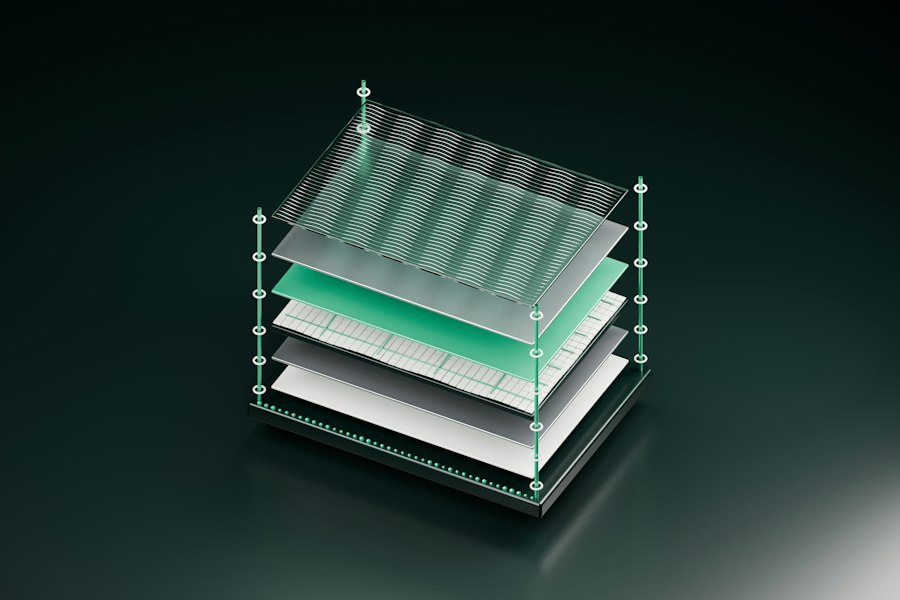
The strength of tempered glass is not due to a change in its chemical composition or molecular structure in terms of bond strength. Instead, it’s a masterpiece of applied mechanical engineering achieved through precise control of internal stresses. You can think of these stresses as invisible forces locked within the glass, a sophisticated internal structure that allows it to withstand impacts that would shatter ordinary glass. The primary goal of tempering is to create a specific stress profile: high compressive stress on the surfaces and balanced tensile stress in the interior. This balance is what gives tempered glass its remarkable properties, transforming it from a fragile material into one designed for safety. Understanding this interplay of forces is key to appreciating its resilience.
## Surface Compression: The Protective Shield
The most significant factor contributing to tempered glass’s strength is the significant compressive stress present on its surfaces. As we discussed, during the rapid cooling process, the outer layers solidify first and contract. This contraction is hindered by the still-molten interior, which continues to cool and contract. This creates a pulling force from the inside outwards, which the outer layers resist. The result is that the outer surfaces are squeezed together under immense pressure. This surface compression is typically in the range of 10,000 to 20,000 pounds per square inch (psi). This is a substantial amount of force, and it’s this compressive layer that absorbs and dissipates the energy of an impact. When an object strikes the tempered glass, it first has to overcome this compressive force before it can even begin to deform or fracture the glass. This is why a hammer blow might bounce off tempered glass with minimal effect, whereas the same blow would shatter annealed glass.
## Interior Tension: The Balancing Act
While the surfaces are under compression, the interior of the tempered glass is under tension. This is a direct consequence of the differential cooling. As the outer layers solidify and compress, they pull the still-hot interior inward. When the interior finally cools and contracts, it is constrained by the already rigid, compressed outer layers. This creates a state of balanced tension within the glass. This internal tension is essential for the unique way tempered glass breaks. It’s important to note that this tension is not an inherent weakness; rather, it’s a carefully engineered force that, when combined with the surface compression, creates the overall strength. Without the interior tension, the glass would not exhibit the controlled fracture behavior it’s known for. The overall stress state is a complex equilibrium, where the sum of all stresses is zero, but the distribution is key to its performance.
The Impact of Stress on Strength and Fracture

The carefully engineered stress distribution within tempered glass is directly responsible for its dramatic increase in strength and its unique failure characteristics. When you consider that the strength of tempered glass can be up to five times that of annealed glass, you’re looking at a material that has undergone a fundamental transformation in its ability to resist mechanical forces. This isn’t just about resisting a light tap; it’s about withstanding significant impacts and pressure. The physics of how these stresses interact with external forces dictates how the glass behaves, both in normal use and in the event of a significant impact. Understanding this relationship between stress and fracture is crucial for appreciating why tempered glass is the material of choice in so many safety-critical applications.
## Resistance to Impact: Absorbing and Dissipating Energy
The compressive stress on the surface of tempered glass acts as a powerful shock absorber. When an impact occurs, the energy of the impact is first applied to this compressive layer. Instead of immediately cracking the glass, the compressive stress forces resist the deformation and spread the energy outwards. Imagine throwing a bouncy ball at a rigid wall versus a wall with a springy surface; the springy surface will absorb more of the ball’s energy. The compressive layer in tempered glass functions similarly. It absorbs the initial kinetic energy of an impact, dissipating it as heat and vibration throughout the glass. This ability to absorb and redirect energy is what makes tempered glass so resistant to breakage from everyday impacts, such as a door slamming shut or a dropped tool. The deeper and more uniform the compressive layer, the greater the impact resistance.
## The Nature of Fracture: Controlled Fragmentation
One of the most defining characteristics of tempered glass is how it breaks. Unlike annealed glass, which shatters into large, sharp, and dangerous shards, tempered glass breaks into small, relatively harmless, granular pieces. This controlled fragmentation is a direct result of the internal stress distribution. When the tensile stress in the interior of the glass eventually exceeds the force holding the compressed outer layers together, the glass fails. However, because the outer layers are under compression, the fracture doesn’t propagate uncontrollably. Instead, the stored energy in the interior is released rapidly, causing the entire piece of glass to break apart into many small pieces. Each of these fragments has a relatively low surface area, reducing the likelihood of causing severe cuts. This safety feature is a primary reason why tempered glass is mandated in applications where human safety is a concern, such as automotive windows and shower enclosures.
Safety Implications: Why Tempered Glass Matters
The physics of tempered glass isn’t just an academic curiosity; it has profound implications for safety in our daily lives. The transformation from brittle annealed glass to resilient tempered glass is a deliberate engineering choice designed to mitigate risk. In numerous applications, the use of tempered glass is not just preferred; it’s a legal requirement precisely because of its superior safety performance. The way it breaks, the forces it can withstand, and the protection it offers are all direct outcomes of the controlled stress physics we’ve explored. When you see tempered glass specified for a product or installation, you’re looking at a material chosen for its ability to protect people.
## Reducing the Risk of Injury: The Granular Breakage Advantage
The most significant safety advantage of tempered glass lies in its fragmentation pattern. When annealed glass breaks, it does so in a spiderweb-like fashion, producing long, sharp, and incredibly dangerous shards. These shards can easily cause deep lacerations and severe injuries. Tempered glass, in contrast, breaks into small, pebble-like pieces, typically no larger than a dime. These fragments, while still glass, are significantly less likely to cause serious harm. The edges of these small pieces are generally more rounded, and their size limits their ability to penetrate skin deeply. This dramatic reduction in injury potential is why tempered glass is mandated in vehicle side and rear windows, where occupants are at risk of being ejected or injured by shattering glass in an accident. It’s also a key reason for its use in shower doors, patio doors, and any glass in proximity to areas where people are likely to be.
## Meeting Safety Standards and Regulations: A Necessity for Protection
Due to its inherent safety benefits, tempered glass is a critical component in meeting various safety standards and building codes worldwide. Regulations such as the Consumer Product Safety Commission (CPSC) standards in the United States, and similar regulations in other countries, often mandate the use of safety glazing in specific applications. For example, any glass in a door that is within a certain distance of a walking surface, or any glass in a bathroom where falls are possible, must typically be safety glazing, and tempered glass is the most common solution. The automotive industry also has strict standards for glazing, with side and rear windows almost universally being tempered glass. Architects, designers, and manufacturers rely on the predictable and safe failure mode of tempered glass to ensure their products and structures meet these critical safety requirements and protect the public. The physics of tempered glass provides the scientific basis for these regulations, ensuring that materials are chosen not just for their aesthetics or cost, but for their fundamental ability to prevent harm.
The physics of tempered glass is a fascinating topic that delves into the processes that enhance its strength and thermal resistance. For those interested in exploring this subject further, you can read a related article that discusses the intricate balance of stress and thermal treatment in glass manufacturing. This article provides valuable insights into how these principles apply to everyday applications, making it a great resource for anyone curious about the science behind tempered glass. To learn more, visit this informative article.
Applications of Tempered Glass: Where Strength Meets Everyday Life
| Property | Value/Description | Unit | Notes |
|---|---|---|---|
| Thermal Tempering Temperature | 620 – 650 | °C | Temperature range for heating glass before rapid cooling |
| Cooling Rate | Rapid quenching | N/A | Rapid air cooling to induce compressive stress |
| Surface Compressive Stress | 69 – 138 | MPa | Compressive stress induced on glass surface |
| Core Tensile Stress | 35 – 70 | MPa | Tensile stress in the interior of the glass |
| Strength Increase | 4 – 5 times | Factor | Compared to annealed glass |
| Modulus of Elasticity | 70 | GPa | Typical for soda-lime glass |
| Thermal Expansion Coefficient | 9 x 10⁻⁶ | 1/°C | Linear expansion coefficient |
| Fracture Pattern | Small granular pieces | N/A | Safety feature to reduce injury |
| Thickness Range | 3 – 19 | mm | Common thicknesses for tempered glass sheets |
| Heat Soak Test Temperature | 280 – 320 | °C | Used to detect nickel sulfide inclusions |
The unique combination of strength, impact resistance, and controlled fracture behavior makes tempered glass indispensable in a vast array of applications. From the devices you use daily to the infrastructure that surrounds you, tempered glass plays a vital role in enhancing safety and durability. Its ability to withstand forces that would shatter ordinary glass, coupled with its safe breakage pattern, has led to its widespread adoption across numerous industries. Understanding these applications provides a practical context for the physics we’ve explored, demonstrating how these scientific principles translate into tangible benefits in our lives.
## Residential and Commercial Buildings: Enhancing Safety and Aesthetics
In both homes and commercial establishments, tempered glass is a ubiquitous material used for a variety of purposes. Shower enclosures are a prime example, where the risk of breakage and injury from falls is significant. The safe fragmentation of tempered glass makes it the ideal material for these wet and potentially hazardous environments. Balustrades and railings on balconies and staircases also commonly utilize tempered glass, offering a sleek, modern aesthetic while providing crucial safety barriers. Exterior doors, especially those with large glass panels, are another area where tempered glass is essential to prevent injury from accidental impacts. In commercial settings, storefronts, interior partitions, and even some flooring applications benefit from the durability and safety features of tempered glass, offering both aesthetic appeal and a robust barrier against the elements and everyday wear and tear.
## Automotive and Transportation: The Pillar of Vehicle Safety
The automotive industry is a major consumer of tempered glass, relying on its properties for critical safety components. As mentioned, side and rear windows of vehicles are almost exclusively made of tempered glass. This ensures that in the event of a collision or rollover, the glass breaks in a way that minimizes the risk of occupant injury and facilitates emergency egress. Windshields, on the other hand, are typically made of laminated glass (two layers of glass with a plastic interlayer), which is designed to crack but remain largely intact, providing a continuous barrier and maintaining structural integrity. However, the clear visibility and shatter resistance of tempered glass make it the undisputed choice for the other windows, contributing significantly to overall vehicle safety. Beyond cars, tempered glass is also used in the windows of buses, trains, and even aircraft, where durability and passenger safety are paramount.
## Electronics and Consumer Goods: Durability for Modern Devices
In the realm of modern electronics, tempered glass has become an almost standard feature, particularly for screens. Your smartphone, tablet, and even the displays on televisions and monitors often feature a layer of tempered glass. This provides a durable surface that is resistant to scratches and impacts from everyday use. While it’s not impervious to all damage, the increased strength and resistance to shattering are crucial for protecting the sensitive display components underneath. The sleek, smooth feel of tempered glass also enhances the user experience, making these devices more pleasant to interact with. Beyond screens, tempered glass is also found in other consumer goods, such as oven doors, appliance panels, and even some furniture, where its combination of strength, heat resistance, and aesthetic appeal are valued.

Your Car Window Can Keep You In—Even When You Need Out
FAQs
What is tempered glass?
Tempered glass is a type of safety glass that is processed by controlled thermal or chemical treatments to increase its strength compared to normal glass.
How is tempered glass made?
Tempered glass is made by heating the glass to a very high temperature and then rapidly cooling it. This process creates internal stresses which give the glass its strength.
What are the properties of tempered glass?
Tempered glass is known for its increased strength, durability, and resistance to breakage. When it does break, it shatters into small, blunt pieces rather than sharp shards, reducing the risk of injury.
Where is tempered glass commonly used?
Tempered glass is commonly used in applications where safety is a concern, such as in car windows, shower doors, glass doors, and glass tables. It is also used in buildings for windows and glass facades.
Can tempered glass be cut or drilled?
Tempered glass cannot be cut or drilled after the tempering process as it will shatter into small pieces. Any necessary shaping or holes must be done before the glass is tempered.