You’ve settled in, the lights are down, and the familiar hush of anticipation fills the room. The opening credits roll, accompanied by a swelling orchestral score that hints at grand narratives and profound struggles. This is your introduction to “Survival of the Fittest: A Biology Documentary,” a journey that promises to unravel the intricate dance of life, death, and adaptation that has shaped our planet. You’re not just watching a film; you’re embarking on an exploration, a visceral encounter with the forces that have sculpted every living thing you see, and indeed, that constitutes you. Prepare to be enthralled, challenged, and perhaps even a little awestruck.
The documentary immediately transports you back to the nascent stages of Earth’s history. You witness the fiery birth of the planet, a chaotic spectacle of molten rock and volcanic fury. But even in this primordial chaos, the seeds of life are sown. You’re shown simulations, vibrant and dynamic, depicting the very first self-replicating molecules, the humble beginnings of biological complexity. This isn’t just a history lesson; it’s an origin story of an epic proportion, reminding you of the sheer improbability and resilience of life itself.
The Spark of Replication: Molecular Marvels
Your gaze is drawn to the microscopic world, where the film uses stunningly rendered CGI to visualize the formation of early organic molecules. You see how simple chemical compounds, under specific environmental conditions, began to assemble themselves, exhibiting the first stirrings of organization. It’s a delicate process, fraught with peril, where instability could lead to disintegration or, conversely, the birth of something new. You understand, as you watch these molecular dances, that the drive to replicate is an ancient and fundamental force, a biological imperative that underpins all existence. The documentary emphasizes that this wasn’t a conscious effort, but a relentless consequence of chemical properties, a testament to the universe’s inherent drive towards complexity. You feel a sense of connection to these ancient molecules, recognizing them as your distant ancestors.
The Primordial Soup: A Crucible of Diversity
The focus shifts to the “primordial soup,” the vast, shallow oceans teeming with chemical potential. You’re shown how early Earth’s atmosphere, vastly different from today’s, provided the necessary ingredients. Lightning strikes, volcanic vents, and UV radiation all played a role, acting as catalysts for chemical reactions. You witness the gradual emergence of more complex structures, like RNA and then DNA, the molecular blueprints that would dictate the fate of all future life. The documentary highlights the sheer luck involved, the confluence of conditions that allowed these fragile beginnings to persist and evolve. You start to appreciate the immense timescale involved, the eons of slow, painstaking progress, and the countless experiments that nature conducted before life found its footing.
The First Cells: Building Blocks of Life
With the development of self-replicating molecules, the stage is set for the earliest cells. You’re presented with animated sequences depicting these simple prokaryotic cells, like bacteria and archaea, emerging from the chemical broth. They are described not as sentient beings, but as remarkably efficient chemical factories, driven by the need to acquire energy and resources to replicate. You see how they formed membranes, creating an internal environment separate from the external world, a crucial step in defining life. The documentary brings to life the concept of evolution on a microbial scale, where rapid reproduction and small genetic changes lead to swift adaptation. You realize that these seemingly insignificant organisms laid the foundation for everything that followed.
If you’re interested in exploring the fascinating world of biology through engaging documentaries, you might want to check out the article on Freaky Science that delves into the latest discoveries in genetic engineering and its implications for the future of medicine. This article provides a comprehensive overview of how advancements in biotechnology are reshaping our understanding of life itself. For more insights, visit Freaky Science.
The Great Divide: Energy, Competition, and the Rise of Complexity
As life diversified, so did its methods of survival. This section of the documentary brilliantly illustrates the fundamental struggle for resources and the ingenious ways organisms developed to obtain them. You’re introduced to the concept of energy as the ultimate currency of life, and the diverse strategies employed to acquire it, from sunlight to complex organic matter. This is where the stark realities of the “fittest” begin to emerge, not as a statement of inherent superiority, but as a measure of an organism’s ability to thrive in its specific environment.
The Dawn of Photosynthesis: Harnessing the Sun
You’re taken on a visual journey through the revolution of photosynthesis. The documentary uses captivating visuals to show how early organisms, likely cyanobacteria, discovered how to capture light energy. This was a game-changer, allowing them to produce their own food, independent of external organic sources. You see the profound impact this had on Earth’s atmosphere, as oxygen, a byproduct of photosynthesis, began to accumulate. This was a double-edged sword: toxic to many existing life forms, but also paving the way for more complex, aerobic respiration. You understand how this single innovation fundamentally altered the planet’s trajectory and created new niches for life to exploit. The sheer power of this biological process, its ability to transform atmospheric composition, leaves you in awe.
The Arms Race of Predation: A Relentless Cycle
The documentary expertly depicts the emergence of predation. You witness the evolution of predators and prey as a continuous, intertwined cycle. Stunning slow-motion footage captures the swiftness of a predator’s strike and the desperate evasion of its prey. You’re shown how natural selection favors traits that enhance hunting success in predators and escape abilities in prey. This isn’t just about brute force; you see the development of camouflage, speed, keen senses, and even complex hunting strategies, all honed by the constant pressure of avoiding being eaten. You begin to understand that this arms race is a powerful driver of adaptation, constantly pushing the boundaries of biological innovation. The film doesn’t shy away from the brutal realities, but frames it as a necessary engine for evolutionary progress.
The Unseen Worlds: Microbes and Their Allies
You’re then introduced to the often-overlooked world of microbes and their complex interactions. The documentary highlights the vital roles of bacteria, fungi, and viruses in ecosystems. You see symbiotic relationships, like mycorrhizal fungi enhancing plant nutrient uptake or gut bacteria aiding digestion. You also witness the destructive power of pathogens, a stark reminder of the constant threat of disease and the evolutionary pressure it places on all organisms. You are enlightened by the intricate web of life at the microbial level, a testament to the fact that “survival of the fittest” applies to the smallest of creatures as much as to the largest. The film emphasizes that the most successful organisms are often those that can cooperate and exploit these unseen relationships.
The Battle for Territory: Space and Scarcity
The documentary also explores the competition for physical space. You see how organisms have evolved strategies to claim and defend territories, from the elaborate displays of birds to the territorial markings of mammals. You understand that limited resources, whether it’s sunlight in a forest canopy or nutrients in a barren desert, create intense competition, driving adaptation towards efficient resource utilization and defense. You appreciate how territoriality isn’t just about aggression, but about ensuring access to essential elements for survival and reproduction. This territorial struggle, you realize, is a fundamental aspect of community dynamics and a driver of species distribution.
The Dance of Adaptation: Ingenuity in the Face of Adversity
This is where the documentary truly shines, showcasing the breathtaking diversity of life and the astonishing ways organisms have adapted to overcome environmental challenges. You’re about to witness a masterclass in natural selection, a testament to the creative power of evolution.
Masters of Camouflage: Blending In to Stay Alive
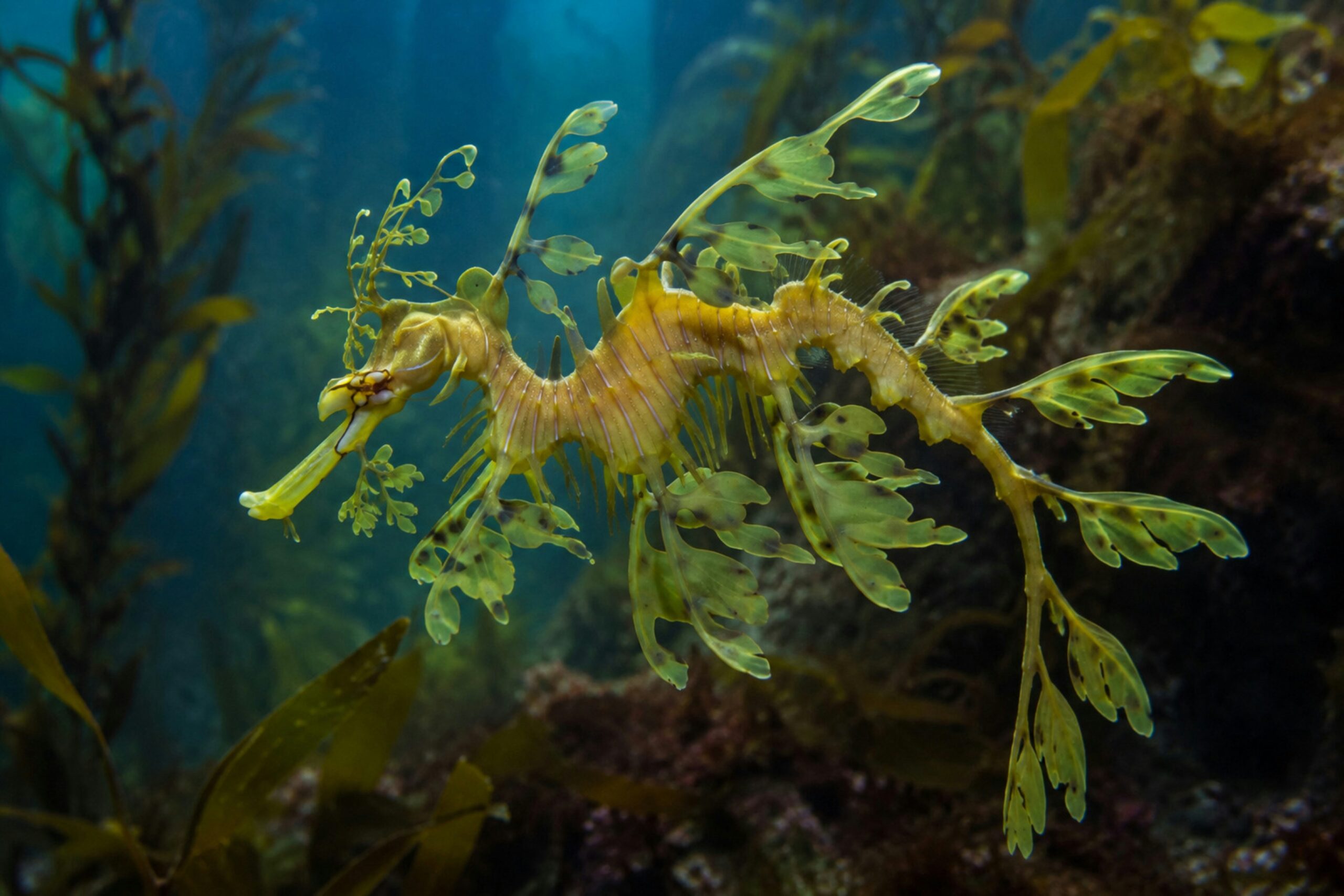
You are mesmerized by the uncanny ability of some creatures to disappear into their surroundings. High-definition footage reveals the chameleons changing their skin color, the arctic fox’s white winter coat, and the intricate patterns of stick insects. The documentary explains the genetic and physiological mechanisms behind camouflage, highlighting how it’s a crucial survival strategy for both predators and prey. You learn that camouflage isn’t just about mimicking colors; it’s about matching textures, shapes, and even behavioral patterns. You feel a profound respect for this evolutionary solution, born from millennia of selective pressures. You understand that being unseen is often more advantageous than being the strongest.
The Art of Deception: Mimicry and Misdirection
The film then delves into the fascinating world of mimicry. You see how harmless species evolve to resemble dangerous ones, deterring potential predators. You witness the viceroy butterfly mimicking the monarch, or the harmless hoverfly imitating a wasp. You also observe Batesian mimicry, where a vulnerable species adopts the warning signals of a toxic one, and Müllerian mimicry, where multiple toxic species evolve similar warning patterns. This section is a testament to the intelligence of evolution’s designs, showcasing how deception can be a powerful survival tool. You marvel at the intricate evolutionary pathways that led to these remarkable resemblances, a silent but effective form of communication.
Extreme Environments: Life on the Edge
You are transported to the most inhospitable corners of the planet to witness life thriving against all odds. You see extremophile bacteria living in boiling hot springs, deep-sea vent communities powered by chemosynthesis, and organisms surviving in the frozen deserts of Antarctica. The documentary explains the unique biochemical adaptations that allow these organisms to survive under extreme temperatures, pressures, and chemical conditions. You are humbled by the resilience of life, its ability to find a foothold and flourish even in environments that would seem utterly alien and hostile. You realize that “survival of the fittest” doesn’t just mean thriving in ideal conditions, but also adapting to the most challenging ones.
Specialized Tools: Evolution’s Toolkit
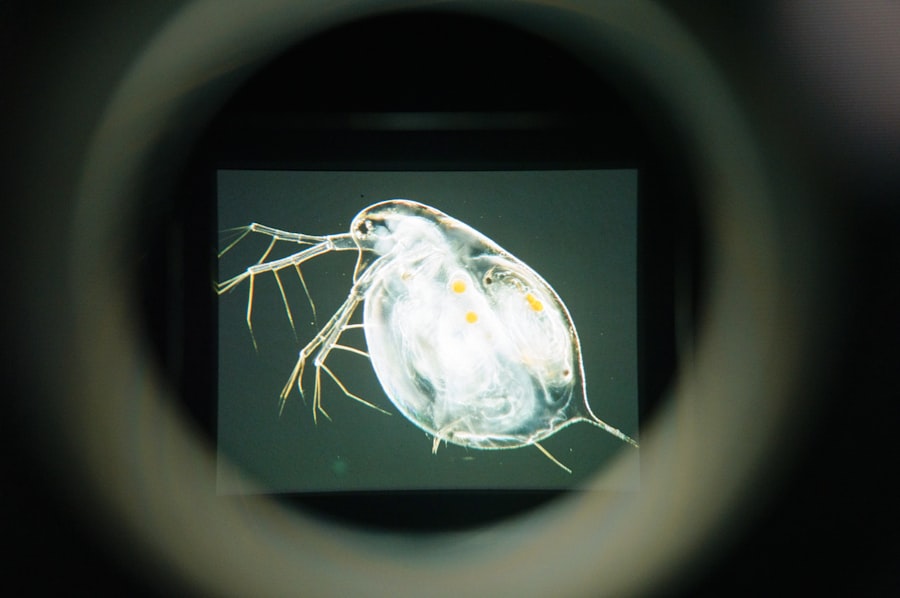
This segment focuses on the remarkable specialization of biological structures. You’re shown the incredible diversity of beaks among finches, each adapted to a specific food source, or the intricate designs of insect eyes, capable of detecting different wavelengths of light. You witness the specialized appendages of crustaceans, the venom delivery systems of snakes, and the complex anatomy of a bat’s wing. The documentary emphasizes that these specialized tools are direct results of natural selection, favoring individuals with traits that best equip them for their ecological niche. You appreciate the elegance and efficiency of these evolutionary solutions, each perfectly designed for its purpose.
The Social Contract: Cooperation and Conflict in the Animal Kingdom
Life isn’t always a solitary struggle. This part of the documentary explores the fascinating dynamics of social behavior, revealing how cooperation, and sometimes fierce conflict, plays a crucial role in survival.
The Power of the Pack: Group Dynamics
You’re introduced to the intricate social structures of various animals. You witness the coordinated hunting strategies of wolf packs, the division of labor in ant colonies, and the complex communication methods of dolphins. The documentary explains the evolutionary advantages of group living, such as increased predator detection, enhanced hunting success, and improved offspring care. You understand that within these social groups, specific roles and hierarchies often emerge, driven by the need for collective efficiency. You see how even within a seemingly harmonious group, individual competition for dominance and resources can still exist.
The Kinship Code: Altruism and Self-Sacrifice
The film delves into the seemingly paradoxical concept of altruism in the animal kingdom. You see examples of meerkats acting as sentinels, risking their lives to warn their colony of danger, or worker bees sacrificing themselves to defend the hive. The documentary explains that this apparent selflessness is often rooted in kin selection, where individuals act to benefit their relatives, thereby indirectly promoting the survival of their own genes. You are challenged to reconsider the purely selfish view of evolution, recognizing the complex interplay of individual and group survival. You learn that protecting family, even at personal cost, can be a highly evolved strategy.
The Fierce Embrace: Mating Rituals and Competition
This segment offers a captivating look at the often dramatic and competitive world of reproduction. You witness the elaborate courtship displays of birds of paradise, the head-butting battles of bighorn sheep, and the territorial defense of male lions. The documentary explains how sexual selection, a powerful force in evolution, drives the development of traits that enhance an organism’s ability to attract a mate and reproduce. You understand that while “survival of the fittest” often refers to survival against the environment, it also encompasses the fierce competition for reproductive success. You witness the beauty and brutality inherent in the drive to propagate the species.
The Shadow of Betrayal: Deception and Exploitation
Not all social interactions are beneficial. The documentary doesn’t shy away from the darker side of social dynamics, showcasing instances of deception and exploitation within groups. You see examples of brood parasitism, where one species lays its eggs in the nest of another, or instances of social cheating within cooperative groups. You understand that just as cooperation can be an evolutionary advantage, so too can the ability to exploit the efforts of others. This adds another layer of complexity to your understanding of “survival of the fittest,” demonstrating that it includes the ability to navigate and manipulate social landscapes.
In exploring the intricate relationships within ecosystems, a fascinating documentary titled “The Secret Life of Trees” delves into the communication networks of forests and their vital roles in sustaining biodiversity. For those interested in further understanding the complexities of biological interactions, this article provides valuable insights into the interconnectedness of life forms. You can read more about it in this related article, which complements the themes presented in the documentary and highlights the importance of preserving our natural environments.
The Evolutionary Legacy: Our Place in the Grand Tapestry
| Title | Duration | Release Year | Rating |
|---|---|---|---|
| Planet Earth | 60 minutes | 2006 | 9.4/10 |
| Life | 50 minutes | 2009 | 9.1/10 |
| Blue Planet II | 60 minutes | 2017 | 9.3/10 |
As the documentary draws to a close, you are brought back to a familiar perspective: humanity. You’re encouraged to reflect on how the same forces that shaped the smallest microbe have also shaped you.
The Human Puzzle: A Relatively New Kid on the Block
You’re presented with a concise overview of human evolution, highlighting our relatively recent emergence and our astonishing capacity for adaptation. The documentary emphasizes that while we possess unique cognitive abilities, we are still subject to the same fundamental principles of natural selection. You see how our ability to adapt our environments, use tools, and develop complex societies has allowed us to thrive in diverse climates. You gain a new appreciation for the long and arduous journey that led to your existence.
The Ongoing Experiment: Human Impact and Future Evolution
The film doesn’t end with a neat conclusion. Instead, you’re confronted with the profound impact humans have had on the planet and the potential implications for future evolution. You see images of both the destruction and the conservation efforts, highlighting the dual nature of our influence. The documentary poses critical questions about whether our intelligence and technological advancements make us exempt from the rules of natural selection, or if they are simply new and powerful tools in a continuing evolutionary process. You are left pondering the long-term consequences of our actions and our role in the future of life on Earth.
The Unseen Threads: Our Shared Ancestry
Finally, the documentary brings its message full circle. You are reminded of the deep and undeniable connection you share with all living things. The intricate DNA that makes you who you are is a direct descendant of the first self-replicating molecules. You see the evolutionary echoes in your own biology, from the basic cellular structures to the fundamental drives for survival and reproduction. You leave the documentary with a profound sense of belonging, a realization that you are not an isolated observer, but an integral part of the grand, ongoing story of “Survival of the Fittest.” The credits roll, but the impact of this journey lingers, forever altering your perspective on the world and your place within it.

Your Body Knows Something You Don’t
FAQs
What is a biology documentary?
A biology documentary is a film or video production that explores various aspects of biology, including the study of living organisms, their structure, function, growth, evolution, and distribution.
What topics are typically covered in a biology documentary?
Biology documentaries often cover a wide range of topics, including genetics, ecology, evolution, animal behavior, plant biology, microbiology, and human biology. They may also explore current research and scientific discoveries in the field of biology.
How are biology documentaries produced?
Biology documentaries are typically produced by a team of filmmakers, researchers, and scientists. The production process may involve extensive research, fieldwork, interviews with experts, and the use of advanced filming techniques to capture natural phenomena and biological processes.
What are the benefits of watching biology documentaries?
Watching biology documentaries can provide viewers with a deeper understanding of the natural world, the diversity of life, and the interconnectedness of living organisms. They can also inspire curiosity, critical thinking, and a greater appreciation for the complexities of biology.
Where can I watch biology documentaries?
Biology documentaries are available for viewing on various platforms, including streaming services, educational websites, and television networks. They may also be accessible through educational institutions, libraries, and online video platforms.