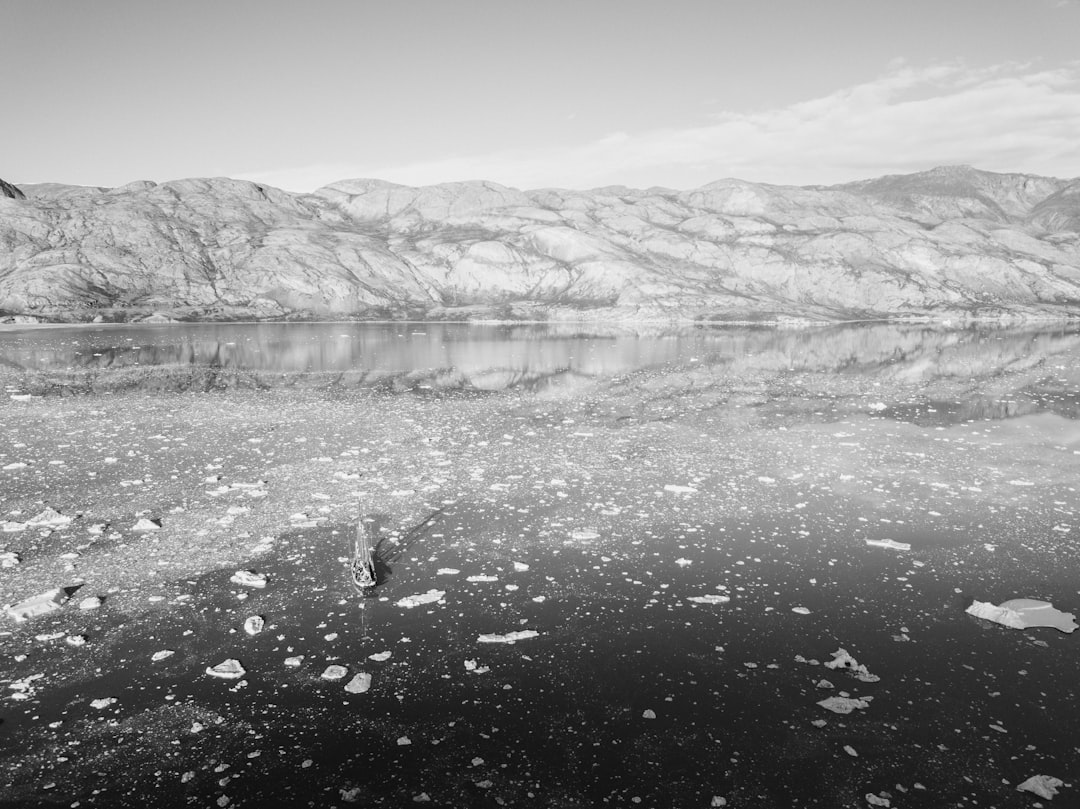
Subsurface Atlantic Warming and Greenland Glaciers
The relationship between the warming of subsurface waters in the Atlantic Ocean and the behavior of Greenland’s marine-terminating glaciers is a critical area of contemporary climate science. This complex interaction contributes significantly to global sea-level rise and represents a crucial feedback loop within the Earth’s climate system. Understanding the mechanisms driving this interaction is essential for accurate future projections of ice sheet stability and coastal inundation.
The Greenland Ice Sheet, second only to the Antarctic Ice Sheet in size, holds enough locked-up water to raise global sea levels by approximately 7 meters. Its present-day mass balance, a net sum of snowfall accumulation and ice loss through melting and calving, is predominantly negative, meaning it is losing more ice than it gains. This mass loss has accelerated significantly in recent decades, with a substantial portion attributed to the dynamic response of its outlet glaciers.
Glacial Dynamics and Ice Loss Mechanisms
Greenland’s ice loss is not uniform. The majority of the thinning and retreat is concentrated along its margins, where glaciers flow into the ocean. These marine-terminating glaciers are particularly sensitive to oceanic conditions at their fronts.
- Calving: The process by which blocks of ice break off the glacier front, forming icebergs. This is a natural process, but warming waters can destabilize ice fronts, increasing calving rates.
- Submarine Melt: Ocean waters in contact with the submerged portions of the glacier front cause direct melting, thinning the ice from below. This process is highly dependent on ocean temperature and circulation patterns.
- Ice Flow Acceleration: The removal of ice at the glacier front, either through calving or submarine melt, can reduce the resistive buttressing forces, allowing the grounded ice upstream to flow faster towards the ocean. This acceleration effectively draws more ice from the interior of the ice sheet.
Historical Context of Greenland’s Melt
While the Greenland Ice Sheet has experienced periods of retreat and advance throughout its history, the current rate and magnitude of mass loss are unprecedented in recent millennia. Observational records, including satellite altimetry and gravimetry, consistently demonstrate an accelerating trend of ice loss since the 1990s.
Recent studies have highlighted the concerning impact of subsurface Atlantic warming on Greenland’s glaciers, revealing that warmer ocean currents are accelerating ice melt and contributing to rising sea levels. For a deeper understanding of this phenomenon and its implications for global climate patterns, you can read more in the related article found here: Freaky Science. This resource provides valuable insights into the complex interactions between ocean temperatures and glacial dynamics.
The Atlantic Gateway: Warm Water Intrusions
The Atlantic Ocean acts as a primary conduit for heat transport towards Greenland’s periphery. Subsurface ocean currents, particularly those originating from the North Atlantic, play a pivotal role in delivering warmer waters to the sensitive glacier fronts.
The Atlantic Meridional Overturning Circulation (AMOC)
The AMOC is a large system of ocean currents that transports warm, salty water northwards in the upper layers of the Atlantic and returns colder, fresher water southwards at depth. Variations in the strength and structure of the AMOC can significantly influence heat delivery to the Greenland shelves.
- Heat Anomalies: Periods of increased strength or altered pathways of AMOC can lead to anomalous warm water intrusions onto the continental shelves surrounding Greenland. These warm water intrusions are distinct from surface warming, as they primarily affect the deeper parts of the ocean column.
- Density Stratification: The interaction of fresh meltwater from glaciers with salty ocean water creates strong density gradients. These gradients can trap warmer, saltier water at depth, preventing it from mixing upward and allowing it to persist in contact with the glacier fronts.
Monitoring Subsurface Warming
A combination of in-situ measurements (e.g., oceanographic moorings, CTD casts from research vessels) and remote sensing (e.g., satellite altimetry for sea surface height, which can infer subsurface heat content) are used to monitor subsurface Atlantic warming. These observations have revealed consistent warming trends in the waters adjacent to Greenland’s marine-terminating glaciers.
Glacier Response to Oceanic Forcing
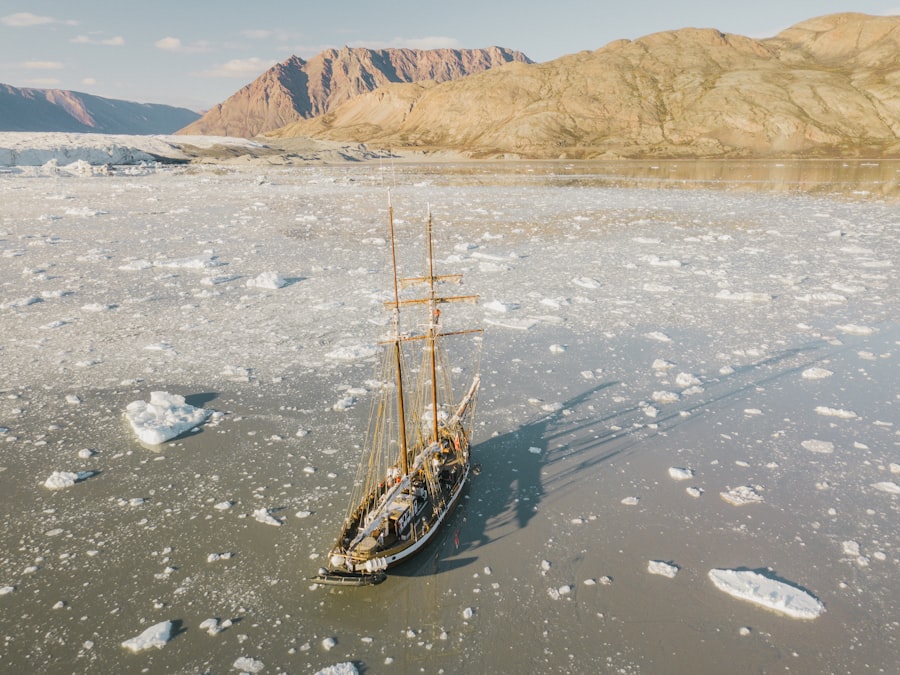
The impact of subsurface Atlantic warming on Greenland’s glaciers is not uniform across the entire ice sheet. Glaciers flowing into deeper fjords with direct access to warm Atlantic waters are particularly vulnerable.
West Greenland Glaciers: A Case Study
Many glaciers in West Greenland, such as Jakobshavn Isbræ (Sermeq Kujalleq), have exhibited dramatic changes in response to warming ocean temperatures. These glaciers typically terminate in deep fjords, providing a direct pathway for warm Atlantic Intermediate Water (AIW) to reach their grounding lines.
- Undercutting and Retreat: As warm waters melt the submerged ice, the glacier front can become undercut, leading to instability and increased calving. This process can cause rapid retreat of the grounding line, where the ice sheet loses contact with the bedrock.
- Dynamic Thinning: The removal of ice at the terminus, combined with reduced buttressing, propagates upstream, causing the entire ice stream to thin and flow faster. This “dynamic thinning” represents a significant contribution to total mass loss.
Southeast Greenland Glaciers and Variability
Southeast Greenland glaciers, while also influenced by Atlantic waters, often exhibit more complex responses due to variations in fjord geometry, bathymetry, and local oceanographic conditions. Some glaciers in this region have shown periods of rapid retreat followed by temporary stabilization or even re-advance, highlighting the intricate interplay of oceanic and atmospheric forcing.
- Fjord Dynamics: The depth and width of fjords significantly control the access and residence time of warm ocean waters at the glacier front. Shallower sills at the fjord entrance can effectively block the deepest, warmest waters.
- Freshwater Plumes: Large volumes of freshwater discharged from melting glaciers can create buoyant plumes that rise to the surface, influencing local circulation and potentially limiting the extent to which warm subsurface water interacts with the ice face.
Future Projections and Sea-Level Rise Implications
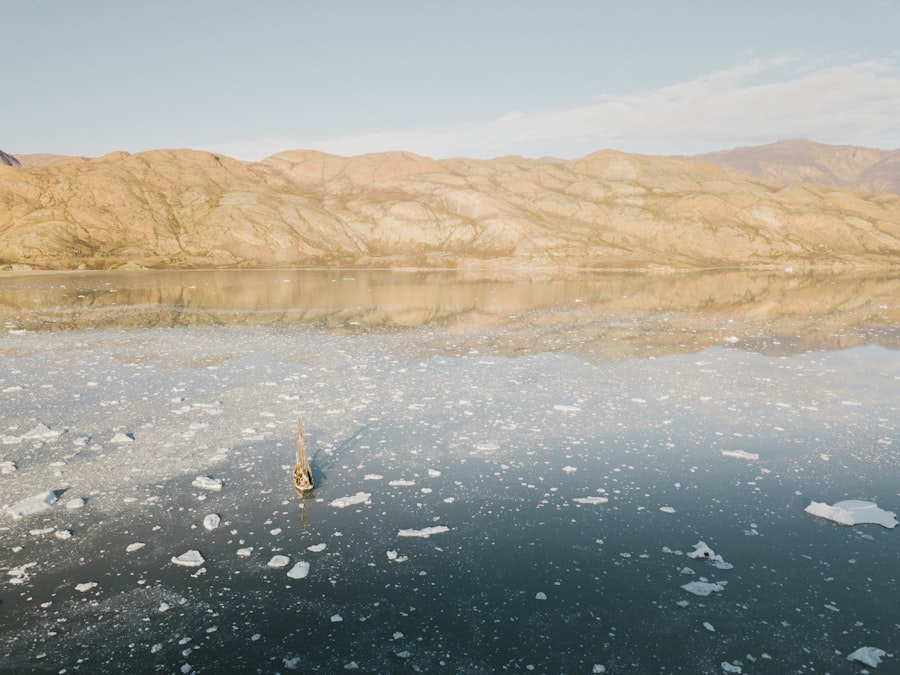
The continued warming of subsurface Atlantic waters poses a substantial threat to the stability of the Greenland Ice Sheet, with profound implications for global sea-level rise. Projecting future ice loss rates requires a robust understanding of these ocean-ice interactions.
Feedbacks and Tipping Points
The system is characterized by various feedback mechanisms that can amplify the effects of initial warming.
- Ice-Albedo Feedback: As the ice sheet melts, darker ocean or land surfaces are exposed, which absorb more solar radiation, leading to further warming and melting.
- Meltwater-Induced Destabilization: While freshwater plumes can initially influence local circulation, vast quantities of meltwater could potentially lubricate the base of glaciers, accelerating their flow, though the exact mechanisms and extent of this effect are still under investigation.
- Marine Ice Cliff Instability (MICI): This hypothesis suggests that once ice cliffs exceed a certain height above the waterline, they become inherently unstable and prone to collapse, potentially leading to rapid and irreversible retreat of marine-terminating glaciers. The presence of warm subsurface waters could exacerbate this instability by melting the ice from below.
Uncertainties in Model Projections
Despite significant advancements, predicting the future behavior of Greenland’s glaciers remains challenging due to several key uncertainties.
- Subsurface Ocean Dynamics: The precise pathways and variability of warm Atlantic waters on Greenland’s continental shelves are still not fully understood or accurately represented in global climate models.
- Glacier Basal Conditions: The topography and geology beneath the ice sheet, particularly the nature of the bedrock and the presence of subglacial hydrological systems, strongly influence glacier flow and their response to external forcing. These factors are often poorly constrained by observations.
- Coupling of Ice Sheet and Ocean Models: Integrating complex ice sheet models with sophisticated ocean models is computationally intensive and requires careful calibration and validation.
Recent studies have highlighted the alarming impact of subsurface Atlantic warming on Greenland’s glaciers, revealing how rising ocean temperatures are accelerating ice melt and contributing to global sea level rise. For a deeper understanding of this phenomenon and its implications, you can explore a related article that discusses the intricate relationship between ocean currents and glacial dynamics. This insightful piece can be found here. As scientists continue to investigate these changes, the urgency to address climate change becomes increasingly clear.
Mitigating Future Impacts
| Metric | Value | Unit | Description |
|---|---|---|---|
| Subsurface Atlantic Ocean Temperature Increase | 0.5 – 1.0 | °C | Warming observed at depths of 200-800 meters near Greenland glaciers over the past 30 years |
| Rate of Greenland Glacier Mass Loss | 250 – 300 | Gt/year | Annual ice mass loss attributed to increased ocean-induced melting |
| Subsurface Ocean Heat Content Increase | 0.1 – 0.3 | W/m² | Increase in heat content in the Atlantic water layer impacting glacier termini |
| Glacier Terminus Retreat Rate | 100 – 200 | m/year | Average retreat of glacier fronts influenced by warmer Atlantic waters |
| Atlantic Water Layer Depth | 200 – 800 | m | Depth range where warming Atlantic waters interact with glacier bases |
| Increase in Subsurface Salinity | 0.05 – 0.1 | PSU | Salinity increase in Atlantic waters contributing to density-driven circulation changes |
Addressing the challenge of subsurface Atlantic warming and its impact on Greenland’s glaciers necessitates a global response to climate change.
Reducing Greenhouse Gas Emissions
The primary driver of oceanic warming, including the subsurface Atlantic, is the anthropogenic emission of greenhouse gases. Significant and sustained reductions in these emissions are paramount to stabilizing global temperatures and, consequently, ocean heat content.
- International Cooperation: Collaborative efforts among nations to transition to low-carbon economies are essential.
- Technological Innovation: Development and deployment of renewable energy sources, energy efficiency improvements, and carbon capture technologies are crucial components of mitigation strategies.
Enhanced Observational Networks and Research
Continued investment in monitoring networks around Greenland and in the Atlantic Ocean is vital for improving our understanding of current processes and refining future projections.
- Autonomous Underwater Vehicles (AUVs): These platforms can provide high-resolution data on ocean temperature, salinity, and currents in remote and challenging environments, such as beneath ice shelves and within fjords.
- Satellite Missions: Next-generation satellite missions with improved resolution and capabilities can track ice sheet elevation changes, glacier flow speeds, and ocean surface characteristics with greater precision.
- Integrated Earth System Models: Further development of models that seamlessly couple atmospheric, oceanic, and ice sheet components will enhance predictive capabilities and allow for more comprehensive assessments of climate change impacts.
In conclusion, the subsurface warming of the Atlantic Ocean is a formidable force shaping the future of Greenland’s glaciers. The interaction between these vast systems, a dance between heat and ice, has profound implications for global sea levels and coastal communities worldwide. As observers of this unfolding drama, we are called upon to understand its intricate choreography and to act decisively to influence its course. The ongoing research and monitoring efforts serve as our eyes and ears, providing the insights necessary to navigate the challenges presented by a warming planet and its dynamic ice sheets.

WARNING: The Ocean Conveyor Belt Is Already Collapsing
FAQs
What is subsurface Atlantic warming?
Subsurface Atlantic warming refers to the increase in ocean temperatures below the surface layer of the Atlantic Ocean. This warming can affect ocean currents and marine ecosystems and has implications for climate patterns and ice melt in nearby regions.
How does subsurface Atlantic warming impact Greenland glaciers?
Warming of subsurface Atlantic waters can lead to increased melting of Greenland’s glaciers from below, as warmer ocean water comes into contact with glacier fronts. This process accelerates glacier retreat and contributes to rising sea levels.
What causes subsurface Atlantic warming near Greenland?
Subsurface Atlantic warming near Greenland is primarily caused by changes in ocean circulation patterns, including the influx of warmer Atlantic waters into the Arctic region. Climate change and shifting wind patterns also contribute to the warming of these deeper ocean layers.
Why is the melting of Greenland glaciers significant?
The melting of Greenland glaciers is significant because it contributes to global sea level rise, which can lead to coastal flooding and habitat loss worldwide. Additionally, glacier melt affects ocean salinity and circulation, influencing global climate systems.
How is subsurface Atlantic warming monitored?
Scientists monitor subsurface Atlantic warming using a combination of satellite data, oceanographic buoys, underwater gliders, and research vessels. These tools measure temperature, salinity, and currents at various depths to track changes over time.