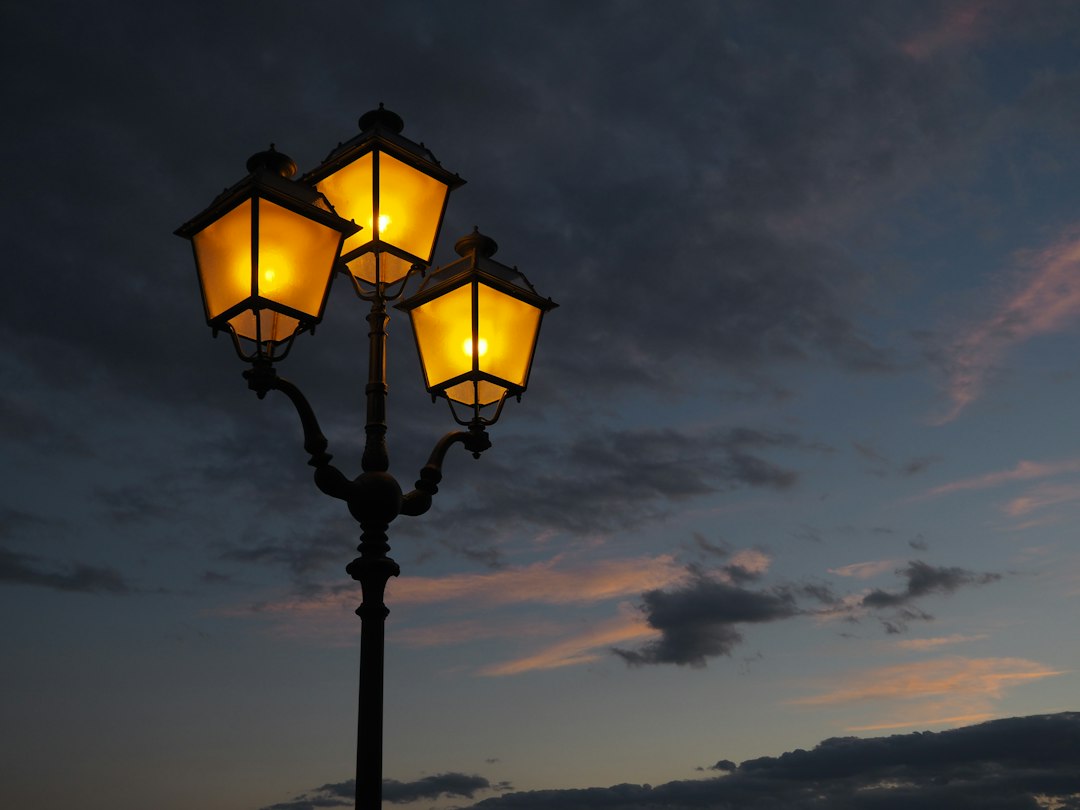
So, you’ve noticed those streetlights changing color, or maybe you’re just curious about why they’re no longer the familiar warm orange or bright white. It’s a conversation happening in a lot of places, and it’s not just about aesthetics. This shift from older, more traditional lighting to newer technologies like LEDs, and specifically, their different color temperatures, is sparking a pretty interesting debate. The core question is: does the color of our streetlights actually matter when it comes to our safety and how efficiently our cities run? The short answer is yes, it does, and the implications are more complex than you might think.
The Shift to LED and the Rise of Color Temperature
For decades, many of us grew up with high-pressure sodium (HPS) streetlights. These are the ones that cast that distinct yellow or orange glow. They were durable, relatively inexpensive to operate for their time, and provided a decent amount of light. However, they were also energy hogs and their light spectrum wasn’t always ideal for rendering colors accurately.
Then came the LED revolution. Light Emitting Diodes offered a massive leap in energy efficiency. They use significantly less electricity than HPS lamps, which translates to lower utility bills for cities and a smaller carbon footprint. But LEDs also come with a wider range of color options, often described by their “color temperature,” measured in Kelvin (K).
Understanding Kelvin and Light Color
When we talk about color temperature, it’s a bit counter-intuitive. Lower Kelvin numbers (around 2700K to 3000K) produce a “warmer” light, closer to what an incandescent bulb or HPS lamp gives off – that yellowish hue. Higher Kelvin numbers (4000K and above) produce a “cooler” or “bluer” light. Think of a very hot flame versus a cooler ember.
This is where the debate really kicks in. Cities are increasingly opting for higher color temperature LEDs, often in the 4000K to 5000K range, or even higher. The reasons are usually centered around perceived visibility and cost savings.
Why Cities Are Choosing Cooler Lights
The primary drivers for cities switching to cooler LED streetlights often boil down to a few key points:
- Perceived Brightness and Visibility: Cooler, bluer light can appear brighter to the human eye than warmer light at the same lumen output. This is due to how our eyes’ photoreceptors (rods and cones) respond to different wavelengths of light. Many believe this increased perceived brightness leads to better visibility, making it easier to see obstacles, identify people, and generally feel safer.
- Energy Efficiency Claims: While all LEDs are more efficient than HPS, there’s sometimes a perception that cooler-colored LEDs can be slightly more efficient in terms of lumen output per watt, though this difference is often marginal and depends on the specific fixture.
- Cost: Historically, the fixtures designed for cooler color temperatures might have been more readily available or cost-effective for manufacturers.
However, this shift isn’t without its critics. The change in light color has raised concerns, particularly from those who prioritize different aspects of public lighting.
In recent investigations into the effects of streetlight color changes on urban environments, researchers have found that different hues can significantly impact driver behavior and pedestrian safety. A related article that delves deeper into this topic can be found at Freaky Science, where the implications of light color on visibility and mood are discussed in detail. This exploration highlights the importance of considering color temperature in urban planning and street design.
The Safety Debate: Visibility, Glare, and Human Perception

The idea that cooler, bluer light makes us safer is a cornerstone of the argument for their widespread adoption. The logic is straightforward: if you can see better, you’re less likely to trip, less likely to be surprised by a pedestrian or cyclist, and potentially less vulnerable to crime.
The Argument for Enhanced Visibility
Proponents of cooler LEDs often point to studies that suggest a higher Correlated Color Temperature (CCT) can improve visual acuity. This means that under cooler light, people can discern details more sharply. For example, distinguishing the color of a car, spotting a pothole, or recognizing a face might be easier.
This can have a tangible impact on road safety. Drivers might react quicker to hazards, and pedestrians might feel more confident navigating sidewalks. In areas where crime is a concern, some believe that brighter, bluer light acts as a deterrent.
The Counterarguments: Glare and Discomfort
However, this enhanced visibility comes with a significant caveat: glare. Cooler, bluer light tends to scatter more in the atmosphere than warmer light. This scattering can lead to increased glare, especially for older drivers or those with certain visual impairments. Glare can reduce contrast and make it harder to see, paradoxically reducing safety.
Imagine driving on a foggy or rainy night. The blueish light from the streetlights can bounce off the water droplets, creating a blinding halo effect that obscures the road ahead. This is a common complaint from residents in areas that have undergone streetlight upgrades.
Furthermore, the “bluer” light can sometimes feel harsh and unwelcoming. It can wash out colors, making the environment feel sterile or even intimidating. This subjective experience of discomfort can lead to a feeling of decreased safety and a general dissatisfaction with the public realm.
The Impact on Wildlife and the Environment
Beyond human perception, the color of our streetlights has a significant impact on the natural world. This is a major point of contention for environmental groups and those concerned about light pollution.
- Disruption of Nocturnal Ecosystems: Many nocturnal animals – insects, bats, birds, and even plants – have evolved over millennia to function in natural light cycles. The introduction of artificial light, especially light with a high blue content, can disrupt their behavior. Insects are drawn to lights, leading to mass mortality. Bats, which often feed on insects, can have their hunting patterns disrupted. The natural sleep-wake cycles of various creatures can be thrown off, impacting their ability to feed, reproduce, and migrate.
- Blue Light’s Greater Ecological Impact: Research suggests that light with a higher proportion of blue wavelengths is particularly disruptive to wildlife. This is because many biological processes in nature are sensitive to specific light spectrums, and blue light can mimic daylight, confusing organisms that are adapted to darkness.
- Skyglow: The scattering of light, particularly bluer light, into the atmosphere contributes significantly to “skyglow” – the brightening of the night sky over inhabited areas. This makes it harder to see stars and can impact astronomical research.
The shift to cooler LEDs, while ostensibly for human benefit, can have unintended and detrimental consequences for the delicate balance of nocturnal ecosystems.
Efficiency Gains: Beyond Just Energy Savings

When we talk about efficiency in street lighting, the most obvious benefit is the reduction in energy consumption. However, the efficiency discussion is broader and touches on operational costs, maintenance, and the overall longevity of the lighting infrastructure.
The Clear Energy Advantage of LEDs
It’s undeniable that LEDs are far more energy-efficient than their predecessors. Replacing older, power-hungry lights with LEDs can lead to substantial savings on electricity bills for municipalities. This is a significant factor for many city budgets, allowing funds to be reallocated to other public services.
For example, a typical 100-watt LED streetlight might provide the same or better illumination as a 400-watt HPS lamp. This 75% reduction in energy consumption, scaled across thousands or millions of streetlights, adds up to millions of dollars in savings annually.
Longer Lifespans and Reduced Maintenance
Another major efficiency gain comes from the lifespan of LED fixtures. While traditional bulbs might last a few thousand hours, many LED lamps are rated for 50,000 to 100,000 hours or more. This means they need to be replaced far less frequently.
This translates to:
- Lower Maintenance Costs: Fewer bulb replacements mean fewer service calls, less labor, and less expense associated with maintenance crews.
- Reduced Traffic Disruption: Changing streetlights often requires road closures or traffic control measures. With longer-lasting LEDs, these disruptions are significantly reduced, saving time and minimizing inconvenience for residents.
- Improved Reliability: Fewer failures mean more consistent lighting across the city, contributing to a more reliable and predictable public lighting system.
Smart Lighting and Data Integration
Modern LED streetlights are also often designed with “smart” capabilities. This opens up a whole new level of efficiency and functionality:
- Remote Monitoring and Control: Cities can remotely monitor the status of individual streetlights, detect outages instantly, and even adjust brightness levels based on real-time needs (e.g., dimming lights during off-peak hours or in areas with less pedestrian traffic).
- Data Collection: Smart streetlights can be equipped with sensors to collect data on traffic flow, air quality, noise levels, and more. This data can be invaluable for urban planning, traffic management, and improving city services.
- Dynamic Lighting: The ability to dynamically adjust lighting levels based on specific events or times of day can further optimize energy usage and enhance safety where needed.
These smart capabilities, while sometimes requiring an initial investment, offer long-term operational efficiencies that go far beyond simple energy savings.
The Spectrum of Solutions: Finding the Right Balance
The debate over streetlight color isn’t an either/or situation. Many experts and cities are looking for ways to find a balance that delivers safety, efficiency, and environmental responsibility. The key lies in understanding that different applications might call for different lighting solutions.
The Case for Warmer Color Temperatures
There’s a growing movement advocating for the use of warmer color temperature LEDs, typically in the 2700K to 3000K range, for street lighting. The arguments for this approach include:
- Reduced Glare and Improved Visual Comfort: Warmer light is less prone to scattering, leading to significantly less glare and a more comfortable visual experience for drivers and pedestrians.
- Better Color Rendering: Warmer light tends to render colors more naturally, making it easier to distinguish the true colors of objects, people, and vehicles.
- Minimized Ecological Impact: Warmer LEDs emit less blue light, which is crucial for reducing the disruption to nocturnal wildlife and minimizing skyglow.
- Preserving the Night Sky: For cities aiming to reduce light pollution, warmer lights are a more responsible choice.
While some might argue they appear “dimmer,” this is often a perceptual issue that can be overcome with proper fixture design and adequate lumen output.
The Importance of Proper Fixture Design
It’s not just about the color temperature of the bulb itself, but how that light is delivered. A well-designed streetlight fixture can:
- Direct Light Where It’s Needed: The goal of street lighting is to illuminate the street and sidewalks, not the sky or adjacent properties. High-quality fixtures use optics to precisely control the light distribution, minimizing light trespass and light pollution.
- Reduce Glare: Thoughtful fixture design can shield the light source and prevent direct glare from reaching the eyes of drivers and pedestrians.
- Maximize Uniformity: Even illumination across the area is crucial for safety, preventing dark spots where hazards could be hidden.
Even a warmer colored LED can cause glare and light pollution if it’s housed in a poorly designed fixture. Conversely, a cooler LED in a well-designed fixture might mitigate some of the negative effects.
The Role of Standards and Regulations
As the technology evolves, so too do the standards and regulations governing outdoor lighting. Many organizations, like the International Dark-Sky Association (IDA) and the Illuminating Engineering Society (IES), provide guidelines and recommendations for responsible outdoor lighting.
These recommendations often advocate for:
- Using only the amount of light necessary.
- Shielding fixtures to direct light downward.
- Using the lowest possible color temperature that meets safety and visual needs.
- Implementing controls to dim or turn off lights when not needed.
Cities that adopt these best practices are more likely to achieve a lighting solution that is both effective and environmentally conscious.
In recent discussions about urban lighting, an intriguing investigation into the effects of streetlight color changes on public safety and perception has emerged. This study highlights how different hues can influence driver behavior and pedestrian comfort. For those interested in exploring this topic further, a related article can be found at Freaky Science, which delves into the science behind color psychology and its practical applications in city planning.
Moving Forward: Informed Choices for Our Streets
| Metric | Description | Value | Unit |
|---|---|---|---|
| Number of Streetlights Investigated | Total count of streetlights analyzed for color change | 150 | Units |
| Percentage of Color Change Detected | Proportion of streetlights showing a color change | 12 | % |
| Average Time to Detect Color Change | Mean duration from installation to color change detection | 18 | Months |
| Common Color Change Type | Most frequently observed color change pattern | White to Yellow | N/A |
| Primary Cause Identified | Main reason for color change in streetlights | LED Degradation | N/A |
| Number of Replacements Recommended | Streetlights suggested for replacement due to color change | 20 | Units |
| Investigation Duration | Total time taken to complete the investigation | 3 | Months |
The conversation around streetlight color is more than just a technical discussion; it’s about how we shape our urban environments and what we prioritize for our communities. It involves a delicate balancing act between technological advancement, public safety, environmental stewardship, and economic considerations.
The Need for Public Engagement and Education
One of the biggest challenges is ensuring that the public understands the implications of these lighting choices. When streetlights are changed, residents often have strong opinions, but these opinions are sometimes based on anecdotal evidence or a lack of information about the underlying technology and its effects.
Cities that actively engage their communities, explain the reasons behind lighting decisions, and provide opportunities for feedback are more likely to gain public trust and achieve successful outcomes. This might involve public meetings, informational websites, or pilot programs where residents can experience different lighting options.
Case Studies and Best Practices
Looking at how other cities have approached this transition can offer valuable insights. Some municipalities have conducted comprehensive audits of their existing lighting, assessed the needs of different areas, and implemented phased upgrades using a variety of lighting solutions.
For instance, a city might opt for warmer LEDs on residential streets where visual comfort and minimal ecological impact are paramount, while using slightly cooler, but still well-shielded, LEDs on major roadways where maximum visibility is critical. Integrating smart lighting controls across all areas can then optimize efficiency.
A Call for Nuance, Not Just Technology
Ultimately, the shift in streetlight color is a symptom of a broader technological evolution. The focus should not be solely on adopting the “latest” or “most efficient” technology without considering its full impact.
A nuanced approach is needed, one that:
- Prioritizes well-being: Considering the impact on human comfort, vision, and mental well-being.
- Respects the environment: Minimizing harm to nocturnal ecosystems and light pollution.
- Leverages technology wisely: Using smart controls and fixture design to optimize performance.
- Embraces collaboration: Engaging stakeholders, experts, and the public in the decision-making process.
By moving beyond a simple “brighter is better” or “cooler is more efficient” mindset, cities can make informed choices that create safer, more livable, and more sustainable communities for everyone. The debate over streetlight color is a critical one, and by understanding its complexities, we can illuminate our future more thoughtfully.
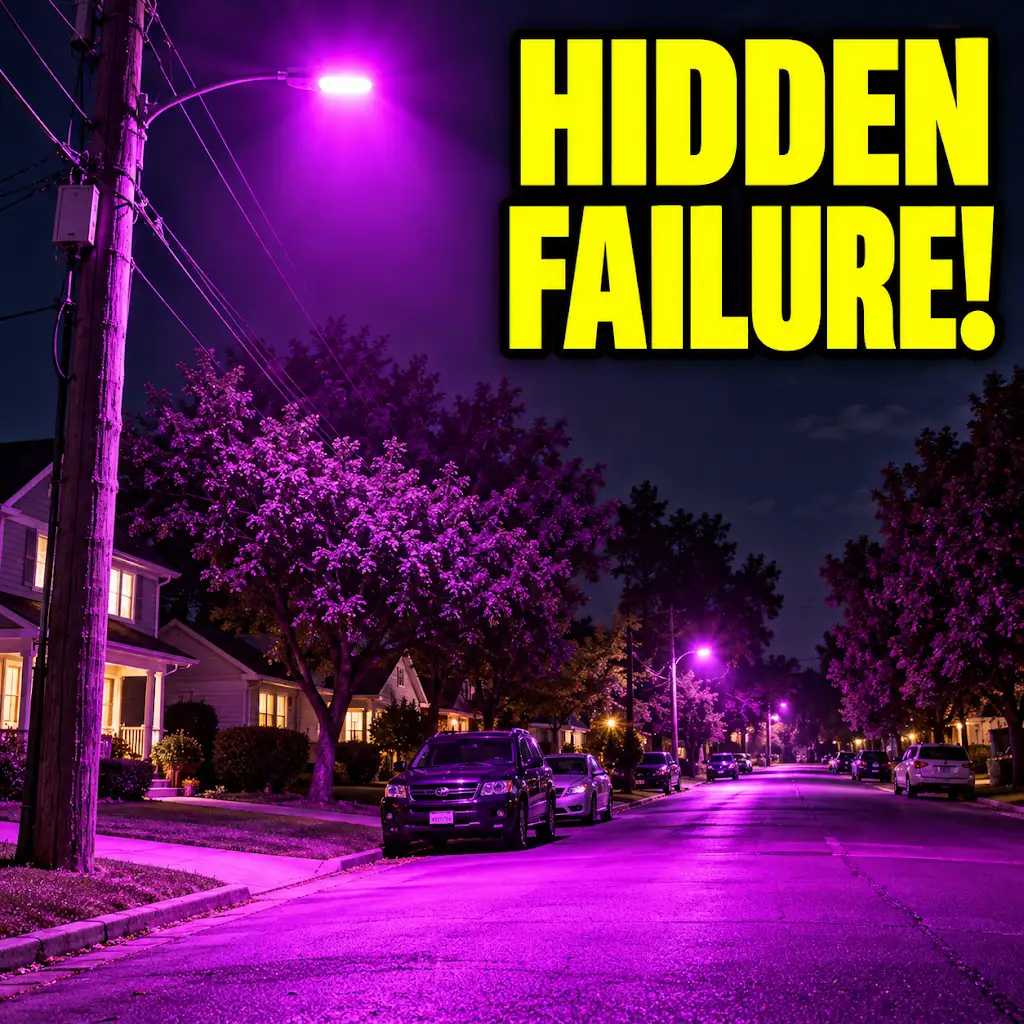
Why The Streetlights Are Turning Purple
FAQs
Why are streetlight colors being investigated for change?
The investigation into streetlight color change is being conducted to determine the potential impacts of different color temperatures on public health, safety, and the environment.
What are the different color temperatures being considered for streetlights?
The investigation is looking at various color temperatures, including warm white (around 2700K), neutral white (around 4000K), and cool white (around 5000K) for streetlighting.
How does streetlight color temperature affect visibility and safety?
Studies suggest that higher color temperature streetlights (such as cool white) may improve visibility at night, potentially enhancing safety by making it easier to see objects and people in the dark.
What are the potential health concerns associated with different streetlight colors?
Some research indicates that exposure to blue-rich light at night, such as that emitted by cool white streetlights, may disrupt circadian rhythms and have negative effects on sleep quality and overall health.
What factors are being considered in the decision-making process regarding streetlight color changes?
The investigation is taking into account scientific research, public feedback, cost considerations, and regulatory guidelines to make informed decisions about potential streetlight color changes and their implications.