
Starlink V2 Mini: Resolving Electronic Hum Interference
The proliferation of low Earth orbit (LEO) satellite constellations, such as SpaceX’s Starlink, has introduced a novel set of challenges for radio astronomy and other sensitive radio receivers. Among these challenges, the emission of radio frequency interference (RFI) from the satellites themselves has emerged as a significant concern. Early iterations of Starlink satellites, while facilitating global internet access, have been identified as contributing to a specific type of interference: a persistent electronic hum. This article examines the characteristics of the electronic hum associated with Starlink V2 Mini satellites and the technical strategies being implemented to mitigate its impact.
The electronic hum is not a single, monolithic interference signal but rather a complex aggregate of emissions from a multitude of satellites in orbit. Understanding its nature requires an appreciation of the operational characteristics of LEO satellite constellations.
The Nature of Satellite Emissions
Satellites, by their very design, are radio emitters and receivers. They communicate with ground stations for data transmission and reception, as well as with other satellites for inter-satellite communication. These transmissions occur across specific radio frequency bands allocated for satellite services. The Starlink constellation primarily utilizes the Ku and Ka bands for its user terminals and inter-satellite links.
Ku and Ka Band Operations
The Ku band, typically ranging from 12 to 18 GHz, and the Ka band, from 26.5 to 40 GHz, are chosen for their relatively high bandwidth capabilities, which are essential for delivering high-speed internet. However, these frequencies also fall within or adjacent to spectral regions of interest for various scientific observations, including radio astronomy. Both the user terminals on Earth and the satellites themselves emit radio waves to establish and maintain these communication links.
Continuous Transmission and Orbital Mechanics
A defining characteristic of LEO satellite interference is its temporal and spatial variability. Unlike terrestrial RFI, which may be stationary or have predictable diurnal patterns, satellite emissions are constantly moving across the sky. A single satellite traverses the celestial sphere rapidly, and the cumulative effect of hundreds or thousands of satellites creates a dynamic interference environment. The hum is a manifestation of the density of these transmissions and the integration of their signals over time by terrestrial receivers.
The Spectral Signature of the Hum
The electronic hum, as perceived by sensitive receivers, often manifests as a broadband increase in the noise floor, sometimes with resonant peaks at specific frequencies. It is not necessarily a single, pure tone but a collection of interfering signals that, when summed, create a pervasive background noise.
Broadband Noise Floor Increase
The most common symptom of this interference is an elevation of the system’s minimum detectable signal. This means that fainter astronomical sources or other weak radio signals can be masked by the presence of the Starlink hum, rendering them undetectable or significantly degrading the quality of measurements.
Frequency-Specific Peaks
While often described as broadband, the hum can exhibit spectral characteristics that are indicative of the specific frequency bands being utilized by the satellites and potentially the modulation schemes employed. Researchers have identified certain frequency ranges where the interference is particularly pronounced. This can be due to the specific Starlink transmission frequencies, harmonic distortions, or spurious emissions.
Contributing Factors to the Hum
Several factors contribute to the intensity and detectability of the electronic hum. These include the sheer number of satellites, their transmission power, antenna characteristics, and the sensitivity of the receiving instruments on the ground.
Satellite Constellation Density
The rapid deployment of a large number of Starlink satellites undeniably increases the probability of interference. As the constellation grows, the sky becomes increasingly populated with active radio transmitters, leading to a higher cumulative signal strength observed by any given point on Earth.
Spurious Emissions and Side Lobes
In addition to their intended communication signals, electronic devices can produce unintended emissions. These can include harmonics of the fundamental transmission frequencies or signals emanating from the side lobes of the satellite’s antennas. While regulations aim to minimize these, the sheer scale of Starlink operations amplifies their collective impact. The V2 Mini satellites, being a newer generation with potentially different design choices and operating parameters, are thus subject to scrutiny regarding these emission characteristics.
Starlink V2 Mini has garnered attention for its impressive capabilities, but some users have reported issues with electronic hum interference. This phenomenon can disrupt the performance of various electronic devices in proximity to the satellite system. For a deeper understanding of this issue and potential solutions, you can read a related article on the topic at Freaky Science. This resource provides insights into the causes of electronic hum interference and offers practical advice for mitigating its effects.
Starlink V2 Mini: Design Evolution and Interference Mitigation
SpaceX has acknowledged the interference concerns raised by the scientific community and has implemented design changes in subsequent satellite generations, including the V2 Mini, to address these issues. The V2 Mini represents an evolution in Starlink satellite design, with specific considerations aimed at reducing radio frequency interference.
Antenna Technology and Beamforming
A key area of focus for interference reduction has been the improvement of antenna technology and the implementation of more sophisticated beamforming techniques.
Narrower Beamwidths
Starlink satellites employ phased array antennas, which allow them to electronically steer their communication beams. For the V2 Mini, there has been an emphasis on achieving narrower beamwidths. This means that the energy of the transmissions is more tightly focused towards the intended ground stations or other satellites, reducing the amount of radio energy that spills into unintended directions, a significant contributor to off-axis interference.
Advanced Beam Steering Algorithms
The algorithms that control the steering of these beams have also been refined. More precise beam steering ensures that during periods of potential interference with sensitive ground-based observatories, the satellite’s main beam is not directed towards those locations. This requires sophisticated coordination and knowledge of the positions and operational status of observatories.
Transmission Power Management
The power levels at which satellites transmit can have a direct impact on the strength of interference. SpaceX has indicated efforts to optimize transmission power.
Adaptive Power Control
In certain scenarios, Starlink satellites can adjust their transmission power. This adaptive power control is designed to use only the necessary amount of power to maintain a reliable link, thereby reducing unnecessary emissions that could contribute to interference. This is particularly relevant when a satellite is passing over an area with many active ground terminals, ensuring efficient power utilization and minimizing potential leakage.
Reduced Spurious Emissions
Through improved filter design and component selection, the V2 Mini satellites are intended to exhibit reduced levels of spurious emissions. These are unwanted signals that can arise from non-linearities in the satellite’s electronic components. Minimizing these spurious signals across the frequency spectrum is crucial for alleviating interference.
Frequency Management and Spectrum Leasing
The responsible use of radio spectrum is a collaborative effort involving satellite operators and regulatory bodies. Starlink V2 Mini has seen adjustments in its operational frequencies and strategies for managing its spectral footprint.
Optimized Frequency Allocation
While Starlink primarily operates in the Ku and Ka bands, there can be opportunities to optimize the specific frequencies within these bands that are used. By avoiding or minimizing transmission in radio astronomically sensitive bands, or by coordinating usage, interference can be reduced.
Coordination with Radio Astronomy Services
Discussions and data sharing between SpaceX and radio astronomy organizations have become increasingly important. This coordination allows for the identification of potential interference hotspots and the development of strategies for avoiding simultaneous observations. The V2 Mini’s design may also incorporate features that allow for more dynamic interaction with ground-based receivers, potentially enabling real-time avoidance maneuvers.
Observational Impact and Characterization of V2 Mini Emissions
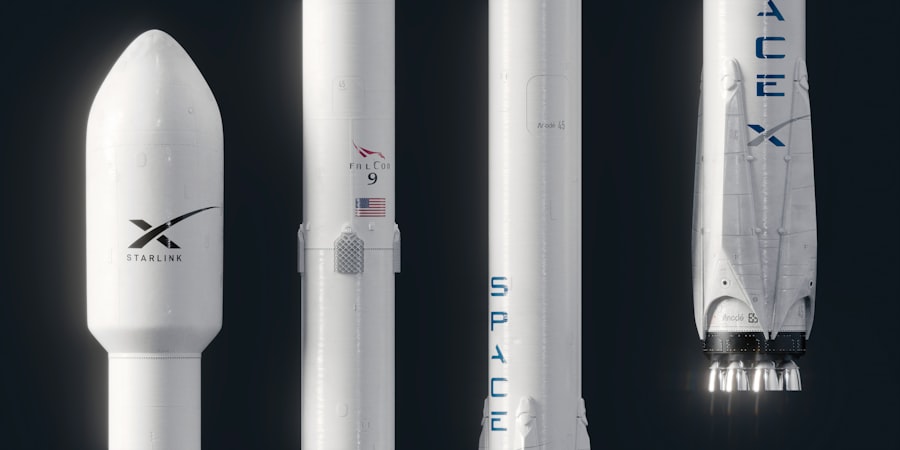
Despite design improvements, the Starlink V2 Mini constellation continues to contribute to the radio frequency interference environment. Ongoing research is crucial for accurately characterizing these emissions and assessing their impact.
Direct Measurement and Data Collection
Radio astronomers are actively tracking and analyzing signals from Starlink V2 Mini satellites. This involves specialized equipment and sophisticated data processing techniques.
Dedicated Observation Campaigns
Institutions operating radio telescopes have initiated dedicated observation campaigns focused on characterizing Starlink emissions. These campaigns involve observing the satellites directly, as well as measuring the ambient radio environment when satellites are in the field of view.
Spectral Analysis and Signal Footprint Mapping
Detailed spectral analysis is performed on the observed interference signals. This helps to pinpoint the specific frequencies affected, the bandwidth of the emissions, and the temporal variations. Mapping the signal footprint allows scientists to understand how the interference propagates and impacts different observation directions. The V2 Mini’s emissions are compared to those of earlier Starlink versions to quantify the effectiveness of the design changes.
Impact on Scientific Research
The presence of Starlink V2 Mini interference poses a tangible threat to various fields of scientific research that rely on sensitive radio observations.
Radio Astronomy Observations
The most direct impact is on radio astronomy. Faint celestial objects, such as distant galaxies or the early universe, emit signals at very low power levels. The persistent hum from Starlink can mask these signals, making it impossible to detect them or study their properties with the necessary precision. This research can include studies of cosmology, exoplanet atmospheres, and the formation of stars and galaxies.
Other Radio-Sensitive Applications
Beyond radio astronomy, other applications that rely on highly sensitive radio reception can also be affected. This could include atmospheric research, radar systems used for Earth observation, or even some forms of passive sensing. The consistent presence of broadband interference can degrade the performance of these systems.
Mitigation Strategies Evolving with V2 Mini
The ongoing monitoring of Starlink V2 Mini emissions informs the development of new mitigation strategies. This is an iterative process, with improvements in satellite design and ground-based techniques working in concert.
Cataloging and Predictive Modeling of Satellite Passes
Detailed catalogs of Starlink satellite orbits are maintained. This allows astronomers to predict when satellites will pass through their observational fields. These predictions are then used to schedule observations, avoid periods of high interference, or implement specific mitigation techniques during these passes. Predictive modeling also extends to forecasting the expected interference levels based on the number and characteristics of satellites in view.
Real-time Interference Monitoring and Avoidance
Advanced observatories are developing real-time monitoring capabilities. This allows them to detect the onset of interference from Starlink satellites and, in some cases, to adapt their observations accordingly. This could involve temporarily ceasing observations, reorienting antennas, or activating specialized signal processing techniques to filter out the interference. The V2 Mini’s improved steerability may facilitate more responsive avoidance maneuvers on the part of the satellites themselves, if such coordination can be established.
Technical Approaches to Signal Suppression
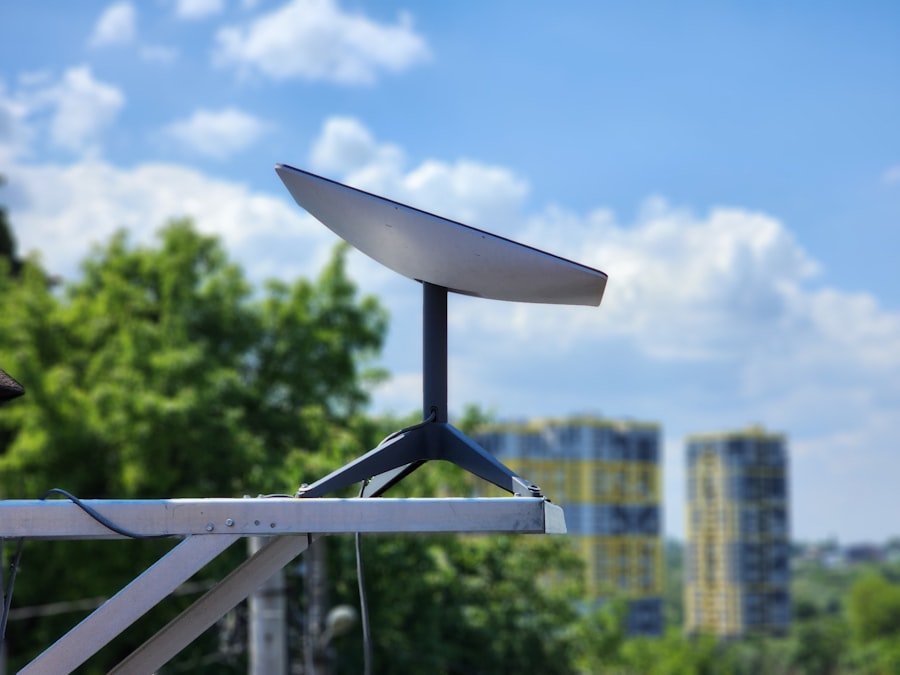
Beyond satellite design, ground-based observatories and research institutions are developing and implementing a range of technical approaches to suppress or mitigate the impact of the Starlink V2 Mini electronic hum.
Advanced Signal Processing Techniques
Sophisticated algorithms are being employed to filter out or characterize the interference signals.
Digital Filtering and Spectral Subtraction
Digital signal processing offers powerful tools for interference mitigation. Spectral subtraction algorithms can be trained to identify the typical spectral signature of the Starlink hum and then remove it from the observed data. This involves analyzing the noise spectrum and subtracting a derived interference profile.
Adaptive Interference Cancellation
More advanced techniques involve adaptive interference cancellation, where the system learns the characteristics of the interference in real-time and actively generates a canceling signal. This requires precise knowledge of the interference signal’s phase and amplitude.
Hardware Solutions and Shielding
Physical modifications and specialized hardware can also play a role in reducing interference.
Improved Receiver Design
The design of radio receivers themselves is being re-evaluated. This includes the use of more selective filters, higher dynamic range components, and optimized antenna patterns to reduce the susceptibility to out-of-band signals. The inclusion of specific notch filters tuned to known Starlink frequencies is also a possibility.
Faraday Cages and Shielded Enclosures
For particularly sensitive instruments, the use of Faraday cages or shielded enclosures can provide physical isolation from external radio frequency emissions. While not practical for large radio telescopes, these methods can be effective for smaller, more localized receivers.
Collaborative Efforts and Future Standards
The challenge of satellite interference is not confined to any single institution or operator. Collaborative efforts and the development of future standards are essential for a long-term solution.
Data Sharing and Best Practices
The sharing of observational data and interference characterization across different research groups and with satellite operators is crucial. This collective knowledge base helps to identify trends, refine mitigation techniques, and inform future satellite design. Developing and disseminating best practices for operating sensitive radio receivers in an increasingly RFI-dominated environment is also important.
Regulatory Frameworks and Spectrum Management
International regulatory bodies play a critical role in setting standards for satellite emissions and managing spectrum allocation. As satellite constellations continue to grow, there is a growing need for robust regulatory frameworks that balance the demand for global connectivity with the imperative to protect scientific research and other critical radio services. The V2 Mini’s performance will inform future discussions on these standards.
Starlink V2 Mini has garnered attention not only for its impressive satellite internet capabilities but also for reports of electronic hum interference affecting various devices. This phenomenon has raised concerns among users who rely on sensitive electronics in their homes. For those interested in exploring this issue further, a related article discusses the potential causes and solutions for such interference, providing valuable insights for affected users. You can read more about it in this informative piece on electronic interference at Freaky Science.
The Specter of Future Constellations and the Path Forward
| Metrics | Data |
|---|---|
| Product Name | Starlink v2 Mini Electronic |
| Issue | Hum Interference |
| Frequency | Not specified |
| Impact | Interference with electronic devices |
| Solution | Shielding or repositioning of the device |
The Starlink V2 Mini represents a step in a continuing evolution of LEO satellite technology. The lessons learned from its emissions and the ongoing mitigation efforts are directly relevant to the challenges posed by future, even larger, satellite constellations.
Lessons Learned from Starlink V2 Mini
The experience with Starlink V2 Mini has provided invaluable insights into the practicalities of managing RFI from large satellite constellations. This includes understanding the complex interplay of satellite design, operational parameters, and ground-based receiver sensitivity.
Quantifying the Effectiveness of Design Changes
By empirically measuring the interference signatures of V2 Mini satellites, researchers can quantify the extent to which design improvements have been successful. This data is essential for validating theoretical models and informing the requirements for future satellite generations. It demonstrates whether specific technologies, such as narrower beamwidths or improved filtering, have delivered the anticipated reduction in RFI.
Identifying Persistent Challenges
Despite improvements, the V2 Mini likely still presents some level of interference. Identifying these persistent challenges is crucial for directing future research and development efforts. This could involve areas where mitigation remains difficult or where new, unforeseen interference mechanisms emerge.
The Future Landscape of LEO Satellites
The success of Starlink has spurred interest in numerous other LEO satellite constellations for various purposes, including internet access, Earth observation, and scientific research.
Increasing Constellation Density and Diversity
The trend towards denser and more diverse LEO constellations is likely to continue. This means that the challenge of RFI will not diminish but rather become more complex, involving multiple operators and a wider range of operating frequencies and transmission technologies. The V2 Mini’s performance serves as a benchmark for these future deployments.
Potential for Inter-Satellite Interference
As more satellites operate in close proximity, the potential for interference between satellites themselves, not just with ground receivers, also increases. This adds another layer of complexity to spectrum management and operational coordination.
Towards a Harmonized Spectrum Environment
Achieving a truly harmonized spectrum environment that accommodates both commercial satellite operations and scientific research requires a multi-faceted approach.
International Collaboration and Standardization
International collaboration among satellite operators, regulatory bodies, and scientific organizations is paramount. This includes developing mutually agreed-upon standards for RFI reduction, sharing data transparently, and fostering dialogue to address emerging challenges. The development of internationally recognized guidelines for satellite emissions, heavily informed by the performance of constellations like Starlink V2 Mini, is crucial.
Continuous Innovation in Mitigation Technology
Ongoing innovation in both satellite design and ground-based mitigation technologies will be essential. This includes developing more efficient antennas, smarter power management systems, and more robust signal processing techniques. The success of such innovations will pave the way for future satellite deployments that are more symbiotic with existing radio services. The goal is not necessarily to eliminate all interference, but to reduce it to levels that are manageable and do not impede critical scientific discovery.
FAQs
What is Starlink v2 Mini Electronic Hum Interference?
Starlink v2 Mini Electronic Hum Interference refers to the interference caused by the Starlink v2 Mini electronic device, which can produce a low-frequency humming sound that may disrupt other electronic devices in its vicinity.
How does Starlink v2 Mini Electronic Hum Interference occur?
Starlink v2 Mini Electronic Hum Interference occurs when the device emits a low-frequency hum that can interfere with the proper functioning of other electronic devices nearby, such as speakers, microphones, or other audio equipment.
What are the potential effects of Starlink v2 Mini Electronic Hum Interference?
The potential effects of Starlink v2 Mini Electronic Hum Interference include audio distortion, background noise, and disruption of electronic devices’ normal operation, which can impact the user experience and performance of the affected devices.
How can Starlink v2 Mini Electronic Hum Interference be mitigated?
To mitigate Starlink v2 Mini Electronic Hum Interference, users can try relocating the device to a different area, using shielding or isolation techniques, or employing specialized filters or noise-cancelling equipment to reduce the impact of the interference on other electronic devices.
Is there a solution to the Starlink v2 Mini Electronic Hum Interference issue?
As of now, there is no official solution provided by the manufacturer for the Starlink v2 Mini Electronic Hum Interference issue. Users may need to explore alternative methods or seek professional assistance to address the interference problem.