
The Starship versus Apollo Lunar Module (LEM) comparison presents a fascinating study in the evolution of spaceflight technology and mission design. While both vehicles were conceived with the singular purpose of landing humans on the Moon, their underlying philosophies, scales, and capabilities diverge significantly, reflecting the distinct eras and objectives from which they emerged. The LEM was a marvel of its time, engineered for a specific, albeit incredibly ambitious, goal: to be the most efficient craft for the short lunar surface duration of the Apollo program. Starship, on the other hand, represents a paradigm shift, aiming for a reusable, multi-purpose platform capable of lunar missions and beyond, with a scale and payload capacity far exceeding anything dreamt of during Apollo.
The Apollo Program: A Cold War Imperative
The Apollo program, initiated in 1961, was born out of a geopolitical imperative. The United States sought to demonstrate technological superiority over the Soviet Union by landing a man on the Moon and returning him safely to Earth. This overarching goal dictated specific design choices for the Lunar Module. The LEM’s primary function was to detach from the Command Module orbiting the Moon, descend to the lunar surface, support astronauts for a limited duration, and then ascend back to rendezvous and dock with the Command Module. Mass efficiency was paramount, as every kilogram launched into space required significant energy.
SpaceX and Starship: Reusability and Interplanetary Ambition
SpaceX, founded in 2002, operates with a different set of motivations. Elon Musk’s vision is to make humanity multi-planetary, with Mars as the ultimate destination. This long-term, expansive goal necessitates a radically different approach to spacecraft design. Starship is being developed as a fully reusable, heavy-lift launch system and spacecraft. Its design emphasizes economies of scale, rapid reusability, and the ability to transport large payloads and significant numbers of people, not just to the Moon, but to Mars and other celestial bodies. The initial Lunar landing capability for Starship within NASA’s Artemis program is, in many ways, a stepping stone towards these grander ambitions.
LEM: A Specialized Tool for a Singular Task
The Apollo Lunar Module (LEM), known by its designation LM, was specifically designed for the Apollo missions. Its architecture was driven by the need to be as lightweight as possible for lunar descent and ascent.
The Descent Stage: The Heart of the Lunar Landing
The LEM’s descent stage housed the primary descent engine, landing gear, fuel tanks, and systems necessary for lunar surface operations. Its engine was designed for a single, crucial burn to slow the module for landing. Once its mission was complete, the descent stage remained on the Moon, serving as a launch platform for the ascent stage.
The Ascent Stage: The Journey Home
The ascent stage contained the crew cabin, life support systems, and the ascent engine. Its sole purpose was to lift off from the lunar surface and rendezvous with the orbiting Command Module. The ascent engine was designed for a single, powerful burn to achieve lunar orbit.
Starship: A Versatile Workhorse for the Future
Starship is a fundamentally different philosophy. It is conceived as a large, integrated system with a reusable first stage (Super Heavy booster) and a reusable second stage (Starship spacecraft).
The Starship Spacecraft: More Than Just a Lander
The Starship spacecraft itself is designed to be a highly capable vehicle, capable of orbital insertion, interplanetary travel, and atmospheric re-entry and landing. Its reusability is central to its economic viability.
Proposed Lunar Configuration: A Modified Starship
For lunar missions, a specific configuration of Starship is being developed. This iteration will be modified to accommodate various mission requirements, including payload delivery and crewed landings. The key characteristic is its ability to land and then ascend using its own engines, thereby establishing a reusable lunar transportation system.
In comparing the SpaceX Starship lunar lander to the Apollo Lunar Module, it’s fascinating to explore the advancements in technology and design that have occurred over the decades. The Apollo Lunar Module was a marvel of its time, enabling astronauts to land on the Moon and return safely to the command module. In contrast, the Starship lunar lander represents a new era of space exploration, with its fully reusable design and capabilities for deep space missions. For a deeper understanding of these two groundbreaking spacecraft, you can read more in this related article: Freaky Science.
Engineering and Performance Metrics
The stark differences in engineering and performance between the LEM and Starship become immediately apparent when examining their specifications. These metrics highlight not only the technological advancements but also the shift in mission scope.
Size and Mass Comparisons
Apollo LEM: A Spartan Design
The original Lunar Module (LM) was relatively small. The ascent stage, where the astronauts lived and operated on the Moon, was approximately 7 meters high and had a diameter of about 4.3 meters. Its dry mass was around 4,200 kg, and fully fueled for ascent, it could weigh up to 15,000 kg. The descent stage was slightly larger, adding to the overall mass. These dimensions were carefully chosen to fit within the payload capacity of the Saturn V rocket.
Starship: Orders of Magnitude Larger
Starship, in contrast, is colossal. The current prototype stands approximately 120 meters tall, including the Super Heavy booster. The Starship spacecraft alone is around 50 meters tall with a 9-meter diameter. Its target dry mass is a significant 100,000 kg, but when fueled for a trans-lunar injection or beyond, its mass will be in the millions of kilograms, carrying its own propellant and potentially a large payload. This scale difference is not merely aesthetic; it’s fundamental to Starship’s intended capabilities.
Engine Technology and Thrust
Apollo LEM Engines: Precisely Tuned for Specific Roles
The LEM employed highly specialized engines. The descent engine, the Rocketdyne LR-105, produced variable thrust, allowing for precise control during landing. Its maximum thrust was approximately 44.5 kilonewtons (kN). The ascent engine, the Rocketdyne LR-202, was a simpler, fixed-thrust engine designed to provide about 16 kN of thrust for lunar orbit insertion. These engines were not designed for multiple re-ignitions after exposure to the lunar environment within their intended mission profile.
Starship Engines: Raptor Power and Reusability
Starship utilizes the Raptor engine, a methalox (liquid methane and liquid oxygen) fueled engine. These engines are designed for high performance and, crucially, for multiple re-ignitions and landings. The Raptor engines on the Starship spacecraft and Super Heavy booster collectively produce millions of Newtons of thrust, far exceeding the LEM’s capabilities. This immense thrust is necessary for overcoming Earth’s gravity and for maneuvering larger masses in space and during atmospheric re-entry. The Raptor’s efficiency and reusability are key to achieving the cost-effectiveness that SpaceX aims for.
Payload Capacity: A Vast Divergence
LEM: Minimal Cargo for Essential Life Support
The payload capacity of the LEM was relatively modest, designed to carry two astronauts, their life support consumables, scientific equipment, and the essential samples for return to Earth. The usable volume within the ascent stage was very limited, a cramped space for extended stays. Its payload for lunar surface operations was primarily the scientific instruments and the samples.
Starship: A Cargo Ship for the Future
Starship is designed as a cargo transporter. Its cargo bay, when configured for lunar missions, can hold metric tons of equipment, supplies, and potentially habitats. The ability to carry large payloads is central to establishing permanent lunar bases or facilitating more extensive exploration and industrialization efforts. This contrasts sharply with the LEM’s singular, minimal payload requirement for its specific mission.
Operational Differences and Mission Architectures
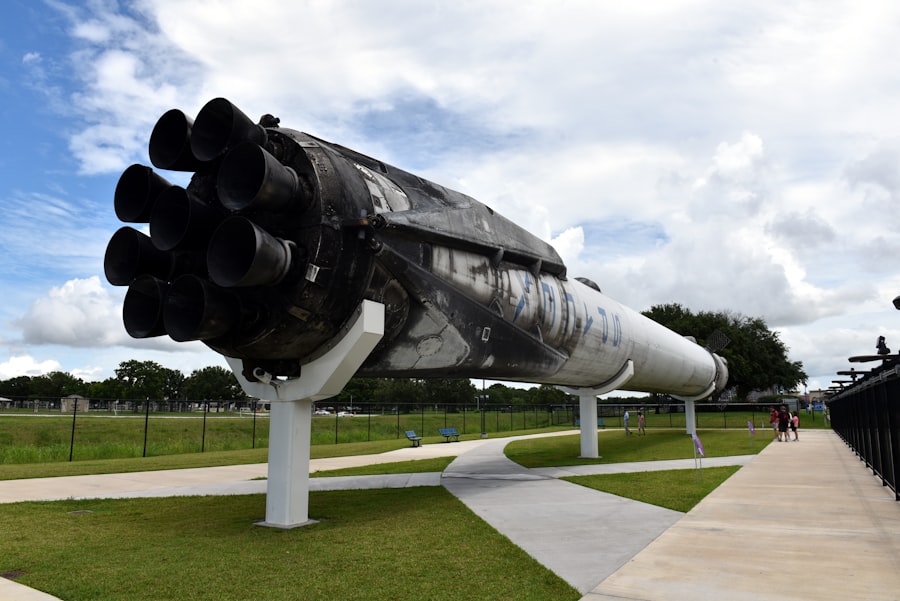
The operational concepts for landing on the Moon with a LEM and a Starship are profoundly different, reflecting their respective design philosophies and mission objectives.
Trajectory and Landing Profiles
LEM: A Direct Descent from Lunar Orbit
The LEM’s approach to the lunar surface was a direct descent from lunar orbit. After undocking from the Command Module, the descent engine would be fired to slow the spacecraft and begin its descent towards the pre-selected landing site. The pilot had manual control during the final stages of the descent to navigate around obstacles. The landing was a one-way trip for the descent stage.
Starship: Versatile Landing and Ascent Capabilities
Starship’s approach is much more flexible. It can perform propulsive landings, similar to a vertical takeoff and landing (VTOL) aircraft, on Earth. For lunar operations, it is anticipated that Starship will also utilize propulsive landings. The key difference is that Starship is designed to take off from the Moon using its own engines, refuel (potentially using lunar resources), and then ascend to orbit or continue its journey. This closed-loop system is a capability the LEM simply did not possess.
Reusability and Sustainability
LEM: Expendable by Design
The Lunar Module was an expendable asset. Both the descent and ascent stages were designed for a single mission. The descent stage was left behind on the Moon as a launch platform, and the ascent stage was jettisoned after rendezvous with the Command Module. This “throwaway” nature was a consequence of the Apollo program’s focus on achieving the lunar landing goal within a specific timeframe and budget.
Starship: The Cornerstone of Reusability
Reusability is the defining characteristic of Starship. Every component, from the Super Heavy booster to the Starship spacecraft, is designed to be recovered, refurbished, and relaunched multiple times. This approach is projected to drastically reduce the cost of space access and enable frequent missions, supporting ambitious long-term goals like establishing a lunar base or colonizing Mars.
Crew and Mission Duration
LEM: Short, Intense Lunar Stays
The Apollo missions typically involved short durations on the lunar surface, ranging from a few hours to a few days during the later Apollo missions (Apollo 15, 16, and 17). The LEM was not designed for extended habitation. Its cramped quarters and limited life support systems were suited for these brief excursions.
Starship: Long-Duration Habitation and Mobility
Starship is designed with significantly larger volumes and more robust life support systems, enabling much longer stays on celestial bodies. The ability to carry a larger crew (up to 100 in some configurations) and a substantial amount of supplies allows for extended scientific research, construction, and exploration. Future lunar configurations might even include modules for habitability that are separate from the primary landing vehicle, further extending stay times.
Technological Advancements and Legacy
The transition from the Apollo LEM to SpaceX’s Starship represents a broad spectrum of technological advancements driven by new materials, manufacturing techniques, and computational power.
Materials and Manufacturing
Apollo LEM: Aluminum Alloys and Conventional Manufacturing
The LEM was constructed from advanced aluminum alloys, bonded honeycomb structures, and other materials available at the time. Its construction relied on conventional aerospace manufacturing techniques, which were highly precise but time-consuming and expensive.
Starship: Stainless Steel and Advanced Manufacturing
Starship is being built primarily from stainless steel. This material was chosen for its strength at extreme temperatures, its relatively low cost, and its ease of repair. SpaceX is also employing advanced manufacturing techniques, including rapid prototyping and novel welding processes, to accelerate development and reduce production costs. This shift in materials and methods reflects a different approach to production and maintenance.
Avionics and Control Systems
Apollo LEM: Mature but Limited Digital Systems
The LEM’s avionics suite was sophisticated for its era, utilizing early digital computers for guidance and navigation. The Apollo Guidance Computer (AGC) was a groundbreaking piece of technology, but its processing power and memory were extremely limited by modern standards.
Starship: State-of-the-Art Digital Integration
Starship incorporates vastly more sophisticated avionics, utilizing modern flight computers, redundant systems, and advanced sensor suites. Its control systems are designed for autonomous operation and precise control during complex maneuvers, including atmospheric re-entry and landing, tasks that were either impossible or extremely challenging for the LEM. The integration of flight control software is a critical and ongoing development for Starship.
Refueling and In-Situ Resource Utilization (ISRU)
LEM: Limited by Onboard Propellant
The LEM carried a fixed amount of propellant for its descent and ascent. Once that propellant was expended, its mission was complete. There was no provision for refueling on the Moon.
Starship: Designed for In-Orbit Refueling and ISRU
A key element of Starship’s architecture is its ability to be refueled in Earth orbit by tanker Starships. This “orbital refueling” strategy is essential for enabling long-duration missions to Mars and beyond. Furthermore, SpaceX envisions future lunar Starships utilizing In-Situ Resource Utilization (ISRU) – extracting water ice from lunar regolith to produce propellant. This concept of self-sufficiency on other worlds is a direct descendant of the need to overcome the limitations of carrying all necessary resources from Earth, a problem the LEM faced by simply not going far enough to require such solutions.
The ongoing advancements in space exploration have sparked interest in comparing SpaceX’s Starship lunar lander with the Apollo Lunar Module (LEM). Both spacecraft are designed for lunar missions, but they embody different technologies and philosophies. For a deeper understanding of these innovations and their implications for future lunar exploration, you can read a related article that delves into the intricacies of these two remarkable vehicles. Check it out here to explore how they stack up against each other.
Cost and Accessibility
| Metric | SpaceX Starship Lunar Lander | Apollo LEM |
|---|---|---|
| First Mission | Planned for 2024 | July 20, 1969 |
| Capacity | 100 metric tons to lunar surface | 2 astronauts to lunar surface |
| Reusable | Yes | No |
| Propulsion | Raptor engines | Descent and ascent stages |
| Technology | Modern, advanced materials | 1960s technology |
The economic dimensions of these two programs present a stark contrast, as cost has been a primary driver in the evolution of space exploration technology.
Apollo Program Costs: Immense Investment for a Specific Goal
The Apollo program was one of the most expensive single projects in history, costing approximately $25.4 billion in the 1960s and 1970s (equivalent to hundreds of billions today). This astronomical sum was allocated to achieve the singular goal of landing humans on the Moon, a testament to the national urgency of the Cold War space race. The expendable nature of the hardware contributed significantly to this cost.
Starship’s Economic Model: Reusability as a Cost Reducer
SpaceX’s entire business model hinges on drastically reducing the cost of space access through reusability. By developing a fully reusable launch and spacecraft system, the cost per kilogram to orbit and, consequently, to the Moon, is projected to be orders of magnitude lower than any previous system. This economic paradigm shift aims to make space exploration and utilization more accessible to a wider range of entities, including governments, commercial entities, and potentially even private individuals.
Accessibility to Space: From Elite to Broader Participation
The Apollo program was an endeavor of national prestige, primarily involving NASA and its contractors. Access to its capabilities was limited to government-sponsored astronauts and mission control personnel. Starship, by virtue of its projected lower operational costs and higher launch cadence, has the potential to democratize access to space. Commercial space stations, private lunar bases, and even interplanetary tourism become more viable propositions if launch costs are substantially reduced.
Conclusion: Evolution, Not Replacement
The comparison between SpaceX’s Starship and the Apollo Lunar Module is not about declaring one superior to the other in an absolute sense. Instead, it highlights the profound evolution of space exploration technology, driven by changing priorities, technological advancements, and a shift in philosophical approach.
The Apollo LEM was a masterpiece of engineering for its specific time and purpose. It was a highly optimized, yet ultimately expendable, vehicle that achieved one of humanity’s most significant technological feats.
Starship, on the other hand, represents a generational leap. It is designed to be a reusable, versatile, and scalable platform capable of transforming space transportation and enabling future endeavors, from lunar settlement to Mars colonization. Its ambition is not just to land on the Moon, but to establish a sustained human presence beyond Earth. The lessons learned from Apollo, particularly the validation of human lunar landings, paved the way for the bolder, more expansive vision that Starship embodies. The LEM was a critical stepping stone; Starship is a stride towards a future where humanity’s footprint extends far beyond its home planet.
FAQs
What is the SpaceX Starship Lunar Lander?
The SpaceX Starship Lunar Lander is a spacecraft designed by SpaceX to transport humans and cargo to the moon and other destinations in space. It is part of SpaceX’s larger Starship project, which aims to create a fully reusable spacecraft for missions to the moon, Mars, and beyond.
What was the Apollo LEM?
The Apollo Lunar Module (LEM) was the spacecraft used by NASA during the Apollo program to land astronauts on the moon. It was a two-stage vehicle consisting of a descent stage and an ascent stage, and it was the first crewed spacecraft to land on the moon.
How do the SpaceX Starship Lunar Lander and Apollo LEM compare in terms of capabilities?
The SpaceX Starship Lunar Lander is designed to carry a larger payload and a larger number of crew members compared to the Apollo LEM. It is also intended to be fully reusable, whereas the Apollo LEM was a single-use spacecraft.
What are the key differences in technology between the SpaceX Starship Lunar Lander and Apollo LEM?
The SpaceX Starship Lunar Lander incorporates modern advancements in rocket technology, such as the use of methane as fuel and the ability to be refueled in space. The Apollo LEM, on the other hand, used hypergolic propellants and was not designed for refueling.
What are the main goals of using the SpaceX Starship Lunar Lander compared to the Apollo LEM?
The main goals of using the SpaceX Starship Lunar Lander are to enable sustainable human presence on the moon, facilitate scientific research, and support the development of technologies for future missions to Mars and beyond. The Apollo LEM, in contrast, was focused on achieving the goal of landing humans on the moon during the space race era.