You’ve seen it. That one streetlight, or maybe a whole cluster, that’s gone a weird, sickly purple. It’s not just you; it’s a surprisingly common issue with LED streetlights. The good news is, it’s usually not a sign of impending doom for the entire lighting system, but rather a specific component failing.
The Science Behind the Purple Hue
So, why do streetlights turn purple? It boils down to the way most modern LED streetlights create their white light. They don’t actually emit white light directly. Instead, they use a blue LED chip and coat it with a phosphor material. When the blue light hits the phosphor, it excites it, and the phosphor then re-emits light at different wavelengths. A combination of these wavelengths, primarily red and green mixed with the remaining blue, creates what we perceive as white light.
How Phosphors Degrade
The magic happens because of the phosphor coating. Over time, especially when exposed to the consistent heat and electrical current of a streetlight, this phosphor material can degrade. Think of it like an old screen that starts to lose its color saturation. When the phosphor degrades unevenly, it affects the balance of the emitted light.
The Blue Light Dominance
Specifically, the red and green components of the phosphor’s output tend to fade or become less efficient before the blue component does. When the blue light starts to dominate the spectrum, and there’s less red and green to mix with it, the resulting light shifts towards the bluer end of the spectrum. The particular shade of purple you see is often a result of the specific phosphor chemistry used and how it degrades. It’s not that the blue LED itself is broken, but rather that the “white” conversion process is no longer working as intended.
The issue of purple lamp streetlights has garnered significant attention due to concerns about their impact on public safety and community aesthetics. For a deeper understanding of this phenomenon and its implications, you can read a related article that explores the science behind streetlight colors and their effects on urban environments. To learn more, visit this article.
Identifying the Culprit: LED Components
The problematic component in almost all cases is the phosphor coating on the LED chip. While the LED chip itself is designed to emit blue light, the phosphor is what allows it to produce white light.
The Role of the Phosphor Coating
Imagine the LED chip as the engine and the phosphor coating as the paint that makes it look like a car. The engine is still running, but the paint is peeling, and you’re seeing a different color. The phosphor is applied as a powder, often suspended in a silicone or resin binder, and then cured onto the LED. It’s this material that’s susceptible to the issues we’re discussing.
LED Chip vs. Phosphor Failure
It’s crucial to distinguish between an LED chip failing and the phosphor degrading. A failing LED chip might result in the light going out completely or flickering erratically. A purple light, on the other hand, strongly suggests the LED chip is still functioning and emitting its blue light, but the phosphor’s ability to convert that blue light into a balanced white light is compromised. This is a more predictable and often less catastrophic failure mode.
Environmental Factors and Lifespan

The lifespan of any electronic component is influenced by its operating environment. Streetlights are no exception, and several environmental factors can accelerate phosphor degradation.
Heat as a Catalyst
Heat is a major enemy of many electronic components, and LED phosphors are no different. Streetlights are constantly exposed to the sun’s heat, as well as the heat generated by the LED chip itself. Over time, this cumulative heat can break down the chemical bonds within the phosphor material, leading to degradation. Areas with consistently high ambient temperatures or poor ventilation around the light fixture might experience this problem sooner.
Moisture and Corrosion
While LED fixtures are designed to be weather-resistant, prolonged exposure to moisture can still cause issues. Water ingress, even in small amounts, can lead to corrosion of internal components, including the connection points to the LED and potentially the phosphor material itself. This can interfere with the electrical current and heat distribution, indirectly affecting the phosphor.
Electrical Stress and Power Fluctuations
The consistent flow of electricity is what powers the LED. However, fluctuations in voltage or current, which can occur due to grid instability or faulty drivers, can put extra stress on the LED and its phosphor coating. These electrical stresses can accelerate the degradation process, pushing the phosphor past its intended lifespan more quickly.
Practical Fixes and Solutions
When a streetlight turns purple, it’s not just an aesthetic issue; it can also reduce visibility and impact energy efficiency. Fortunately, there are straightforward ways to address it.
The Most Common Fix: LED Module Replacement
The overwhelming majority of the time, the solution is to replace the entire LED module within the streetlight fixture. This module contains the blue LED chips and their phosphor coatings. Technicians will typically identify the affected fixture, remove the old, purple-producing module, and install a new, correctly functioning one.
Why Not Just Repair the Phosphor?
You might wonder why they don’t just re-coat the existing LED chips. In practice, this is incredibly difficult and cost-prohibitive for streetlights. The phosphor is applied in a highly controlled manufacturing environment. Trying to replicate this on-site, especially for an outdoor fixture, is not feasible. Furthermore, the degradation often affects multiple chips within the module, making a partial repair impractical. Replacing the entire module is the most efficient and reliable way to restore proper light output.
Considerations for Municipalities and Maintenance Crews
For the entities responsible for streetlights (often local governments or utility companies), this issue is a recurring maintenance task. They typically have schedules for checking and replacing failing lights. The purple hue is a clear visual indicator that a replacement is needed. They also need to consider the lifespan of the LED modules they install, aiming for durable products to minimize future maintenance costs and ensure consistent public safety lighting.
The issue of purple lamp streetlights has been a topic of concern for many communities, as residents have reported strange hues emanating from these fixtures. This phenomenon has sparked discussions about the potential causes and implications for public safety and aesthetics. For a deeper understanding of similar lighting issues, you can read about it in this insightful article on streetlight technology and its effects on urban environments. Check it out here to learn more about how lighting choices can impact our daily lives.
Prevention and Future-Proofing
| Metric | Value | Unit | Description |
|---|---|---|---|
| Number of Purple Lamps Installed | 150 | units | Total purple street lamps installed in the affected area |
| Average Lamp Lifespan | 18 | months | Average operational time before failure or replacement |
| Reported Malfunction Rate | 12 | % | Percentage of lamps experiencing issues within first year |
| Energy Consumption | 45 | watts | Average power usage per purple lamp |
| Light Intensity | 800 | lumens | Average brightness output of each lamp |
| Maintenance Frequency | 3 | times/year | Average number of maintenance visits per lamp annually |
| Customer Complaints | 27 | cases | Number of complaints related to purple lamp streetlights |
While some degradation is inevitable over the lifespan of any product, there are steps that can be taken to improve the longevity of LED streetlights and prevent the purple light problem from becoming a widespread nuisance.
Choosing Quality Components
The quality of the LED modules and their phosphor coatings plays a significant role. Manufacturers that use higher-grade phosphors and robust manufacturing processes are less likely to experience premature purple failures. Municipalities and procurement departments should prioritize suppliers with a proven track record for durability and performance.
Improved Fixture Design and Ventilation
The design of the streetlight fixture itself can also contribute to longevity. Good ventilation around the LED module helps dissipate heat more effectively, reducing the thermal stress on the phosphor. Fixtures that are designed to keep moisture out and offer better protection from the elements will also contribute to a longer lifespan.
Smart Lighting Systems and Predictive Maintenance
As smart city technology advances, so do maintenance strategies. Some modern streetlights are equipped with sensors that can monitor their performance. These systems can detect anomalies in light output or energy consumption, potentially flagging a streetlight that is beginning to degrade before it turns visibly purple. This allows for proactive maintenance, replacing modules before they fail completely or become a public nuisance. This predictive approach can save money and ensure consistent lighting quality across the network.
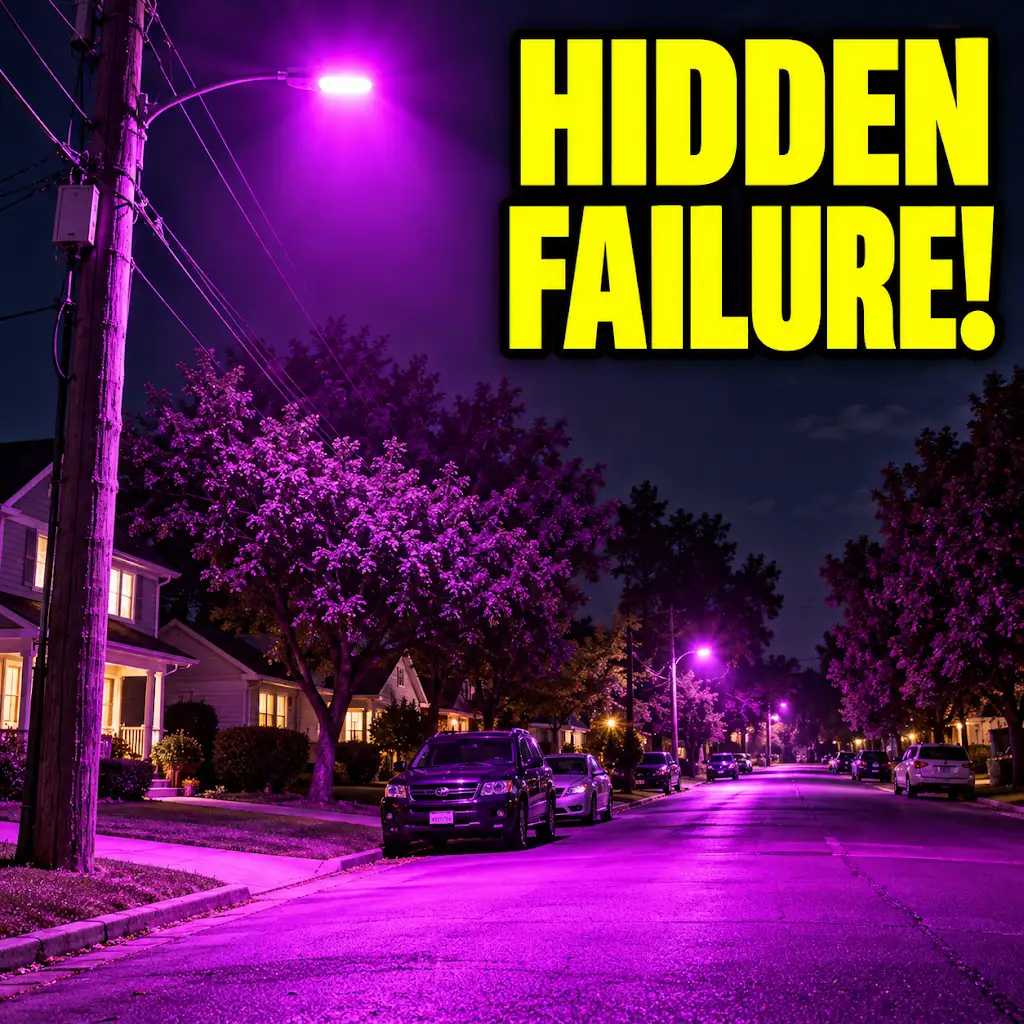
Why The Streetlights Are Turning Purple
FAQs
What is the issue with the purple lamp streetlights?
The purple lamp streetlights are causing concerns due to their unusual color, which is not ideal for providing proper visibility and safety on the streets.
Why were the purple lamp streetlights installed in the first place?
The purple lamp streetlights were installed as an experiment to test their energy efficiency and potential benefits for reducing light pollution.
Are there any health concerns associated with the purple lamp streetlights?
Some studies suggest that exposure to certain types of LED lights, including purple light, may have negative effects on human health, such as disrupting sleep patterns and causing eye strain.
How are residents and drivers reacting to the purple lamp streetlights?
Many residents and drivers have expressed dissatisfaction with the purple lamp streetlights, citing issues with visibility, discomfort, and a negative impact on the aesthetics of the neighborhood.
Is there a plan to address the purple lamp streetlight problem?
Local authorities are currently reviewing feedback from the community and considering options to address the purple lamp streetlight problem, which may include replacing the lights with more traditional and safer alternatives.