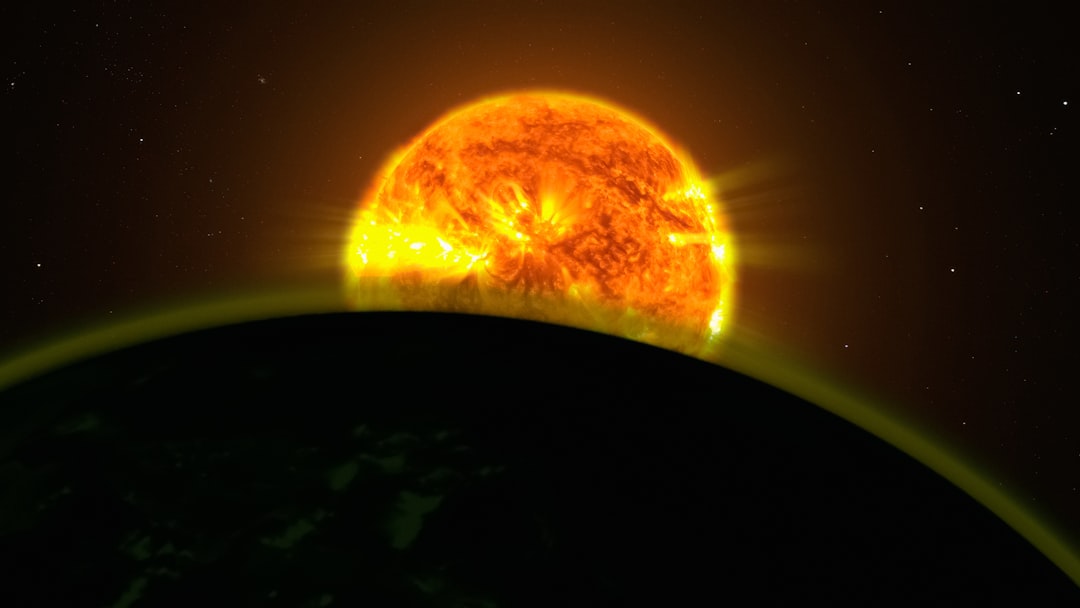
Solar storms, the dramatic outbursts from our sun, are not just celestial spectacles; they are powerful cosmic events that can ripple through Earth’s atmosphere and technology, casting a long shadow over critical infrastructure. Among the most vulnerable sectors to the disruptive potential of these solar phenomena, Emergency Medical Services (EMS) stand at a critical juncture. The intricate web of communication, navigation, and power that underpins modern EMS operations is increasingly reliant on technologies susceptible to the vagaries of solar activity. Understanding the potential impacts and preparing for them is not a matter of if, but when.
The sun, while the lifeblood of our planet, is a dynamic and sometimes volatile star. Its activity follows an approximately 11-year cycle, characterized by periods of increased sunspot activity, solar flares, and coronal mass ejections (CMEs). These events are the primary drivers of what we broadly categorize as solar storms.
Solar Flares: Sudden Bursts of Energy
- Definition and Mechanism: Solar flares are sudden, intense bursts of electromagnetic radiation, primarily X-rays and ultraviolet light, originating from the sun’s surface. They are associated with the release of magnetic energy stored in the sun’s atmosphere.
- Speed and Directivity: These flares travel at the speed of light and reach Earth within minutes to hours. Their impact is largely confined to the sunlit side of the planet.
- Impact on Radio Communications: The high-energy particles emitted during flares can ionize the Earth’s upper atmosphere, leading to disruptions in high-frequency (HF) radio communications.
Coronal Mass Ejections (CMEs): The Massive Outflows
- Definition and Composition: CMEs are enormous expulsions of plasma and magnetic field from the sun’s corona into space. They are much larger and slower than solar flares.
- Travel Time to Earth: CMEs can take anywhere from 15 hours to several days to reach Earth, depending on their speed, which can vary from hundreds to thousands of kilometers per second.
- Geomagnetic Storms: When a CME is directed towards Earth, it can interact with the Earth’s magnetosphere, the protective magnetic shield surrounding our planet. This interaction can trigger a geomagnetic storm, a significant disturbance of the magnetosphere.
Geomagnetic Storms: Earth’s Magnetic Response
- Interaction with the Magnetosphere: During a geomagnetic storm, energetic particles from the CME can penetrate deeper into the magnetosphere, exciting atmospheric particles and causing the aurora. More importantly, they induce electrical currents.
- Severity and Classification: Geomagnetic storms are classified on a scale from G1 (minor) to G5 (extreme), based on their intensity and the resulting impacts. These classifications provide a framework for assessing the potential severity of disruptions.
- Sources of Impact: The primary impacts stem from induced currents in conductors on the ground and in the atmosphere, and from the bombardment of sensitive electronic systems by energetic particles.
Recent studies have highlighted the potential impact of solar storms on emergency medical services, emphasizing the need for preparedness in the face of such natural phenomena. For a deeper understanding of this topic, you can explore the article that discusses the implications of solar activity on critical infrastructure and emergency response systems. To read more, visit this article.
The Invisible Hand: How Solar Storms Affect Technology
The technological infrastructure that EMS relies upon is not designed to withstand the raw power of a solar storm. These events act like an invisible hand, shaking the foundations of our digital and electrical systems with surprising force.
Communication Systems: The Lifeline Severed
- Radio Communication Vulnerabilities: High-frequency (HF) radio, a critical backup communication channel for many EMS agencies, is particularly susceptible to solar flare effects. Ionospheric disturbances can cause signal fade, blackouts, and unpredictable propagation. This is akin to someone shouting over a loudspeaker at random intervals, making it impossible to hold a clear conversation.
- HF Radio Blackouts: The increased ionization caused by X-ray radiation from solar flares can absorb HF radio waves, leading to immediate and widespread communication blackouts.
- Ionospheric Scintillation: During geomagnetic storms, irregularities in the ionosphere can cause radio signals to “scintillate” or flicker, degrading signal quality and rendering communications unreliable.
- Satellite Communication Degradation: Modern EMS increasingly utilizes satellite communication for remote areas, telemedicine, and data transmission.
- Satellite Transponder Interference: Energetic particles can damage satellite electronics or temporarily disrupt their operation, leading to data loss or communication outages.
- On-Orbit Satellite Anomalies: High radiation levels can cause single-event upsets (SEUs) in satellite components, leading to temporary malfunctions or permanent damage. GPS satellites are particularly vulnerable.
- Ground-Based Telecommunications: While less directly impacted than satellite systems, ground-based fiber optic and copper cable networks can be affected by induced currents during severe geomagnetic storms.
Navigation Systems: Losing the Way
- Global Positioning System (GPS) Vulnerabilities: GPS is an indispensable tool for locating incident scenes, dispatching ambulances, and navigating to hospitals. Solar storms can significantly degrade GPS accuracy or render it unusable.
- Ionospheric Delay Errors: The ionosphere’s density fluctuates during solar storms, causing delays in the signals from GPS satellites. These delays translate into positional errors for the ground receiver.
- Scintillation Effects: Similar to radio communications, ionospheric scintillation can cause rapid and severe fluctuations in GPS signal strength and timing, leading to loss of lock or inaccurate positioning.
- Reduced Satellite Visibility: In extreme cases, the disruption to the ionosphere can make it difficult for receivers to track sufficient satellites for a positional fix.
Power Grids: The Flow of Vitality
- Geomagnetically Induced Currents (GICs): Large-scale geomagnetic storms can induce significant electrical currents in long conductors, such as power lines. These GICs can overload transformers, trip circuit breakers, and even cause catastrophic equipment failure. A widespread power outage for EMS is like cutting off the oxygen supply to a patient; the consequences are immediate and dire.
- Transformer Saturation and Damage: GICs can magnetize the cores of power transformers, causing them to saturate, overheat, and potentially fail.
- Protection System Malfunctions: Protection relays designed to detect faults in the power grid can misinterpret GICs as legitimate faults, leading to unnecessary tripping of circuit breakers and power outages.
- Cascading Failures: The failure of one part of the power grid can trigger a cascade of failures, leading to widespread and prolonged blackouts.
- Impact on EMS Power Supply: EMS relies heavily on a consistent power supply for their facilities, recharging equipment, and operating communication centers.
- Loss of Essential Station Operations: Hospitals, dispatch centers, and ambulance garages depend on reliable electricity for life-support systems, communication consoles, and operational readiness.
- Disruption to Backup Power Systems: While many EMS facilities have backup generators, these also require fuel and maintenance, and their effectiveness can be hampered if the grid fails to provide initial charging power to critical systems.
Pre-Incident Preparedness: Building Resilience

The potential for solar storms to cripple EMS operations necessitates a proactive approach to preparedness. This is not about reacting to the storm, but about building a system that can weather its fury.
Communication Redundancy: Multiple Lifelines
- Diversified Communication Channels: EMS agencies must invest in and maintain a diverse range of communication technologies, ensuring that the failure of one system does not cripple all operations.
- HF Radio as a Primary or Secondary Backup: Re-emphasizing the importance of robust HF radio systems, including training personnel in their operation and maintenance, is crucial.
- Satellite Phones and Radios: Deploying and regularly testing satellite phones and satellite-based radio systems for critical personnel and locations.
- Mesh Networks and Localized Communication Solutions: Exploring and implementing technologies like ad-hoc or mesh networks that can establish communication links between devices without relying on external infrastructure.
- Interoperability and Mutual Aid Agreements: Ensuring that different EMS agencies and even other public safety organizations can communicate with each other through established interoperability standards and pre-arranged mutual aid agreements. This creates a network of support where one agency’s failure can be offset by another’s capacity.
Navigation Alternatives: Beyond Satellite Beacons
- Map and Compass Proficiency: Re-emphasizing fundamental navigation skills for EMS personnel, including the proficient use of physical maps and compasses. This is a low-tech solution that is immune to solar interference.
- Regular Training Drills: Incorporating map and compass exercises into regular training to maintain proficiency among all field personnel.
- Standardized Mapping Resources: Ensuring that all personnel have access to high-quality, up-to-date paper maps of their operational areas.
- Inertial Navigation Systems (INS): While still technology-dependent, INS can provide navigation information when GPS signals are unavailable by tracking movement from a known starting point.
- Integration into Vehicle Systems: Exploring the integration of INS capabilities into ambulance and other EMS vehicle navigation systems.
- Portable INS Devices: Investigating the feasibility and cost-effectiveness of portable INS devices for critical personnel.
- Pre-Planned Routes and Landmarks: Developing and practicing pre-planned routes to common destinations and utilizing visual landmarks as navigation aids, especially in familiar territories.
Power Resilience: Securing the Current
- Robust Backup Power Systems: Investing in and maintaining reliable backup generator systems with adequate fuel supplies for all critical EMS facilities.
- Regular Testing and Maintenance: Implementing strict schedules for testing and maintaining generators to ensure they are fully operational when needed.
- Fuel Storage and Logistics: Establishing secure and adequate fuel storage and developing contingency plans for fuel resupply during prolonged outages.
- Redundant Power Sources: Exploring options for redundant power sources, such as solar panels with battery storage, to supplement or replace grid power during emergencies.
- Microgrid Solutions: Investigating the feasibility of developing localized microgrids for critical EMS facilities that can operate independently of the main power grid.
- Portable Power Units: Maintaining a stock of portable power units for essential equipment and communication devices.
During the Storm: Response and Mitigation
When a solar storm is imminent or underway, the focus shifts to minimizing disruption and ensuring continued operational capacity. This is the moment for calm, calculated action.
Real-time Monitoring and Warning Systems
- Space Weather Forecasting: Utilizing data from space weather agencies like NOAA’s Space Weather Prediction Center (SWPC) and other international organizations is paramount.
- Accurate and Timely Alerts: Establishing reliable channels for receiving and disseminating space weather alerts and forecasts to all relevant EMS personnel.
- Understanding Threat Levels: Training personnel to understand the different levels of solar storm severity (G1-G5) and their associated potential impacts.
- Geomagnetic Field Monitoring: Implementing or accessing real-time monitoring of the Earth’s geomagnetic field to detect ongoing disturbances.
- Local and Regional Network: Collaborating with research institutions or utility companies to access data from geomagnetic monitoring networks.
Operational Adjustments and Contingency Planning
- Prioritization of Critical Operations: Identifying and prioritizing essential EMS functions that must be maintained regardless of technological disruptions. This includes emergency response, patient transport, and emergency communications.
- “Shelter in Place” Protocols: Developing protocols for maintaining operations from pre-identified locations with robust power and communication redundancies during severe events.
- Resource Mobilization: Establishing procedures for rapidly mobilizing backup resources, including fully charged communication devices, backup power sources, and alternative navigation tools.
- Communication Protocols for Disruption: Developing and practicing specific communication protocols to be used during periods of communication or navigation system failure.
- Pre-determined rendezvous points for units.
- Use of runners or messengers for critical information transfer where feasible.
- Designated communication officers to manage limited available communication channels.
- Patient Care Continuity: Ensuring that critical patient care can continue uninterrupted, even in the event of power outages or communication failures.
- Portable Medical Equipment: Ensuring that essential portable medical equipment is always fully charged and readily available.
- Manual Override Procedures: Training staff on manual override procedures for critical life-support systems where applicable.
The potential impact of solar storms on emergency medical services is a growing concern, as these natural phenomena can disrupt communication systems and power grids essential for healthcare operations. A related article discusses how solar storms can affect various sectors, including healthcare, by highlighting the vulnerabilities and necessary preparedness measures. For more insights on this topic, you can read the article on the implications of solar activity at Freaky Science. Understanding these risks is crucial for ensuring that emergency medical services remain operational during such events.
Post-Storm Recovery and Future Challenges
| Metric | Impact Description | Typical Range/Value | Potential Consequence for EMS |
|---|---|---|---|
| Communication Disruption Duration | Length of time EMS communication systems are affected | Minutes to several hours | Delayed dispatch and coordination of emergency response |
| Power Outage Frequency | Number of power outages caused by solar storm-induced grid failures | 1-5 outages per event | Loss of power at EMS facilities and hospitals, affecting operations |
| GPS Signal Degradation | Reduction in GPS accuracy due to ionospheric disturbances | Up to 50 meters error | Navigation challenges for EMS vehicles, delayed response times |
| EMS Equipment Malfunction Rate | Percentage increase in equipment failures during solar storms | 5-15% increase | Reduced availability of critical medical devices and monitoring tools |
| Emergency Call Volume Increase | Rise in emergency calls due to solar storm-related incidents | 10-20% increase | Higher demand on EMS resources and personnel |
Once the immediate threat of a solar storm has passed, the work of recovery and adaptation begins. This is a critical period for learning and improving future resilience.
Damage Assessment and Restoration
- Rapid Technology Assessment: Conducting swift assessments of all affected communication, navigation, and power systems to identify damage and prioritize repairs.
- Specialized Repair Teams: Having access to specialized technical teams for rapid assessment and repair of sensitive electronic equipment.
- Coordination with Utility Companies: Working closely with power utility companies to understand the extent of grid damage and restoration timelines.
- Prioritization of EMS Facilities: Advocating for the prioritization of EMS facilities during power restoration efforts.
Lessons Learned and Continuous Improvement
- Debriefing and Analysis: Conducting thorough debriefings after any solar storm event to identify what worked, what didn’t, and areas for improvement.
- Documentation of Incidents: Maintaining detailed records of any impacts experienced and the effectiveness of mitigation strategies.
- Updating Preparedness Plans: Regularly reviewing and updating existing preparedness plans based on lessons learned from actual events and evolving scientific understanding of solar storms.
- Scenario-Based Training: Developing and incorporating more sophisticated scenario-based training exercises that simulate solar storm impacts.
- Advocacy for Infrastructure Hardening: Engaging with government agencies and technology providers to advocate for increased resilience in critical national infrastructure against space weather events.
- Research and Development Investment: Supporting research and development into technologies that are more resistant to solar storm effects.
The sun’s energetic outbursts are an inherent part of our cosmic environment. For Emergency Medical Services, recognizing their potential impact is not an alarmist stance, but a fundamental aspect of ensuring readiness. By understanding the science, implementing robust preparedness measures, and fostering a culture of continuous improvement, EMS can navigate the capricious power of solar storms and continue to fulfill its vital mission of saving lives. The resilience of EMS is not just about technology; it is about the people who operate it, their training, and their unwavering dedication to public safety, even when the sky itself seems to rage.
FAQs
What is a solar storm and how can it affect emergency medical services?
A solar storm is a disturbance on the Sun that emits bursts of solar wind and magnetic fields into space. When these charged particles reach Earth, they can disrupt communication systems, GPS signals, and power grids, which are critical for emergency medical services (EMS) operations.
How do solar storms impact communication systems used by EMS?
Solar storms can cause radio signal interference and degrade satellite communications, leading to potential disruptions in dispatching, coordination, and real-time communication between EMS personnel and hospitals.
Can solar storms affect the power supply for emergency medical equipment?
Yes, intense solar storms can induce geomagnetic currents that may damage electrical infrastructure, causing power outages. This can impact hospitals, ambulances, and other EMS facilities that rely on electricity to operate life-saving medical equipment.
What measures can EMS agencies take to prepare for solar storm impacts?
EMS agencies can develop contingency plans including backup communication systems, alternative power sources like generators, and training personnel to operate under disrupted conditions to maintain service continuity during solar storm events.
Are solar storms a frequent threat to emergency medical services?
Solar storms occur periodically, often linked to the 11-year solar cycle. While severe storms are relatively rare, their potential impact on critical infrastructure makes it important for EMS and other emergency services to be aware and prepared.