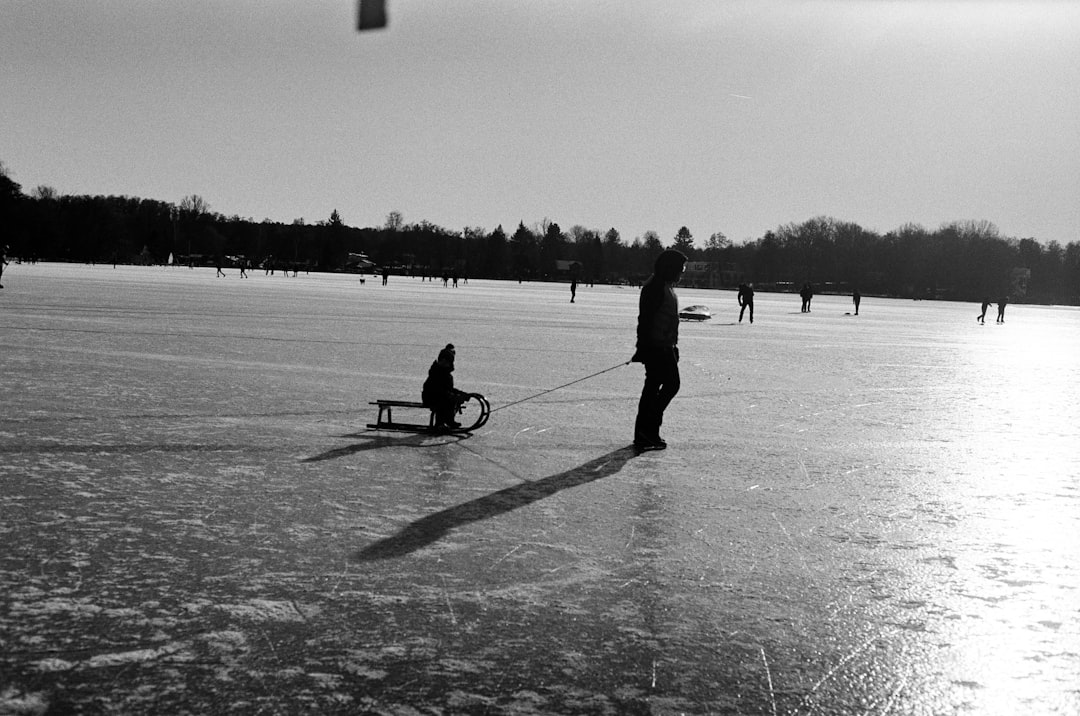
Sliding on ice. The phrase itself evokes a visceral reaction. It conjures images of elegant skaters gracefully gliding across a frozen expanse, or perhaps the less graceful, yet equally thrilling, tumble of an unexpected slip. For many, it’s a fleeting sensation, a moment of lost equilibrium quickly regained. But for those who venture onto the ice, whether intentionally or not, the experience of sliding is a fascinating interplay of physics, physiology, and often, a dash of the unexpected. What happens next when one loses their footing on the slippery surface? The answer is far more complex than a simple fall.
When a person slides on ice, the fundamental force at play is the dramatic reduction of friction. On a solid, dry surface, the microscopic irregularities of two materials interlock, creating resistance to motion. Ice, however, presents a unique challenge. Its smooth surface, at first glance, suggests a lack of resistance, but the real magic happens at the interface between footwear and ice.
The Thin Layer of Meltwater
Contrary to popular belief, ice isn’t inherently slippery due to its smoothness alone. Instead, the extreme slipperiness of ice, especially at temperatures near its melting point, is primarily attributed to a thin layer of liquid water. This layer forms through two main mechanisms: pressure melting and friction melting.
Pressure Melting Explained
When pressure is applied to ice, its melting point decreases. This phenomenon, known as pressure melting, is crucial for activities like ice skating. The weight of the skater’s body, concentrated on the narrow blades of their skates, creates immense pressure on the ice directly beneath the blade. This pressure lowers the melting point of the ice, causing a thin film of water to form. This water acts as a lubricant, allowing the skate to glide with minimal resistance. The same principle, albeit with less controlled pressure, applies when a person’s foot presses down on the ice. The concentrated weight on the point of contact lowers the melting point, creating that essential slippery layer.
Friction Melting’s Contribution
Friction melting also plays a significant role. As the foot, or skate, attempts to move across the ice, the inherent friction between the surfaces generates heat. Even a small amount of heat is enough to melt the surface of the ice, again creating a lubricating film of water. This self-reinforcing cycle means that the act of trying to move on ice actually makes it more slippery. The faster one tries to move, the more friction is generated, and the more water is produced.
Coefficients of Friction: A Dramatic Drop
The concept of the coefficient of friction (often denoted by the Greek letter µ) is central to understanding why sliding on ice feels so different. Friction coefficients are generally categorized into static friction (the force required to start motion) and kinetic friction (the force required to keep an object moving). On most surfaces, kinetic friction is lower than static friction. However, the coefficients of friction for ice are remarkably low across the board.
Comparing Coefficients
For typical materials like rubber on asphalt, the coefficient of kinetic friction can range from 0.6 to 0.8. For a shoe sole on dry concrete, it might be even higher. In stark contrast, the coefficient of kinetic friction between a typical shoe sole and ice can be as low as 0.1 or even less, especially when a meltwater layer is present. This drastic reduction means that the forces opposing motion are significantly weaker.
The Role of Ice Temperature
It’s important to note that the coefficient of friction on ice is highly dependent on temperature. Colder ice, closer to its freezing point, can be slightly less slippery than ice at temperatures closer to 0°C. This is because less meltwater is present at lower temperatures. However, even very cold ice is considerably more slippery than most other common surfaces.
Sliding on ice can be both exhilarating and dangerous, as the lack of friction can lead to unexpected falls and injuries. For a deeper understanding of the science behind ice and friction, you can explore an insightful article on this topic at Freaky Science. This resource delves into the mechanics of sliding, the factors that influence grip on icy surfaces, and tips for staying safe during winter activities.
The Human Response: Immediate Reactions to Losing Balance
When the delicate balance is broken and the feet begin to slide on the unforgiving ice, the human body embarks on an immediate and complex series of physiological and neurological responses. These reactions are designed to regain control, minimize damage, and, if possible, prevent a full fall.
The Startle Reflex and Proprioception
The initial sensation of slipping triggers an almost instantaneous startle reflex. This is an involuntary, rapid response mediated by the nervous system. Sensory receptors in the skin, particularly in the feet and ankles, detect the sudden lack of support and the unexpected acceleration.
Proprioceptive Feedback Loop
Crucially, our sense of proprioception – the body’s awareness of its position and movement in space – is highly active during a slip. Mechanoreceptors in our muscles, tendons, and joints send signals to the brain, informing it about the changing angles and forces. The brain then rapidly processes this information.
Muscle Activation and Adjustment
In response to the proprioceptive feedback, the nervous system attempts to initiate corrective muscle actions. This might involve sudden, jerky movements of the limbs, aiming to shift weight, extend an arm for balance, or even try to dig an edge into the ice. These micro-adjustments are often too late to prevent the slide entirely, but they are vital in the attempt to regain equilibrium.
The Visual Cues and Predictive Steering
While the initial slip might be primarily a proprioceptive event, our visual system quickly comes into play. As we begin to slide, our eyes instinctively scan the surroundings, seeking visual anchors or potential points of contact.
Recognizing the Slide
The brain uses visual information to confirm what the proprioceptive system is signaling. Seeing the ground rushing past or the inability to maintain a stable posture reinforces the understanding that a slide is occurring.
Predictive Steering Attempts
Even in mid-slide, the brain attempts to predict the trajectory and initiate steering actions. This can manifest as subtle shifts in hip or shoulder position, an attempt to angle the body, or even a desperate flailing of arms. These actions are often instinctive and not fully conscious, driven by the deep-seated desire to regain control and avoid a hard landing.
The Body’s Internal Gyroscope: The Vestibular System
The vestibular system, located in the inner ear, is our body’s primary balance organ. It plays a critical role in detecting changes in head position and motion, and it works in conjunction with proprioception and vision to maintain equilibrium.
Sensing Rotational and Linear Acceleration
During a slide, the vestibular system detects the rotational and linear accelerations of the head. This information is crucial for the brain to understand the direction and magnitude of the imbalance.
Maintaining Spatial Orientation
Even if balance is lost, the vestibular system helps the body maintain a sense of spatial orientation. This allows the brain to better plan how to fall or recover, reducing the risk of disorientation during the event.
The Unfolding of the Slide: From Controlled Glide to Uncontrolled Fall
The initial moments of a slide are a frantic attempt at regaining control. However, the low friction of ice often makes this a losing battle, and the slide progresses into a more pronounced fall. The nature of this progression depends on a multitude of factors, including the individual’s speed, the angle of their body, and the type of footwear they are wearing.
The Momentum of the Slide
Once a slide begins, the individual’s inertia and the reduced friction mean that momentum is a dominant force. The body continues to move in the direction of the initial impulse, and the low friction offers little resistance to this motion.
Understanding Inertia
Inertia is the tendency of an object to resist changes in its state of motion. Once a person is sliding, their body possesses a certain momentum that needs to be overcome to stop. With ice providing so little friction, this momentum can be difficult to dissipate.
The “Skating” Sensation
For a brief period, a person might experience something akin to an uncontrolled glide or even a rudimentary form of “skating.” If their feet are somewhat parallel and their body is relatively upright, they might slide in a relatively straight line for a short distance. This is the body’s attempt to find a momentarily stable position.
The Inevitable Angle of Descent
As the slide continues, the forces acting on the body become unbalanced. Gravity, combined with the momentum, will inevitably lead to a change in the body’s angle relative to the ice.
Shifting Center of Gravity
The body’s center of gravity, which is normally maintained over the base of support, will begin to shift. As the feet slide out from under, the center of gravity moves towards the ice.
The Arms and Legs in Motion
The arms and legs often begin to flail or extend in an attempt to counter this shift and regain balance. This can sometimes lead to a more controlled, albeit still precarious, descent. However, more often than not, these movements further destabilize the individual.
The Transition to a Full Fall
The moment the body can no longer correct its trajectory or regain a stable base of support marks the transition from a slide to a full fall. This is where the risk of injury significantly increases.
Loss of Verticality
The most common outcome is a loss of verticality, where the body pitches forward, backward, or to the side. The speed of the slide and the angle of the fall will determine the impact force.
The “Catching Oneself” Illusion
There’s a fleeting illusion that one might “catch themselves” or instinctively perform a gymnastic maneuver to soften the fall. While some individuals with exceptional reflexes and training might achieve this, for the average person, the speed and unexpectedness of the slide often make such recoveries impossible.
The Impact and the Aftermath: What Happens When Contact is Made
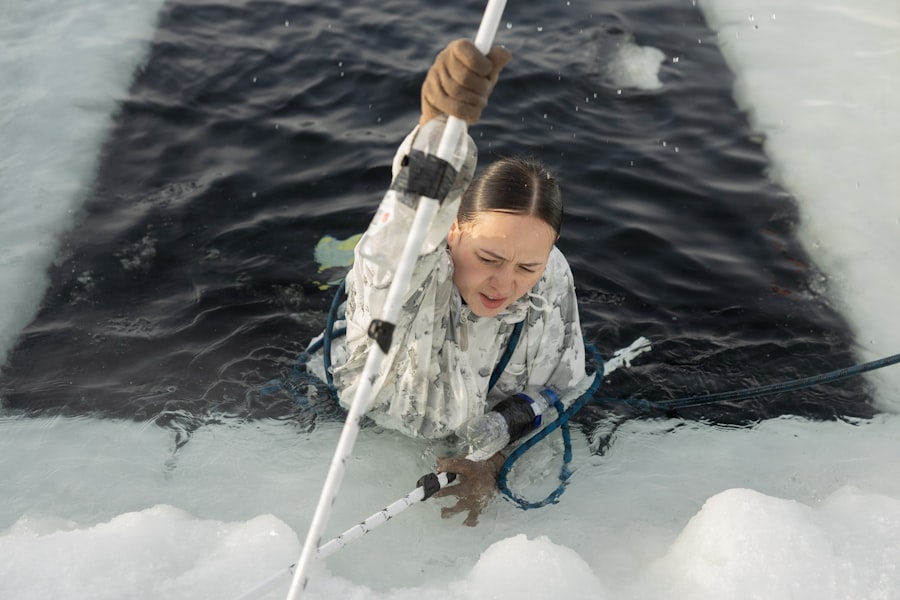
The most dramatic and potentially consequential part of sliding on ice is the moment of impact. The forces generated during a fall can be significant, and the outcome depends heavily on how the body lands and the surfaces it comes into contact with.
The Forces of Impact
When a person falls on ice, the impact forces are concentrated over a relatively small area of contact. The speed of the fall, combined with the lack of cushioning, can result in substantial pressure on the body.
Newton’s Laws in Action
Newton’s laws of motion are clearly at play. The momentum of the falling body is suddenly arrested, leading to a large deceleration and, consequently, a significant force exerted on the body and the ice.
The Hardness of the Ice
The inherent hardness of ice, even at near-melting temperatures, means it offers little in terms of shock absorption. This is in contrast to falling on softer surfaces like grass or even carpet, which can dissipate some of the impact energy.
The Body’s Defense Mechanisms During Impact
Even in the midst of a fall, the body instinctively tries to protect itself. These are often unconscious reactions that can influence the severity of the injury.
Tucking and Rolling Attempts
The natural instinct is often to tuck the limbs in, attempting to roll and distribute the impact over a larger surface area and a longer duration. This “rolling” motion can reduce the peak force experienced by any single part of the body.
Protecting the Head and Neck
There’s a strong reflex to protect the head and neck. People will often try to tuck their chin to their chest or use their hands to brace for impact, attempting to shield these vulnerable areas.
The “Hands Out” Reflex
The “hands out” reflex, where individuals instinctively extend their arms to break a fall, is a common but often injurious response. While it can prevent direct impact to the face, the wrists and arms can bear the brunt of the force, leading to fractures or sprains.
Potential Injuries from a Fall on Ice
The types of injuries sustained from falling on ice vary widely, from minor bruises to severe trauma. The location of the impact, the force of the fall, and the individual’s age and physical condition all play a role.
Fractures and Sprains
Fractures of the wrist, ankle, and hip are particularly common, especially among older adults. Sprains of the ankles and knees also occur frequently due to the sudden twists and turns of the body.
Head Injuries and Concussions
Falls can lead to head injuries, ranging from mild concussions to more severe traumatic brain injuries. The impact to the head can occur directly from hitting the ice or indirectly from the whiplash effect of the fall.
Bruises and Abrasions
Even without more serious injuries, falls on ice typically result in bruises and abrasions (scrapes). The cold, hard surface can easily damage the skin and underlying tissues.
Sliding on ice can lead to unexpected and sometimes humorous situations, but it also poses risks of injury if proper precautions are not taken. Understanding the science behind why ice is slippery can help individuals navigate icy surfaces more safely. For a deeper dive into the fascinating dynamics of ice and its effects on movement, you can check out this related article on the topic. It provides insights that can enhance your awareness and safety when dealing with icy conditions. To learn more, visit this article.
Prevention and Recovery: Navigating the Slippery Terrain Safely
| Scenario | Outcome |
|---|---|
| Sliding on ice | Loss of traction |
| Increased braking distance | Difficulty in stopping |
| Reduced control | Risk of skidding |
| Slippery surface | Potential for accidents |
While the thrill of ice-based activities is undeniable, understanding the inherent risks associated with sliding on ice is the first step towards safety. Prevention strategies and proper recovery techniques are crucial for enjoying these experiences without undue harm.
The Importance of Proper Footwear
The type of footwear worn on ice is paramount for safety. Different surfaces and activities require different levels of grip.
Ice Grips and Cleats
For walking or casual activities on icy surfaces, specialized ice grips or cleats that attach to regular shoes can provide significantly improved traction. These devices introduce sharp points that dig into the ice, offering a stable base.
Winter Boots with Enhanced Traction
Winter boots designed for icy conditions often feature specialized rubber outsoles with deep treads and patterns that are engineered to provide grip on slippery surfaces.
Skating Blades: A Different Kind of Grip
For ice skating, the sharp, thin blades are designed to cut into the ice, creating a controlled meltwater layer that allows for gliding. However, for individuals not actively skating, these blades offer virtually no grip for walking.
Maintaining Balance and Body Awareness
Developing good balance and spatial awareness can significantly reduce the risk of slipping and falling.
Strengthening Core Muscles
A strong core is essential for maintaining balance. Exercises that target abdominal and back muscles can improve stability and the body’s ability to react to sudden shifts in equilibrium.
Practicing Balance Exercises
Simple balance exercises, such as standing on one leg or using a balance board, can help improve proprioception and the body’s ability to make quick adjustments.
Mindful Walking on Ice
When walking on icy surfaces, it’s important to be mindful of each step. Taking shorter strides, keeping feet flat on the ground, and maintaining a slightly bent posture can help distribute weight and reduce the risk of losing balance.
First Aid and Recovery After a Fall
If a fall does occur, immediate and appropriate first aid can help minimize damage and promote recovery.
Assessing for Serious Injury
The first priority is to assess the individual for any signs of serious injury, such as loss of consciousness, severe pain, deformity, or inability to move a limb. If any of these are present, immediate medical attention is necessary.
The R.I.C.E. Method
For less severe injuries like sprains and bruises, the R.I.C.E. method is often recommended: Rest, Ice, Compression, and Elevation. Applying ice to the injured area can help reduce swelling and pain, while compression and elevation can further aid in recovery.
Seeking Medical Advice
Even for seemingly minor falls, it’s often advisable to seek medical advice, especially if symptoms persist or worsen. A medical professional can provide an accurate diagnosis and recommend the most appropriate treatment plan.
Sliding on ice, whether an intended exhilarating ride or an unintentional slip, is a testament to the intricate interplay of physics and our own biology. It’s a stark reminder of the delicate balance we maintain every day and the powerful forces that can disrupt it. By understanding the principles at play, from the meltwater on the ice to the reflexes within our bodies, we can approach icy surfaces with greater awareness, a healthy respect for their slipperiness, and a commitment to safety.

Why Ice Is Slippery Is Stranger Than You Think
FAQs
What happens to your car when you slide on ice?
When you slide on ice, your car loses traction and control, causing it to skid or spin out of control. This can lead to accidents and collisions with other vehicles or objects.
What happens to your body when you slip on ice?
When you slip on ice, your body loses balance and control, leading to falls and potential injuries such as sprains, strains, fractures, or head injuries.
What should you do if you start sliding on ice?
If you start sliding on ice while driving, it’s important to remain calm and avoid sudden movements. Steer in the direction of the skid, gently apply the brakes, and avoid overcorrecting. If you’re walking and start slipping on ice, try to keep your balance and take small, slow steps to regain control.
How can you prevent sliding on ice?
To prevent sliding on ice while driving, make sure your tires are properly inflated and have good tread. Drive at a slower speed, increase following distance, and avoid sudden movements. When walking, wear shoes with good traction and walk carefully on icy surfaces.
What are the dangers of sliding on ice?
Sliding on ice can lead to accidents, injuries, and even fatalities. It poses risks to both drivers and pedestrians, as loss of control on icy surfaces can result in collisions, falls, and other dangerous situations.