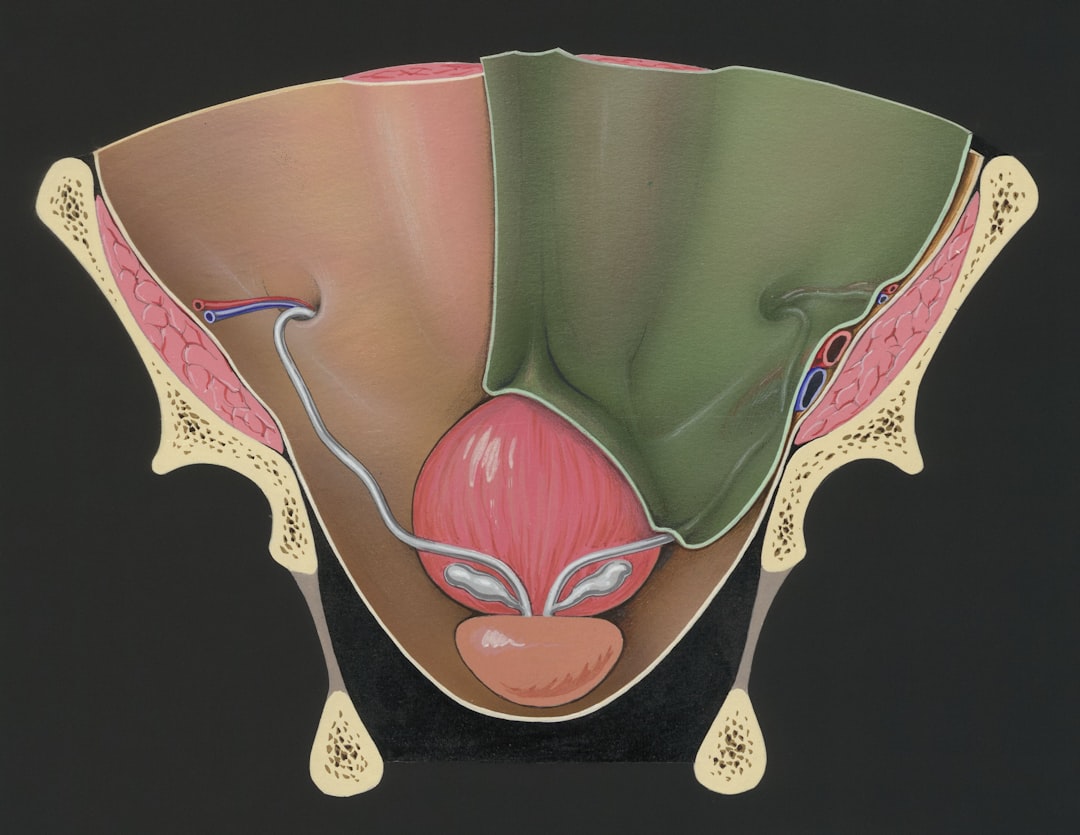
You might not give your bladder much thought until something goes awry. It’s an unsung hero of your body, silently working to manage waste and keep you comfortable. But just like any part of you, it can benefit from your attention. Understanding the markers of a healthy bladder empowers you to recognize when things are functioning optimally and, more importantly, when it might be time to pay closer attention to subtle signals your body is sending. This isn’t about chasing perfection; it’s about recognizing normal, efficient operation and being attuned to deviations that could indicate a need for further inquiry.
The Rhythm of Urination: When and How Often
One of the most fundamental indicators of bladder health is the frequency and rhythm of your urination. For most adults, a healthy bladder operates with a predictable pattern, though individual variations are natural. Understanding your own typical rhythm is the first step in identifying potential issues.
Typical Urination Frequency
- Your Baseline: Generally, a healthy adult urinates between four and seven times in a 24-hour period. However, this can fluctuate based on fluid intake, activity levels, and even temperature. If you consistently urinate significantly more or less than this, it’s worth considering.
- Nocturnal Urination (Nocturia): Waking up once during the night to urinate is generally considered normal for many adults. Waking up multiple times could be a sign that your bladder isn’t emptying completely, is overactive, or that other factors like increased fluid intake before bed are playing a role.
- Urgency and Urge Incontinence: A healthy bladder allows you to recognize the urge to urinate and to voluntarily delay urination until a suitable time and place. Persistent, strong urges that are difficult to ignore, or involuntary leakage of urine when you feel this urge, are signs that your bladder’s signaling or control mechanisms might be disrupted.
Factors Influencing Urination Patterns
- Fluid Intake: This is the most obvious factor. The more you drink, the more urine your bladder will produce. However, a healthy bladder can still accommodate a reasonable intake without overwhelming you. If you find yourself constantly needing to go even with moderate fluid intake, it warrants attention.
- Diet and Beverages: Certain foods and drinks can irritate the bladder, leading to increased frequency and urgency. These include caffeine (coffee, tea, soda), alcohol, artificial sweeteners, and acidic foods like citrus fruits and tomatoes. While occasional consumption might not cause problems, regular intake of these and experiencing bladder symptoms could be linked.
- Medications: Many medications have side effects that can affect bladder function. Diuretics, for instance, are designed to increase urine production. Other medications might affect bladder muscle control or nerve signals. If you’ve recently started a new medication and noticed changes in your urination, it’s a point to discuss with your doctor.
- Underlying Medical Conditions: Conditions like diabetes, urinary tract infections (UTIs), interstitial cystitis, and neurological disorders can significantly impact bladder frequency and urgency. If your urinary habits change suddenly or persistently, especially in conjunction with other symptoms, it’s important to explore these possibilities.
To ensure your bladder is functioning optimally, it’s important to be aware of the signs of a healthy bladder. For more insights on this topic, you can read a related article that discusses various symptoms and tips for maintaining bladder health. Check it out here: Freaky Science.
The Flow of Urine: A Powerful Indicator
The way urine exits your body is a direct reflection of your bladder’s ability to contract and your urethra’s ability to open. A healthy flow is typically unimpeded and consistent.
Characteristics of a Healthy Urine Stream
- Strength and Consistency: A healthy urine stream is typically strong, continuous, and doesn’t taper off abruptly. You should be able to start and stop urination with relative ease.
- No Hesitancy: When you decide to urinate, the stream should begin without significant delay. If you find yourself waiting for a while before urine starts to flow, it can indicate a blockage or weakness in the bladder muscles.
- No Interruption: The flow should ideally be consistent throughout the act of urination. Frequent stopping and starting, or a sputtering stream, can be a sign that the bladder isn’t emptying efficiently.
- Complete Emptying: After urinating, you should feel as though your bladder is empty. A persistent feeling of needing to go again shortly after urinating, or a sensation of incomplete emptying, can indicate residual urine remains, which can increase the risk of UTIs.
Signs of Impaired Urine Flow
- Weak or Dribbling Stream: This is a common sign that something is impeding the flow of urine. It can be caused by an enlarged prostate in men, bladder neck obstruction, or nerve damage affecting bladder control.
- Hesitancy: As mentioned, this is the difficulty in starting the urine stream. It’s a sign that the muscles controlling urination aren’t functioning optimally.
- Straining to Urinate: If you find yourself having to push or strain to get the urine to come out, this is a clear indicator of resistance in the urinary tract, which could be due to a blockage or weakened bladder muscles.
- Incomplete Emptying Sensation: This feeling of not being finished even after you’ve urinated is a significant sign that your bladder may not be emptying properly. This can lead to bacteria accumulating in the bladder, increasing the risk of infections.
Comfort and Absence of Discomfort: A Silent Testimony
Pain and discomfort are your body’s alarm bells. When your bladder is healthy, it operates without drawing undue attention to itself through unpleasant sensations.
The Absence of Pain and Discomfort
- No Burning or Stinging During Urination: A healthy bladder and urethra allow urine to pass without any burning, stinging, or sharp pain. This sensation is often indicative of inflammation or infection.
- Absence of Pelvic or Lower Abdominal Pain: While occasional mild discomfort might occur for various reasons, a consistently healthy bladder shouldn’t cause you to experience ongoing pain in your pelvic region or lower abdomen.
- No Unexplained Pressure: A healthy bladder feels full when it needs to be emptied but doesn’t typically cause a feeling of constant, uncomfortable pressure.
- Comfort After Urination: Following a complete void, you should generally feel relieved and comfortable, without any lingering pain or discomfort.
Recognizing Painful Symptoms
- Dysuria (Painful Urination): This is the medical term for painful urination. It’s a strong signal that something is irritating or inflaming the urinary tract, most commonly a UTI.
- Cystitis (Bladder Inflammation): Inflammation of the bladder can cause a range of symptoms including pain, pressure, and an increased urge to urinate.
- Urinary Tract Infections (UTIs): UTIs are a very common cause of discomfort and pain associated with urination. They can cause a burning sensation, lower abdominal pain, and frequent urination.
- Kidney Stones: While not directly a bladder symptom, the passage of kidney stones through the urinary tract can cause severe pain that may radiate to the bladder area, leading to bladder discomfort and changes in urination.
The Appearance of Urine: Clarity and Composition
The color and clarity of your urine offer a visual clue into your body’s hydration status and the presence of any abnormalities.
What Healthy Urine Looks Like
- Pale Yellow to Amber Color: This is the typical color range for healthy urine in a well-hydrated individual. The variation in shade often reflects the concentration of urochrome, a pigment produced by the breakdown of hemoglobin.
- Clear and Transparent: Healthy urine should be relatively clear, without cloudiness or visible particles. A bit of foam is acceptable, but persistent, thick foam might warrant attention.
- Mild Odor: While urine does have an odor, it’s typically not strong or offensive. The smell can vary slightly depending on diet and hydration.
When Urine Appearance Changes
- Cloudy or Murky Urine: This can be a sign of infection, particularly a UTI, where white blood cells and bacteria are present. It can also be caused by dehydration or the presence of crystals.
- Blood in Urine (Hematuria): This is a significant finding and should always be investigated by a healthcare professional. It can appear as pink, red, or brown urine and can be caused by infections, kidney stones, bladder tumors, or other serious conditions. Even small amounts of blood you can’t see but are detected in a urine test (microscopic hematuria) require attention.
- Unusual Odors: A strong, foul, or ammonia-like smell can indicate an infection. Certain foods, like asparagus, can also cause a temporary, distinct odor. If the smell is persistent and not diet-related, it’s worth investigating.
- Excessive Foam: While a few bubbles are normal, persistent, thick foam that doesn’t dissipate quickly can sometimes indicate excessive protein in the urine, which can be a sign of kidney issues.
Understanding how to tell if your bladder is healthy is crucial for maintaining overall well-being. Regular monitoring of your urinary habits can provide valuable insights into your bladder health. For more detailed information on this topic, you can check out a related article that discusses various signs and symptoms to watch for. This resource can help you identify potential issues early on and encourage proactive health measures. To read more, visit this informative article.
The Bladder’s Capacity and Responsiveness: A Balanced System
A healthy bladder is a marvel of elasticity and muscular control. It can expand to hold a significant volume of urine and then contract effectively to empty itself.
A Well-Functioning Bladder’s Capacity
- Comfortable Holding Capacity: Your bladder can comfortably hold a reasonable amount of urine before you feel a strong urge. For most adults, this is around 1.5 to 2 cups (350-500 ml).
- Predictable Urge to Void: You feel an urge to urinate when your bladder is adequately full, signaling the need for a restroom. This urge is manageable, allowing you to reach a suitable location.
- Effective Emptying: When you do urinate, your bladder muscles contract effectively to expel the urine completely.
Signs of Bladder Dysfunction
- Overactive Bladder (OAB): This condition is characterized by sudden, strong urges to urinate that are difficult to control, often leading to frequent urination and potential incontinence. The bladder muscles may be contracting involuntarily.
- Underactive Bladder: In contrast to OAB, an underactive bladder may not signal fullness effectively, or the muscles may not contract strongly enough to empty completely. This can lead to a feeling of incomplete emptying, increased residual urine, and an increased risk of UTIs.
- Bladder Instability: This refers to involuntary contractions of the bladder muscle that can occur even when the bladder is not full, leading to a sudden urge to urinate and potential leakage.
- Neurological Impairments: Conditions affecting the nerves that control the bladder, such as spinal cord injuries, multiple sclerosis, or stroke, can disrupt the communication between the brain and the bladder, leading to a wide range of bladder control problems.
By paying attention to these signs, you are essentially receiving ongoing feedback from your urinary system. A healthy bladder operates with a predictable rhythm, a strong and unimpeded flow, an absence of pain, clear and normal-looking urine, and a capacity that feels comfortable and responsive. Recognizing these positive indicators allows you to appreciate its efficient functioning. Conversely, any significant or persistent deviation from these norms is your bladder’s way of telling you to listen and potentially seek professional advice. Your proactive awareness is the most valuable tool in maintaining a healthy urinary system throughout your life.
FAQs
1. What are the signs of a healthy bladder?
A healthy bladder typically functions without any pain, discomfort, or urgency. It should be able to hold urine for 3-4 hours during the day and 6-8 hours at night without the need to urinate.
2. How often should I urinate if my bladder is healthy?
On average, a healthy adult should urinate about 6-8 times a day. This can vary depending on fluid intake, but if you find yourself urinating significantly more or less frequently, it may indicate a bladder issue.
3. What color should my urine be if my bladder is healthy?
Healthy urine is typically a pale yellow color. Darker yellow urine may indicate dehydration, while cloudy or red urine can be a sign of a bladder infection or other health issue.
4. What are some common signs of an unhealthy bladder?
Signs of an unhealthy bladder can include frequent urination, pain or discomfort during urination, difficulty emptying the bladder completely, and incontinence. Blood in the urine or strong-smelling urine can also be indicators of a bladder issue.
5. When should I see a doctor about my bladder health?
If you experience any sudden changes in your urinary habits, such as increased frequency, pain, or blood in the urine, it’s important to see a doctor. Additionally, if you have a history of bladder issues or are experiencing persistent discomfort, it’s best to seek medical advice.