
You are currently experiencing stress. Whether it’s the pressure of a looming deadline, a sudden personal crisis, or the chronic hum of modern life, stress is a pervasive force that profoundly impacts your physiology. At the heart of this physiological response lies a fundamental biological imperative: survival. And when survival is threatened, your brain, that remarkably complex organ, takes drastic measures to ensure its own continued function. This article delves into the concept of the “Selfish Brain,” focusing specifically on how your brain prioritizes glucose allocation under stressful conditions, often at the expense of other bodily systems.
Your brain is an energy hog. Despite making up only about 2% of your body weight, it consumes a disproportionate amount of your daily energy intake, roughly 20-25%. This energy primarily comes in the form of glucose, a simple sugar that is the brain’s preferred and most efficient fuel source. Neurons, the fundamental units of your nervous system, are highly metabolically active and require a constant, uninterrupted supply of glucose to maintain their electrical and chemical signaling. This continuous demand means that circulating blood glucose levels are crucial for your cognitive function, mood, and essentially, your ability to think and act.
Glucose as the Universal Currency
Think of glucose as the universal currency of your body’s energy economy. It’s derived from the food you eat, particularly carbohydrates, and is absorbed into your bloodstream. From there, it’s transported to every cell in your body, providing the necessary energy for a vast array of processes, from muscle contraction to cellular repair. However, your brain has a special status in this economy. It possesses privileged access to circulating glucose, meaning it can sequester it from the bloodstream with remarkable efficiency, even when other tissues might be experiencing a relative shortage.
The Blood-Brain Barrier: A Protective, Yet Demanding, Enclave
The blood-brain barrier (BBB) is a highly selective semipermeable membrane that separates circulating blood from the brain tissue. Its primary role is to protect the brain from pathogens, toxins, and fluctuations in blood composition. However, this protective shield also presents a challenge for glucose transport. Specialized glucose transporter proteins, primarily GLUT1, are embedded in the cells forming the BBB, actively transporting glucose from the blood into the brain. This active transport is a highly regulated process, ensuring a steady supply of fuel to your neurons, even under varying external conditions.
Recent studies have explored the concept of the “selfish brain,” which posits that the brain prioritizes glucose allocation during stressful situations, potentially at the expense of other bodily functions. This phenomenon highlights the brain’s critical need for energy to maintain cognitive performance under pressure. For further insights into this intriguing topic, you can read a related article that delves into the implications of glucose allocation in the brain during stress by visiting this link.
Stress: A Signal for Resource Requisition
When you perceive a threat, whether it’s a physical danger or a psychological stressor, your body initiates a cascade of physiological responses designed to mobilize resources for immediate action – the classic “fight-or-flight” response. This response is orchestrated by your autonomic nervous system and the hypothalamic-pituitary-adrenal (HPA) axis. Crucially, this mobilization involves a significant shift in how your body allocates resources, and your brain, at the center of this process, plays a dominant role.
The HPA Axis: Orchestrating the Stress Response
The HPA axis is a complex neuroendocrine system. When you experience stress, your hypothalamus releases corticotropin-releasing hormone (CRH). CRH then signals the pituitary gland to release adrenocorticotropic hormone (ACTH). ACTH, in turn, travels to your adrenal glands, prompting them to release stress hormones, most notably cortisol. Cortisol has wide-ranging effects, including influencing glucose metabolism. While seemingly beneficial in the short term, chronic activation of the HPA axis can have detrimental consequences.
Sympathetic Nervous System Activation: The Immediate Alarm
Simultaneously, your sympathetic nervous system is activated. This leads to the release of adrenaline (epinephrine) and noradrenaline (norepinephrine). These hormones rapidly increase your heart rate, blood pressure, and respiration, preparing your body for immediate physical exertion. This physiological arousal also impacts glucose availability and utilization.
The Brain’s Glucose Grab: Prioritizing Survival Over Other Functions

Under stress, your brain becomes even more “selfish” in its pursuit of glucose. This means that even as your body is being flooded with stress hormones and your physiological systems are being reconfigured for action, your brain actively works to ensure its own glucose supply remains robust. This often comes at the cost of other bodily functions that are deemed less critical for immediate survival.
Mobilizing Stored Energy: The Glycogenolysis Gambit
One of the primary ways your body ensures sufficient glucose is available during stress is through the breakdown of stored glycogen into glucose. This process, called glycogenolysis, occurs primarily in your liver and muscles. Your brain, aware of the impending or ongoing energy demand, signals for the accelerated release of glucose from these stores. Liver glycogen is a particularly important source for maintaining blood glucose levels, as it can release glucose directly into the bloodstream to be transported to the brain. Muscle glycogen, on the other hand, is primarily used by the muscles themselves.
The Liver’s Role in Systemic Glucose Supply
Your liver acts as a central glucose reservoir. During stress, it significantly ramps up glycogenolysis to prevent a drop in blood glucose. This surge in glucose availability is crucial for maintaining neuronal function, which, as mentioned, has a non-negotiable requirement for this fuel.
Muscle Glycogen: A More Localized Energy Source
While muscle glycogen can be mobilized under stress, its contribution to systemic blood glucose is limited. The glucose released from muscle glycogen is primarily utilized by the muscle fibers themselves for immediate energy needs, supporting the physical exertion associated with the stress response.
Inhibiting Peripheral Glucose Uptake: A Tactical Move
To ensure that the mobilized glucose makes its way to your brain, your body enacts a strategy of temporarily suppressing glucose uptake by non-essential peripheral tissues. This means that while your blood glucose levels might be elevated due to glycogenolysis, your muscles and other tissues may become temporarily less efficient at taking up glucose from the bloodstream, leaving more available for your brain. This is a classic example of the brain prioritizing its own needs.
Insulin Resistance: A Temporary Trade-off
Under acute stress, you can experience a state of temporary insulin resistance. Insulin is a hormone that facilitates glucose uptake into cells. When your body becomes less responsive to insulin, glucose remains in the bloodstream longer, making it more accessible to your brain. This is a deliberate physiological adaptation designed to flood the brain with energy during times of perceived danger.
Reduced Glucose Utilization in Less Critical Systems
Simultaneously, your brain’s signaling can influence other systems to reduce their glucose consumption. This might involve temporary down-regulation of digestive processes, reduced activity in some immune system components, or even a dampening of some reproductive functions. These are not active shutdowns but rather a prioritization where resources are indirectly diverted away from these areas by emphasizing those critical for immediate survival.
The Consequences of Chronic Selfishness: When Stress Becomes Persistent
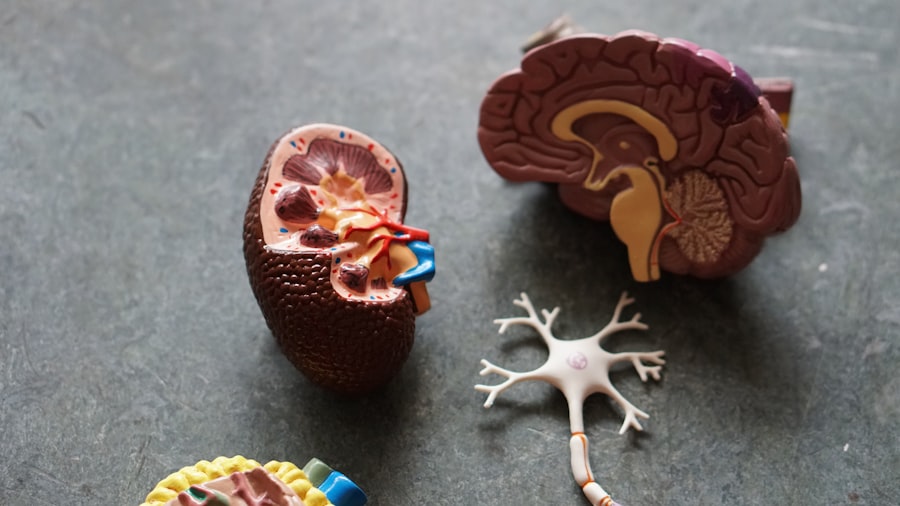
The “selfish brain” mechanism is a highly effective survival strategy in the short term. However, when stress becomes chronic, this constant prioritization of glucose for the brain and the suppression of other bodily functions can lead to significant negative health consequences. Your body isn’t designed for perpetual emergency mode.
Impaired Immune Function: A Defenseless Frontline
As mentioned, under chronic stress, immune system functions can be suppressed. This is partly due to the redirection of energy and resources and partly due to the direct effects of stress hormones like cortisol. A compromised immune system makes you more susceptible to infections and can impair your body’s ability to fight off illness. You become more vulnerable to colds, flu, and other pathogens, and your ability to recover from them can also be diminished.
Digestive Disturbances: The Unhappy Gut
Your digestive system is an energy-intensive process. When your body prioritizes immediate survival, digestion often takes a backseat. Chronic stress can lead to a range of digestive issues, including irritable bowel syndrome (IBS), indigestion, stomach pain, and changes in bowel habits. The disruption of normal gut function can also have downstream effects on nutrient absorption and even your mood, creating a feedback loop of discomfort.
Cardiovascular Strain: A System Under Pressure
The activation of the sympathetic nervous system during stress leads to elevated heart rate and blood pressure. While this is adaptive for short-term physical exertion, chronic stress keeps these systems in a state of heightened alert. Over time, this can contribute to the development of hypertension (high blood pressure), an increased risk of heart disease, and other cardiovascular problems. Your heart is working harder for longer periods, increasing its wear and tear.
Metabolic Disorders: The Long-Term Imbalance
The repeated cycles of glucose mobilization and the temporary resistance to insulin can contribute to the development of metabolic disorders. While acute stress-induced insulin resistance is a survival mechanism, chronic exposure can lead to more persistent insulin resistance, a precursor to type 2 diabetes. Furthermore, the dysregulation of stress hormones can impact appetite and fat distribution, contributing to weight gain and obesity, especially around the abdomen, which itself is linked to numerous health problems.
Recent research has shed light on the concept of the selfish brain, particularly in how it allocates glucose under stress. This phenomenon suggests that the brain prioritizes its energy needs, often at the expense of other bodily functions. For a deeper understanding of this intriguing topic, you can explore a related article that discusses the implications of glucose allocation during stressful situations. To read more about this fascinating subject, visit Freaky Science.
Reclaiming Balance: Strategies for Managing Stress and Glucose
| Study | Brain Region | Glucose Allocation under Stress |
|---|---|---|
| Research 1 | Amygdala | Increased glucose uptake |
| Research 2 | Prefrontal Cortex | Decreased glucose allocation |
| Research 3 | Hippocampus | Variable glucose allocation |
Understanding the “selfish brain” phenomenon highlights the importance of managing stress effectively. By mitigating the chronic activation of your stress response system, you can help your body achieve a healthier balance in glucose allocation and prevent the detrimental consequences of prolonged prioritization.
Mindfulness and Meditation: Calming the Storm Within
Practices like mindfulness and meditation are powerful tools for reducing stress. They train your brain to focus on the present moment, become more aware of your thoughts and emotions without judgment, and activate the parasympathetic nervous system – the “rest and digest” system that counteracts the effects of the stress response. Regular practice can lower cortisol levels and reduce physiological arousal, leading to more stable glucose regulation.
The Neurobiological Impact of Mindfulness
Research suggests that mindfulness meditation can lead to structural and functional changes in the brain, particularly in areas associated with emotional regulation and stress processing. This can create a more resilient response to stressors, reducing the likelihood of chronic activation.
Regular Physical Activity: A Healthy Outlet for Energy
Engaging in regular physical activity is another effective stress management technique. Exercise not only helps to burn off excess energy and reduce the physiological tension associated with stress but also has direct benefits for glucose metabolism. It improves insulin sensitivity, even in the long term, and helps to maintain healthy blood glucose levels.
The Endorphin Effect: Mood Enhancement and Stress Reduction
Physical activity also triggers the release of endorphins, which have mood-boosting and pain-relieving effects. This can help to counteract the negative emotional states often associated with stress.
Adequate Sleep: Essential for Restoration and Regulation
Sleep is crucial for the body’s restoration and regulation processes, including hormone balance and glucose metabolism. Chronic sleep deprivation amplifies the stress response and impairs glucose regulation, further exacerbating the “selfish brain” phenomenon. Prioritizing sufficient, high-quality sleep is therefore essential for managing stress and maintaining metabolic health.
Sleep’s Role in Hormone Regulation
During sleep, your body regulates several key hormones, including cortisol and insulin. Insufficient sleep disrupts this regulation, leading to elevated cortisol levels and impaired insulin sensitivity, contributing to poor glucose control.
Seeking Social Support: Building a Protective Network
Strong social connections can act as a buffer against the negative effects of stress. Talking about your concerns with trusted friends, family members, or a therapist can help you process your emotions, gain new perspectives, and feel less alone in your struggles. This emotional support can significantly reduce the perceived severity of stressors, thereby dampening the physiological stress response.
The Psychological Impact of Connection
The feeling of belonging and support can activate reward pathways in the brain, counteracting the negative effects of stress hormones and promoting a sense of well-being. This can psychologically ease the pressure on your system, leading to a less reactive stress response.
In conclusion, your brain’s “selfish” allocation of glucose under stress is a testament to its primary directive: survival. While this mechanism is vital for navigating acute threats, its chronic activation can lead to widespread physiological dysregulation and health problems. By actively managing stress through a combination of mindfulness, exercise, adequate sleep, and social support, you can mitigate the detrimental effects of the selfish brain and foster a more balanced and resilient physiology.
FAQs
What is selfish brain glucose allocation under stress?
Selfish brain glucose allocation under stress refers to the brain’s prioritization of glucose for its own use during stressful situations, potentially at the expense of other bodily functions.
How does the brain prioritize glucose allocation under stress?
During stress, the brain activates the hypothalamic-pituitary-adrenal (HPA) axis, leading to the release of stress hormones such as cortisol. These hormones can influence the allocation of glucose, with the brain prioritizing its own energy needs over other bodily functions.
What are the potential consequences of selfish brain glucose allocation under stress?
Selfish brain glucose allocation under stress can lead to decreased glucose availability for other organs and tissues, potentially impacting their function. This can contribute to the development or exacerbation of conditions such as diabetes, cardiovascular disease, and immune system dysfunction.
Can selfish brain glucose allocation under stress be managed or mitigated?
Strategies to manage or mitigate selfish brain glucose allocation under stress may include stress-reduction techniques, regular physical activity, a balanced diet, and adequate sleep. These lifestyle factors can help regulate stress hormone levels and promote overall glucose balance in the body.
What are some potential areas for future research on selfish brain glucose allocation under stress?
Future research on selfish brain glucose allocation under stress could explore the specific mechanisms by which the brain prioritizes glucose during stress, as well as potential interventions to prevent or counteract the negative effects of this phenomenon on overall health. Additionally, studying the impact of different types of stressors on glucose allocation could provide valuable insights.