
Space is not an empty void. It is a vast, complex tapestry woven with stars, galaxies, planets, and the ethereal threads of gas and dust. For centuries, astronomers have peered into this cosmic expanse, their vision limited by the wavelengths of light visible to the human eye. However, a significant portion of the universe remains hidden, obscured by the very building blocks of stars and planets: interstellar dust. This cosmic veil, while beautiful in its own right, scatters and absorbs visible light, rendering many celestial objects invisible to traditional telescopes. It is here that the extraordinary capabilities of infrared telescopes come into play, offering a unique perspective and allowing humanity to see through space dust, revealing the universe in ways previously unimaginable.
The universe, as observed through optical telescopes, is a stunning panorama of bright stars and distant galaxies. Yet, this visual spectacle represents only a fraction of the cosmic phenomena occurring. Visible light, the portion of the electromagnetic spectrum our eyes can detect, is easily disrupted by the ubiquitous interstellar medium. This medium, a tenuous mix of gas and dust, pervades the space between stars. The dust grains, though microscopic, are densely packed in certain regions, forming vast clouds that act as formidable barriers to visible light. These clouds, often referred to as nebulae or molecular clouds, are the stellar nurseries where new stars are born. However, their very density that makes them fertile grounds for star formation also renders them opaque to optical instruments. Imagine trying to see a light bulb through a thick fog; the light is there, but it is significantly dimmed and scattered, making it difficult to discern the source. Similarly, the dense dust clouds of space absorb and scatter visible light, hiding nascent stars, planetary disks, and the very centers of galaxies.
The Nature of Interstellar Dust
Interstellar dust is not a monolithic entity. It comprises a variety of microscopic particles, typically ranging in size from a few nanometers to a few micrometers. These particles are primarily composed of heavier elements, such as carbon, silicon, oxygen, and iron, often in the form of silicates, graphite, and ice. These are the very elements forged in the hearts of stars and dispersed into the cosmos through stellar winds and supernova explosions. The composition and size distribution of dust grains can vary significantly depending on their origin and the environment they inhabit. In dense molecular clouds, where temperatures are very low, ice mantles, composed of water, carbon monoxide, and other volatile molecules, can form on the surfaces of dust grains. These ice mantles play a crucial role in the chemistry of these regions, acting as catalysts for the formation of more complex organic molecules.
Scattering and Absorption: The Dust’s Effect
The interaction of visible light with dust grains is governed by two primary processes: scattering and absorption. Scattering occurs when photons of light strike a dust particle and are deflected in various directions. The degree of scattering depends on the size of the dust grain relative to the wavelength of light. Shorter wavelengths, like blue light, are scattered more effectively by smaller dust particles, a phenomenon known as Rayleigh scattering, which is responsible for the blue color of Earth’s sky. Longer wavelengths, like red light, are scattered less. Absorption, on the other hand, involves the dust grain absorbing the energy of the incoming photon. This absorbed energy is then re-emitted, typically as infrared radiation, a process that is key to understanding how infrared telescopes overcome the dust’s obscuring power. The combined effect of scattering and absorption leads to what astronomers call extinction, where the apparent brightness of a celestial object is reduced, and its light is reddened as the bluer components are preferentially removed.
Infrared telescopes play a crucial role in astronomy by allowing scientists to see through space dust, which often obscures our view of celestial objects. A related article that delves deeper into this fascinating topic is available at Freaky Science. This resource explains how infrared technology enables astronomers to observe star formation and other cosmic phenomena hidden behind thick clouds of dust, providing invaluable insights into the universe’s structure and evolution.
The Infrared Window: A Different Perspective
The universe, while opaque to visible light in many regions, reveals its secrets in the infrared portion of the electromagnetic spectrum. Infrared radiation, also known as heat radiation, has longer wavelengths than visible light and is less affected by scattering from dust. Dust itself, when heated by stars or by absorbing starlight, glows in the infrared. This is precisely why infrared telescopes are indispensable tools for studying the hidden universe. They can penetrate the dusty veils that shroud star-forming regions, allowing astronomers to witness the birth of stars and planets in unprecedented detail. They can also peer into the crowded, dust-obscured centers of galaxies, revealing the supermassive black holes that reside there and the complex processes of star formation that occur in their vicinity. The infrared spectrum offers a unique window into the cooler, more hidden aspects of the cosmos.
The Electromagnetic Spectrum and Infrared Radiation
The electromagnetic spectrum encompasses all forms of light, from high-energy gamma rays and X-rays to low-energy radio waves. Visible light occupies a narrow band within this spectrum. Infrared radiation lies between visible light and microwaves. It is further divided into near-infrared, mid-infrared, and far-infrared regions, each with specific properties and astronomical applications. Near-infrared light, with wavelengths closer to visible light, can penetrate some dust clouds, while far-infrared radiation, with longer wavelengths, is emitted by cooler dust and gas. The sensitivity of infrared telescopes to different parts of this spectrum allows them to study a wide range of celestial phenomena, from the heat emitted by young stars to the faint glow of distant galaxies.
Dust as an Infrared Emitter
One of the most profound insights from infrared astronomy is the realization that dust itself is a significant source of infrared radiation. When dust grains absorb visible or ultraviolet light from stars, they heat up and re-emit this energy as infrared photons. The temperature of the dust dictates the peak wavelength of this emitted radiation. Cooler dust, found in the outer regions of molecular clouds or in protoplanetary disks, emits longer-wavelength infrared radiation, while warmer dust, closer to a star, emits shorter-wavelength infrared radiation. This property allows astronomers to map the distribution and temperature of dust in various cosmic environments, providing crucial information about the physical conditions and processes occurring within them.
Key Infrared Telescopes: Tools of Discovery
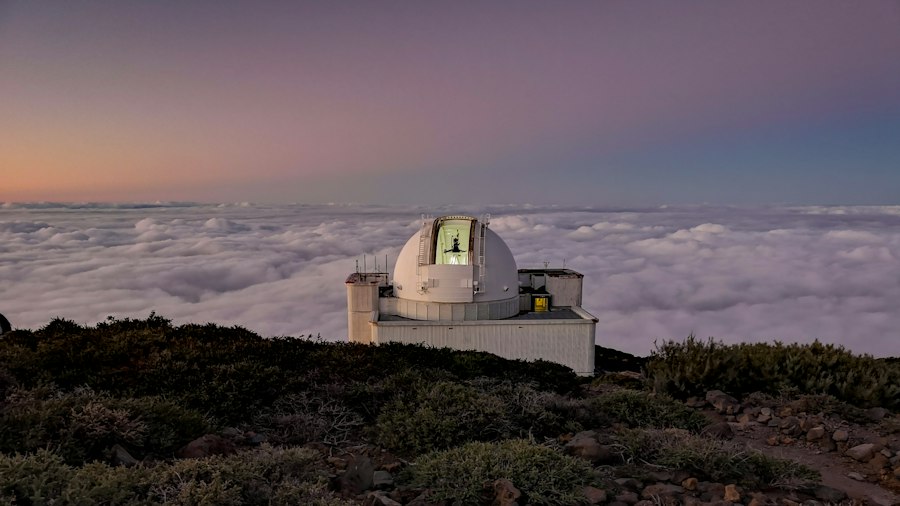
The quest to understand the infrared universe has led to the development of sophisticated infrared telescopes, both ground-based and space-based. Space-based telescopes are particularly crucial because Earth’s atmosphere itself is a significant absorber of infrared radiation. Above the atmosphere, these telescopes can operate with unparalleled clarity and sensitivity. Each major infrared observatory has contributed unique discoveries, pushing the boundaries of our knowledge and revealing the universe in ever-greater detail.
The Spitzer Space Telescope: A Legacy of Discovery
The Spitzer Space Telescope, launched in 2003, was a revolutionary infrared observatory that operated for over 16 years. Its infrared capabilities allowed it to observe the universe in unprecedented detail, making groundbreaking discoveries in areas such as star formation, exoplanets, and the early universe. Spitzer’s sensitive instruments were able to detect faint infrared signals from distant galaxies, shedding light on the evolution of cosmic structures in the early universe. It also played a vital role in the study of exoplanet atmospheres, detecting the chemical signatures of molecules and providing clues about their habitability. Even after its mission concluded, the data collected by Spitzer continues to be a treasure trove for astronomers.
The James Webb Space Telescope: The Next Generation
The James Webb Space Telescope (JWST), launched in 2021, represents the pinnacle of infrared astronomy. As the successor to Hubble and Spitzer, JWST is the most powerful infrared telescope ever built. Its large primary mirror and advanced suite of instruments enable it to observe the universe with extraordinary sensitivity and resolution. JWST’s primary mission is to study the first stars and galaxies that formed after the Big Bang, peer into the formation of stars and planetary systems, and explore the composition of exoplanet atmospheres. Its ability to observe in the infrared allows it to penetrate the same dusty veils that obscured Hubble’s view, promising to revolutionize our understanding of the early universe and the processes of cosmic evolution.
Ground-Based Infrared Observatories: Complementary Strengths
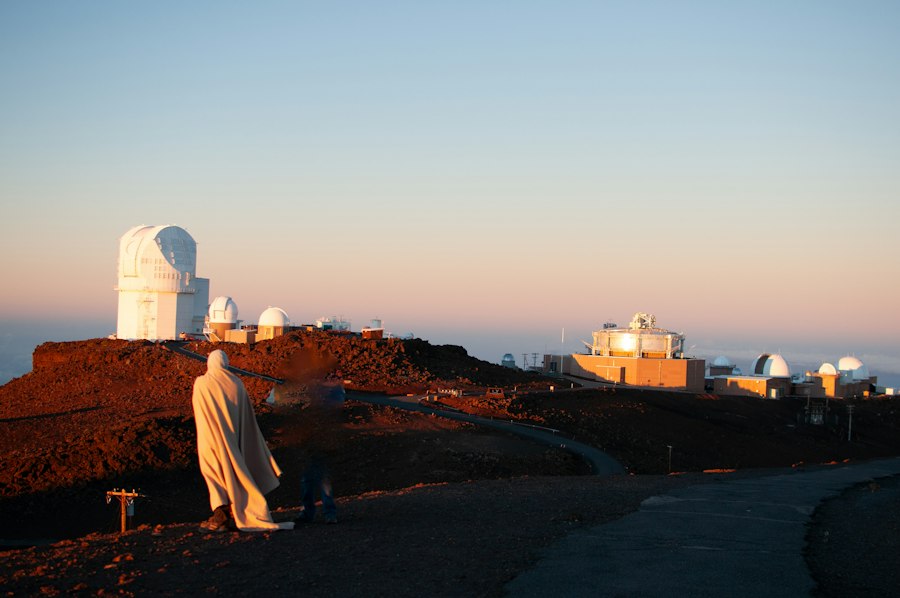
While space-based telescopes offer the ultimate advantage in avoiding atmospheric interference, ground-based infrared observatories also play a vital role. These telescopes are often equipped with adaptive optics systems, which use deformable mirrors to correct for atmospheric distortions in real-time, significantly improving image quality. Furthermore, their larger apertures can gather more light, allowing them to observe fainter objects. Observatories like the Keck Observatory and the Very Large Telescope (VLT) in Chile are equipped with advanced infrared instruments and have made significant contributions to infrared astronomy, complementing the observations made by space telescopes.
Illuminating Stellar Nurseries: Birthplaces of Stars
One of the most profound applications of infrared telescopes is their ability to peer into the dense molecular clouds where stars are born. These regions, often thousands of light-years across, are opaque to visible light, hiding the nascent stars within their dusty embrace. Infrared radiation, however, can penetrate these clouds, allowing astronomers to witness the entire process of star formation, from the initial collapse of gas and dust to the ignition of nuclear fusion. This has provided unprecedented insights into the physical mechanisms that drive stellar birth and the diversity of stars that are formed.
Probing Molecular Clouds: The Cosmic Wombs
Molecular clouds are the raw material for star formation. They are vast reservoirs of cold gas (primarily molecular hydrogen) and dust. Within these clouds, gravitational instabilities can cause regions to collapse under their own gravity. As a region collapses, it becomes denser and hotter, eventually forming a protostar. The dust within these collapsing regions absorbs the energy released by the protostar and re-emits it as infrared radiation. Infrared telescopes are therefore essential for observing the internal structure and dynamics of these clouds, revealing the intricate filaments and clumps of gas and dust that are destined to become stars.
Unveiling Protostars and Protoplanetary Disks
Protostars are young stars that are still in the process of accreting mass from their surrounding envelopes of gas and dust. They are often obscured by thick layers of dust, making them invisible in optical light. Infrared telescopes can penetrate these envelopes, allowing astronomers to study the physical properties of protostars, such as their temperature, luminosity, and mass accretion rates. Surrounding protostars are protoplanetary disks, swirling disks of gas and dust from which planets form. These disks are also rich in dust and emit strongly in the infrared. Infrared observations have been instrumental in studying the structure, composition, and evolution of these planet-forming disks, providing crucial evidence for the formation of exoplanets.
Infrared telescopes have revolutionized our understanding of the universe by allowing astronomers to see through space dust that often obscures visible light. These advanced instruments detect the heat emitted by celestial objects, enabling scientists to study star formation and the structure of galaxies hidden behind dense clouds of gas and dust. For a deeper dive into the fascinating technology behind these telescopes, you can read more in this related article that explores how infrared observations are reshaping our view of the cosmos.
Galactic Centers and Active Galactic Nuclei: Peering into the Darkness
| Metrics | Details |
|---|---|
| Wavelength | Infrared telescopes use longer wavelengths than visible light, allowing them to penetrate through space dust. |
| Heat Detection | They detect the heat emitted by objects in space, which can pass through dust clouds. |
| Resolution | They have high resolution capabilities, allowing them to see through dense dust clouds and capture detailed images of celestial objects. |
| Observations | Infrared telescopes have provided valuable insights into star formation, galaxy evolution, and the composition of interstellar dust. |
The centers of galaxies are often extremely dusty environments. The supermassive black holes at the heart of most galaxies are surrounded by vast amounts of gas and dust, which can obscure them from view in visible light. This dust can also fuel the feeding of these black holes, leading to the formation of active galactic nuclei (AGN), which are some of the most luminous objects in the universe. Infrared telescopes are essential for studying these dusty galactic cores and the processes occurring within them.
The Milky Way’s Dusty Heart
Our own Milky Way galaxy harbors a supermassive black hole at its center, Sagittarius A. This region is densely packed with stars and shrouded in a thick cloud of dust and gas. Optical telescopes are largely blind to the innermost regions of our galaxy. However, infrared telescopes can penetrate this dusty veil, allowing astronomers to study the motion of stars around the black hole, the distribution of gas and dust, and the activity occurring in this dynamic region. Infrared observations have provided compelling evidence for the existence of Sagittarius A and have helped us understand the complex gravitational environment at the galactic center.
Unveiling Active Galactic Nuclei (AGN)
Active Galactic Nuclei (AGN) are powered by supermassive black holes that are actively accreting matter. This process releases enormous amounts of energy across the electromagnetic spectrum, including in the infrared. The dust torus, a ring of dust surrounding the central black hole, absorbs much of the visible and ultraviolet radiation and re-emits it in the infrared. By studying the infrared emission from AGN, astronomers can infer the properties of the central engine, the dust torus, and the surrounding gas, providing crucial insights into the physics of black hole accretion and the feedback mechanisms that influence galaxy evolution.
The Future of Infrared Astronomy: Unveiling More Mysteries
The success of current and past infrared telescopes has paved the way for future missions that promise to push the boundaries of our knowledge even further. The development of new technologies and the construction of even larger and more sensitive instruments will allow us to explore the universe in greater detail than ever before. The ongoing revolution in infrared astronomy is not just about seeing farther or with greater clarity; it is about unlocking a deeper understanding of the fundamental processes that govern the cosmos, from the birth of stars and planets to the evolution of galaxies and the very origins of the universe.
Next-Generation Infrared Telescopes
The scientific community is already planning for the next generation of infrared observatories. These missions will likely feature even larger mirrors, more advanced detectors, and innovative observational techniques. The goal is to achieve even greater sensitivity and resolution, allowing astronomers to study the faintest and most distant objects in the universe. This includes searching for the earliest galaxies formed after the Big Bang, characterizing the atmospheres of Earth-like exoplanets in unprecedented detail, and exploring the composition and evolution of planetary systems in other galaxies.
Synergies with Other Observatories
The future of astronomical discovery lies in the synergistic use of different types of observatories. Infrared telescopes will continue to work in concert with optical, X-ray, and radio telescopes to provide a comprehensive understanding of cosmic phenomena. For example, an object that is faint in visible light might be bright in infrared due to its dust content, while its high-energy radiation might be best studied with X-ray telescopes. By combining data from multiple wavelengths, astronomers can build a more complete picture of the universe, revealing intricate details that would be missed by observing in a single spectrum. The continued development and deployment of powerful infrared telescopes, working in harmony with other advanced observatories, guarantees a future filled with exciting new discoveries, allowing us to truly see through the dust and unravel the most profound mysteries of the cosmos.

The Space Photos Are Real—But Your Eyes Would See This
FAQs
1. What is an infrared telescope?
An infrared telescope is a telescope that detects and measures infrared radiation (heat) emitted by objects in space, allowing astronomers to study celestial objects that are not visible in the visible light spectrum.
2. How do infrared telescopes see through space dust?
Infrared telescopes can see through space dust because infrared radiation has longer wavelengths than visible light, allowing it to penetrate through the dust and reveal objects that may be obscured in the visible light spectrum.
3. What advantages do infrared telescopes have over visible light telescopes?
Infrared telescopes have several advantages over visible light telescopes, including the ability to see through dust and gas clouds, the ability to detect cooler objects that emit little visible light, and the ability to study the early universe and distant galaxies.
4. What can infrared telescopes reveal about the universe?
Infrared telescopes can reveal a wide range of information about the universe, including the formation of stars and planets, the composition of interstellar dust and gas, the presence of black holes, and the structure and evolution of galaxies.
5. What are some examples of infrared telescopes currently in use?
Some examples of infrared telescopes currently in use include the Hubble Space Telescope’s Wide Field Camera 3, the Spitzer Space Telescope, the James Webb Space Telescope (scheduled for launch in 2021), and ground-based telescopes such as the Keck Observatory’s Near Infrared Camera (NIRC).