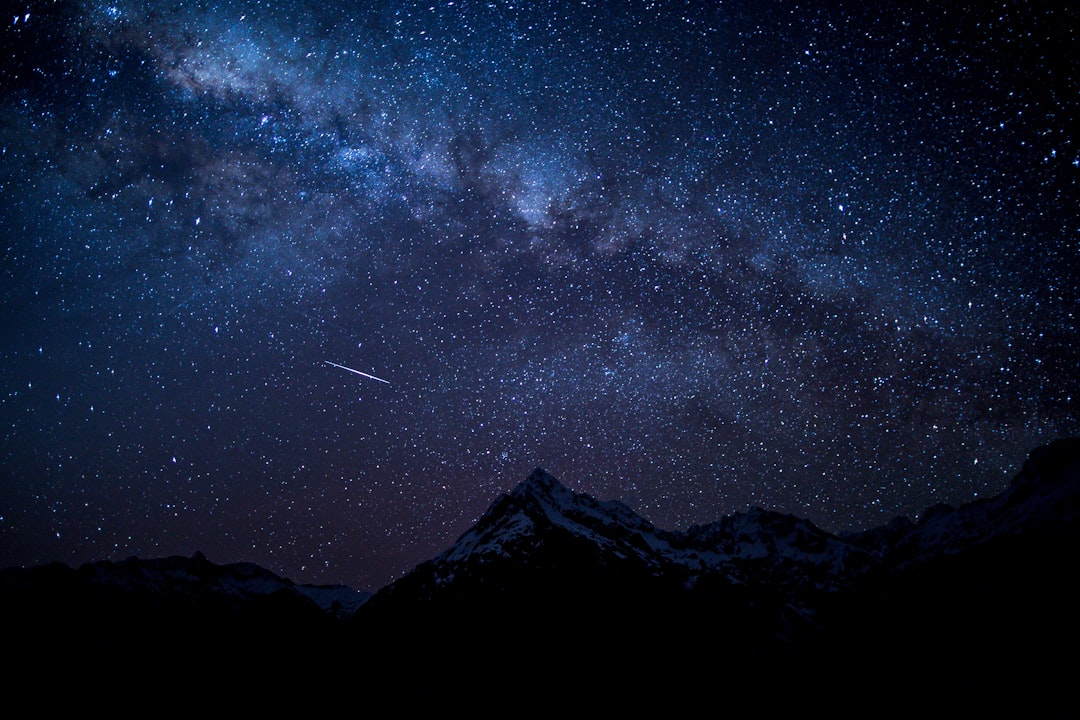
The human eye, a marvel of biological engineering, has been the primary conduit through which humanity has perceived its surroundings for millennia. Yet, when it comes to the celestial realm, the naked eye offers but a fleeting glimpse of the universe’s grandeur. Astrophotography, a discipline that marries art and science, has revolutionized our understanding and appreciation of the cosmos, revealing wonders that remain hidden from our unaided vision. This article will delve into the fundamental differences between human vision and the capabilities of astrophotography, exploring the limitations of our biological senses and the remarkable power of modern imaging techniques.
Human vision is an incredibly complex and efficient system, designed for survival and interaction within Earth’s immediate environment. It’s a symphony of biological components working in concert to interpret light, color, and motion.
The Retina: A Canvas of Light and Shadow
At the heart of human vision lies the retina, a light-sensitive tissue lining the back of the eye. This intricate layer contains millions of photoreceptor cells: rods and cones.
Rods: Masters of the Dim Light
Rods are highly sensitive to light and are responsible for our ability to see in low-light conditions. They are crucial for peripheral vision and detecting movement. While they don’t contribute to color perception, their sheer numbers (around 120 million per eye) make them indispensable for navigating the twilight world. In the context of observing the night sky, rods allow us to perceive the faint glow of distant galaxies or the subtle banding of Jupiter. However, their sensitivity comes at a cost: they are easily saturated by bright light, rendering them temporarily useless.
Cones: The Architects of Color and Detail
Cones, on the other hand, are less sensitive to light but are responsible for our sharpest vision and our perception of color. There are three types of cones, each sensitive to different wavelengths of light: red, green, and blue. By combining the signals from these cones, the brain constructs the full spectrum of colors we experience. Cones are concentrated in the fovea, the central part of the retina, allowing for detailed observation. When looking at brighter celestial objects like the Moon or a planet, cones are engaged, providing a clearer, albeit less sensitive, view.
The Brain’s Interpretation: A Constructed Reality
It is crucial to remember that vision is not merely about capturing light; it’s about the brain’s interpretation of that light. The brain processes the signals from the retina, creating a coherent and meaningful visual experience. This includes:
Signal Processing and Interpretation
The brain actively filters and enhances visual information. It can compensate for slight movements, fill in missing details, and adjust for varying light levels. This adaptive capability is why we can often discern shapes and patterns even in dimly lit environments. However, this processing also has limitations. The brain is inherently designed to prioritize immediate relevance and can struggle to hold onto faint, fleeting visual cues.
The Persistence of Vision: A Fleeting Memory
A phenomenon known as the persistence of vision means that an image remains in our perception for a fraction of a second after it has disappeared. This contributes to our perception of smooth motion but also means that a single, brief flash of light, no matter how faint, is difficult to register and retain. This is a significant hurdle when trying to observe subtle celestial details.
In exploring the fascinating intersection of human vision and astrophotography, one can gain deeper insights into how our perception of the universe differs from the stunning images captured by advanced cameras. For a more comprehensive understanding of this topic, you can read the article on Freaky Science, which delves into the intricacies of how light and technology combine to reveal the cosmos in ways our eyes alone cannot perceive. To learn more, visit Freaky Science.
The Unblinking Eye of Astrophotography
Astrophotography, by its very nature, transcends the biological limitations of human vision. It employs technology to capture and process light in ways that our eyes simply cannot.
The Camera Sensor: A Digital Light Bucket
At the core of astrophotography is the digital camera sensor, often a Charge-Coupled Device (CCD) or Complementary Metal-Oxide-Semiconductor (CMOS) sensor. These sensors are fundamentally different from our biological photoreceptors.
Pixel-Level Sensitivity and Range
Unlike rods and cones, each pixel on an imaging sensor is capable of accumulating photons over extended periods. This cumulative effect is the cornerstone of astrophotography. Where our eyes can only register light instantaneously, a camera sensor can collect faint light for minutes, hours, or even days, revealing details that would otherwise be completely invisible. Furthermore, modern sensors often have a much wider dynamic range than the human eye, allowing them to capture both very bright and very dim details in the same image.
The Absence of Biological Limitations
Imaging sensors do not suffer from fatigue or saturation in the same way as biological cells. They can be cooled to extremely low temperatures to minimize thermal noise, a significant contributor to image degradation in astrophotography. This allows for longer exposures and cleaner data collection.
Beyond the Single Shot: The Power of Stacking
One of the most profound techniques in astrophotography is image stacking. This involves capturing multiple individual images of the same celestial object and then combining them using specialized software.
Amplifying Faint Signals Through Averaging
Each individual exposure captures a certain amount of signal (light from the object) and noise (random fluctuations). By stacking many images, the common signal is amplified, while the random noise tends to cancel itself out. This effectively increases the signal-to-noise ratio, making faint details incredibly prominent. Imagine trying to hear a whisper in a crowded room; stacking is like having everyone else in the room whisper the same word simultaneously, making the whisper finally audible above the din.
Minimizing Noise and Artifacts
Stacking also helps to reduce other forms of noise and artifacts, such as light pollution gradients or the effect of atmospheric turbulence. The software can identify and reject frames that are particularly affected by these issues, leading to a cleaner and more aesthetically pleasing final image.
Unveiling Hidden Colors and Details
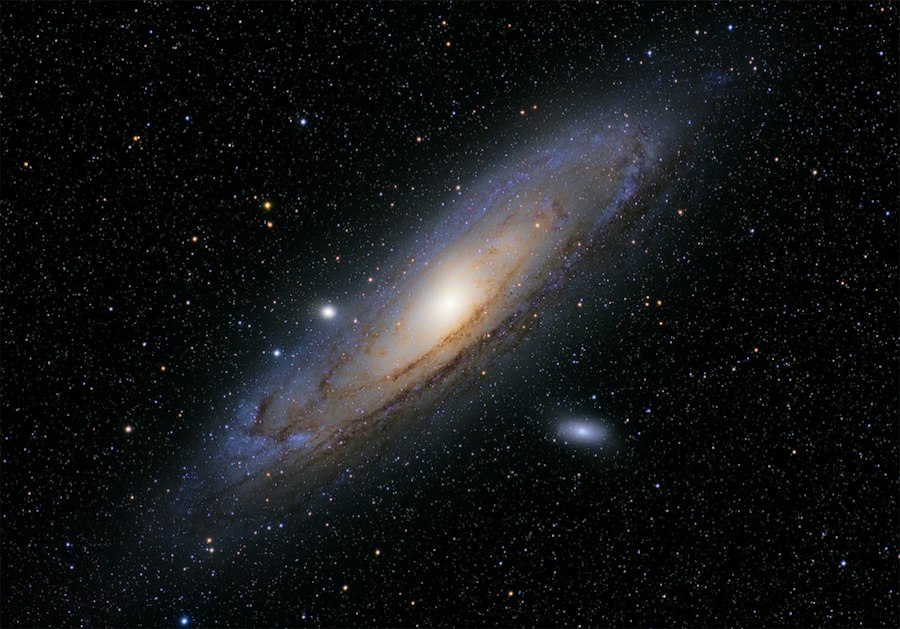
The universe is a spectacle of color, but much of it is too subtle for the human eye to perceive. Astrophotography, through its technical capabilities, unlocks this hidden palette.
Capturing the Full Spectrum: Beyond RGB
While our eyes perceive color based on the three cone types, astrophotography can capture light across a much broader spectrum.
Broadband Imaging: The Visible Palette
In broadband imaging, dedicated filters allow the camera to capture light within specific visible wavelengths, often corresponding to red, green, and blue. These individual frames are then combined and processed to create full-color images that reveal the subtle hues of nebulae and galaxies.
Narrowband Imaging: Exploring Chemical Signatures
A more advanced technique, narrowband imaging, utilizes very specific filters to isolate light emitted by particular elements, such as hydrogen-alpha, oxygen-III, and sulfur-II. These elements emit light at distinct wavelengths, essentially acting as chemical signatures of different regions within nebulae.
Hydrogen-Alpha: The Red Glow of Emission Nebulae
Hydrogen-alpha (H-alpha) is a prominent emission line in the visible spectrum, associated with the red glow of many nebulae. Capturing H-alpha light allows astrophotographers to highlight vast regions of ionized hydrogen, which are the birthplaces of stars. These vast crimson clouds, invisible to the naked eye, become breathtakingly vivid.
Oxygen-III: The Ethereal Greens and Blues
Oxygen-III (O-III) emissions produce the characteristic greenish-blue hues seen in certain nebulae. This light often originates from cooler, denser regions of ionized oxygen. By isolating O-III, astrophotographers can reveal intricate structures and ghostly tendrils within these celestial gas clouds.
Sulfur-II: Adding Depth and Contrast
Sulfur-II (S-II) emissions often contribute to the reddish-orange and magenta tones in astrophotography. Combined with H-alpha and O-III, S-II data can add significant depth, contrast, and visual richness to images of emission nebulae, creating stunning false-color representations that reveal the complex chemical composition of these cosmic nurseries.
Revealing Subtle Textures and Structures
The resolution and sensitivity of astrophotography equipment allow for the discernment of incredibly fine details that are simply beyond the reach of human vision.
High Resolution Imaging: Zooming In on the Cosmos
Modern telescopes and cameras can achieve extremely high resolutions, capturing minute details on planetary surfaces, the intricate dust lanes within galaxies, and the delicate filaments within nebulae. This allows us to explore cosmic landscapes with an unprecedented level of clarity.
Long Exposure Photography: Unmasking Faint Structures
As mentioned earlier, long exposures are fundamental to astrophotography. This technique allows for the detection of extremely faint structures that would be completely washed out by the limitations of human vision. This includes faint outer halos around galaxies, diffuse gas clouds, and subtle variations in brightness across vast cosmic objects.
The Role of Post-Processing: Sculpting the Universe
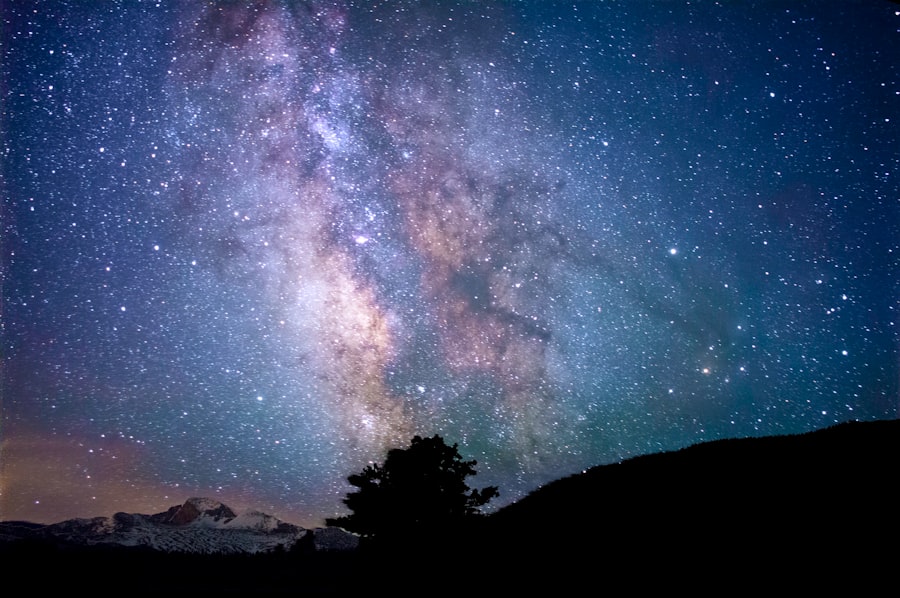
Astrophotography is not just about capturing raw data; it is also an art form that relies heavily on post-processing techniques to transform the collected light into stunning visual representations of the universe.
Calibration and Noise Reduction: Cleaning the Canvas
Before any artistic enhancement, the captured data must be meticulously calibrated.
Dark Frames, Bias Frames, and Flat Frames
Astrophotographers use various calibration frames to remove unwanted artifacts from their images. Dark frames account for thermal noise in the sensor, bias frames correct for electronic offsets, and flat frames compensate for vignetting (uneven illumination across the sensor) and dust on the optics. This cleaning process is akin to preparing a canvas before painting.
Advanced Noise Reduction Algorithms
Sophisticated software algorithms are employed to further reduce any remaining noise in the stacked images. These algorithms intelligently analyze the image data and smooth out imperfections without sacrificing essential detail.
Enhancing Contrast and Color: Bringing the Cosmos to Life
Once the data is clean and calibrated, the real artistry of post-processing begins.
Stretching the Histogram: Unveiling Hidden Details
The “histogram” of an image represents the distribution of pixel brightness. In raw astrophotography data, the dynamic range is often so vast that the faint details are compressed into a very narrow part of the histogram. “Stretching” the histogram selectively brightens these faint areas, bringing out details that were previously invisible. This is a crucial step in revealing the subtle variations in brightness that define celestial structures.
Color Balance and Saturation: Fine-Tuning the Palette
Achieving accurate and aesthetically pleasing colors requires careful adjustment of color balance and saturation. Astrophotographers strive to represent the true colors of celestial objects as accurately as possible, while also enhancing their visual impact. This involves balancing the relative strengths of different color channels and carefully increasing saturation to make the subtle hues pop without making them appear artificial.
Sharpening and Detail Enhancement: Adding the Final Touches
Subtle sharpening techniques can be applied to enhance the perceived detail and clarity of the image. However, this must be done with care to avoid introducing artifacts or exaggerating noise. The goal is to bring out the inherent sharpness of the captured data, revealing the intricate textures and structures of the universe.
The fascinating interplay between human vision and astrophotography reveals how our eyes perceive the universe differently than advanced imaging techniques do. While our eyes can detect a limited range of light, astrophotography allows us to capture stunning details of celestial objects that are often invisible to the naked eye. For a deeper understanding of this topic, you can explore a related article that discusses the intricacies of how technology enhances our view of the cosmos. Check it out here to learn more about the remarkable advancements in capturing the beauty of the night sky.
The Philosophical Impact: Expanding Our Cosmic Perspective
| Aspect | Human Vision | Astrophotography |
|---|---|---|
| Resolution | Limited to a few arcminutes | Capable of capturing fine details and structures |
| Sensitivity | Can detect a wide range of brightness levels | Can capture faint objects and details |
| Field of View | Wide field of view | Can capture narrow fields of view with high detail |
| Color Perception | Can perceive a wide range of colors | Can capture true color images of celestial objects |
| Adaptation | Can adapt to different light levels quickly | Requires long exposure times to capture faint objects |
The divergence between human vision and astrophotography extends beyond mere technical differences; it has a profound philosophical impact on our understanding of our place in the cosmos.
From Fleeting Glimpses to Deep Insights
Human vision offers us fleeting glimpses of the night sky, inspiring awe and wonder but providing limited information. Astrophotography, on the other hand, offers deep insights, revealing the true scale, complexity, and beauty of the universe in ways that were unimaginable to our ancestors. It allows us to see not just the brightest stars but the faint nebulae where stars are born, the distant galaxies that are remnants of the early universe, and the subtle details of planets within our own solar system.
A Shift in Perception: From Observer to Explorer
Astrophotography transforms us from passive observers of the night sky into active explorers. By capturing and analyzing images, we can delve into the scientific properties of celestial objects, understand their formation and evolution, and contribute to our collective knowledge of the universe. This process fosters a deeper connection with the cosmos, blurring the lines between art, science, and personal experience.
The Democratization of the Cosmos
In recent decades, the cost of astrophotography equipment has become more accessible, allowing amateur astronomers to contribute to our understanding of the universe. This democratization of the cosmos means that more people can engage with the wonders of space, fostering a broader appreciation for science and exploration. The images produced by dedicated amateurs often rival those of professional institutions, showcasing the power of passion and perseverance in unlocking the universe’s secrets.
In conclusion, while the human eye remains our primary gateway to the immediate world, astrophotography has proven to be an indispensable tool for unraveling the mysteries of the universe. It overcomes our biological limitations, revealing a cosmos far richer, more colorful, and more detailed than we could ever perceive unaided. Through the long exposures, intricate stacking techniques, and sophisticated post-processing, astrophotography allows us to see the universe not just as it appears, but as it truly is – a vast, dynamic, and breathtakingly beautiful spectacle waiting to be explored.

The Space Photos Are Real—But Your Eyes Would See This
FAQs
What is human vision?
Human vision refers to the ability of the human eye to perceive and interpret visual information from the surrounding environment. It is a complex process involving the eyes, optic nerves, and the brain.
What is astrophotography?
Astrophotography is the practice of capturing and recording images of astronomical objects and phenomena using specialized equipment such as telescopes, cameras, and other imaging devices. It allows for the visualization of celestial bodies and events that are not visible to the naked eye.
How does human vision differ from astrophotography?
Human vision is limited by the sensitivity and resolution of the human eye, while astrophotography can capture faint and distant objects with long exposure times and specialized equipment. Additionally, astrophotography can reveal details and colors that are not visible to the naked eye.
What are the limitations of human vision in observing astronomical objects?
Human vision is limited by factors such as atmospheric distortion, light pollution, and the inherent sensitivity of the human eye. These limitations make it difficult to observe faint and distant astronomical objects with the same level of detail as astrophotography.
How can astrophotography enhance our understanding of the universe compared to human vision?
Astrophotography allows for the capture of detailed images of astronomical objects, enabling scientists and enthusiasts to study and analyze celestial phenomena in greater detail. It also provides a visual record of astronomical events that can be used for research and educational purposes.