
Scientists have long associated oxygen production with the life-giving power of sunlight. Photosynthesis, the fundamental process by which plants, algae, and some bacteria convert light energy into chemical energy, releasing oxygen as a byproduct, has been the cornerstone of our understanding of Earth’s atmosphere. However, a groundbreaking discovery is now challenging this deeply ingrained paradigm. Researchers have unveiled evidence of oxygen production occurring in complete darkness, a phenomenon previously considered biologically impossible under natural circumstances. This revelation opens up entirely new avenues of scientific inquiry, with profound implications for astrobiology, the search for life beyond Earth, and even our understanding of terrestrial ecosystems.
The initial discovery emerged from an unexpected corner of biological research: the study of deep-sea hydrothermal vents. These extreme environments, characterized by their crushing pressure, lack of sunlight, and release of superheated, mineral-rich water, have long been known to harbor unique and hardy life forms. Many of these organisms thrive through chemosynthesis, utilizing chemical energy rather than light. It was within these chemosynthetic communities that scientists first noticed anomalies in oxygen levels that couldn’t be explained by known biological or geological processes.
The Anomaly in the Abyss
For years, researchers had been meticulously monitoring the chemical composition of water samples collected near these deep-sea vents. While the prevailing assumption was that oxygen concentrations would be low and primarily driven by abiotic factors like dissolved atmospheric oxygen or geological reactions, the data began to paint a different picture. Certain areas exhibited unexpectedly elevated levels of oxygen, and this increase could not be readily attributed to any of the established mechanisms. This persistent anomaly gnawed at the scientific team, prompting them to investigate further.
Challenging Established Biogeochemical Models
Traditional biogeochemical models for deep-sea environments largely discounted the possibility of significant oxygen production in the absence of light. Photosynthesis was considered the sole major source of biologically produced oxygen on Earth. The observed oxygen spikes therefore represented a significant departure from these established frameworks, suggesting the existence of a novel biochemical pathway or organism capable of generating oxygen under conditions that defied conventional wisdom.
In a groundbreaking study, scientists have discovered a method for producing oxygen without relying on sunlight, which could have significant implications for future space exploration and sustainable living on Earth. This discovery aligns with recent advancements in the field of artificial photosynthesis, where researchers are exploring alternative ways to generate oxygen and energy. For more insights into related scientific breakthroughs, you can read about various innovative research efforts at Freaky Science.
The Culprit: A Novel Biological Mechanism
The arduous journey to pinpoint the source of this dark oxygen production involved a combination of sophisticated sampling techniques, advanced genetic analysis, and painstaking laboratory experiments. The researchers initially suspected the involvement of previously uncharacterized microorganisms, given the extreme and unique conditions of the deep sea. Their persistent efforts eventually led them to a group of bacteria with an astonishing metabolic capability.
Identification of the Oxygen-Producing Microbes
Through meticulous culturing and isolation of microbial communities from the vent fluids, scientists managed to identify specific bacterial species responsible for the oxygen anomaly. These microbes, belonging to a newly discovered genus, possessed a unique enzyme system that allowed them to catalyze reactions that resulted in the liberation of oxygen. This was a monumental breakthrough, as it directly implicated a biological agent in oxygen production in the dark.
The Biochemical Pathway Revealed
The subsequent work focused on elucidating the precise biochemical pathway by which these bacteria produced oxygen. It was discovered that these organisms utilize a process that, while sharing some superficial similarities with aspects of photosynthesis, is fundamentally different in its energy source. Instead of light, these bacteria harness energy from the oxidation of specific inorganic compounds abundant in the hydrothermal vent environment. This complex enzymatic cascade ultimately leads to the release of molecular oxygen. The details of this pathway are still being actively investigated, but early findings suggest it involves novel redox reactions and specialized electron transport chains.
Implications for Astrobiology: Rethinking Life Beyond Earth
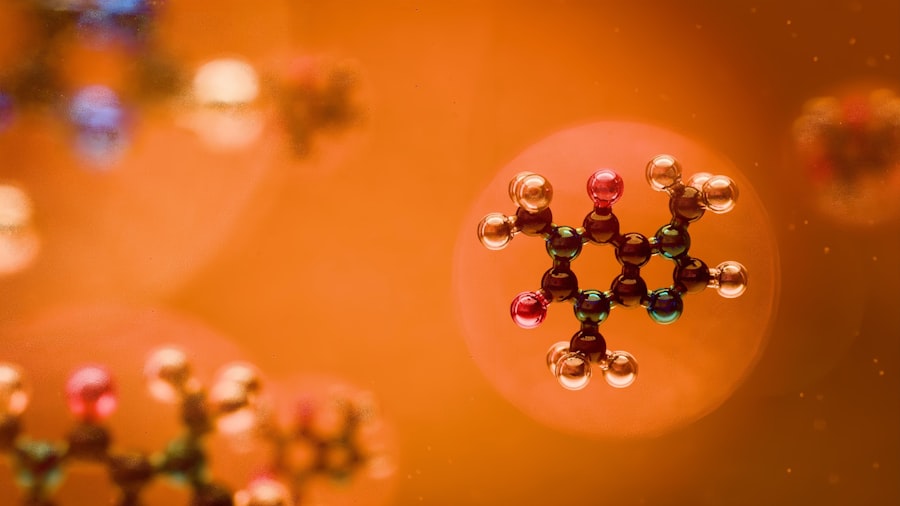
The discovery of oxygen production in the dark has profound implications for the search for extraterrestrial life. For decades, the presence of oxygen in a planet’s atmosphere has been considered a strong biosignature, a potential indicator of life, particularly photosynthetic life. This new finding necessitates a re-evaluation of what constitutes a biosignature and where we might look for life on other worlds.
Expanding the Habitable Zone Concept
The traditional definition of a habitable zone around a star is largely predicated on the existence of liquid water and the potential for photosynthesis. However, the discovery of dark oxygen production suggests that life could exist and potentially leave an atmospheric signature in environments previously deemed inhospitable or unlikely to harbor such indicators. This expands the potential targets for astrobiological exploration, including subsurface oceans on icy moons like Europa and Enceladus, or even planets orbiting dim red dwarf stars where sunlight is scarce.
Novel Biosignatures and Detection Strategies
The existence of dark oxygen production implies that oxygen alone might not be a definitive biosignature. Scientists will need to develop more sophisticated methods for distinguishing biologically produced oxygen from abiotic sources, especially in environments where light is absent or limited. This could involve searching for specific isotopic ratios of oxygen, or detecting the presence of the novel enzymes and metabolic byproducts associated with this dark oxygen production. The discovery challenges us to think beyond Earth-centric biosignatures and to consider the diverse ways life might manifest itself.
Terrestrial Ecosystems: A Hidden Oxygen Source?

While the initial discovery was made in the deep sea, scientists are now exploring the possibility that similar oxygen-producing mechanisms might be at play in other dark environments on Earth, such as deep underground or in sediments. This could mean that these newly discovered bacteria, or similar organisms, are contributing to the global oxygen budget in ways that have been previously overlooked.
Subsurface Life and the Oxygen Cycle
The Earth’s subsurface is a vast and largely unexplored realm, teeming with microbial life. The presence of oxygen in these environments, particularly in deep geological formations, has long been a puzzle. It is now conceivable that dark oxygen-producing microbes could be contributing to the oxygen levels found in groundwater, caves, and even in deep rock formations. This could have significant implications for our understanding of subterranean ecosystems and the flow of elements within them.
Sediment Oxygenation and Nutrient Cycling
In aquatic environments, sediments often harbor anaerobic or microaerobic conditions. However, the discovery of dark oxygen production raises the question of whether some sediments might be locally oxygenated by these novel microbes. This could influence the cycling of nutrients and the types of organisms that can thrive in these seemingly oxygen-deprived zones. The decomposition of organic matter and the biogeochemical transformations that occur within sediments could be significantly impacted by this new source of oxygen.
In a groundbreaking study, scientists have discovered a method for producing oxygen without relying on sunlight, which could have significant implications for future space exploration and sustainable living on Earth. This innovative approach could potentially change our understanding of photosynthesis and open new avenues for research. For more insights on related scientific advancements, you can read about it in this article.
Future Research and Technological Advancements
| Discovery | Oxygen without Sunlight |
|---|---|
| Scientists | Yes |
| Sunlight | No |
The discovery of oxygen production in the dark is just the beginning. It opens up a wealth of new research questions and necessitates the development of innovative technologies to further explore this phenomenon and its implications. Scientists are already embarking on ambitious research programs to understand the full scope of this discovery.
Investigating Diverse Environments
Future research will undoubtedly involve exploring a wider range of environments beyond deep-sea hydrothermal vents. This includes subsurface aquifers, deep cave systems, polar ice caps, and even the anoxic basins of the ocean. The goal is to determine the prevalence of these dark oxygen-producing microbes and the conditions under which they thrive.
Advanced Analytical Techniques
To fully understand the biochemical pathways and ecological roles of these microbes, scientists will need to employ advanced analytical techniques. This includes metagenomics and metatranscriptomics to study the genetic potential and gene expression of uncultured microbes, stable isotope probing to track metabolic pathways, and high-resolution mass spectrometry to identify novel metabolites. The development of specialized sensors capable of detecting and quantifying oxygen in extreme and low-light conditions will also be crucial.
Engineering Applications and Synthetic Biology
Beyond fundamental scientific inquiry, this discovery holds potential for practical applications. Imagine harnessing these dark oxygen-producing capabilities for bioremediation in oxygen-depleted environments, or even for the generation of oxygen in enclosed systems for future space exploration. Synthetic biology approaches could be used to engineer more efficient oxygen production pathways or to transfer these capabilities to other organisms. The journey from understanding this remarkable phenomenon to harnessing its potential is just beginning, promising exciting advancements in the years to come.

Scientists Found Oxygen Where It Should Be Impossible
FAQs
What did scientists discover about oxygen and sunlight?
Scientists have discovered that oxygen can be produced in the absence of sunlight through a process called “chemosynthesis.” This process involves certain microorganisms using chemical reactions to convert carbon dioxide and water into oxygen and organic compounds.
How does this discovery impact our understanding of oxygen production?
This discovery challenges the traditional understanding that oxygen production is solely dependent on sunlight and photosynthesis. It expands our knowledge of the potential sources of oxygen in environments where sunlight is limited or absent, such as deep-sea hydrothermal vents or caves.
What are the implications of this discovery for astrobiology?
The discovery of oxygen production without sunlight has significant implications for astrobiology, as it suggests that oxygen may be present in environments beyond Earth where sunlight is not available. This expands the potential habitability of other planets and moons in our solar system and beyond.
How was this discovery made?
Scientists made this discovery through research and observations of microbial communities in various environments, such as deep-sea hydrothermal vents and caves. They were able to identify the presence of chemosynthetic microorganisms that were producing oxygen in the absence of sunlight.
What are the potential applications of this discovery?
This discovery could have implications for various fields, including environmental science, biotechnology, and medicine. Understanding alternative sources of oxygen production could inform efforts to mitigate climate change, develop new biotechnological processes, and explore potential medical applications.