
You’re likely reading this through a pane of glass. It might be the windshield of your car, the screen of your tablet, or the window of your home. Glass, in its ubiquitous presence, often fades into the background, a passive observer of our lives. But when you think about your car, that piece of transparent material separating you from the elements and the road ahead takes on a far more critical role: the role of safety. For decades, automotive glass has been a silent guardian, evolving from simple transparent barriers to sophisticated components integral to your vehicle’s structural integrity and your personal protection. Today, you stand at the precipice of a new era in automotive safety, driven by remarkable advancements in glass innovation. You’re not just looking through glass anymore; you’re interacting with it, benefiting from its intelligence, and relying on its enhanced resilience.
The Foundation of a Safer Drive: Enhanced Durability and Impact Resistance
The most fundamental aspect of automotive glass safety has always been its ability to withstand the rigors of the road and protect occupants from external hazards. While you’ve long been accustomed to tempered glass in side and rear windows and laminated glass in windshields, the latest innovations are pushing these materials to unprecedented levels of performance. Forget the days when a minor stone chip was a foregone conclusion for a cracked windshield. You’re now experiencing glass that’s engineered for superior strength and a remarkable ability to resist penetration.
Advanced Lamination Techniques
Lamination, the process of bonding two or more layers of glass with a plastic interlayer, has been the cornerstone of windshield safety for its ability to prevent shattering. However, the interlayers themselves are undergoing a revolution. You’re seeing the emergence of advanced polymer formulations that offer significantly improved puncture resistance and adhesion. These new interlayers are not only tougher but also more resistant to degradation from UV radiation and temperature extremes, ensuring their protective properties remain robust over the vehicle’s lifespan. This means that even in the event of a high-impact collision, the glass is far more likely to remain intact, forming a protective cocoon around you and your passengers. You’re not just protected from flying debris; you’re shielded from a more catastrophic intrusion of foreign objects into the cabin.
Toughened Glass Reimagined
While tempered glass has been the standard for side and rear windows due to its ability to fracture into small, relatively harmless granules, current research and development are exploring ways to further enhance its impact resistance and even introduce self-healing properties at a microscopic level. Imagine a side window that can absorb minor impacts without visible damage or even repair itself from minor abrasions. While still in developmental stages for widespread automotive application, these concepts represent a future where even the seemingly mundane glass components contribute more proactively to your safety. You’re moving beyond passive protection to a more active defense mechanism embedded within the very material of your car.
Layered Composites for Superior Protection
The trend toward incorporating multiple layers, not just of glass but of advanced composite materials, is also gaining traction. These hybrid structures can offer a remarkable balance of strength, lightness, and impact absorption. By strategically layering different materials, manufacturers can create glass assemblies that are significantly more resistant to penetration and fragmentation than traditional glass, all while contributing to overall vehicle weight reduction, which in turn improves fuel efficiency and handling. You’re experiencing a sophisticated engineering approach where each layer serves a specific purpose in a harmonized protective system.
Recent advancements in automotive glass technology have paved the way for enhanced safety and performance in vehicles. For an in-depth exploration of these innovations, you can read the article on automotive glass innovations at Freaky Science. This article discusses the latest trends, including the use of laminated glass for improved impact resistance and the integration of smart glass features that can adapt to changing light conditions.
Beyond the Pane: Integrated Technologies for Enhanced Awareness

The evolution of automotive glass is no longer solely about its physical properties; it’s about its newfound intelligence. You’re witnessing a profound shift where glass is becoming an active participant in your driving experience, seamlessly integrating advanced technologies that enhance your awareness and communication with the road and your vehicle. This is where the glass transforms from a transparent window to a dynamic interface.
Advanced Driver-Assistance Systems (ADAS) Integration
One of the most significant areas of advancement is the integration of sensors and cameras for ADAS. Windshields, in particular, are becoming sophisticated platforms for these technologies. You’re likely familiar with features like lane departure warnings, automatic emergency braking, and adaptive cruise control. The glass itself is now engineered with precision cutouts and optimized mounting points for these cameras and sensors, ensuring their optimal performance and alignment. Furthermore, advancements in optical coatings and materials are minimizing interference and distortion, guaranteeing accurate data acquisition for these critical safety systems. You’re not just seeing the road; your car is “seeing” it too, with the windshield acting as its primary visual input.
Heads-Up Displays (HUDs) and Augmented Reality
The concept of heads-up displays has evolved dramatically. Gone are the days of simple projected speed readouts. You’re now encountering advanced HUDs that project a wealth of information directly into your line of sight, directly onto the windshield itself. This includes navigation prompts, critical vehicle alerts, and even augmented reality overlays that can highlight potential hazards or points of interest. The glass is specifically designed with optical properties to facilitate clear and unobtrusive projection, minimizing reflections and ensuring the information is easily legible in various lighting conditions. Imagine navigating a complex city intersection with clear directional arrows painted onto the road ahead of you, or seeing virtual signs warning you of upcoming construction – all delivered through your windshield. This immersive experience significantly reduces driver distraction and enhances situational awareness, keeping your focus on the road.
Integrated Antenna and Sensor Networks
The ability to embed antennas and sensors directly within the glass layers is another groundbreaking development. This allows for a more streamlined and aesthetically pleasing integration of communication and sensing technologies. You might have antennas for GPS, cellular connectivity, or even Wi-Fi embedded invisibly within your car’s glass. This eliminates the need for external antenna structures, improving aerodynamics and reducing susceptibility to damage. Furthermore, the inclusion of embedded sensors can enable real-time monitoring of external conditions like temperature and humidity, providing valuable data for the vehicle’s climate control and other systems. You’re benefiting from a cleaner design and more robust connectivity, all thanks to intelligent glass.
Comfort and Climate Control: Redefining the Interior Environment
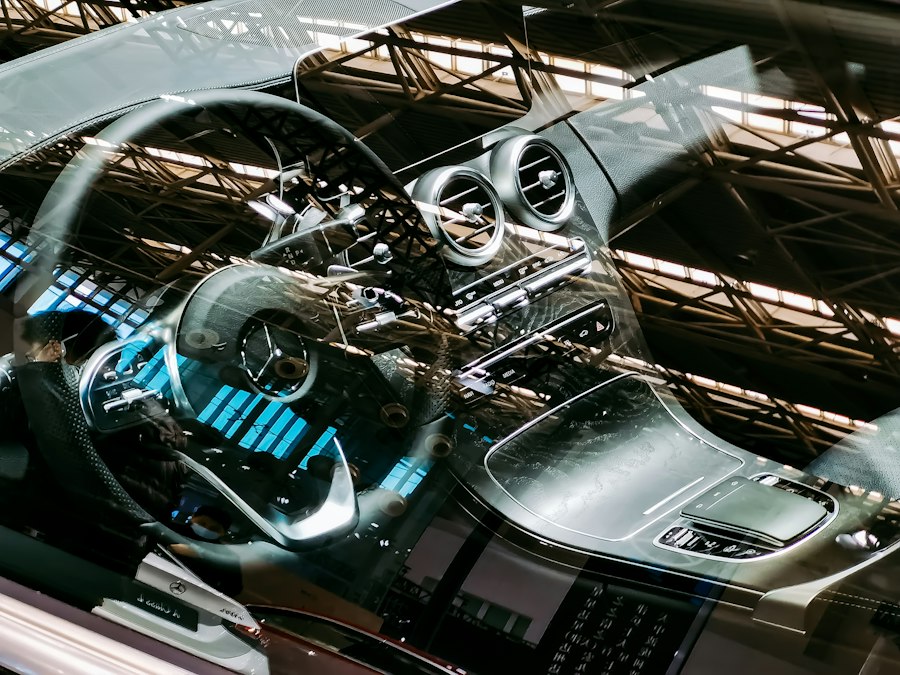
Your comfort is intrinsically linked to your safety, and automotive glass is playing an increasingly vital role in creating a more pleasant and controlled interior environment. Beyond simply keeping the elements out, advanced glass technologies are actively managing the thermal and acoustic properties of your cabin.
Advanced Solar Control Coatings
You’ve probably experienced the discomfort of a car’s interior becoming an oven on a hot, sunny day. Modern automotive glass employs sophisticated solar control coatings that significantly reduce the amount of solar radiation that enters the cabin. These multi-layered coatings are engineered to reflect infrared and ultraviolet rays while allowing visible light to pass through, effectively keeping the interior cooler and reducing the need for excessive air conditioning. This not only enhances your comfort but also contributes to fuel efficiency by reducing the load on the engine. You’re enjoying a more pleasant temperature without relying as heavily on energy-consuming systems.
Acoustic Glazing for a Quieter Ride
Noise pollution from the road, wind, and engine can be a significant source of driver fatigue and reduced concentration, which in turn impacts safety. Acoustic glazing is a specialized form of laminated glass that incorporates a thicker or specially formulated interlayer designed to absorb and dampen sound waves. This effectively creates a quieter cabin environment, allowing for more relaxed and focused driving. You’ll notice the difference in reduced tire noise, wind buffeting, and engine roar, making conversations easier and overall journeys more serene. This enhanced acoustic comfort directly translates to a safer driving experience by minimizing distractions.
Self-Heating and Self-Defrosting Glass
Imagine a winter morning where you don’t have to scrape ice off your windshield. Many modern vehicles now feature heated windshields, where fine, transparent heating elements are embedded within the glass layers. These elements quickly melt ice and frost, providing immediate clear visibility and saving you precious time and effort. This is a direct safety enhancement, as it eliminates the need to drive with a partially obscured view. The technology is also evolving to include self-defrosting side and rear windows, further improving all-around visibility in inclement weather. You’re no longer at the mercy of the elements when it comes to clear sightlines.
Sustainability and the Future of Automotive Glass
As the automotive industry increasingly prioritizes sustainability, you’ll find that glass innovation is at the forefront of these efforts. The focus is shifting towards materials that are not only safer and more technologically advanced but also more environmentally responsible throughout their lifecycle.
Recyclability and Circular Economy Principles
The automotive industry is embracing circular economy principles, and glass manufacturing is a key area for improvement. You’ll see a growing emphasis on using recycled glass content in the production of new automotive glass. Advanced recycling processes are making it possible to reclaim and reprocess glass from end-of-life vehicles more effectively, reducing the need for virgin raw materials and conserving energy. This means the glass in your car contributes to a more sustainable future, even after its service life. You are part of a system that minimizes waste and maximizes resource utilization.
Lightweighting for Fuel Efficiency
The drive towards lighter vehicles for improved fuel economy and reduced emissions also extends to automotive glass. By developing thinner yet stronger glass formulations and innovative composite structures, manufacturers are able to reduce the overall weight of the glazing. This seemingly small reduction can have a significant cumulative impact on a vehicle’s fuel efficiency, leading to lower emissions and reduced reliance on fossil fuels. You’re not only experiencing a more agile vehicle but also contributing to a cleaner environment, all thanks to lighter, smarter glass.
Biodegradable and Renewable Interlayers
While still an area of active research, the development of biodegradable and renewable interlayers for laminated glass holds immense promise for the future. Imagine interlayers derived from plant-based materials that offer comparable safety and durability to traditional plastics but break down naturally at the end of their life. This would represent a significant step forward in reducing the environmental footprint of automotive glass production and disposal. You’re looking towards a future where the materials in your car have a minimal impact on the planet.
Recent advancements in automotive glass innovation have significantly improved vehicle safety and efficiency. For a deeper understanding of these developments, you can explore a related article that discusses the latest trends and technologies in the industry. This article highlights how innovations in materials and design are transforming the way we think about automotive glass. To read more about these exciting changes, check out this insightful piece on Freaky Science.
The Unseen Guardian: Continued Research and Development
| Innovation | Description | Benefits | Year Introduced | Key Manufacturers |
|---|---|---|---|---|
| Laminated Glass with UV Protection | Glass layers bonded with a UV-blocking interlayer to reduce harmful rays. | Protects passengers from UV radiation, reduces interior fading. | 2010 | Saint-Gobain, AGC Inc. |
| Acoustic Glass | Multi-layered glass designed to reduce external noise. | Improves cabin comfort by minimizing road and wind noise. | 2012 | Guardian Glass, NSG Group |
| Heated Windshields | Embedded heating elements to prevent ice and fog buildup. | Enhances visibility and safety in cold climates. | 2015 | PPG Industries, Pilkington |
| Smart Glass (Electrochromic) | Glass that can change tint electronically to control light and heat. | Improves energy efficiency and passenger comfort. | 2018 | View Inc., Gentex Corporation |
| Heads-Up Display (HUD) Glass | Windshields integrated with display technology for driver information. | Enhances driver awareness and safety without distraction. | 2020 | Corning, AGC Inc. |
| Solar Control Glass | Glass with coatings that reflect infrared radiation to reduce heat. | Reduces air conditioning load and improves fuel efficiency. | 2013 | Saint-Gobain, NSG Group |
The advancements you see today are just the tip of the iceberg. The automotive glass industry is a hotbed of innovation, with ongoing research and development pushing the boundaries of what’s possible. You are part of a continuously evolving landscape where safety, technology, and sustainability are intertwined.
Self-Healing Glass Technologies
Imagine a minor scratch on your windshield magically disappearing. Researchers are actively developing self-healing properties for glass, where microscopic cracks and abrasions can repair themselves through various mechanisms, such as UV-activated polymers or microcapsules containing healing agents. While widespread adoption for automotive applications is still some way off, the potential for extending the lifespan of glass and further enhancing safety is immense. You are looking at a future where your car’s glass can maintain its pristine condition and protective capabilities for longer.
Enhanced Impact Absorption and Energy Dissipation
Beyond simply resisting penetration, future automotive glass will likely be engineered to absorb and dissipate impact energy more effectively. This could involve novel material structures or the integration of energy-absorbing layers that work in conjunction with the glass to minimize forces transferred to occupants during a collision. Think of it as a more sophisticated crumple zone, but integrated into the transparent surfaces of your vehicle. You are moving towards a future where every component of your car, including the glass, actively contributes to mitigating the effects of an accident.
Smart Tinting and Dynamic Opacity
The ability to dynamically adjust the tint or opacity of automotive glass is another exciting area of development. Imagine windows that can automatically darken to reduce glare on a sunny day or become opaque for enhanced privacy at the touch of a button. This could be achieved through electrochromic, thermochromic, or suspended particle device technologies. Such advancements would not only improve comfort and reduce reliance on physical sunshades but could also play a role in safety by automatically adjusting visibility based on external conditions. You’re gaining more control over your interior environment, leading to greater comfort and potentially enhanced safety.
The journey of automotive glass is far from over. You are living through a period of unprecedented innovation, where the glass in your car is transforming from a simple transparent barrier into a sophisticated, intelligent, and increasingly vital component of your overall safety and driving experience. From its enhanced physical resilience to its integrated technologies and its contribution to a more sustainable future, the evolution of automotive glass is a testament to human ingenuity, ensuring that your travels are not only more comfortable and convenient but, most importantly, safer. You are looking through windows to a brighter, safer future.

Your Car Window Can Keep You In—Even When You Need Out
FAQs
What are some recent innovations in automotive glass technology?
Recent innovations in automotive glass technology include smart glass that can change transparency, heads-up display windshields, and self-healing glass that can repair minor scratches.
How does smart glass work in automotive applications?
Smart glass in automotive applications uses electrochromic technology to change transparency levels. When an electric current is applied, the glass can switch from transparent to opaque, providing privacy and reducing glare.
What are the benefits of heads-up display windshields in vehicles?
Heads-up display windshields project important information directly onto the glass, allowing drivers to see data such as speed, navigation directions, and warnings without taking their eyes off the road, enhancing safety and convenience.
Can self-healing glass really repair scratches on its own?
Self-healing glass contains a special layer that can repair minor scratches when exposed to heat or sunlight. The material has the ability to fill in small cracks and scratches, maintaining the integrity of the glass over time.
Are there any advancements in automotive glass to improve energy efficiency?
Yes, advancements in automotive glass technology have led to the development of energy-efficient glass coatings that can help regulate interior temperatures, reducing the need for air conditioning and improving overall fuel efficiency in vehicles.