
The world of displays has long been dominated by emissive technologies like LCD and OLED, celebrated for their vibrant colors and rapid refresh rates. However, a quieter revolution has been brewing, one that promises to redefine how we interact with information and visual content. This revolution is centered on color e-paper, a technology poised to challenge the status quo and usher in an era of more sustainable, comfortable, and versatile displays. Moving beyond the monochromatic limitations of its predecessors, color e-paper is no longer a niche curiosity but a burgeoning force with the potential to transform everything from digital signage and electronic shelf labels to personal devices and beyond.
The Evolution of E-Paper: From Monochrome to Full Spectrum
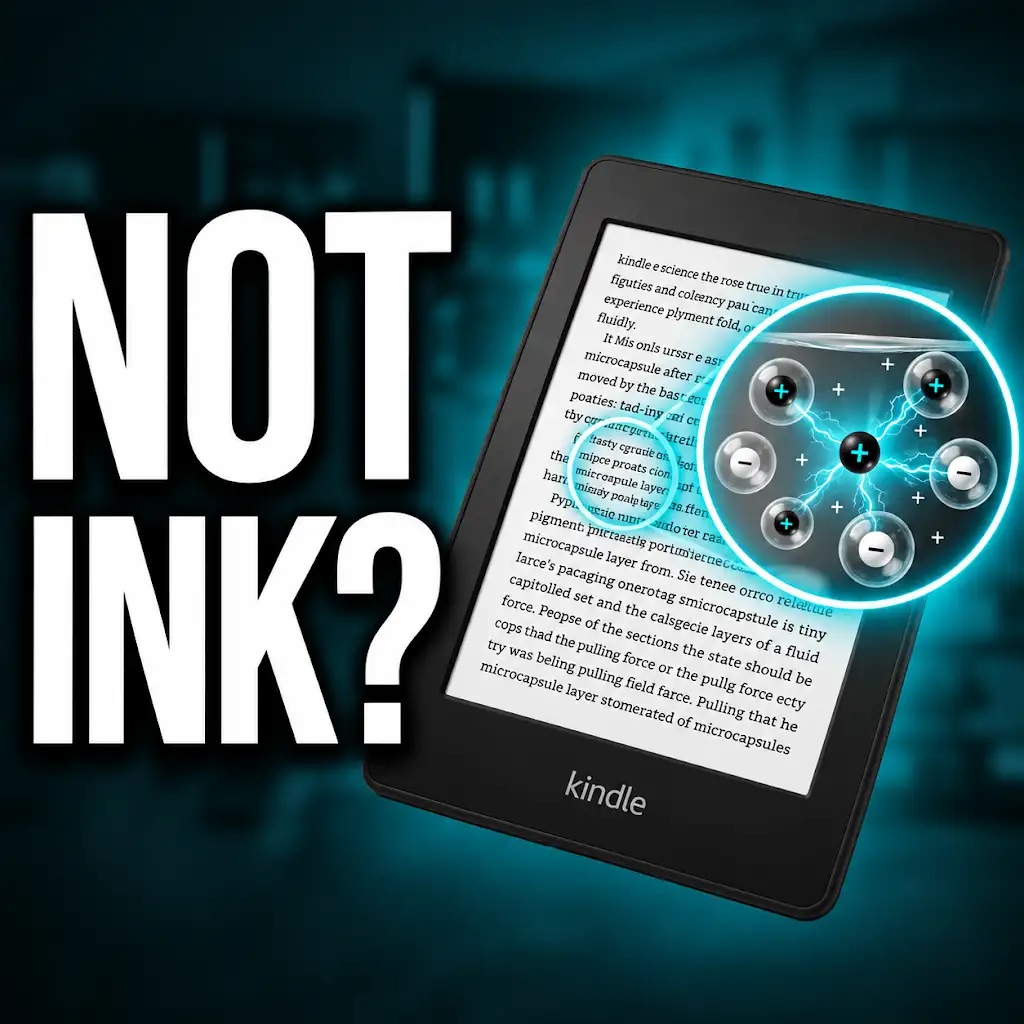
Electronic paper, or e-paper, has a unique origin story, aiming to mimic the look and feel of ink on paper. Its journey from a nascent concept to a sophisticated display technology is a testament to persistent innovation. The fundamental principle involves charged microcapsules containing black and white particles that are manipulated by electric fields to form images. This bistable nature, meaning it holds an image without requiring continuous power, is its defining characteristic and the source of its energy efficiency.
Early Innovations and the Monochrome Era
The early days of e-paper were primarily defined by monochrome displays. Companies like E Ink Corporation pioneered this space, with their electrophoretic displays becoming synonymous with the technology. The Amazon Kindle, a device that popularized e-readers, heavily relied on these monochrome e-paper screens. The appeal was undeniable: a glare-free experience that was easy on the eyes, even in bright sunlight, and a battery life that lasted for weeks, not hours. This made it ideal for reading books, offering a stark contrast to the eye strain and battery anxiety associated with traditional backlit displays.
The Quest for Color: Overcoming Technical Hurdles
The desire to introduce color to e-paper was a natural progression, but it presented significant technical challenges. Adding color pigments or dyes to the microcapsules introduced complexity. Early attempts often resulted in desaturated colors, ghosting artifacts, and slower refresh rates compared to monochrome counterparts. Achieving a wide color gamut and vibrant hues while maintaining the core benefits of e-paper, such as low power consumption and paper-like readability, required significant breakthroughs in materials science and display engineering.
Emerging Color E-Paper Technologies
Over the past decade, researchers and manufacturers have made remarkable strides in overcoming these hurdles. Several distinct approaches to color e-paper have emerged, each with its own strengths and trade-offs. These innovations have paved the way for commercially viable color e-paper solutions that are now beginning to enter the market.
Electrophoretic Displays (EPD) with Color Pigments
The most prevalent color e-paper technology continues to be based on electrophoretic principles, but with the integration of color. This involves using colored pigment particles within the microcapsules. Different manufacturers have developed proprietary methods for achieving color, often involving combinations of black, white, and colored pigments (such as Cyan, Magenta, and Yellow – CMY). The way these particles are arranged and manipulated by electric fields dictates the displayed color. These displays excel in ambient light, offering excellent readability and remarkable power efficiency.
Advanced Color Filter Technologies
Another significant advancement involves layering a color filter array onto a monochrome e-paper display. In this approach, a standard monochrome e-paper panel is used, and a transparent color filter is placed on top. Each pixel on the monochrome display is then covered by a sub-pixel filter (e.g., red, green, blue). By controlling the light that passes through these filters, a full spectrum of colors can be achieved. While this method can offer better color saturation and wider color gamuts, it can sometimes lead to slightly reduced brightness and potentially slower refresh rates due to the additional layer.
Spectral Displays and Other Novel Approaches
Beyond the more established methods, ongoing research is exploring even more innovative ways to bring color to e-paper. These include spectral displays that manipulate light through diffraction or interference, and novel material compositions that offer inherent color properties. While these technologies are often in earlier stages of development, they hold the promise of even greater color fidelity, faster response times, and enhanced durability in the future.
Color e-paper technology is revolutionizing the way we interact with digital displays, offering vibrant colors and low power consumption. For a deeper understanding of the advancements and applications of this innovative technology, you can explore a related article that delves into its potential impact on various industries. To read more, visit this article.
Transforming Industries: Applications of Color E-Paper
The unique advantages of color e-paper – its paper-like readability, exceptional power efficiency, and wide viewing angles – make it an ideal candidate for a diverse range of applications that were previously impractical or impossible with traditional displays. As the technology matures and becomes more cost-effective, its impact on various industries is set to be profound.
Retail and Logistics: Dynamic and Sustainable Signage
The retail sector is one of the most promising areas for color e-paper adoption. Electronic shelf labels (ESLs) are a prime example. Traditionally, retailers rely on printed paper labels for pricing and product information, which are time-consuming and costly to update. Color e-paper ESLs can display pricing, promotional messages, stock levels, and even QR codes dynamically. This allows for instant price changes, targeted promotions, and improved inventory management. The energy efficiency means these labels can operate for months or even years on a single battery, significantly reducing maintenance and waste.
Dynamic Pricing and Promotions
Imagine a grocery store where prices can be updated in real-time to reflect fluctuating market conditions or to implement flash sales. Color e-paper ESLs make this a reality. Promotions can be highlighted with vibrant colors, drawing customer attention to specific products or offers. This not only enhances the in-store customer experience but also provides retailers with unparalleled flexibility in their marketing strategies.
Enhanced Product Information and Branding
Beyond pricing, color e-paper can display richer product information, including ingredients, nutritional facts, and even small graphics or logos. This allows for more engaging product presentations and consistent branding across all touchpoints. The ability to display in color adds a new dimension to product differentiation and impulse purchasing.
Inventory Management and Supply Chain Visibility
In logistics and warehousing, color e-paper displays can be used for dynamic labeling of pallets, bins, and shipping containers. This provides real-time visibility into inventory levels and movements throughout the supply chain. Updates can be pushed wirelessly, reducing the need for manual tracking and minimizing errors.
Color e-paper technology is revolutionizing the way we think about displays, offering vibrant colors and energy efficiency that traditional screens cannot match. For those interested in exploring this innovative technology further, a related article can be found at Freaky Science, which delves into the latest advancements and potential applications of color e-paper in various industries. This exciting development not only enhances user experience but also opens up new possibilities for sustainable design in electronic devices.
Consumer Electronics: A Greener and More Comfortable Future
Color e-paper is not just for industrial applications; it is poised to make a significant impact on everyday consumer devices, offering a more sustainable and user-friendly alternative to current technologies.
E-Readers and Digital Notebooks
While monochrome e-readers revolutionized reading, color e-paper promises to elevate the experience further. Imagine reading magazines, comics, or textbooks with full-color illustrations and diagrams. Color e-paper notebooks can offer a paper-like writing experience for note-taking and sketching, with the added benefit of digital storage, organization, and synchronization. This combination of a natural writing feel and digital convenience is highly appealing.
Wearable Technology and Smartwatches
The low power consumption of color e-paper is a game-changer for wearables. Smartwatches equipped with color e-paper displays can boast significantly longer battery life, allowing users to stay connected and informed without constant charging. The always-on capability of e-paper is also ideal for watch faces and displaying essential information at a glance, without draining the battery. The improved visibility in sunlight compared to traditional smartwatch screens is another key advantage.
Public Information Displays and Signage
Public spaces, such as bus stops, train stations, and airports, can benefit immensely from color e-paper. Dynamic route maps, schedules, and public announcements can be displayed in color, making them more engaging and easier to understand. The energy efficiency and durability of e-paper make it a sustainable and low-maintenance solution for these high-traffic environments, especially in regions with unreliable power grids.
Specialized Applications: Bridging Gaps in Information Access
Beyond the mainstream, color e-paper technology is finding its way into niche applications where its unique characteristics offer distinct advantages, addressing specific needs in fields ranging from healthcare to education.
Medical and Healthcare Devices
In healthcare, color e-paper can be used for patient tracking boards, medication reminders, and diagnostic information displays. The glare-free nature and excellent readability are crucial in clinical settings, where it can reduce eye strain for healthcare professionals and improve the clarity of information for patients. Its low power consumption also makes it suitable for portable medical devices.
Educational Tools and Learning Aids
Color e-paper offers exciting possibilities for educational tools. Interactive textbooks with color diagrams and illustrations, digital flashcards that can display rich content, and classroom displays that are easy on the eyes during long lessons are all within reach. The ability to display information that mimics physical textbooks can be particularly beneficial for younger learners.
Industrial Control Panels and Instrumentation
In industrial environments, color e-paper can be integrated into control panels and instrumentation. Its ruggedness, wide operating temperature range, and ability to display critical information clearly in various lighting conditions make it suitable for demanding applications. The low power requirement also simplifies power management in remote or off-grid settings.
The Advantages of Color E-Paper: Why it Matters
The burgeoning adoption of color e-paper is driven by a confluence of compelling advantages that set it apart from traditional emissive displays. These benefits address fundamental limitations in current display technologies, paving the way for a more sustainable, user-centric, and versatile future.
Unparalleled Readability and Eye Comfort
Perhaps the most significant advantage of e-paper, including its color variants, is its inherent readability. Unlike LCD or OLED screens that emit light, e-paper reflects ambient light, much like a printed page. This diffusion of light significantly reduces glare and eye strain, especially during prolonged viewing sessions. This makes it ideal for reading, extended work sessions, and for individuals who experience discomfort with backlit displays. The high contrast ratios also contribute to sharp and clear text and images, further enhancing the viewing experience.
Exceptional Energy Efficiency and Sustainability
The bistable nature of e-paper is its superpower when it comes to energy consumption. Once an image is displayed, it requires virtually no power to maintain. Power is only consumed when the image needs to be updated. This translates into dramatically longer battery life for devices, often measured in weeks or even months on a single charge. This low power draw has significant environmental implications, reducing the demand for frequent charging and thus lowering overall energy consumption. Furthermore, the reduced need for frequent battery replacements contributes to less electronic waste.
Extended Device Lifespans
For portable devices, the extended battery life enabled by color e-paper means users can go longer between charges, enhancing convenience and productivity. For applications like electronic shelf labels or public signage, the minimal power requirement allows for years of operation on small, long-lasting batteries, eliminating the need for constant power infrastructure and maintenance.
Reduced Carbon Footprint
The reduced energy consumption across a multitude of devices and applications directly translates to a smaller carbon footprint. This is particularly relevant in an era where consumers and businesses are increasingly conscious of their environmental impact and are seeking sustainable technological solutions.
Durability and Robustness
E-paper displays are inherently more robust than many traditional display technologies. They are less susceptible to damage from physical impact and can often withstand a wider range of operating temperatures. This durability makes them well-suited for environments where other display types might fail, such as in industrial settings or outdoor public spaces.
Wide Viewing Angles
Color e-paper displays offer excellent viewing angles, meaning the image remains clear and legible from almost any perspective. This is a significant advantage over some LCD technologies, which can experience color shifting or contrast degradation when viewed off-axis. This ensures a consistent and optimal viewing experience for everyone, regardless of their position relative to the display.
The Road Ahead: Challenges and Future Potential
While the present of color e-paper is undeniably exciting, its future holds even greater promise, albeit with certain challenges that need to be addressed for widespread adoption. Continued innovation and market demand will likely shape its trajectory.
Addressing Refresh Rates and Color Saturation
The primary limitations that still exist for color e-paper revolve around refresh rates and color saturation. While advancements have been made, current color e-paper displays are generally slower to update than their LCD or OLED counterparts. This can impact applications requiring rapid animation or video playback. Similarly, achieving the same level of vibrant color saturation and deep blacks as emissive displays remains an ongoing area of research and development. Future innovations will likely focus on optimizing the electrophoretic process, exploring new material compositions, and refining color filter technologies to bridge this gap.
Cost Reduction and Scalability
As with any emerging technology, the initial cost of color e-paper can be a barrier to entry for some applications. However, as manufacturing processes mature and economies of scale are achieved, the cost is expected to decrease significantly. This will make color e-paper more accessible for a wider range of consumer products and commercial deployments. Continued investment in R&D and manufacturing infrastructure will be crucial for driving down costs and increasing production capacity.
Integration into Existing Ecosystems
The seamless integration of color e-paper into existing device ecosystems and software platforms is another important consideration. Developing intuitive user interfaces, efficient display drivers, and robust connectivity solutions will be key to unlocking the full potential of this technology. Ensuring compatibility with existing operating systems and application frameworks will facilitate broader adoption.
Emerging Applications and Next-Generation Devices
The future potential of color e-paper extends far beyond current applications. Researchers are exploring its use in flexible and foldable displays, opening up possibilities for new form factors in mobile devices and wearables. The development of even higher resolution and faster refresh rate e-paper could lead to its use in more sophisticated digital signage, interactive educational tools, and even as a viable alternative for certain computer monitors. The ongoing advancements in materials science and display engineering suggest a future where color e-paper plays an increasingly central role in our technological landscape, offering a unique blend of visual appeal, energy efficiency, and user comfort. The revolution in displays is not just about brighter and faster; it’s also about smarter, more sustainable, and more human-centric visual experiences, and color e-paper is at the forefront of this transformative shift.
Why Your Kindle Screen Doesn’t Work the Way You Think
FAQs
What is color e-paper technology?
Color e-paper technology is a display technology that allows for the production of electronic paper displays capable of showing full-color images and text. It offers a paper-like viewing experience with low power consumption.
How does color e-paper technology work?
Color e-paper technology works by using tiny microcapsules filled with colored pigments that are electronically controlled to produce different colors. These microcapsules are embedded in a transparent layer and respond to electrical charges to display different colors.
What are the advantages of color e-paper technology?
Some advantages of color e-paper technology include low power consumption, high readability even in direct sunlight, wide viewing angles, and the ability to retain an image without power. It also provides a more comfortable reading experience compared to traditional screens.
Is color e-paper technology used in e-readers?
Yes, color e-paper technology is increasingly being used in e-readers to provide a more versatile reading experience with the ability to display full-color content. This technology is particularly beneficial for comic books, magazines, and other visually rich content.
Are there any limitations to color e-paper technology?
Some limitations of color e-paper technology include slower refresh rates compared to traditional screens, limited color reproduction capabilities, and higher production costs. However, ongoing advancements in the technology aim to address these limitations.