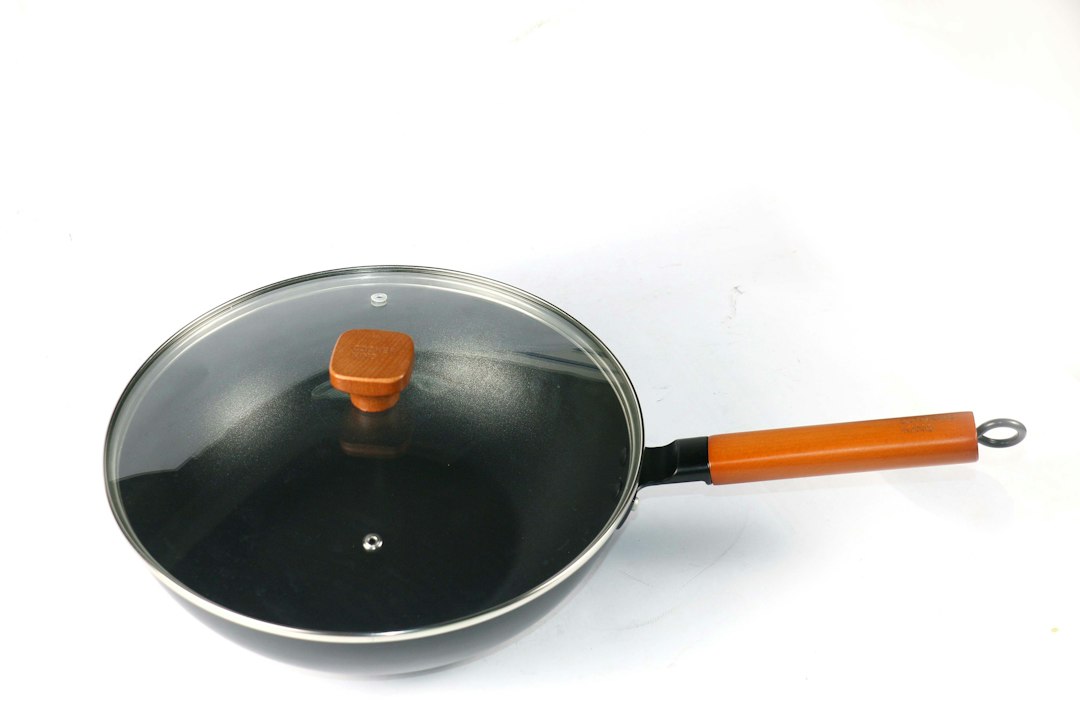
You’re about to witness a kitchen revolution. For years, you’ve navigated the world of stovetop cooking with a mix of love and frustration. The sizzle of a perfectly seared steak, the gentle simmer of a sauce, the satisfying crunch of sautéed vegetables – these are the moments you cherish. But you also know the sting of hot spots, the uneven cooking that leaves you re-arranging food constantly, the endless scrubbing of burnt-on bits, and the nagging feeling that you’re wasting energy. Well, prepare to leave those woes in the past. You’re about to dive into the incredible world of revolutionary induction pan heating technology. This isn’t just another upgrade; it’s a fundamental shift in how you interact with your stove and your cookware, unlocking a level of precision, efficiency, and joy you might not have thought possible.
Forget the glowing red coils of your old electric stove or the dancing blue flames of your gas hob. Induction cooking is a different beast entirely, and understanding its core principles will immediately illuminate why it’s so transformative for your kitchen.
The Magic Behind the Mechanism
At its heart, induction relies on a principle you might recall from high school physics: electromagnetism. Your induction cooktop, beneath its sleek, flat surface, contains a copper coil. When you turn on your induction burner, an alternating electric current is passed through this coil. This creates a fluctuating magnetic field. Now, here’s where your cookware becomes crucial. For induction to work, your pans need to be made of or contain ferromagnetic material – think cast iron, stainless steel with a magnetic base, or specially designed induction-ready cookware. When a ferromagnetic pan is placed on an active induction burner, the fluctuating magnetic field from the coil induces electrical currents directly within the base of the pan itself. This is where the heat is generated – inside the pan, not on the stovetop.
Direct Energy Transfer: The Key Difference
This direct energy transfer is the game-changer. Unlike traditional electric or gas stoves that heat the cooktop surface first, which then heats the pan, induction bypasses this intermediary step. The energy goes straight to the pan’s base, making the process incredibly efficient. This means almost no energy is wasted heating the surrounding air or the cooktop itself. It’s a targeted, precise application of heat that you’ll feel the moment you start cooking.
Why This Matters to You: The Practical Implications
The implications of this direct energy transfer are far-reaching and directly impact your cooking experience.
Unparalleled Speed and Responsiveness
Because the heat is generated directly within the pan, induction heating is lightning-fast. You’ll find that water boils in mere moments, significantly reducing your prep time. More importantly, the responsiveness is instantaneous. When you turn down the heat, the pan cools down almost immediately. Crank it up, and you get an immediate surge of heat. This level of control allows you to react instantly to your cooking, preventing burning and achieving perfect results with greater ease.
Energy Efficiency: A Greener Kitchen
The efficiency of induction isn’t just a technical detail; it’s a benefit that translates to your utility bills and your environmental consciousness. By minimizing heat loss, induction cooktops consume significantly less energy than their conventional counterparts. You’re not paying to heat the kitchen or the air around your pot. This makes induction a more sustainable choice for your home.
Safety First: A Cooler Surface
Another significant advantage stemming from the direct heating method is the significantly cooler surface of the induction cooktop itself. Since the heat is generated within the pan, the cooktop only gets warm from residual heat transferred back from the pan. This drastically reduces the risk of accidental burns, making it a much safer option, especially if you have children or pets in the kitchen. Spills are also less likely to burn onto the surface, making cleanup a breeze.
Induction cooking has revolutionized the way we prepare meals, and a fascinating article that delves deeper into this technology is available at Freaky Science. This piece explores how induction pans serve as the heating element, allowing for precise temperature control and energy efficiency, making cooking not only faster but also safer. By understanding the science behind induction cooking, readers can appreciate the benefits of this modern culinary technique and how it transforms traditional cooking methods.
Precision at Your Fingertips: The Control Revolution
If there’s one word that encapsulates the revolutionary aspect of induction pan heating technology, it’s “control.” You’ve likely experienced the frustration of trying to find that “just right” setting on your old stove, only to have your delicate sauce either scorch or refuse to simmer. Induction changes that narrative entirely.
Granular Heat Adjustments
Forget the clunky knobs with their limited settings. Induction cooktops offer an incredibly granular level of heat adjustment. Often represented by precise numerical settings or a visual slider, you can dial in the exact temperature you need for any given task. This is a revelation for techniques that demand absolute precision.
The Art of the Simmer
Achieving a perfect, gentle simmer is an art form, and induction makes it an attainable one for everyone. You can maintain a consistent, barely-there bubble that is ideal for infusing flavors into sauces, preventing delicate ingredients from breaking down, or slowly reducing liquids without scorching. This level of control transforms complex culinary tasks into simple, repeatable successes.
Searing with Confidence
Conversely, when you need intense heat for searing, induction delivers. You can quickly bring your pan to a screaming hot temperature, creating that perfect Maillard reaction that gives your meats, vegetables, and even fruits that desirable crisp exterior and rich, caramelized flavor. The instant response means you can sear without fear of overheating and ruining your ingredients.
Programmed Cooking and Smart Features
The revolution doesn’t stop at manual control. Many modern induction cooktops are incorporating smart features and programmed cooking settings that further elevate your culinary experience.
Pre-Set Temperature Zones
Some advanced induction systems allow you to set specific temperature zones across the cooktop. This means you can have one area at a high heat for searing while another maintains a low simmer, all on the same appliance. This multi-tasking capability is a significant advantage for busy cooks and complex meal preparations.
Integrated Thermometer Compatibility
The precision of induction also makes it an ideal partner for integrated thermometers. Imagine setting your induction cooktop to hold your steak at precisely 130°F for a perfect medium-rare, with the cooktop automatically adjusting to maintain that temperature. This level of sophistication takes the guesswork out of cooking proteins to perfection.
Timers and Auto-Shutoff for Peace of Mind
While not exclusive to induction, the integrated timers and auto-shutoff functions on induction cooktops are further enhanced by the technology’s responsiveness. You can set precise cooking times, confident that the heat will be cut off precisely when needed, preventing overcooking and offering invaluable peace of mind, especially when you’re multitasking in the kitchen.
The Pan Partnership: Why Your Cookware Matters
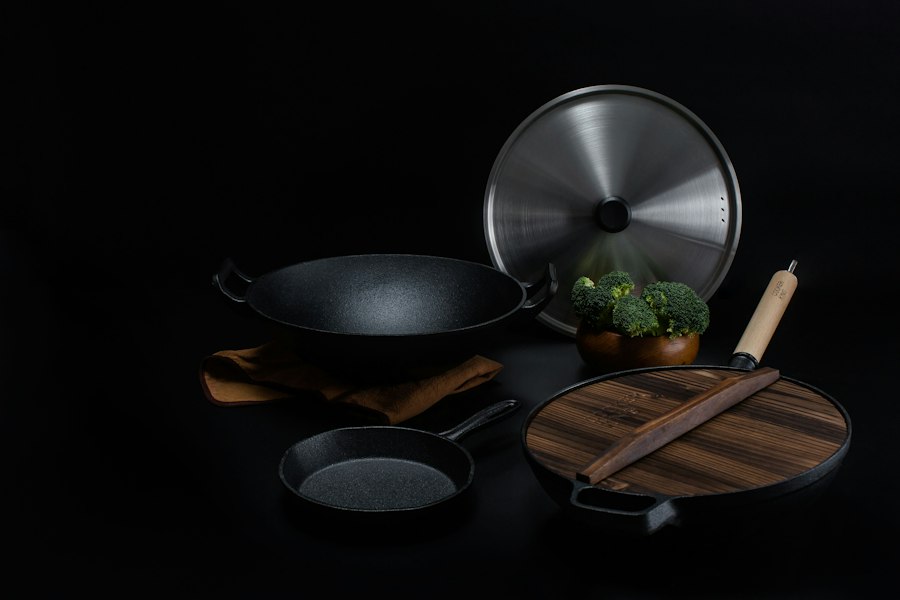
The efficiency and control offered by induction are truly unleashed when you pair your induction cooktop with the right cookware. You’ve invested in this cutting-edge technology, and now it’s time to understand how your pans become active participants in this culinary revolution.
The Magnetic Test: Your First Step
The most crucial characteristic of induction-compatible cookware is its magnetic base. If a magnet sticks firmly to the bottom of your pan, it’s a good bet that it will work on an induction cooktop. This simple test is your first step in ensuring your existing cookware can join the induction revolution.
Ferromagnetic Materials: The Key Ingredients
The “ferromagnetic” nature of a pan’s base is what allows it to interact with the magnetic field generated by the induction coil. This typically means materials like:
- Cast Iron: Renowned for its heat retention and durability, cast iron is a natural fit for induction. It heats evenly and holds temperature beautifully.
- Enameled Cast Iron: Similar to cast iron but with a ceramic coating, enameled cast iron offers the same excellent heat properties with the added benefit of being non-reactive and easier to clean.
- Magnetic Stainless Steel: Not all stainless steel is induction-compatible. You need stainless steel that has a magnetic core or a magnetic layer fused to its base. This is often indicated by “induction-compatible” labeling or a symbol on the packaging.
- Carbon Steel: Another excellent option, carbon steel pans heat up quickly and are incredibly responsive, making them a favorite for stir-frying and searing.
Non-Magnetic Materials: The Exceptions
If your favorite pan is made of aluminum, copper, or glass, it likely won’t work directly on an induction cooktop. While these materials are excellent heat conductors, they lack the magnetic properties required for the induction process.
Investing in Induction-Ready Cookware: A Smart Choice
While you might be able to use some of your existing cookware, investing in a dedicated set of induction-ready pans can significantly enhance your cooking experience.
Superior Heat Distribution and Responsiveness
High-quality induction cookware is specifically engineered to maximize the benefits of induction heating. This often means multi-ply construction with alternating layers of conductive and magnetic materials, ensuring incredibly even heat distribution and rapid, precise response to temperature changes.
Durability and Longevity
Induction-compatible pans are often built for durability. With proper care, these pans can last for years, becoming a reliable workhorse in your kitchen. You’ll find they withstand high heat and frequent use with ease.
Versatility Across Stoves
The beauty of modern induction-ready cookware is its versatility. Most induction pans are also perfectly suitable for gas and electric stoves, giving you flexibility if you ever switch appliances or cook in different kitchens.
Beyond the Basics: Advanced Features and Culinary Possibilities
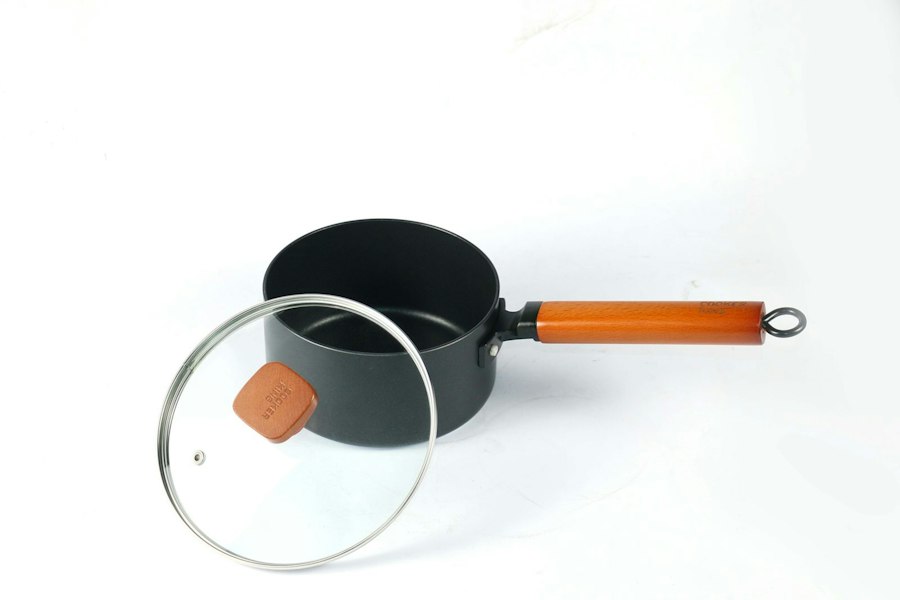
The revolutionary nature of induction pan heating technology extends beyond its core functionality. As the technology matures, manufacturers are integrating increasingly sophisticated features that unlock new levels of culinary creativity and convenience.
Smart Connectivity and App Integration
The future of cooking is connected, and induction is at the forefront of this movement. Many high-end induction cooktops now offer smart connectivity, allowing you to control your cooking through a smartphone app.
Remote Monitoring and Control
Imagine being able to monitor the progress of your slow-cooked stew from your living room or adjust the temperature of your sauce while you’re setting the table. Smart induction cooktops enable this level of remote convenience, freeing you up to engage with your guests or other tasks without being tethered to the kitchen.
Personalized Cooking Programs
These smart features can also extend to personalized cooking programs. You might be able to upload recipes that automatically set the correct temperature and cooking times for each stage of a dish, or even download new cooking techniques and have your cooktop guide you through them.
Integrated Ventilation and Hood Systems
Some cutting-edge induction cooktops are even integrating ventilation systems directly into the cooktop itself. This eliminates the need for a separate overhead range hood in some kitchen designs, creating a sleeker, more minimalist aesthetic.
Efficient Smoke and Odor Extraction
These integrated systems are designed to efficiently capture and extract smoke, steam, and cooking odors directly from the source, helping to keep your kitchen air cleaner and fresher.
Space-Saving Design
For smaller kitchens or open-plan living spaces, integrated ventilation can be a significant space-saving solution, contributing to a more streamlined and functional kitchen layout.
Specialized Induction Appliances
The principles of induction heating are also being applied to a growing range of specialized kitchen appliances, further expanding its revolutionary impact.
Induction Woks and Griddles
You can now find dedicated induction woks and griddles that offer the same precise heating and responsiveness as traditional induction cooktops, allowing you to achieve authentic results for a wider variety of cuisines.
Portable Induction Burners
For additional cooking flexibility, portable induction burners are a fantastic option. They are energy-efficient, fast-heating, and safe to use, making them ideal for entertaining, small kitchens, or as a backup cooking surface.
Induction pans have gained popularity due to their efficiency and safety, as they utilize electromagnetic fields to generate heat directly within the cookware. This innovative technology not only speeds up cooking times but also ensures that the stovetop remains cool to the touch. For those interested in exploring the science behind this fascinating cooking method, a related article can be found at Freaky Science, which delves into the principles of induction heating and its applications in modern kitchens. Understanding these concepts can enhance your culinary experience and help you make informed choices when selecting cookware.
Embracing the Future of Your Kitchen
| Metric | Description | Typical Value | Unit |
|---|---|---|---|
| Heating Efficiency | Percentage of energy directly transferred to the pan | 85-90 | % |
| Power Consumption | Electrical power used during operation | 1200-1800 | Watts |
| Heating Time | Time taken to bring 1 liter of water to boil | 4-6 | Minutes |
| Pan Material | Material required for induction compatibility | Ferromagnetic Stainless Steel or Cast Iron | — |
| Operating Frequency | Frequency of the electromagnetic field generated | 20-50 | kHz |
| Surface Temperature | Temperature of the induction cooktop surface during use | 40-60 | °C |
| Induced Current | Electric current generated in the pan base | Varies with power setting | Amperes |
You stand at the precipice of a culinary evolution. The revolutionary induction pan heating technology isn’t just about a new appliance; it’s about a fundamental shift in how you engage with food preparation. It’s about reclaiming control, embracing efficiency, and unlocking a new level of culinary confidence.
The Journey to a Smarter Kitchen
Adopting induction is an investment in your kitchen’s future. It’s a move towards a more intelligent, responsive, and enjoyable cooking environment. The speed, precision, and safety it offers will undoubtedly transform your daily cooking routines, from the simplest weeknight meal to your most ambitious culinary endeavors.
Enhancing Your Culinary Skills
As you become more familiar with the precise control offered by induction, you’ll find yourself experimenting with new techniques and pushing your culinary boundaries. Dishes that once seemed daunting will become achievable, and your confidence in the kitchen will soar.
A More Sustainable Lifestyle
By choosing induction, you’re also making a conscious decision towards a more sustainable lifestyle. The energy efficiency of these cooktops translates to lower utility bills and a reduced environmental footprint, allowing you to cook with both passion and purpose.
Your Culinary Canvas Awaits
The sleek lines of an induction cooktop are more than just an aesthetic improvement; they represent a gateway to a new era of cooking. The silent power, the intuitive control, and the unparalleled responsiveness of induction pan heating technology are ready to redefine your relationship with your kitchen. It’s time to embrace the revolution, to experience the difference, and to discover the joy of cooking with precision. Your culinary canvas awaits, and induction is the brush that will help you create your most delicious masterpieces yet.
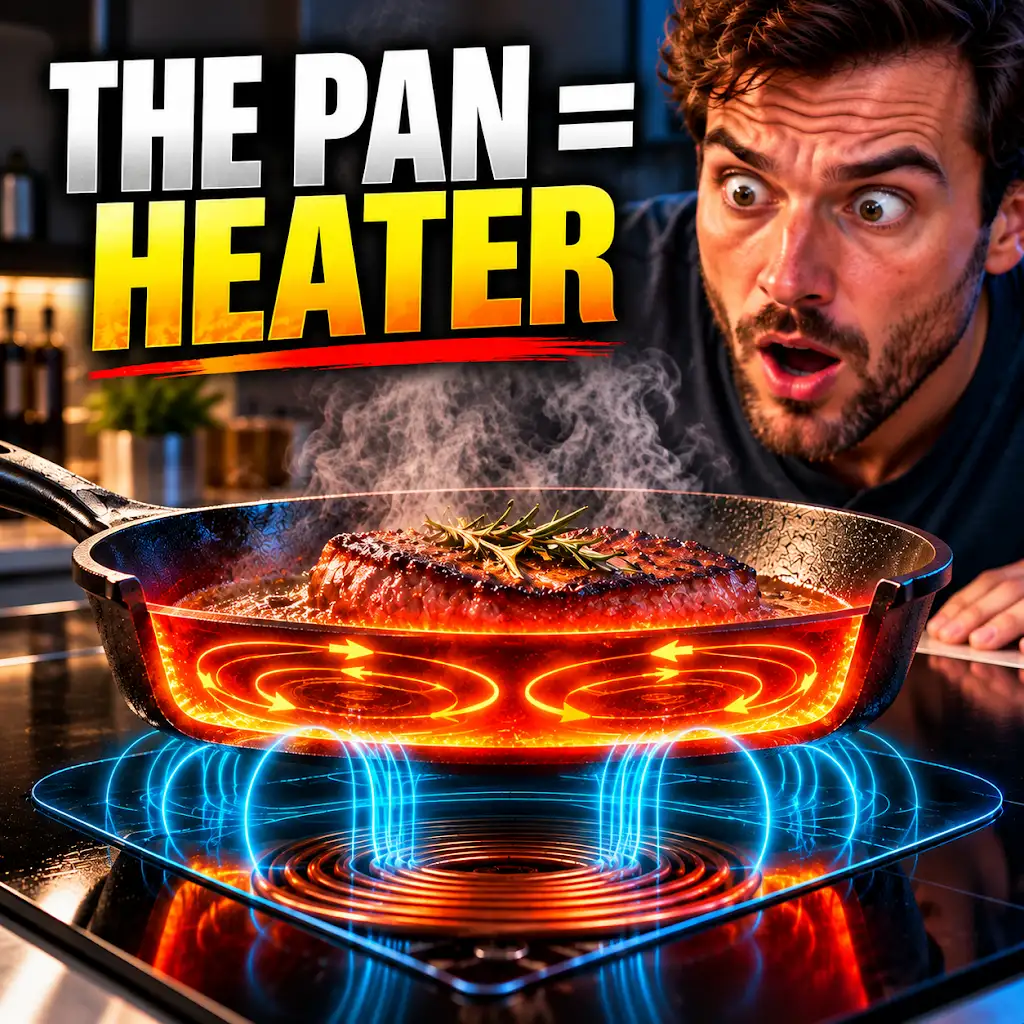
The Pan Is the Heater: How Induction Cooking Really Works
FAQs
What is an induction pan?
An induction pan is a type of cookware that is specifically designed to be used on induction cooktops. It is made with a magnetic base that allows it to heat up quickly and efficiently when placed on an induction cooktop.
How does an induction pan work?
An induction pan works by using electromagnetic energy to heat up the pan directly, rather than heating up the cooktop surface first. When the pan is placed on the induction cooktop, an alternating current passes through the coil beneath the cooktop surface, creating a magnetic field that heats up the pan.
What are the benefits of using an induction pan?
Some benefits of using an induction pan include faster heating times, more precise temperature control, and energy efficiency. Induction pans also cool down quickly once removed from the cooktop, making them safer to use.
Can any pan be used on an induction cooktop?
Not all pans can be used on an induction cooktop. Only cookware with a magnetic base, such as cast iron or stainless steel, will work on an induction cooktop. Non-magnetic pans, such as aluminum or copper, will not heat up on an induction cooktop.
Is it safe to use an induction pan as the heating element?
Yes, it is safe to use an induction pan as the heating element. The design of the induction pan allows it to heat up quickly and evenly, making it a safe and efficient option for cooking on an induction cooktop.