
The Silent Cycle: Understanding Your Air Conditioner’s Refrigerant Reset
You probably don’t give it much thought beyond that satisfying blast of cool air on a sweltering day. Your air conditioner, a marvel of modern engineering, works tirelessly to maintain your comfort. But have you ever wondered how it achieves this coolness? It’s not magic; it’s a sophisticated cycle involving a special fluid called refrigerant, and a process that, in a way, involves “resetting” this refrigerant over and over again. Think of it as a continuous loop of transformation, where the refrigerant changes its state – from liquid to gas and back again – to absorb and release heat. This article will delve into this fascinating process, explaining how your air conditioner effectively “resets” its refrigerant to keep you cool.
Your air conditioner’s ability to cool your home relies entirely on the thermodynamic properties of its refrigerant. This specialized fluid possesses a low boiling point, meaning it can readily evaporate at relatively low temperatures and pressures. This is the key to its function. The air conditioner doesn’t “create” cold; rather, it moves heat from one place to another. The refrigerant is the medium that facilitates this heat transfer. It’s a closed system, meaning the refrigerant circulates within the unit and is designed to last for many years. However, understanding how it’s used and “reset” is crucial to appreciating the technology at play.
Understanding how an air conditioner resets the refrigerant is crucial for maintaining optimal performance and efficiency. For a deeper dive into the mechanics behind air conditioning systems and their refrigerant management, you can check out this informative article on the subject. It provides insights into the processes involved and tips for troubleshooting common issues. To read more, visit this article.
The Refrigerant’s Journey: A Continuous Loop of Change
The entire operation of your air conditioner can be understood by following the refrigerant’s journey through its various components. This journey is a cycle, a perpetual motion of sorts, where the refrigerant is constantly being prepared for its next task. It’s a beautiful dance of physics, orchestrated to deliver comfort.
The Evaporator Coil: Where the Cooling Begins
Your air conditioner’s indoor unit, typically located in a closet, attic, or basement, houses the evaporator coil. This is where the magic of cooling truly starts. Here, the refrigerant, in a low-pressure liquid state, enters the coil. As the warm, humid air from your home is blown across the fins of the evaporator coil by the indoor fan, it transfers its heat to the refrigerant. Because the refrigerant is at a very low temperature and pressure, it readily absorbs this heat, causing it to evaporate and turn into a low-pressure gas. This process is analogous to how water boils and turns into steam, but it happens at much lower temperatures due to the refrigerant’s properties. As the refrigerant absorbs the heat, it cools the air that is then circulated back into your home, providing that welcome relief from the heat. This is the primary “resetting” action for the refrigerant in terms of its thermal state – it transitions from a liquid ready to absorb heat to a gas that has just done so. The moisture in the air also condenses on the cold evaporator coil, which is why your air conditioner also acts as a dehumidifier. This condensed water is then drained away.
The Compressor: The Heart of the System’s Pressure Change
Once the refrigerant has absorbed heat and transformed into a low-pressure gas, it travels to the compressor, usually located in the outdoor unit. The compressor is the “heart” of the air conditioning system. Its primary function is to increase the pressure and, consequently, the temperature of the refrigerant gas. Imagine squeezing a gas into a smaller space; it naturally gets hotter. The compressor does exactly this, taking the cool, low-pressure gas and compressing it into a hot, high-pressure gas. This compression is a crucial step in “resetting” the refrigerant for its next phase. By increasing the pressure, the refrigerant’s temperature is also elevated significantly, making it hotter than the outside air. This is essential for the next stage of the cooling cycle. Without the compressor, the refrigerant would remain at a low temperature and pressure, unable to effectively release the absorbed heat.
The Condenser Coil: Releasing the Heat to the Outdoors
Now a hot, high-pressure gas, the refrigerant flows to the condenser coil, which is located in the outdoor unit. This coil is exposed to the outside air, which is typically cooler than the hot refrigerant gas. As the outdoor fan draws ambient air across the condenser coil, the heat from the refrigerant is transferred to the outside air. This heat transfer causes the refrigerant gas to cool down and, critically, to condense back into a high-pressure liquid. This is the “resetting” of the refrigerant’s physical state, transitioning from a gas that has released its absorbed heat to a liquid ready to embark on its cooling mission again. Think of steam (a gas) condensing back into water (a liquid) on a cold surface; the same principle applies here, but with refrigerant and at different temperatures and pressures. The refrigerant has now effectively shed the heat it absorbed from your home.
The Expansion Valve: Preparing for the Next Round of Cooling
Finally, the high-pressure liquid refrigerant travels through an expansion valve (also known as a metering device or capillary tube). This is a crucial component that acts as a bottleneck. As the refrigerant passes through the narrow opening of the expansion valve, its pressure drops dramatically. This sudden drop in pressure causes the refrigerant’s temperature to plummet. It’s now a cold, low-pressure liquid, ready to enter the evaporator coil once again and absorb more heat. This is the final “resetting” action, preparing the refrigerant to be receptive to the heat from your home’s air. The cycle then begins anew, ensuring continuous cooling. The expansion valve essentially “prepares” the refrigerant to be as cold as possible, maximizing its ability to absorb heat in the evaporator.
The Role of Pressure and Temperature: The Driving Forces
The entire process of resetting the refrigerant hinges on the interplay between pressure and temperature. These two thermodynamic properties are inextricably linked, and your air conditioner masterfully manipulates them to achieve its cooling goal.
Pressure as a Tool for Temperature Control
The refrigerant’s boiling point is directly dependent on its pressure. At lower pressures, refrigerants boil at lower temperatures, and at higher pressures, they boil at higher temperatures. Your air conditioner leverages this fundamental principle. In the evaporator coil, the refrigerant is kept at a low pressure, allowing it to evaporate at a temperature below that of your indoor air, thus absorbing heat. Conversely, in the condenser coil, the compressor raises the refrigerant’s pressure, increasing its boiling point and making it hotter than the outside air, allowing it to release heat. This manipulation of pressure is the primary way the system controls the refrigerant’s temperature and, therefore, its ability to absorb and release heat. It’s a constant negotiation between the refrigerant’s inherent properties and the pressures applied to it.
The Refrigerant’s Transformation: Gas to Liquid and Back
The refrigerant’s ability to transition between its liquid and gaseous states is fundamental to the cooling cycle. In the evaporator, it absorbs heat and vaporizes. In the condenser, it releases heat and condenses. This phase change is a highly efficient way to transfer large amounts of thermal energy. When a liquid evaporates, it absorbs a significant amount of energy from its surroundings (latent heat of vaporization). When a gas condenses, it releases this same amount of energy. Your air conditioner harnesses this energy transfer to move heat from inside your house to the outside. The “resetting” of the refrigerant, in this context, is the continuous management of these phase changes, ensuring the refrigerant is always in the appropriate state for its current task within the cycle.
Maintaining the Cycle: Essential Components and Their Functions
Several key components work in harmony to ensure the refrigerant’s cycle is maintained and that the refrigerant is effectively “reset” for its next round of cooling. Each part plays a critical role in the overall efficiency and effectiveness of your air conditioner.
The Compressor: The Powerhouse of Pressure
As discussed, the compressor is the engine that drives the refrigerant cycle. It’s an electrically powered pump that compresses the refrigerant gas, increasing its pressure and temperature. Without the compressor, the refrigerant would remain in a low-pressure state, unable to release the absorbed heat effectively. Regular maintenance of the compressor, including ensuring proper lubrication and electrical connections, is vital for its longevity and the efficient operation of your entire system. A struggling compressor will lead to reduced cooling capacity and increased energy consumption.
The Expansion Valve: Regulating the Flow and Pressure Drop
The expansion valve is a precise mechanical device that controls the flow of refrigerant into the evaporator coil and creates the necessary pressure drop. It ensures that just the right amount of refrigerant enters the evaporator to maximize cooling efficiency without overcharging the system. If the expansion valve is faulty or becomes clogged, it can lead to improper refrigerant flow, resulting in poor cooling performance, ice formation on the evaporator coil, or even damage to the compressor. It’s a small but mighty component responsible for initiating the refrigerant’s dramatic temperature drop.
The Fans: Facilitating Airflow for Heat Exchange
Your air conditioner has two fans: one in the indoor unit (blower fan) and one in the outdoor unit (condenser fan). The indoor fan draws warm air from your home across the evaporator coil, facilitating the heat absorption process. The outdoor fan draws ambient air across the condenser coil, aiding in the heat dissipation process. Proper airflow is essential for efficient heat exchange. If the fans are not working correctly, or if the coils are dirty, the heat transfer will be compromised, leading to reduced cooling and increased energy usage. Cleanliness of the fan blades and unobstructed airflow are simple yet critical aspects of maintaining the refrigerant’s effective “resetting” cycle.
Understanding how an air conditioner resets the refrigerant is crucial for maintaining optimal performance and efficiency. For a deeper dive into the science behind air conditioning systems and their components, you can explore this insightful article on Freaky Science. This resource provides valuable information that can help you grasp the complexities of refrigerant management and its impact on cooling systems.
Signs of a System Needing a “Reset”
| Step | Action | Purpose | Typical Duration | Tools/Equipment Needed |
|---|---|---|---|---|
| 1 | Turn off the air conditioner and disconnect power | Ensure safety before handling refrigerant | 1-2 minutes | Multimeter, screwdriver |
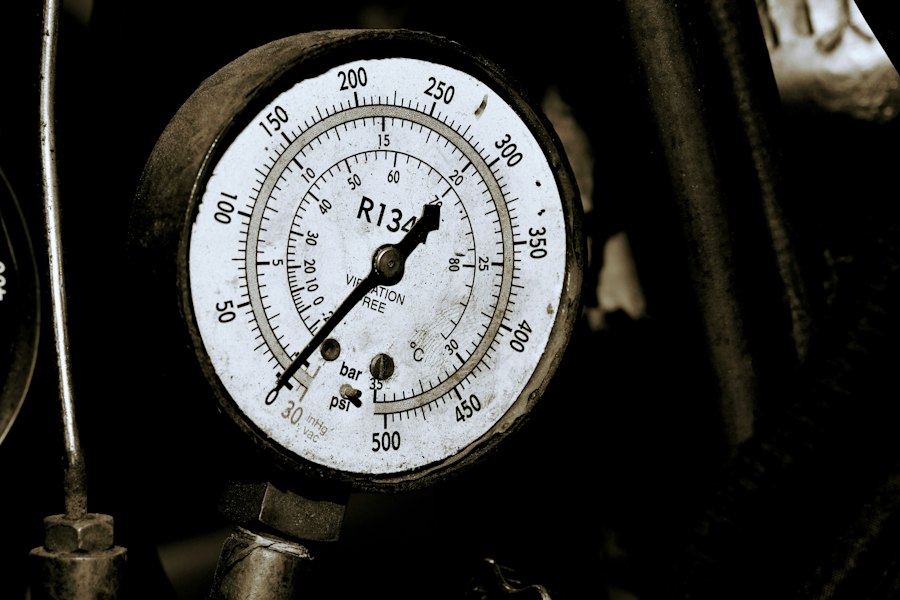
| 2 | Check refrigerant pressure using gauges | Assess current refrigerant level and pressure | 3-5 minutes | Manifold gauge set |
| 3 | Recover existing refrigerant (if necessary) | Safely remove refrigerant to prevent leaks | 10-20 minutes | Refrigerant recovery machine |
| 4 | Evacuate the system using a vacuum pump | Remove air and moisture from the system | 15-30 minutes | Vacuum pump, manifold gauge set |
| 5 | Recharge the system with correct refrigerant amount | Restore proper refrigerant level for efficient operation | 5-10 minutes | Refrigerant cylinder, scale, manifold gauge set |
| 6 | Check for leaks and system operation | Ensure no leaks and verify system performance | 5-10 minutes | Leak detector, thermometer, manifold gauge set |
| 7 | Restore power and test air conditioner | Confirm system resets and runs properly with new refrigerant | 5 minutes | None |
While your air conditioner is designed for continuous operation, certain signs can indicate that the refrigerant cycle is not functioning optimally or that the system needs attention, effectively a “reset” of its own. These can range from subtle performance degradation to more obvious issues.
Diminished Cooling Capacity: The Most Common Indicator
The most common and noticeable sign of a problem with the refrigerant cycle is a decrease in cooling capacity. If your air conditioner is running, but your home isn’t getting as cool as it used to, it could indicate a refrigerant issue. This might be due to a slight refrigerant leak, where the system has lost some of its cooling medium. In such cases, a qualified technician will need to identify and repair the leak before recharging the system with the correct amount of refrigerant. This process effectively “resets” the refrigerant charge to its optimal level.
Unusual Noises: Whispers of Distress
Strange noises coming from your air conditioner can also be a sign of trouble. Hissing or bubbling sounds might suggest a refrigerant leak. A loud or knocking noise from the compressor could indicate internal problems. These sounds are often the refrigerant system’s way of signaling that something is amiss and that a professional “reset” might be required. It’s important to pay attention to these auditory cues and address them promptly to prevent more significant damage.
Ice Formation: A Sign of Imbalance
If you notice ice forming on the refrigerant lines or the evaporator coil, it’s a strong indication of a problem. This often happens when there’s insufficient airflow across the evaporator coil or a low refrigerant charge. The refrigerant isn’t absorbing heat effectively, causing the coil to become so cold that moisture in the air freezes on it. This situation requires immediate attention as it can lead to further damage to the system and significantly reduce its efficiency. A technician will diagnose the cause and rectify the imbalance, effectively “resetting” the conditions for proper operation.
The Technician’s Role: Ensuring a Proper Refrigerant Reset
While you can’t directly “reset” your air conditioner’s refrigerant, a qualified HVAC technician can perform the necessary checks and services to ensure it’s operating efficiently. They have the specialized tools and knowledge to diagnose and address any issues within the refrigerant cycle.
Leak Detection and Repair: The First Step to a Recharge
If a refrigerant leak is suspected, the technician will use specialized equipment to pinpoint the source of the leak. Once found, the leak will be repaired. This is a critical step because simply adding more refrigerant without fixing the leak is a temporary solution that is both environmentally irresponsible and economically inefficient. A proper “reset” begins with a sealed and intact system.
Refrigerant Charging: Restoring the Optimal Level
After a leak is repaired or if the system is found to have an insufficient refrigerant charge, the technician will add the correct type and amount of refrigerant. This process, known as charging, is precise. Overcharging or undercharging the system can lead to various problems, including poor cooling, increased energy consumption, and damage to the compressor. The technician uses pressure gauges and temperature readings to ensure the system is charged to its manufacturer’s specifications, effectively “resetting” the refrigerant level for peak performance.
System Diagnostics and Performance Checks
Beyond just dealing with refrigerant levels, technicians perform comprehensive diagnostics. They check the pressures, temperatures, and airflow throughout the system. They can identify any component failures or inefficiencies that might be affecting the refrigerant’s cycle. This holistic approach ensures that not only the refrigerant but the entire system is functioning in harmony, providing you with optimal comfort and energy efficiency. This thorough inspection and adjustment can be considered a comprehensive “reset” of your air conditioning system’s operational parameters.
In conclusion, your air conditioner’s ability to provide cooling is a testament to the clever manipulation of its refrigerant. This specialized fluid embarks on a continuous journey, undergoing transformations in pressure and state to absorb and release heat. While you might not be directly involved in “resetting” the refrigerant, understanding this intricate cycle allows you to appreciate the technology at work and recognize the signs when your system might need the attention of a professional to ensure its optimal performance and your continued comfort.

Your AC Blows Hot Air Outside. Is That Heat From Your Room?
FAQs
1. How does an air conditioner reset the refrigerant?
An air conditioner resets the refrigerant by turning off the unit and allowing it to sit for at least 10 minutes. This allows the pressure in the system to equalize and the compressor to reset.
2. Why is it important to reset the refrigerant in an air conditioner?
Resetting the refrigerant in an air conditioner is important to ensure the system operates efficiently and effectively. It helps prevent damage to the compressor and other components, and ensures proper cooling performance.
3. Can I reset the refrigerant in my air conditioner myself?
It is not recommended for individuals to reset the refrigerant in their air conditioner themselves. It is best to contact a professional HVAC technician who has the proper tools and knowledge to safely reset the refrigerant.
4. How often should the refrigerant in an air conditioner be reset?
The refrigerant in an air conditioner should only be reset when necessary, such as when the system is not cooling properly or there is a refrigerant leak. It is not a routine maintenance task and should only be done by a qualified technician.
5. What are the signs that indicate the refrigerant in an air conditioner needs to be reset?
Signs that indicate the refrigerant in an air conditioner needs to be reset include reduced cooling performance, warm air blowing from the vents, ice buildup on the evaporator coils, and hissing or bubbling noises coming from the unit. If you notice any of these signs, it is best to contact a professional to inspect and reset the refrigerant.