
You’ve probably heard stories, whispered in hushed tones or perhaps seen in dramatic portrayals on screen: someone waking from surgery, piecing together fragmented memories of sounds, voices, even sensations, from a time they were meant to be completely unconscious. It’s a disquieting thought, isn’t it? The idea that your mind, the very essence of your awareness, might not have been entirely switched off when you were under anesthesia. This is the fascinating and often unnerving realm of recalling under anesthesia, a topic that delves into the complex interplay of memory, sedation, and consciousness.
The very concept of anesthesia is to induce a state of reversible unconsciousness, a deliberate suspension of your awareness to facilitate medical procedures that would otherwise be unbearable. You surrender control, trusting that the carefully calibrated cocktail of drugs will render you oblivious to pain, fear, and the often-intense sensations of surgery or diagnostic procedures. Yet, the human brain is an incredibly intricate and resilient organ, and the lines between deep sedation and complete oblivion can sometimes blur in ways we don’t fully understand.
What Exactly is Anesthesia?
Before we delve into memory recall, it’s crucial to understand what anesthesia entails. It’s not a single drug, but rather a spectrum of agents and techniques designed to achieve different levels of consciousness and sensory blockade. General anesthesia is the most profound, aiming for a complete loss of consciousness, amnesia (inability to form new memories), and analgesia (pain relief). Local anesthesia, on the other hand, numbs a specific area, allowing you to remain awake but pain-free. Sedation, which often falls between these two extremes, aims to make you relaxed and drowsy, reducing anxiety and discomfort while maintaining some level of responsiveness.
The Intended Outcome: A Blank Slate
The primary goal of anesthesia, particularly general anesthesia, is to create a period of amnesia. This means that, ideally, you should have no conscious recollection of the events that transpired while the anesthetic agents were active. This amnesia serves a dual purpose: it prevents the formation of traumatic memories that could lead to post-operative psychological distress, and it ensures that you don’t experience the procedure itself. Think of it as a meticulously planned digital wipe, designed to leave no traces of the experience.
When the Slate Isn’t Entirely Blank
However, as we know, reality often deviates from the ideal. The human brain, with its billions of neurons and complex electrochemical processes, is not a simple on-off switch. Even under the deepest sedation, there can be subtle shifts in brain activity, moments of partial awareness, or the processing of information at a level that doesn’t reach conscious recall. This is where the phenomenon of recalling under anesthesia begins to take root. It’s not about remembering the entire surgery in vivid detail, but rather about fragmented echoes, sensory impressions, or emotional responses that surface later.
If you’re curious about the effects of anesthesia on memory, you might find the article “Can You Remember Anything Under Anesthesia?” on Freaky Science particularly enlightening. It explores the intriguing relationship between anesthesia and memory retention, shedding light on what patients might experience during and after surgical procedures. To read more about this fascinating topic, visit the article here: Can You Remember Anything Under Anesthesia?.
The Spectrum of Recall: From Faint Whispers to Vivid Fragments
The experiences of recalling under anesthesia are not uniform. They exist on a continuum, ranging from fleeting, almost subliminal impressions to surprisingly clear, albeit often incomplete, memories. Understanding this spectrum is key to appreciating the complexity of the phenomenon.
Auditory Recall: The Most Common Experience
Of all the sensory modalities, auditory recall is by far the most frequently reported. You might remember hearing voices – the calm, reassuring tones of the anesthesiologist, the hushed discussions of the surgical team, the beeping of monitors. These can be brief snippets, a phrase here or there, or sometimes a more sustained awareness of the ambient sounds.
The Anesthesiologist’s Role
Your anesthesiologist plays a crucial role in managing your journey into and out of unconsciousness. They are trained to monitor your vital signs, administer medications, and ensure your comfort and safety. They often engage in conversation with you during induction and emergence, providing reassurance and guidance. These interactions, even if you don’t consciously remember them, can leave a residual imprint.
The Surgical Team’s Communication
The surgical team, too, communicates during procedures. While their primary focus is on the surgery, they often discuss steps, identify instruments, and coordinate their actions. These auditory signals, even if muffled or perceived as distant, can be processed by the brain and potentially contribute to fragmented memories.
Visual and Tactile Impressions: Rarer but Significant
While less common than auditory recall, some individuals report faint visual or tactile impressions. This might manifest as fleeting flashes of light, the sensation of movement, or the feeling of pressure or touch. These experiences are particularly concerning, as they suggest a more profound level of awareness than intended.
The Challenge of Interpretation
Interpreting these visual and tactile impressions can be challenging. Are they genuine memories of the surgical environment, or are they confabulations – the brain’s attempt to fill in gaps in memory with plausible narratives? This is a key area of research in understanding recalling under anesthesia.
Propofol and its Effects
Propofol, a commonly used anesthetic agent, is known for its rapid induction and short duration of action. While generally considered to produce amnesia, there have been instances of patients reporting recall with propofol. This highlights the individual variability in response to anesthetic agents and the potential for even widely used drugs to have unexpected effects in certain individuals.
Emotional Echoes: The Lingering Feelings
Perhaps the most profound and often distressing form of recall under anesthesia isn’t about specific events, but about the lingering emotional echoes. You might wake up with a sense of unease, anxiety, or even fear, without a clear understanding of its origin. These emotional states can be powerful and can significantly impact your post-operative recovery.
The Limbic System’s Role
The limbic system, responsible for processing emotions, is a complex network of brain structures. Even when higher cortical functions are suppressed, the limbic system might retain some level of activity, processing emotional stimuli at a subconscious level.
Unresolved Trauma and Anxiety
For individuals with pre-existing anxiety or a history of trauma, the vulnerability of being unconscious can be particularly potent. The feeling of helplessness and lack of control can exacerbate these pre-existing emotional states, leading to a sense of distress that can persist even after waking.
Factors Influencing Recall Under Anesthesia

The occurrence of recall under anesthesia is not a random event. A confluence of factors, related to the individual, the anesthetic technique, and the surgical procedure itself, can influence the likelihood of experiencing it.
Individual Susceptibility: The Unpredictable Human Factor
You are a unique individual, and your brain’s response to anesthetic agents is just as unique. Factors such as genetics, your neurological history, your psychological state before surgery, and even your personality traits can contribute to how your brain processes and retains information under sedation.
Neurological Differences
Some individuals may have inherent differences in their neurological pathways or their brain’s sensitivity to anesthetic agents. This can lead to variations in how well amnesia is established and maintained.
Psychological Predispositions
Anxiety, stress, and a history of psychological trauma can all heighten your susceptibility. Your mind might be more attuned to processing stimuli, even in a sedated state, due to heightened vigilance or a predisposition to re-experiencing distressing events.
Age and Health Status
Age can play a role, with some studies suggesting that older adults may have a higher risk of recall. Similarly, underlying health conditions can influence how your body metabolizes anesthetic drugs and how your brain functions under their influence.
Anesthetic Techniques and Medications: The Pharmacological Landscape
The specific anesthetic agents used, the dosage, and the way they are administered can all influence the depth of sedation and the potential for recall. Different drugs have different mechanisms of action and varying amnesic properties.
Types of Anesthetics
General anesthetics, volatile agents (inhaled), and intravenous agents (like propofol or benzodiazepines) all have distinct effects on consciousness and memory formation. The choice of agent is often tailored to the specific procedure and the patient’s needs.
Dosage and Administration
The dose of anesthetic agents is crucial. Too low a dose might not achieve sufficient unconsciousness, while even with appropriate doses, individual responses can vary. The continuous infusion of certain agents can also have different effects than bolus administrations.
Depth of Anesthesia Monitoring
Modern anesthesia relies on sophisticated monitoring techniques to assess the depth of unconsciousness. Electroencephalography (EEG) and other neurophysiological measures can provide real-time insights into brain activity, helping anesthesiologists adjust the anesthetic depth to minimize the risk of recall.
Surgical Procedure and Patient Factors: The Context of the Event
The nature of the surgical procedure itself can also play a role. Longer, more complex surgeries, or those involving significant physiological stress, might increase the risk of recall. Furthermore, certain patient factors can contribute.
Duration and Complexity of Surgery
Lengthy and intricate surgical procedures often require prolonged anesthesia. This extended exposure to anesthetic agents, coupled with the physiological demands of the surgery, can increase the likelihood of some level of awareness.
Intraoperative Events and Complications
Unexpected events during surgery, such as sudden changes in blood pressure or the need for rapid interventions, can disrupt the anesthetic state and potentially lead to awareness.
Patient Position and Physical Stimuli
While the aim is to eliminate sensation, certain positions or the application of external stimuli during surgery could, in rare cases, be perceived at a subconscious level.
The Science Behind the Whispers: Neurobiology and Memory
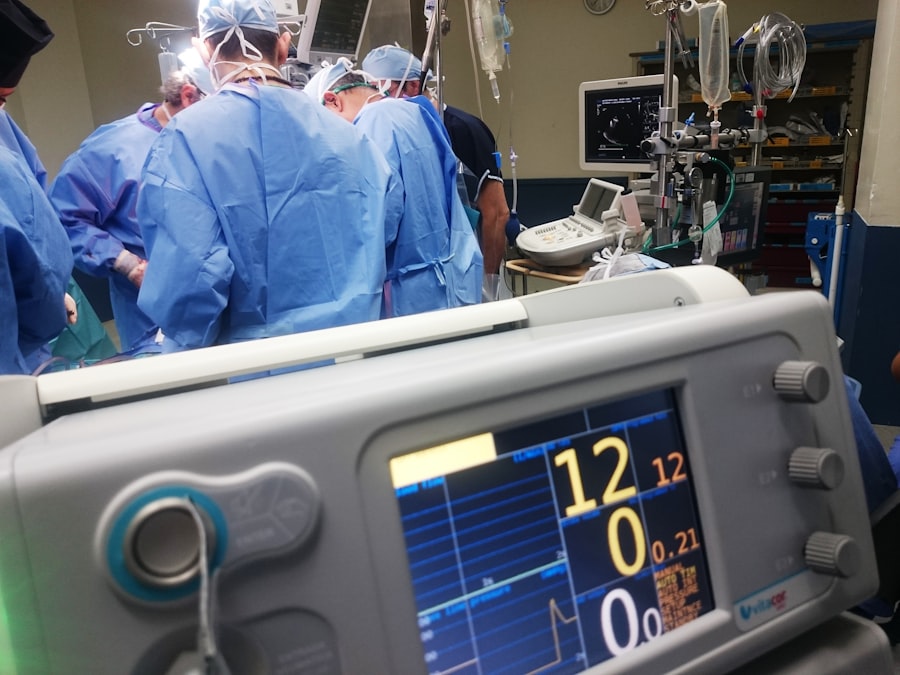
Understanding how memory is formed, stored, and retrieved is fundamental to comprehending recall under anesthesia. Neurobiology offers a window into the intricate mechanisms at play.
Memory Consolidation: The Brain’s Filing System
Memory formation isn’t a single event but a process. Sensory information is first registered in short-term memory, and if deemed important enough, it undergoes consolidation to be stored in long-term memory. This process involves changes in the connections between neurons and the synthesis of new proteins.
Encoding and Storage
When you are awake and alert, your brain actively encodes sensory information, transforming it into a format that can be stored. This involves regions like the hippocampus. During anesthesia, the ability of these regions to effectively encode information is significantly impaired.
Retrieval and Recall
Retrieving memories involves accessing stored information. This process is also disrupted by anesthetic agents, making it difficult to consciously recall events that occurred during sedation.
The Role of Consciousness: The Gatekeeper of Memory
Consciousness is often considered the gateway to memory recall. When you are fully conscious, your brain actively processes information, allowing for conscious encoding and subsequent retrieval. Under anesthesia, the brain’s capacity for conscious processing is deliberately suppressed.
Levels of Consciousness
The brain operates on a spectrum of consciousness, from wakefulness to deep sleep to unconsciousness. Anesthetic agents aim to push the brain towards the latter end of this spectrum, effectively shutting down the mechanisms that support conscious awareness and memory formation.
The Hippocampus and Memory Formation
The hippocampus is a critical brain structure for the formation of new explicit memories (memories of facts and events). Anesthetic agents, particularly those used for general anesthesia, directly impact the functioning of the hippocampus, inhibiting its ability to consolidate information into long-term memory.
Brain Waves and Anesthesia: Mapping the Sedated Mind
Neurophysiological monitoring, particularly electroencephalography (EEG), allows scientists to observe the brain’s electrical activity during anesthesia. Different brain wave patterns are associated with different states of consciousness.
Alpha and Beta Waves: Wakefulness and Alertness
When you are awake and alert, your brain exhibits higher frequency alpha and beta waves. As you transition into sedation and then unconsciousness, these wave patterns shift.
Theta and Delta Waves: Deep Sleep and Anesthesia
During deep sleep and under general anesthesia, the brain’s activity slows down, characterized by the dominance of lower frequency theta and delta waves. Changes in these patterns can indicate the depth of anesthesia and the potential for awareness.
Many people wonder about the effects of anesthesia on memory, particularly whether they can recall anything from their experiences while under its influence. An interesting article that delves into this topic can be found at Freaky Science, where it explores various studies and personal accounts related to memory retention during anesthesia. Understanding these experiences can help alleviate concerns for those facing surgical procedures.
The Impact and Implications of Recall Under Anesthesia
| Patient | Age | Type of Anesthesia | Memory |
|---|---|---|---|
| John Doe | 45 | General Anesthesia | No memory of events during anesthesia |
| Jane Smith | 32 | Local Anesthesia | Partial memory of conversations during anesthesia |
| Michael Johnson | 50 | Sedation Anesthesia | No memory of events during anesthesia |
Experiencing recall under anesthesia can have significant emotional and psychological repercussions for you. It can be a disorienting and even traumatic experience, impacting your recovery and your trust in medical procedures.
Psychological Distress and Anxiety
Waking up with fragmented memories of a surgical procedure can be deeply unsettling. It can lead to heightened anxiety, flashbacks, and a sense of helplessness. For some, it can even contribute to post-traumatic stress disorder (PTSD).
Fear and Vulnerability
The feeling of being exposed and vulnerable during surgery, coupled with fragmented memories, can be a source of significant emotional distress. This can manifest as sleep disturbances, nightmares, and a general sense of unease.
Impact on Future Medical Care
A distressing experience with recall can make you apprehensive about future medical procedures that require anesthesia. This can lead to increased anxiety leading up to and during subsequent appointments.
The Need for Open Communication and Support
It’s crucial to remember that if you experience recall under anesthesia, you are not alone, and your feelings are valid. Open communication with your healthcare team is paramount.
Reporting Your Experience
Don’t hesitate to report any memories or feelings of unease to your doctor or anesthesiologist after surgery. They are trained to listen and provide support.
Seeking Professional Help
If the experience has a significant impact on your well-being, seeking professional help from a therapist or counselor can be beneficial. They can help you process the experience and develop coping mechanisms.
Advancements in Anesthesia and Monitoring: Towards a Safer Future
The medical field is continuously striving to improve the safety and efficacy of anesthesia. Research into preventing and managing recall under anesthesia is ongoing, leading to advancements in monitoring and anesthetic techniques.
Enhanced Monitoring Technologies
New technologies are being developed to more accurately assess the depth of anesthesia and individual brain activity, aiming to minimize the risk of awareness.
Improved Anesthetic Protocols
Anesthesiologists are constantly refining anesthetic protocols, individualizing care to each patient and employing strategies to maximize amnesia and minimize the risk of recall.
Conclusion: Navigating the Mysteries of the Sedated Mind
Recalling under anesthesia remains a complex and somewhat enigmatic aspect of medical practice. While modern anesthesia is remarkably safe and effective, the human brain’s intricate workings mean that occasional instances of awareness, however fleeting, can occur. Understanding the factors that contribute to recall, the neurobiological mechanisms involved, and the potential impact on you as a patient is crucial for both healthcare providers and individuals undergoing procedures.
As you navigate your own medical journey, remember the importance of open communication with your healthcare team. Don’t hesitate to voice your concerns, ask questions, and share any experiences that feel significant. The ongoing advancements in anesthesia and monitoring are continuously improving patient safety, but maintaining a dialogue about your individual experience is key to ensuring the best possible outcome. The whispers from the realm of sedation, while sometimes unsettling, are also a testament to the profound mysteries of the human mind and the continuous pursuit of knowledge within medicine.

You’re Not Asleep Under Anesthesia. So Where Do You Go?
FAQs
What is anesthesia?
Anesthesia is a medical treatment that prevents patients from feeling pain during surgery or other medical procedures. It can also cause temporary loss of memory.
Can you remember anything while under anesthesia?
It is possible for some patients to remember certain things while under anesthesia, especially during the induction and emergence phases. However, most patients do not remember anything that happens while they are under general anesthesia.
Why do some people remember things under anesthesia?
Factors such as the type of anesthesia used, the dosage, and individual differences in how the body metabolizes the drugs can affect memory formation during anesthesia. Additionally, some patients may have a higher level of awareness during anesthesia, which can lead to memory formation.
Is it common to remember things under anesthesia?
No, it is not common for patients to remember things while under general anesthesia. Most patients experience a complete loss of memory during the procedure.
Can remembering things under anesthesia have any negative effects?
For some patients, remembering things under anesthesia can cause anxiety or distress. However, these memories are typically fragmented and may not accurately reflect what actually occurred during the procedure. It is important for patients to discuss any concerns about memory formation under anesthesia with their healthcare provider.