
You’ve probably seen them in sleek kitchens, heard the hushed admiration from chefs, and maybe even wondered if that almost magical speed is just hype. Induction stovetops are, without a doubt, a modern marvel of culinary technology, and their efficiency is at the heart of their appeal. But what exactly makes them so much faster and more energy-conscious than the gas or traditional electric coil stoves you might be used to? It all boils down to the fascinating science of electromagnetism. Forget everything you thought you knew about heat; induction cooking isn’t about heating the surface itself, but about directly energizing your cookware.
At its core, an induction cooktop is a sophisticated piece of engineering that harnesses the principles of electromagnetism to generate heat. Unlike conventional stoves that rely on direct contact with a heated element (whether it’s gas flames or electric coils), induction creates heat within your pots and pans. This directness is the key to its unparalleled efficiency and speed.
The Copper Coil: The Heart of the Operation
Beneath the smooth, ceramic glass surface of your induction cooktop lies a crucial component: a copper coil. When you turn on the stove and select a heat setting, an alternating electric current is sent through this coil. This isn’t just any current; it’s a rapidly changing, high-frequency alternating current.
The Creation of a Magnetic Field
The flow of alternating current through the copper coil generates a powerful, oscillating magnetic field. Think of it like a rapidly pulsing wave of magnetism that extends upwards from the coil, through the ceramic glass, and into the space above the cooktop. This magnetic field is the initial spark that ignites the heating process.
Electromagnetic Induction: The Principle of Mutual Inductance
This is where the magic truly happens, and it’s all thanks to a principle called electromagnetic induction, famously described by Michael Faraday. When a magnetic field changes rapidly, it can induce an electric current in a nearby conductor. In your case, the conductor is the special cookware you place on the induction surface.
Faraday’s Law in Action
Faraday’s Law of Induction states that a changing magnetic field will induce an electromotive force (EMF), which in turn drives an electric current, in a closed circuit. Your induction cooktop’s magnetic field is constantly changing, and when you place a compatible pot or pan on it, the metal in the base of that cookware becomes part of a closed circuit within the influence of this field.
Eddy Currents: The Direct Heat Generators
The induced electric current flowing within the base of your cookware isn’t just any current; it’s specifically what we call “eddy currents.” These are circular currents that are generated and circulate within the conductive material of the pan.
Resistance and the Generation of Heat (Joule Heating)
As these eddy currents flow through the metal of your pan, they encounter electrical resistance. This resistance, inherent in all conductive materials, causes the kinetic energy of the electrons within the metal to be converted into thermal energy. This phenomenon is known as Joule heating, or resistive heating. The more resistance, and the stronger the eddy currents, the more heat is generated. It’s this rapid, internal generation of heat within the cookware itself that makes induction so incredibly efficient.
Induction stoves are known for their rapid heating capabilities, which can be attributed to the way they generate heat directly in the cookware through electromagnetic induction. This efficient method allows for faster cooking times compared to traditional gas or electric stoves. For a deeper understanding of the science behind induction cooking and its advantages, you can read a related article at Freaky Science.
Why Induction is a Heat Transfer Superstar
The efficiency of induction isn’t just about how fast it heats; it’s also about minimizing wasted energy. Traditional cooking methods have inherent inefficiencies in how heat is transferred from the energy source to your food. Induction, by bypassing many of these intermediaries, drastically reduces this energy loss.
Direct Contact Heating is a Myth for Most Stoves
Let’s break down the inefficiencies of conventional stoves. Gas stoves, for example, rely on open flames to heat the bottom of the pan. A significant portion of that heat energy escapes around the sides of the pot and into the surrounding air, never making it to your food. You’re essentially heating the kitchen as much as you’re heating your dinner.
The Inefficiency of Radiant Heat
Electric coil and ceramic stovetops work by heating a resistive element, which then transfers heat to the cookware through direct contact and radiation. While better than gas in terms of heat containment, there’s still a considerable amount of heat lost to the air as the element and the surface surrounding the pan get hot. This “radiant heat” is essentially wasted energy.
Induction’s Targeted Approach
Induction, on the other hand, is incredibly targeted. The magnetic field is designed to interact only with ferromagnetic materials – the materials found in most high-quality cookware. This means that only the base of your pot or pan is directly heated. The cooktop surface itself gets warm only through residual heat transfer from the hot cookware, not as the primary source of heat generation.
Minimizing Ambient Heat Loss
Because the cooktop surface doesn’t become the primary heat source, it remains relatively cool. This dramatically reduces the amount of heat that escapes into your kitchen. You’re not heating the air around your pan; you’re heating the pan itself, and therefore, your food. This is a significant difference in terms of energy efficiency.
The Science of Material Compatibility
The efficiency of induction is also intrinsically linked to the materials used in your cookware. Not all pots and pans are created equal when it comes to induction cooking.
Ferromagnetism is Key
As mentioned, induction works by inducing eddy currents in ferromagnetic materials. These are materials that are attracted to magnets, such as cast iron and most stainless steel. When these materials are placed on an induction cooktop, they readily interact with the magnetic field and generate heat efficiently.
Non-Ferromagnetic Materials: A Different Story
Materials like aluminum, copper (unless it has a ferromagnetic base), and glass are not ferromagnetic and therefore will not directly heat on an induction cooktop. This is why many induction-compatible pans have a layer of ferromagnetic material bonded to their base. This ensures that the heat is generated directly in the pan, regardless of the primary material of the pan itself.
The Speed Advantage: Why Induction Cooks Faster
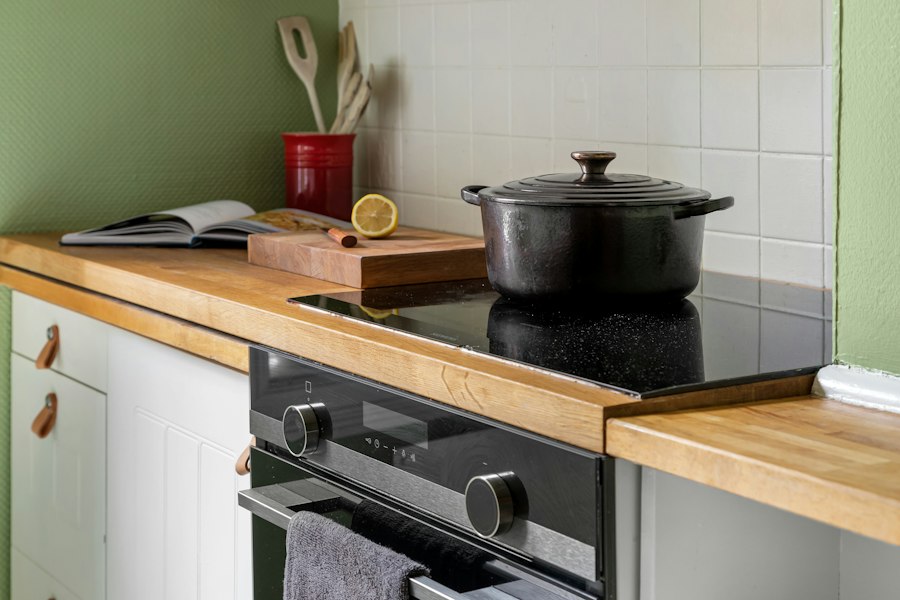
The direct and efficient transfer of energy in induction cooking translates directly into a dramatic increase in cooking speed. You’ll notice this phenomenon almost immediately the first time you use an induction stove.
Rapid Energy Transfer
Because the heat is generated within the cookware itself, there are fewer steps in the energy transfer process. The electricity flowing through the coil is almost instantaneously converted into heat in your pan. There’s no waiting for a coil to heat up or a burner to reach temperature.
From Electricity to Heat: A Near-Instantaneous Conversion
The conversion of electrical energy to heat via eddy currents is an incredibly rapid process. This means that as soon as you turn on the induction element and place your pan, heat begins to be generated. This is a stark contrast to gas or traditional electric stoves, where there’s a noticeable lag as the heat source warms up.
Reduced Thermal Inertia
The cookware itself also plays a role. While heavier pans can retain heat well, the initial ramp-up time is significantly reduced with induction. Because the heat is generated internally, the thermal inertia of the pan is overcome much more quickly.
Overcoming Resistance to Temperature Change
Thermal inertia refers to a material’s resistance to changes in temperature. While a thick cast-iron pan will eventually get very hot, it also takes time to heat up initially. Induction’s direct heating mechanism minimizes this initial ramp-up time, allowing the pan to reach your desired cooking temperature much faster.
Precise Control Leads to Faster Cooking
The precise temperature control offered by induction stovetops also contributes to faster and more efficient cooking. You can quickly dial in the exact temperature you need, preventing overcooking or undercooking and reducing the time spent adjusting heat settings.
Fine-Tuning Heat for Optimal Results
When you can instantly adjust the heat up or down, you can maintain optimal cooking temperatures more effectively. This means less time spent hovering over the stove, making minor adjustments, and more time enjoying perfectly cooked food.
Energy Savings: The Eco-Friendly Choice
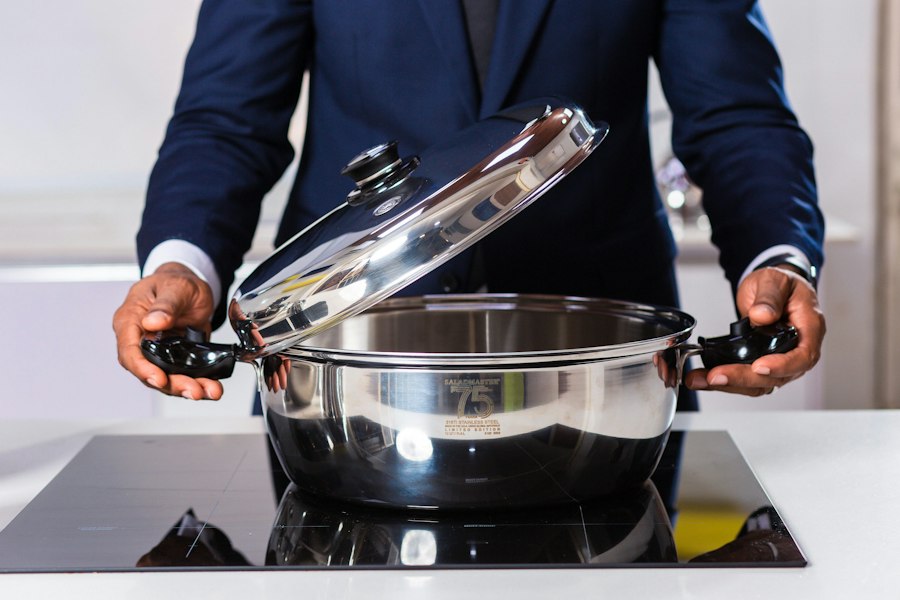
The efficiency of induction cooking translates directly into significant energy savings. Because less energy is wasted into the surrounding environment, you’re using less electricity to achieve the same cooking results.
Less Wasted Energy, More Saved Money
The primary driver of energy savings with induction is the reduction in wasted heat. Traditional stoves lose a considerable amount of energy to the air, which is essentially paying for heat that doesn’t contribute to cooking your food.
The Cost of Heating Your Kitchen
Think of it this way: every BTU (British Thermal Unit) of heat that escapes your gas burner or electric element is energy that you’re paying for but not benefiting from. Induction drastically minimizes these lost BTUs.
Efficiency Ratings Compared
While exact figures can vary depending on the specific models and cooking tasks, induction stovetops are generally estimated to be 85-90% energy efficient. Compare this to gas stoves, which are typically around 40-55% efficient, and traditional electric stoves, which are around 70-75% efficient. The difference is substantial over time.
A Deeper Dive into Energy Metrics
The higher efficiency of induction means that for the same amount of cooking, you will consume less electricity. This not only reduces your electricity bill but also contributes to a lower carbon footprint, especially if your electricity is generated from non-renewable sources.
Reduced Heat Output for a Cooler Kitchen
The fact that induction cooktops generate less ambient heat also means your kitchen stays cooler during cooking. This can lead to reduced reliance on air conditioning during warmer months, further contributing to energy savings.
The Indirect Benefit of a Cooler Environment
If you’re cooking a large meal on a hot day, a gas or electric stove can significantly raise the temperature of your kitchen. This can necessitate running your air conditioning more intensely. Induction’s cooler operation offers a dual benefit of energy efficiency.
Induction stoves are known for their rapid heating capabilities, which can be attributed to their unique method of transferring energy directly to the cookware. This efficient process not only saves time but also enhances cooking precision. For a deeper understanding of the science behind this technology, you can explore a related article that delves into the principles of induction heating and its advantages over traditional cooking methods. To learn more about this fascinating topic, check out this article on Freaky Science.
Safety Features: A Cooler, Safer Cooking Experience
| Metric | Description | Value/Example | Impact on Heating Speed |
|---|---|---|---|
| Heating Method | Type of heat generation | Electromagnetic induction | Directly heats cookware, reducing heat loss |
| Energy Transfer Efficiency | Percentage of energy transferred to cookware | 80-90% | High efficiency leads to faster heating |
| Response Time | Time taken to reach desired temperature | Seconds (typically under 30 seconds) | Rapid temperature increase |
| Cookware Compatibility | Type of cookware required | Ferromagnetic materials (cast iron, stainless steel) | Ensures effective induction heating |
| Heat Distribution | How evenly heat is spread on cookware | Uniform across base of cookware | Prevents hot spots, speeds cooking |
| Surface Temperature | Temperature of stove surface during operation | Lower than traditional stoves | Less heat loss, faster cooking |
Beyond efficiency and speed, induction stovetops offer several inherent safety advantages that stem directly from their unique heating mechanism.
The Cool-Touch Surface
One of the most significant safety features of induction is the cool-touch surface. Because the heat is generated directly within the cookware, the ceramic glass surface itself does not get as hot as the surface of a traditional electric or gas stove.
Residual Heat vs. Direct Heating
While the surface will warm up from the residual heat of the pan, it won’t reach the scorching temperatures that can cause burns on other types of stoves. This makes it a much safer option, especially in households with children or pets.
Automatic Shut-Off and Pan Detection
Most induction cooktops are equipped with advanced safety features like automatic shut-off and pan detection. This means that if you remove a pot or pan from the surface, or if the pan is not induction-compatible, the heating process will automatically stop.
Intelligent System Responses
These smart features prevent accidental burns and reduce the risk of fires. The cooktop won’t continue to generate heat if there’s no compatible cookware present, adding another layer of safety.
No Open Flames or Hot Coils
Unlike gas stoves, induction cooktops eliminate the risk of open flames, which can be a fire hazard. They also don’t have exposed hot coils that can cause severe burns.
Eliminating Obvious Hazards
The enclosed nature of induction technology removes some of the most common and immediate safety concerns associated with traditional cooking appliances.
In conclusion, the rapid heat and remarkable efficiency of induction stovetops are not just marketing buzzwords. They are the direct result of sophisticated electromagnetic principles, applied with precision to create a cooking experience that is faster, more energy-conscious, and safer than ever before. By understanding the science behind how induction works, you can appreciate the technological leap it represents in the modern kitchen and make an informed choice for your own culinary adventures.
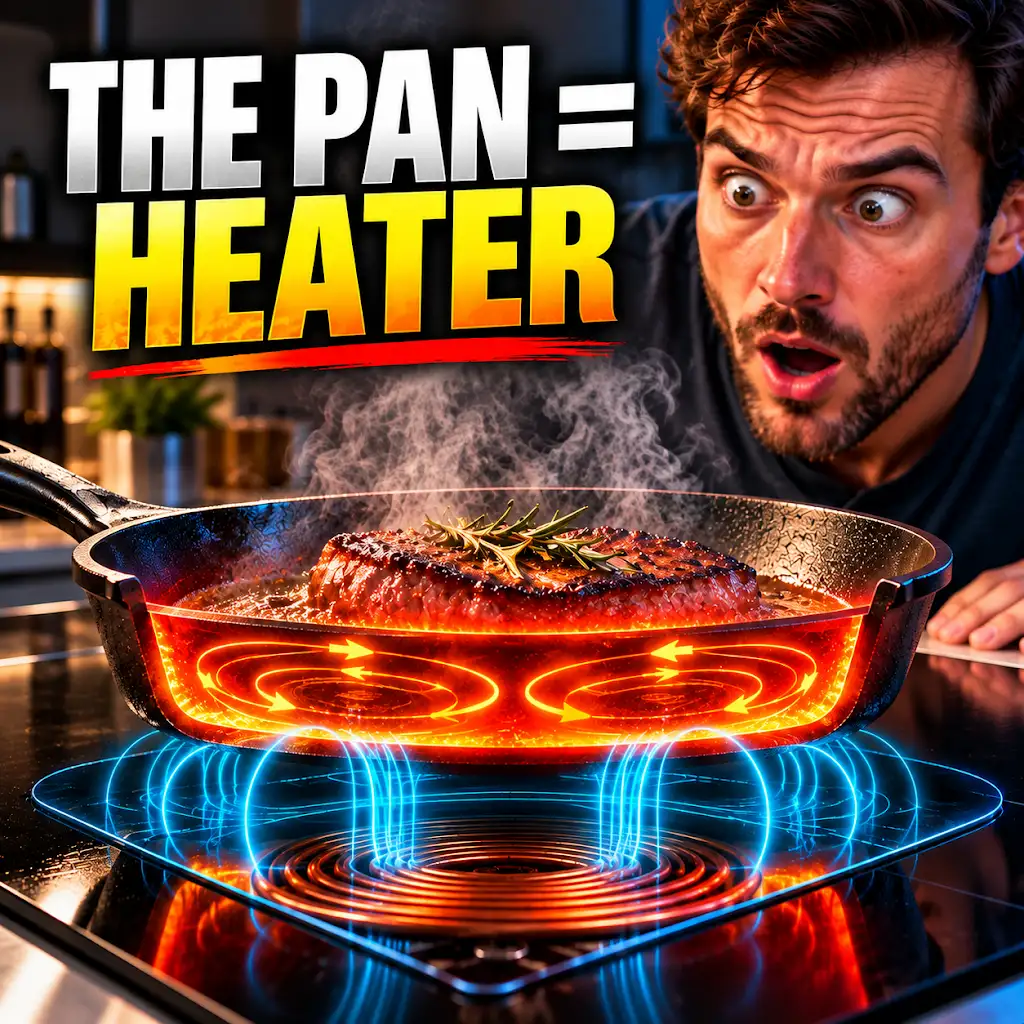
The Pan Is the Heater: How Induction Cooking Really Works
FAQs
1. How do induction stoves heat up quickly?
Induction stoves heat up quickly because they use electromagnetic energy to directly heat the cookware, rather than relying on a heating element to transfer heat.
2. Are induction stoves more energy-efficient than traditional stoves?
Yes, induction stoves are more energy-efficient than traditional stoves because they heat up quickly and only transfer heat to the cookware, resulting in less heat loss.
3. Do induction stoves heat up evenly?
Yes, induction stoves heat up evenly because the electromagnetic energy creates a consistent and uniform heat distribution across the bottom of the cookware.
4. Are there any safety concerns with induction stoves heating up quickly?
While induction stoves heat up quickly, they are designed with safety features such as automatic shut-off functions and cool-to-the-touch surfaces to prevent accidents and burns.
5. Can any type of cookware be used on an induction stove?
Not all cookware can be used on an induction stove. Cookware must be made of ferrous metal, such as cast iron or stainless steel, to be compatible with the electromagnetic energy used by induction stoves.