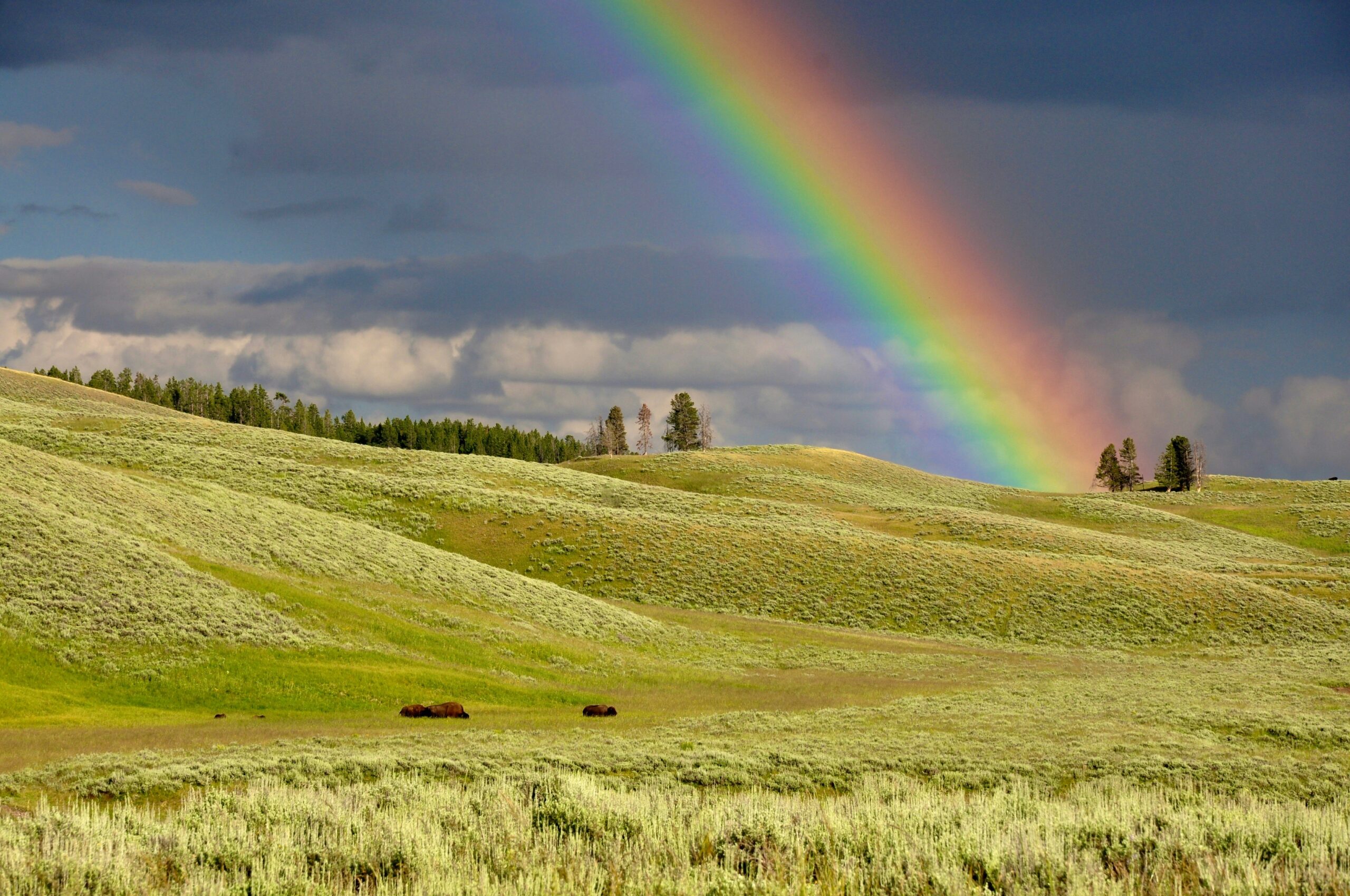
You’ve seen them, haven’t you? Those magnificent arcs of vibrant color painted across the sky, a breathtaking spectacle that can stop you in your tracks. Rainbows. They’re more than just a pretty sight; they are a dazzling testament to the ingenious ways nature orchestrates its most vibrant displays. When you witness a rainbow, you’re not just looking at light; you’re experiencing a fundamental principle of physics, a beautiful dance between sunlight and water. This article will guide you through the mesmerizing world of rainbows, revealing the secrets behind their creation and the awe they inspire.
The magic of a rainbow begins with something you encounter every day: sunlight. While it appears white to your eyes, sunlight is actually a composite of all the colors of the visible spectrum. Think of it like a perfectly blended paint, where each hue is present but indistinguishable on its own. It’s the interaction of this white light with water droplets that unlocks its hidden colors, transforming a commonplace phenomenon into an extraordinary visual event.
Deconstructing White Light: The Prism Effect
To understand how sunlight breaks down into its constituent colors, you can perform a simple experiment (or recall one you’ve seen). Imagine holding a prism up to the light. As the sunlight enters the prism, it bends, or refracts. But here’s the crucial part: each color within the white light bends at a slightly different angle. Violet light, with its shorter wavelength, bends the most, while red light, with its longer wavelength, bends the least. This differential bending, known as dispersion, is what separates the colors. The white light is effectively unraveled, revealing the familiar order of the spectrum: red, orange, yellow, green, blue, indigo, and violet (often remembered by the acronym ROYGBIV).
The Role of Wavelengths
Every color of light is a wave, and these waves have different lengths. Violet light has the shortest wavelength, and red light has the longest. When light passes from one medium to another (like from air to water), it changes speed, and this change in speed causes it to bend. Because each color has a different wavelength, they interact with the water droplet slightly differently, leading to them bending at distinct angles. This seemingly small difference in bending angle is the key to separating the colors and creating the visual band you perceive as a rainbow.
Refraction: The Bending of Light
Refraction is the bending of a wave as it passes from one medium to another in which its speed is different. In the case of a rainbow, sunlight travels from the less dense medium of air into the denser medium of water droplets. As the light enters the droplet, it slows down and bends. This initial refraction is the first step in breaking down the white light. You can observe refraction in everyday life – when you see a straw in a glass of water appearing bent at the waterline, that’s refraction at play.
The Water Droplet: Nature’s Tiny Prism
The most common cause of rainbows is rain. Each individual raindrop acts like a tiny, spherical prism. When sunlight strikes a raindrop, it enters the droplet, refracts, and then travels to the back of the droplet. Here, it encounters the inner surface.
Reflection: Bouncing Back the Light
Instead of passing straight through the back of the droplet, a significant portion of the light is reflected internally. Think of it like a mirror; the light bounces off the inner surface of the water. This internal reflection is essential for sending the light back towards your eyes. Without this bounce, the light would simply pass through the droplet and out the other side, and you wouldn’t see a rainbow.
Total Internal Reflection (and why it’s not always total)
While some light does undergo total internal reflection (where it’s completely reflected back), it’s important to note that not all of it does. Some light will still pass out of the back of the droplet. However, the light that is reflected internally is what contributes to the visible rainbow. The phenomenon of total internal reflection occurs when light strikes the boundary between two media at an angle steeper than the critical angle. In the context of a raindrop, this internal reflection is a crucial step in redirecting the dispersed light back towards the observer.
The Secondary Refraction
After reflecting off the back of the droplet, the light then travels back towards the front surface. As it exits the water droplet and re-enters the air, it refracts again. This second refraction further separates the colors, making the spectrum of a rainbow even more pronounced. It’s this double act of refraction, combined with the internal reflection, that produces the vibrant and distinct bands of color we associate with a rainbow.
Rainbows are a fascinating natural phenomenon that beautifully illustrate the science of light and color. When sunlight passes through raindrops in the atmosphere, it refracts, reflects, and disperses, creating the vibrant spectrum we see in a rainbow. For a deeper understanding of how rainbows create color and the science behind this captivating display, you can read more in this related article on Freaky Science. Check it out here: Freaky Science.
The Perfect Conditions: When and Where to Witness a Rainbow
Seeing a rainbow isn’t an everyday occurrence, though the ingredients are always present in the atmosphere. Specific conditions need to align perfectly for you to be graced with this celestial display. It’s about the angle of the sun and the presence of water in the air, creating the perfect stage for nature’s light show.
Sunlight and Rain: The Essential Duo
The most fundamental requirement for a rainbow is the presence of both sunlight and water droplets in the atmosphere. This usually means rain is falling, or there’s mist or fog present. However, it’s not just about the rain; it’s about the timing of the sunlight relative to the water.
Sunshine Behind You
For you to see a rainbow, the sun must be behind you. Imagine the path of light: sunlight comes from the sun, strikes the raindrops in front of you, and then reflects back towards your eyes. If the sun were in front of you, its direct glare would overwhelm any faint light from the rainbow. This is why rainbows are often seen in the morning or late afternoon when the sun is lower in the sky and shining from behind you.
Raindrops in Front of You
Simultaneously, the water droplets (rain, mist, or spray) need to be in front of you. The light refracts and reflects within these droplets, and then travels to your eyes. So, the ideal scenario is the sun at your back, illuminating a curtain of raindrops ahead.
The Angle Matters: The 42-Degree Rule
Rainbows aren’t just random splashes of color; they appear at a very specific angle relative to the observer and the sun. This angle is approximately 42 degrees. Every raindrop that contributes to the rainbow does so at this angle.
The Observer’s Perspective
The 42-degree angle is measured from the antisolar point – the point directly opposite the sun in the sky. For every observer, their rainbow will be centered on their unique antisolar point. This is why no two people can see the exact same rainbow; the geometry of light and your position are unique.
Why You Can’t Reach the End of a Rainbow
Because the rainbow is an optical phenomenon dependent on your perspective, you can never reach its end. As you move towards where the rainbow appears to be, the geometry shifts, and the rainbow effectively moves with you, always maintaining that 42-degree angle from your personal antisolar point.
Beyond the Primary Bow: Exploring Variations of Rainbows

While the classic, vibrant arc is what most people envision when they hear the word “rainbow,” nature offers a fascinating array of variations. These secondary rainbows, fogbows, and more are just as magical, showcasing the diverse ways light and water can interact.
The Double Rainbow: A Fainter, Reversed Companion
Often, when you see a rainbow, you might also notice a second, fainter arc above the primary one. This is known as a secondary rainbow. The colors in a secondary rainbow are reversed compared to the primary bow, with violet on the outside and red on the inside.
The Double Reflection
The secondary rainbow is formed by light that undergoes two internal reflections within the raindrop, rather than just one. This extra reflection causes the light to exit the raindrop at a higher angle, approximately 51 degrees from the antisolar point, and also reverses the order of the colors.
The Diminishing Brightness
Each internal reflection means that more light is lost from the beam. This is why the secondary rainbow is always fainter than the primary one. The more reflections, the dimmer the light becomes.
The Fogbow: A Ghostly Whisper of Color
When sunlight interacts with much smaller water droplets, such as those found in fog or mist, a different kind of rainbow can form – the fogbow. These are typically much wider and fainter than typical rainbows, often appearing as a whitish or grayish arc.
The Size of Droplets
The size of the water droplets plays a crucial role. In fog, the droplets are significantly smaller than raindrops. This smaller size leads to a phenomenon called diffraction, which further scatters the light and blurs the distinct colors, making the fogbow appear more diffuse.
The Illusion of Whiteness
While the colors are still present, the very small droplets and the phenomenon of diffraction cause them to overlap so much that the fogbow appears mostly white to the naked eye. However, if you look closely, you might be able to discern faint bands of color, particularly red on the outer edge and blue on the inner.
Moonbows: The Nighttime Rainbow
Perhaps the most ethereal of rainbow variations is the moonbow, also known as a lunar rainbow. These are formed by moonlight instead of sunlight, and are significantly rarer and much fainter due to the lower intensity of moonlight.
Moonlight’s Faint Glow
Moonlight is simply reflected sunlight, and it carries far less light energy than direct sunlight. For a moonbow to be visible, the moon needs to be very bright, such as during a full moon, and the sky needs to be very dark.
The Observer’s Adaptability
Your eyes also play a role. Your cone cells, which are responsible for color vision, are less sensitive in low light conditions. This is why moonbows often appear white to the casual observer, even though they are composed of the same spectrum of colors as a sunbow. However, with patient observation and dark-adapted eyes, you might be able to discern faint colors.
The Symbolism and Significance of Rainbows Throughout History

Rainbows have captivated human imagination for millennia, weaving themselves into mythology, religion, and folklore across diverse cultures. Their fleeting beauty and vibrant display have led to them being imbued with profound meaning, often representing hope, promise, and connection.
Rainbows in Mythology and Religion
Across the globe, ancient stories and religious texts feature the rainbow as a celestial messenger or a divine symbol.
The Abrahamic Covenant
In the Abrahamic traditions (Judaism, Christianity, and Islam), the rainbow is most famously associated with the story of Noah’s Ark. After the great flood, God established a covenant with Noah and all living creatures, promising never again to destroy the earth with a flood. The rainbow was set in the clouds as a sign of this covenant – a beautiful and enduring symbol of divine promise and protection.
Norse Mythology: Bifröst
In Norse mythology, the rainbow is known as Bifröst, a burning bridge that connects Midgard (the realm of humans) to Asgard (the realm of the gods). It is guarded by the god Heimdallr, who blows his horn to warn of the approach of giants. Bifröst represents the connection between the earthly and the divine, a pathway for heroes and gods.
Other Cultural Interpretations
Many other cultures have their own interpretations. In ancient Greek mythology, Iris was the goddess of the rainbow and a messenger of the gods, traversing the sky on her multicolored path. In some indigenous American cultures, rainbows are seen as bridges to the spirit world or as symbols of good fortune.
Rainbows as Symbols of Hope and Promise
The inherent nature of a rainbow – appearing after a storm, a sign that the darkness has passed – lends itself naturally to symbolizing hope and the promise of better things to come.
A Sign of Calm After the Storm
The visual transition from a stormy, gray sky to a vibrant rainbow is a powerful metaphor for overcoming adversity. It suggests that even after difficult times, beauty and peace can emerge. This is why rainbows are often invoked as symbols of optimism and resilience.
The Promise of Renewal
For many, a rainbow signifies renewal and a fresh start. The colorful arc stretching across the sky can feel like a fresh canvas, a reminder that life continues and that new beginnings are always possible.
Rainbows are a fascinating natural phenomenon that beautifully illustrate how light can create a spectrum of colors. When sunlight passes through raindrops, it refracts, reflects, and disperses, resulting in the vibrant arcs we see in the sky. For those interested in exploring the science behind this colorful display further, you can read more about it in this insightful article on how rainbows create color. Understanding the principles of light and refraction not only enhances our appreciation of rainbows but also deepens our knowledge of the natural world.
Capturing the Magic: Photography and Artistic Representations of Rainbows
| Aspect | Explanation |
|---|---|
| Light Refraction | When sunlight enters a raindrop, it is refracted and dispersed into its component colors. |
| Internal Reflection | The dispersed light is then internally reflected off the inside surface of the raindrop, causing further separation of colors. |
| Multiple Reflections | The light undergoes multiple reflections inside the raindrop, intensifying the separation of colors. |
| Emergence | The separated colors emerge from the raindrop at different angles, creating the arc of a rainbow. |
| Color Sequence | The colors appear in the sequence of red, orange, yellow, green, blue, indigo, and violet due to their different wavelengths. |
The ephemeral beauty of rainbows has long inspired artists and photographers to capture their fleeting glory. The challenge lies in immortalizing a phenomenon that is constantly shifting and dependent on the precise alignment of light and water.
The Photographer’s Quest
Capturing a truly stunning rainbow photograph requires patience, the right equipment, and a keen understanding of the conditions.
Anticipating the Light
Experienced landscape photographers know to keep an eye on the weather. When a storm breaks and the sun begins to peek through, they’re often already in position, anticipating where a rainbow might form.
Essential Gear: Lenses and Filters
Wide-angle lenses are often favored to capture the full sweep of the arc. Polarizing filters can be particularly useful, as they can help to deepen the colors of the sky and make the rainbow’s hues stand out more dramatically by reducing glare from water droplets. However, overdoing it with a polarizing filter can sometimes diminish the rainbow’s brightness, so it’s a balance to strike.
Timing and Composition
The best rainbow photos are often taken when the light is dramatic. The sun low on the horizon, casting long shadows, can create a more dynamic scene. Composition is also key; incorporating foreground elements like trees, mountains, or even people can add depth and context to the rainbow’s majestic presence.
Artistic Interpretations Through the Ages
Long before the advent of photography, artists sought to depict the wonder of rainbows.
Paintings and Illustrations
From Renaissance paintings to modern illustrations, artists have interpreted rainbows in various ways. Some aim for scientific accuracy, while others use them as symbolic elements to convey emotion or narrative. The challenge has always been to translate the shimmering, layered colors of a real rainbow onto a flat surface.
The Use of Color Theory
Artists employ color theory to recreate the spectrum, understanding how different hues interact and blend. The layered effect of the rainbow provides a natural gradient that artists can emulate using various painting techniques, from delicate washes to bold strokes.
The Rainbow in Popular Culture and Everyday Life
Beyond its scientific and symbolic significance, the rainbow has permeated our culture, becoming a ubiquitous symbol in various forms of media and everyday objects.
Rainbows in Branding and Design
The vibrant and universally positive connotations of rainbows make them a popular choice for branding and design.
Conveying Positivity and Inclusivity
Companies and organizations often use rainbow imagery to project feelings of joy, optimism, and inclusivity. This is particularly evident in the LGBTQ+ pride movement, where the rainbow flag is a powerful symbol of diversity and acceptance.
From Logos to Products
You see rainbows everywhere – on children’s toys, clothing, stationery, and in advertising. They instantly evoke a sense of cheerfulness and playfulness, making them a versatile and enduring design element.
The Rainbow as a Metaphor
The rainbow’s metaphorical weight extends beyond just hope and promise.
A Symbol of Diversity and Unity
The distinct yet harmonious colors of a rainbow represent the beauty that can arise from differences coming together. This makes it a potent symbol of diversity and the unity that can be achieved when individuals and groups embrace their unique qualities.
The Journey of Self-Discovery
For some, the journey to understanding and accepting oneself can be likened to finding a rainbow. It’s a process of exploring different facets of identity, much like sunlight exploring the spectrum within a raindrop, ultimately leading to a vibrant and authentic self.
When you next witness a rainbow, take a moment to appreciate the intricate interplay of science, nature, and perspective that brought it into being. It’s a reminder of the extraordinary beauty that exists in our world, often just waiting for the right conditions to reveal itself in a spectacular arc of color. You are a part of this spectacle, a vital element in the geometry of its appearance. And that, in itself, is a little bit magical.

Why Your Brain Had to Invent Magenta
FAQs
What causes rainbows to create color?
Rainbows are created when sunlight is refracted, or bent, as it enters a raindrop, and then reflected inside the drop before being refracted again as it exits the drop. This process separates the sunlight into its component colors, creating the spectrum of colors we see in a rainbow.
Why do rainbows appear as a semi-circle in the sky?
Rainbows appear as a semi-circle in the sky because they are actually full circles, but the ground obstructs the bottom half. When viewed from an airplane or a high vantage point, a full circle rainbow can be seen.
What are the colors of a rainbow and why do they appear in that order?
The colors of a rainbow, in order from the outer edge to the inner edge, are red, orange, yellow, green, blue, indigo, and violet. This sequence is due to the different wavelengths of light being refracted at different angles, with red light having the longest wavelength and violet light having the shortest.
Can rainbows appear at any time of day?
Rainbows can appear at any time of day, as long as there are raindrops in the air and the sun is shining. However, they are most commonly seen in the late afternoon or early evening when the sun is lower in the sky.
Are double rainbows rare?
Double rainbows are not as common as single rainbows, but they are not extremely rare either. Double rainbows occur when light is reflected twice inside a raindrop, creating a secondary, fainter rainbow outside the primary one.