The Purple Glow: What’s Really Going On with Those Streetlights?
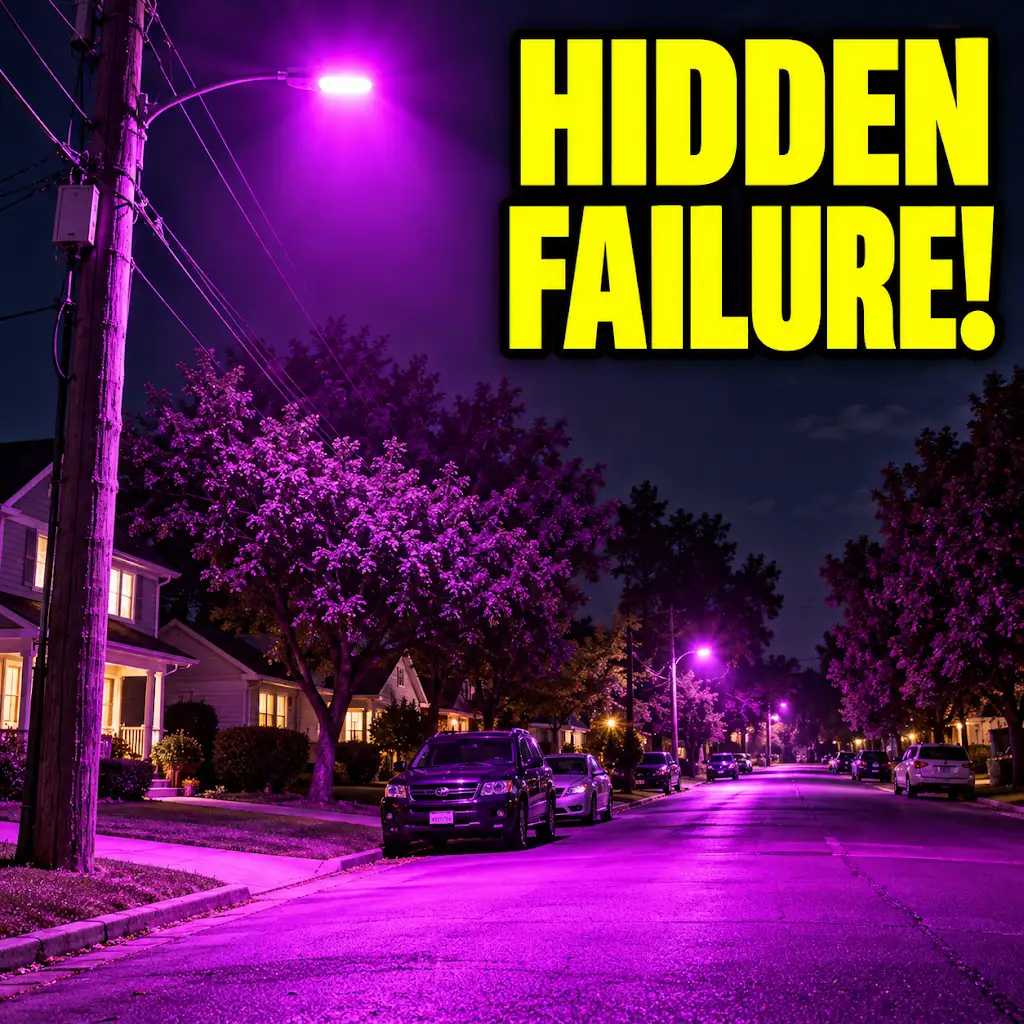
You’ve probably seen them, or at least heard about them – those curious purple streetlights popping up in some neighborhoods. They’ve definitely sparked some chatter, and for good reason. The immediate question on everyone’s mind is: what are they, and are they actually helping with safety, or just creating a weird vibe? Turns out, it’s not as simple as a new coat of paint. These purple lights are generally a response to a specific technical issue, and their impact on safety is a subject of ongoing discussion and varying experiences.
In recent discussions about urban lighting, the phenomenon of purple streetlights in various neighborhoods has raised concerns among residents regarding their impact on safety and community aesthetics. A related article that delves into the implications of this lighting trend can be found at Freaky Science, where experts analyze the potential effects of different colored streetlights on crime rates and public perception.
Decoding the Purple Hue: The Technical Roots
The appearance of purple streetlights isn’t usually a deliberate aesthetic choice or a new crime-fighting initiative. Instead, it’s often a tell-tale sign of a malfunction in the LED lighting systems used by many municipalities. Understanding this technical basis is key to understanding the debate.
The Aging LED Problem
Modern streetlights are overwhelmingly LEDs (Light Emitting Diodes). These are fantastic for energy efficiency and longevity, but like all technology, they aren’t immortal. One of the main components within an LED fixture is a phosphor coating. This coating is what allows the LED, which initially emits a blue light, to be converted into a whiter, more natural-looking light that we’re accustomed to seeing.
Phosphor Degradation: The Culprit
Over time, and with constant exposure to heat and light, this phosphor coating can degrade. When it breaks down, it starts to scatter the blue light more than it should, and the remaining light spectrum gets skewed. The result? That distinctive purple or sometimes pinkish hue that begins to dominate the light output. It’s not that the light source itself has changed its color; it’s that the filtering mechanism that was supposed to make it white is no longer functioning correctly.
Beyond Aesthetics: Functional Impairments
While the purple glow is visually striking, the degradation also impacts the light’s functionality. The quality of illumination can be reduced. This means that while the light might still be present, it might not be as bright or as effective at illuminating the street and surrounding areas. This can have downstream effects on visibility and, by extension, perceived safety.
Safety Concerns: Perceptions vs. Reality
The introduction of any change to the urban landscape, especially one that affects lighting, naturally brings safety to the forefront. The purple lights have ignited a range of opinions, often based on personal experiences and pre-existing neighborhood anxieties.
The “More Visible” Argument
Some residents, particularly those who might be more concerned about crime or feel less safe walking at night, often interpret the purple lights as a negative. They might feel that the unusual color makes the area feel more eerie or less welcoming. This can lead to a perception that the area is less safe, even if the actual crime rates haven’t changed. The argument here is that familiar, white light signifies normalcy and safety, whereas a stark departure from that can feel unsettling.
The “Distraction” Hypothesis
Another line of thought suggests that the unusual color of the streetlights could actually be a distraction. Instead of focusing on their surroundings, people might be drawn to the novelty of the purple glow. This could, in theory, make them less aware of potential hazards or individuals in the vicinity. It’s a subtle psychological point, but one that many residents have raised in discussions.
The “Visibility Reduction” Counterpoint
On the other hand, and perhaps more grounded in the technical reality, is the concern that the degraded phosphor actually reduces the effective illumination. If the light isn’t as bright or doesn’t render colors accurately, it can make it harder to see obstacles, identify people, or notice anything out of the ordinary. This isn’t about the color itself being scary, but about the light being less useful for its primary purpose. For instance, if a hazard is present, the reduced visibility might mean it’s spotted later, or not at all.
Crime Statistics: The Elusive Link
It’s crucial to note that there’s generally no direct, causal link established between purple streetlights and an increase in crime. Crime is a complex issue influenced by a multitude of socioeconomic factors, policing strategies, and community engagement. While some residents might feel less safe, this is often a subjective perception rather than a statistically supported outcome. Most reports of purple lights are anecdotal, and official crime data for areas with these lights doesn’t typically show a correlation.
The City’s Response: From Repair to Replacement
When purple streetlights start appearing, it’s usually a sign that the local authorities are aware of the issue. Their response, however, can vary significantly depending on the municipality’s resources, policies, and the scale of the problem.
The Immediate Fix: Bulb Replacement
The most straightforward response is to replace the faulty LED bulbs. This is often done on a case-by-case basis as individual lights are reported or identified as malfunctioning. This is usually the fastest way to restore normal white lighting to an area. However, if the underlying issue is widespread, this can become a very labor-intensive and costly process.
The Bigger Picture: Systemic Upgrades
In many cases, especially if the city has a large inventory of older LED fixtures that are starting to show their age, a more systemic approach is taken. This might involve a phased replacement of entire streetlight units or a broader upgrade program. These are significant infrastructure projects that require planning, budgeting, and often, bidding processes.
The Cost Factor
Replacing streetlights isn’t cheap. The cost of individual bulbs, the labor involved in swapping them out, and the expense of full fixture replacements can add up quickly. Municipalities are often balancing these costs against other pressing needs within the city budget. This can sometimes lead to delays in addressing the purple light issue, particularly in areas where the problem isn’t deemed an immediate emergency.
Communication Challenges
A common point of frustration for residents is a lack of clear communication from their local government. When lights are flickering purple for weeks or months, and there’s no explanation or timeline for repairs, it fuels speculation and anxiety. Better public outreach about what’s happening and what the plan is can go a long way in easing these concerns.
In recent discussions about urban lighting, the issue of purple streetlights has sparked considerable debate among residents in various neighborhoods. Many have expressed concerns over the potential impact these lights may have on safety and ambiance. For a deeper understanding of the implications of such lighting choices, you can read a related article that explores the science behind streetlight colors and their effects on communities. This article provides valuable insights into how different hues can influence not only visibility but also the overall atmosphere of a neighborhood. To learn more, visit this article.
Community Voices: Anecdotes and Apprehensions
| Metric | Value | Description |
|---|---|---|
| Number of Purple Streetlights Installed | 15 | Total purple streetlights installed in the neighborhood |
| Resident Complaints | 27 | Number of complaints received regarding purple streetlights |
| Reported Health Issues | 8 | Residents reporting headaches or eye strain linked to purple lighting |
| Crime Rate Change | -5% | Percentage decrease in crime rate after purple streetlight installation |
| Energy Consumption | 12 kWh/day | Average daily energy usage of purple streetlights |
| Maintenance Requests | 4 | Number of maintenance issues reported for purple streetlights |
| Community Meeting Attendance | 35 | Number of residents attending meetings about the streetlight issue |
The conversations happening on neighborhood forums, at local council meetings, and over fences are where the real sentiment about the purple streetlights is often found. These are the lived experiences that shape perceptions of safety.
The “Eerie Atmosphere” Reports
Many residents describe the purple glow as creating an “eerie” or “unsettling” atmosphere. This isn’t necessarily tied to a fear of crime, but more to a general sense of discomfort. The familiarity of white light is associated with normalcy, and its absence can make a street feel “off.” This can impact people’s willingness to walk their dogs after dark, let their kids play outside in the early evening, or simply feel relaxed in their own neighborhood.
The “False Sense of Security” Concern
Conversely, some worry that the purple lights might provide a false sense of security. The idea is that if the light is no longer effectively illuminating the surroundings, people might assume everything is fine because there’s some light, without actually being able to see potential dangers. This is a more nuanced concern, suggesting that the visual change can mask underlying visibility issues.
The “Unexplained Phenomenon” Effect
When a change is unexplained, the human mind tends to fill in the blanks. In the absence of official information, theories can range from the mundane (a minor electrical issue) to the more outlandish (secret government experiments). The purple lights, due to their unusual nature, become a focal point for these kinds of unexplained phenomena discussions, further fueling debate and unease.
Calls for Action and Clarification
Across many communities, there’s a strong call for clarity. Residents want to know why the lights are purple, what’s being done about it, and when they can expect normal lighting to be restored. Simple signage or a notice on the city’s website can make a significant difference. The more that the issue is ignored or left to fester without explanation, the more likely it is to become a persistent source of friction and concern.
Looking Ahead: Solutions and Best Practices
The purple streetlight phenomenon, while seemingly minor, highlights broader issues in urban infrastructure management and community engagement. Addressing it effectively involves technical solutions, fiscal responsibility, and open communication.
Proactive Maintenance and Monitoring
The most effective way to prevent widespread purple lights is through proactive maintenance and monitoring of LED lighting systems. This includes regular inspections of older fixtures and implementing a scheduled replacement program for bulbs and components that are nearing the end of their expected lifespan, rather than waiting for them to fail completely.
Standardized Communication Protocols
Municipalities should establish clear communication protocols for dealing with common infrastructure issues like faulty streetlights. This includes having readily available information on their websites, a streamlined system for residents to report problems, and regular updates on repair timelines. When residents feel heard and informed, their anxieties are significantly reduced.
Investing in Quality Infrastructure
While cost is always a factor, investing in higher-quality LED fixtures from reputable manufacturers can reduce the frequency of these types of failures. Understanding the warranty periods and expected lifespans of different components is crucial when making procurement decisions for public lighting.
Community Engagement Workshops
Consider holding small, informal workshops or information sessions for residents to explain common infrastructure issues, like why streetlights might malfunction. This can demystify the technology and build trust between the municipality and the community. Seeing the “behind-the-scenes” of how the city operates can foster greater understanding and patience.
The Long-Term Vision for Public Lighting
Ultimately, the purple light debate is a symptom of a larger conversation about the role of public lighting. It’s not just about illumination; it’s about creating safe, comfortable, and welcoming public spaces. As technology evolves, so too must our approach to managing and maintaining these essential services, ensuring that they serve the community effectively and without unnecessary confusion or concern.
Why The Streetlights Are Turning Purple
FAQs
What is the issue with purple streetlights in the neighborhood?
The issue with purple streetlights in the neighborhood is that they are causing discomfort and disturbance to residents due to the unusual color and brightness, impacting their quality of life.
Why were purple streetlights installed in the neighborhood?
The purple streetlights were installed in the neighborhood as part of a pilot project to test energy-efficient LED lighting options and their impact on visibility and safety in the area.
Have residents voiced their concerns about the purple streetlights?
Yes, many residents have voiced their concerns about the purple streetlights, citing issues such as sleep disturbances, light pollution, and negative effects on the aesthetics of the neighborhood.
Is there a plan to address the purple streetlight issue?
Local authorities are currently reviewing feedback from residents and considering options to address the purple streetlight issue, which may include adjusting the color, brightness, or positioning of the lights.
How can residents provide feedback on the purple streetlight problem?
Residents can provide feedback on the purple streetlight problem by contacting their local city council, attending community meetings, or participating in surveys or petitions organized by neighborhood associations.