
So, you’ve seen them – those streetlights casting an unusual purple glow. It’s a bit of a head-scratcher, isn’t it? The short answer is that the purple hue isn’t intentional. It’s a side effect of aging LED streetlights, specifically a chemical reaction involving the phosphor coating inside the bulb. Think of it as the streetlight hitting a certain age and starting to show its “true colors,” though not quite in the way you might expect.
The Curious Case of the Aging LED
Streetlights are constantly evolving, and LEDs (Light Emitting Diodes) have become the go-to for their efficiency and longevity. Unlike older incandescent or fluorescent bulbs, LEDs don’t have a filament that burns out. Instead, they rely on semiconductors to produce light. To get that bright, white light we’re accustomed to, manufacturers use a phosphor coating. This coating is like a tiny paint job on the LED chip that converts the blue light emitted by the semiconductor into a broader spectrum, which our eyes perceive as white.
How the Color Shift Happens
The magic (or in this case, the mystery) lies in that phosphor coating. Over time, exposure to heat and ultraviolet (UV) light, which is a byproduct of the LED’s operation, can degrade this coating. Specifically, the blue phosphors are often the first to break down. When the blue phosphors wear out, the underlying blue light from the semiconductor starts to become more prominent. If the other phosphors (often yellow or green) are still functioning, the combination of blue light with the remaining yellow and green light can result in a purplish or sometimes even a greenish-blue appearance. It’s not a failure of the LED itself in terms of its ability to produce light, but rather a change in the quality of that light.
Not a Sign of Imminent Failure
It’s worth noting that a purple streetlight isn’t necessarily about to go dark. LEDs are designed to last for tens of thousands of hours, and the color shift is often a gradual process. While the light quality changes, the illumination might still be sufficient for its intended purpose. However, the altered spectrum can have some unintended consequences, which we’ll get to. It’s more of an aesthetic issue and a potential indicator of reduced efficiency than a critical malfunction.
If you’re curious about the intriguing phenomenon of purple streetlights and the science behind their unique color, you might find the article on Freaky Science enlightening. It delves into the reasons behind the shift to purple lighting in some urban areas and explores the potential effects on both human health and the environment. For more detailed insights, you can read the article here: Freaky Science.
The Science Behind the Phosphor Coating
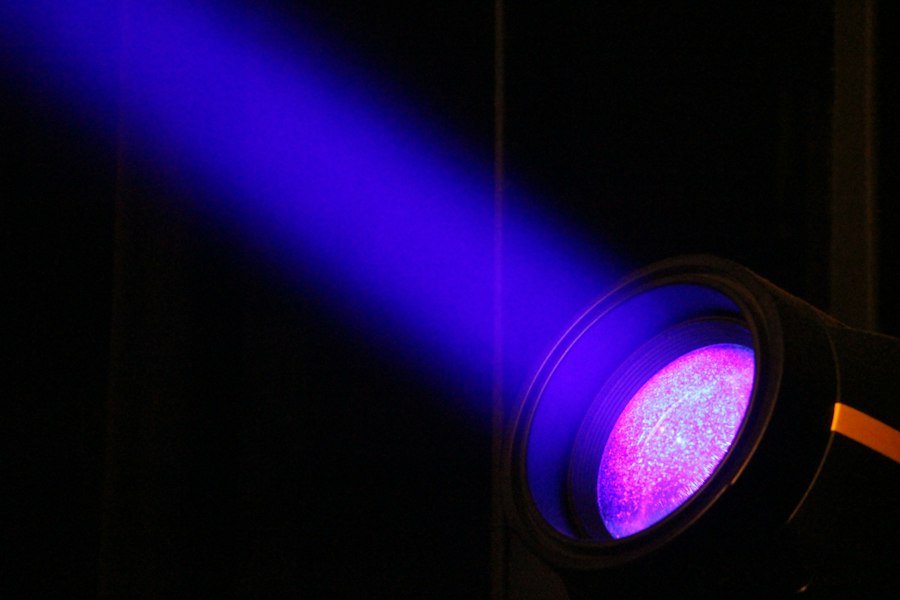
To truly understand why streetlights turn purple, we need to dive a little deeper into how LEDs work. The fundamental component is a semiconductor diode. When an electric current passes through it, it emits light. For white light LEDs, this emitted light is typically in the blue spectrum. This is where the phosphor coating comes into play.
The Role of Phosphors
Phosphors are chemical compounds that have the property of emitting light when excited by another form of energy, such as UV radiation or electrons. In the case of white LEDs, the blue light generated by the semiconductor excites the phosphors, causing them to re-emit light at longer wavelengths. By carefully selecting and combining different phosphors (like yttrium aluminum garnet – YAG – which is often yellow), manufacturers can create a broad spectrum of light that appears white to the human eye. The exact blend and concentration of these phosphors determine the “color temperature” of the white light, ranging from warm yellowish-white to cool bluish-white.
Degradation Pathways of Phosphors
The degradation of phosphors in LEDs is a complex process influenced by several factors. Heat is a major culprit. The constant operation of an LED generates heat, and prolonged exposure to elevated temperatures can accelerate the chemical breakdown of the phosphor materials. Ultraviolet (UV) radiation, even though it’s a byproduct of the blue light emission, can also contribute to the degradation over time. Think of it like how prolonged exposure to sunlight can fade paint. The phosphor particles themselves can undergo photochemical reactions, leading to changes in their luminescent properties. The encapsulation material surrounding the phosphor can also play a role, as its breakdown can expose the phosphors to the elements more readily.
Why Purple and Not Another Color?
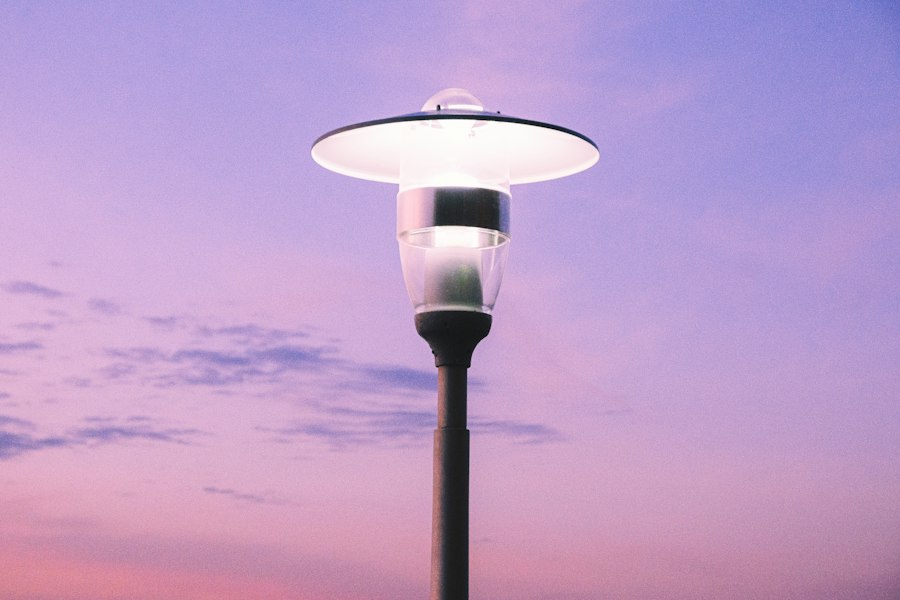
The specific color shift to purple (or violet) isn’t random. It’s a direct consequence of which phosphors are degrading fastest. As mentioned earlier, the blue phosphors are often the ones that are most susceptible to breakdown. When the blue light emission from the semiconductor is no longer sufficiently balanced by the blue light re-emitted by the phosphor, the remaining wavelengths of light, particularly the yellow and green, start to dominate in combination with the unmitigated blue. This creates that characteristic purple or bluish-violet hue.
The Blue Light Dominance
Imagine you have a recipe for white paint that uses a lot of blue, some yellow, and a touch of green. If the blue pigment starts to fade, you’re left with a paint that’s more yellow and green, but the underlying blue is still there, just less pronounced. In the case of LEDs, the blue light is generated by the semiconductor itself. The phosphor coating is meant to “convert” or “tint” that blue light into white. When the blue-converting phosphors degrade, the original blue light from the semiconductor becomes more prominent, and when combined with the remaining yellow and green light from the still-functioning phosphors, the result is a perceived purple.
Variations in Color Shift
It’s important to understand that not all LEDs will turn purple, and the exact shade can vary. The specific chemistry of the phosphors used by different manufacturers, the design of the LED package, and the operating conditions can all influence the degradation process. Some LEDs might turn more of a magenta, others a deep violet, and some might simply dim or turn a more pronounced blue without ever reaching a truly purple stage. The key takeaway is that the purple is a symptom of a change in the spectral output due to phosphor degradation, with blue light becoming disproportionately dominant.
The Impact of Purple Light
While it might just seem like an odd color choice for a streetlight, the shift to purple can have subtle but real impacts. It’s not just about aesthetics; it can affect how we perceive our surroundings and potentially even wildlife.
Visual Perception and Safety
Our eyes are accustomed to seeing the world under white light. When streetlights emit a purple hue, it can alter the way colors appear. Reds might look more muted or brownish, and blues might appear more vibrant. This can affect our ability to distinguish objects clearly, potentially impacting safety. For example, if a traffic sign has red elements, their appearance under purple light might be less distinct. It can also create a slightly disorienting effect for some people. While the overall illumination level might still be adequate, the quality of the light changes how we interpret the visual information around us.
Effects on Wildlife
The shift in light spectrum can also have unintended consequences for nocturnal wildlife. Many insects are attracted to light, and their visual systems are finely tuned to specific wavelengths. A change from white light to purple light can alter this attraction, potentially disrupting foraging, mating, and migration patterns. Similarly, some animals rely on natural light cycles for their behavior, and a different spectral composition of artificial light could interfere with these biological rhythms. While research is ongoing, there’s a growing understanding of how light pollution, in general, affects ecosystems. The purple hue represents a specific alteration within that broader issue.
The phenomenon of purple streetlights has intrigued many, leading to various discussions about their purpose and the science behind them. For those looking to delve deeper into this topic, an insightful article can be found that explains the science behind these unusual lights and their potential benefits. You can read more about it in this related article, which provides a comprehensive overview of how these lights work and their implications for urban environments.
What’s Being Done About It?
| Aspect | Description | Scientific Explanation | Impact |
|---|---|---|---|
| Color Wavelength | Purple light emitted by streetlights | Typically around 400-450 nm, combining red and blue light wavelengths | Higher energy light, can affect visibility and perception |
| Light Source | LED or specialized bulbs | Use of LEDs that emit specific wavelengths to produce purple hue | Energy efficient and longer lifespan compared to traditional bulbs |
| Purpose | Urban lighting and aesthetic appeal | Designed to reduce light pollution and enhance night-time visibility | May influence human circadian rhythms and wildlife behavior |
| Energy Consumption | Compared to traditional streetlights | Purple LED streetlights consume less power due to efficient technology | Lower energy costs and reduced carbon footprint |
| Effect on Human Health | Exposure to purple streetlight | Blue light component can suppress melatonin production | Potential disruption of sleep patterns if exposure is prolonged |
| Environmental Impact | Effect on nocturnal animals | Light wavelength can interfere with animal navigation and behavior | May cause ecological imbalance if not properly managed |
The purple streetlight phenomenon isn’t something that municipalities are ignoring. As LED technology has advanced, manufacturers have become more aware of the issues related to phosphor degradation. This has led to improvements in both the design of LEDs and the materials used.
Improved LED Design and Materials
Manufacturers are continuously working to develop more robust phosphor formulations and more stable encapsulation materials. This includes using phosphors that are more resistant to heat and UV degradation. Newer generations of LEDs are designed to maintain their color stability for longer periods, reducing the likelihood of premature color shifts. The industry is also exploring alternative methods for generating white light from LEDs that don’t rely as heavily on phosphor conversion, such as combining different colored LED chips (though this can also present its own set of challenges).
Replacement and Maintenance Strategies
When purple streetlights become prevalent in an area, cities and towns often have to decide on a course of action. For a while, it might be a matter of monitoring the situation and tolerating the unusual glow. However, as the color shift becomes more pronounced or if it starts to affect safety or public perception, a replacement program might be initiated. This can involve replacing the aging LED bulbs with newer, more color-stable ones. The timing of these replacements is often driven by budget cycles, the severity of the color shift, and overall streetlight efficiency goals. It’s an ongoing process of technological improvement and infrastructure management.
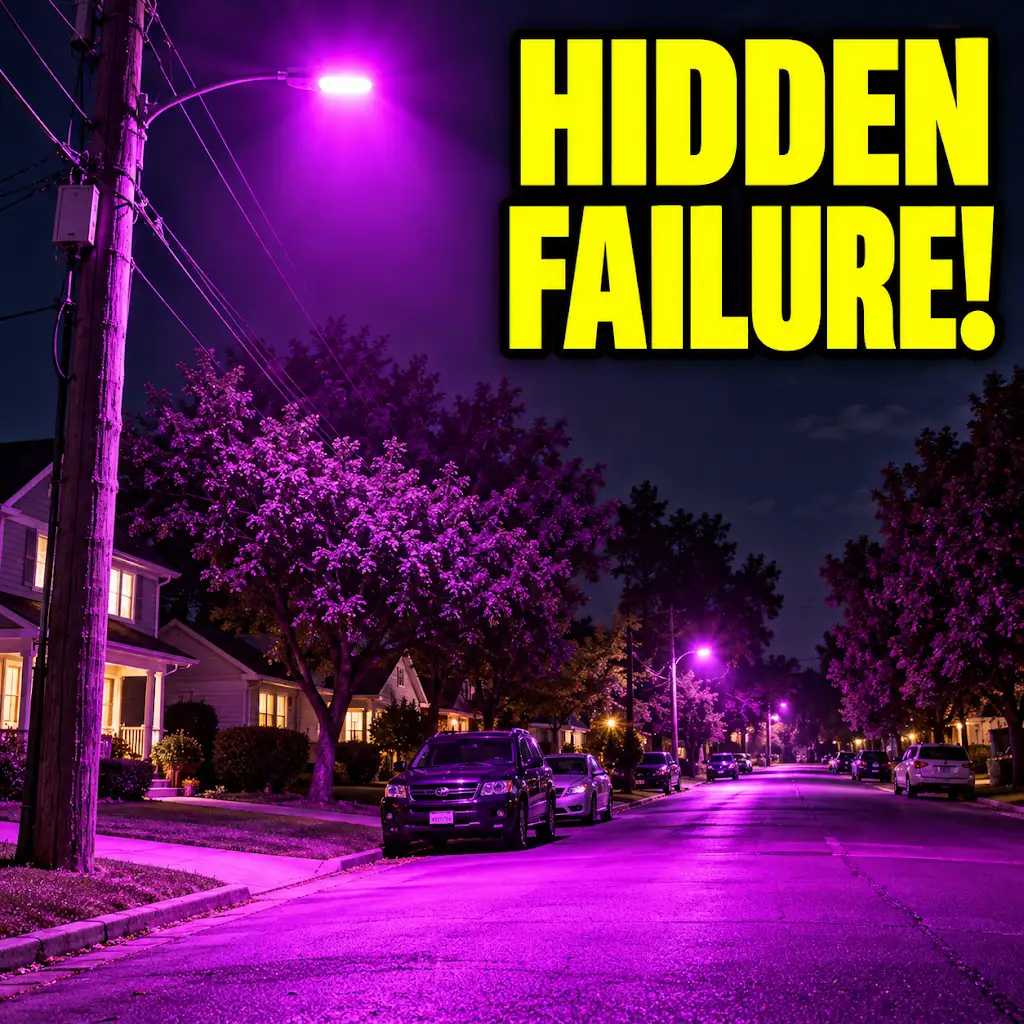
Why The Streetlights Are Turning Purple
FAQs
What is the science behind purple streetlights?
Purple streetlights use LED technology that emits light in the purple spectrum. This light is believed to have less impact on wildlife and human circadian rhythms compared to traditional white or yellow streetlights.
How do purple streetlights affect nocturnal animals?
Purple streetlights are thought to be less disruptive to nocturnal animals because they emit a color of light that is less likely to interfere with their natural behaviors and rhythms. This can help reduce negative impacts on wildlife in urban areas.
Are purple streetlights energy-efficient?
Yes, purple streetlights are typically energy-efficient because they use LED technology, which consumes less energy than traditional streetlights. This can lead to cost savings and reduced energy consumption for municipalities and communities.
Do purple streetlights have any benefits for human health?
Some studies suggest that exposure to purple light at night may have less of an impact on human circadian rhythms compared to white or yellow light. This could potentially lead to improved sleep patterns and overall well-being for individuals living in areas with purple streetlights.
Are there any drawbacks to using purple streetlights?
One potential drawback of purple streetlights is that they may not provide the same level of visibility as traditional white or yellow streetlights, which could affect safety and security in some areas. Additionally, the long-term effects of exposure to purple light on human health are still being studied.