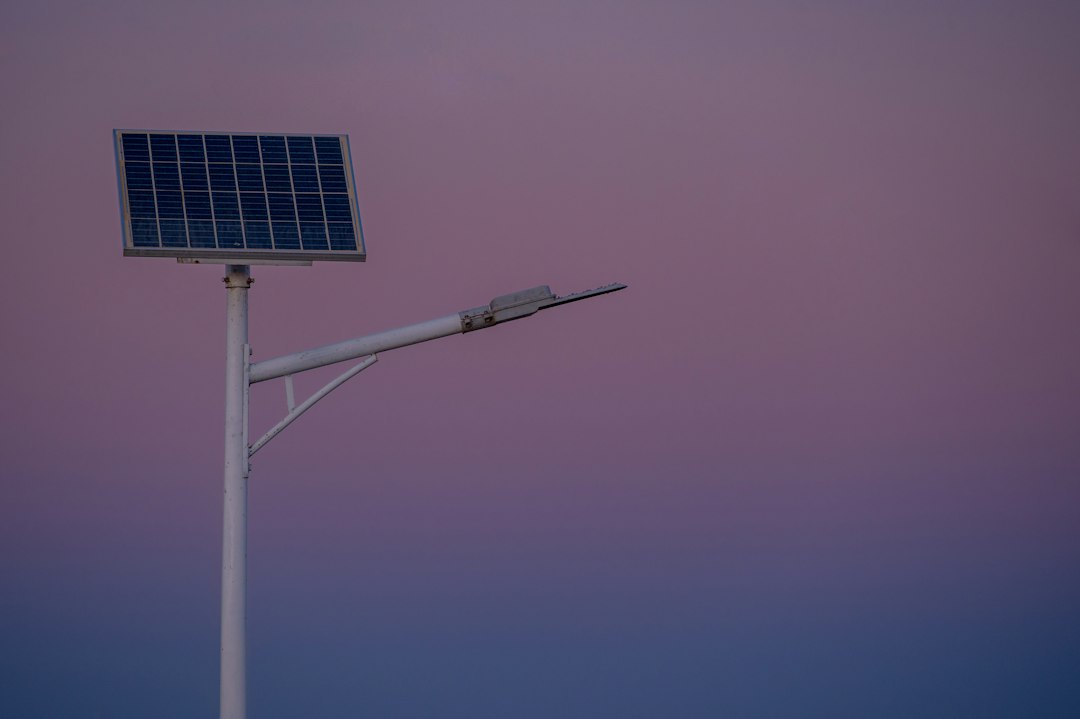
So, you’ve seen them, right? Those streetlights with a strange, purplish hue. It’s one of those little mysteries that pop up in everyday life, and you’re probably wondering what’s up with that. The simple answer is: it’s not a deliberate design choice or some secret government signal. It’s actually a sign that the bulb in that streetlight is nearing the end of its lifespan. Yep, that’s it. It’s a functional indicator, not an aesthetic one. Let’s dive into why this happens and what it really means.
The Science Behind the Purple Glow
The purple color isn’t something that’s intentionally added. It’s a byproduct of how certain types of bulbs, specifically High-Intensity Discharge (HID) lamps, degrade over time. These bulbs are common in many older streetlight systems.
How HID Bulbs Work
Before they turn purple, let’s quickly understand what’s happening inside these lamps. HID lamps, like metal halide or high-pressure sodium lamps, produce light by passing an electric arc through a gas and metal salts. The specific chemicals used determine the color of the light. Metal halide lamps, which are often the culprits behind the purple glow, typically contain a mixture of metal halides. When the arc is struck, these chemicals vaporize and emit light.
The Role of Metal Halides
In metal halide lamps, the light output is a result of the excited metal halide salts. These salts, when heated by the electric arc, release photons across a spectrum of colors. The specific mix of halides (like mercury, sodium, and various metal iodides) is carefully chosen to produce a bright, white light, or a specific color temperature.
The Slow Decay of Phosphors and Gases
Over thousands of hours of operation, the components within the bulb begin to change. The phosphors, which are coatings on the inside of the bulb that help convert the initial UV light into visible light, can degrade. Similarly, the metal halides themselves can undergo chemical changes. This degradation is gradual.
Shifting the Spectrum
As the metal halide salts break down and the phosphors wear out, the balance of light emitted starts to shift. In metal halide lamps, the specific mix of halides often produces a bluer light when new. As the bulb ages, the efficiency of certain elements in producing a balanced white light decreases. Without that balance, the spectrum of emitted light starts to lean more towards the shorter wavelengths, which are in the blue and violet parts of the visible spectrum. The precise chemical reactions and their breakdown pathways lead to this visible shift. It’s not a sudden change, but a slow progression that eventually becomes noticeable as a purplish tint.
The phenomenon of purple streetlights has puzzled many communities, sparking curiosity and concern among residents. For those seeking a deeper understanding of this mystery, a related article titled “The Science Behind Purple Streetlights: What You Need to Know” can be found on Freaky Science. This article delves into the reasons behind the unusual color of these lights and offers insights into their implications for urban lighting. To read more, visit Freaky Science.
Why It’s Usually Metal Halide Lamps
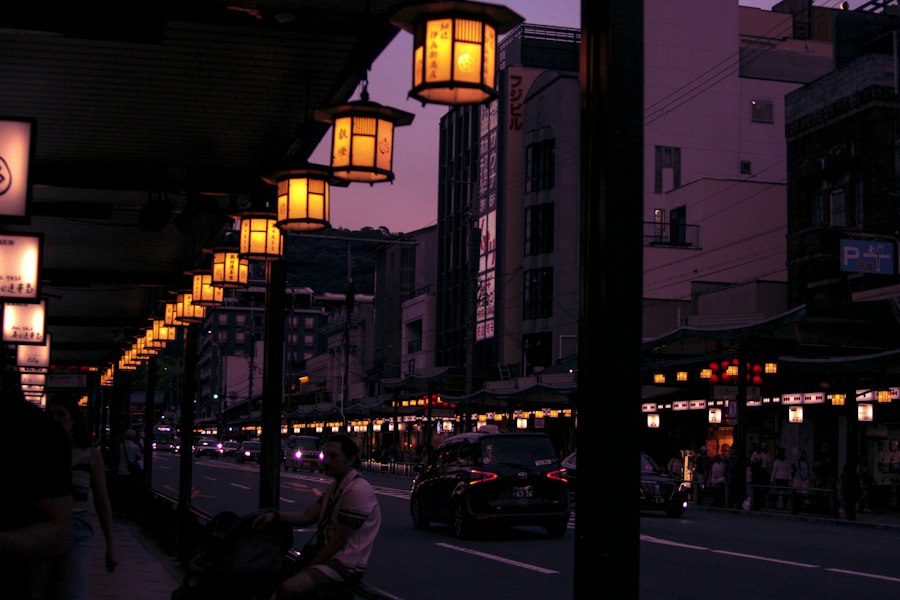
While other types of HID lamps exist, metal halide lamps are particularly prone to this purple hue. High-pressure sodium lamps, for instance, tend to age by becoming more orange or yellow, not purple.
Identifying Metal Halide Streetlights
Metal halide streetlights are often found in areas where a bright, relatively white light is desired. Think of parking lots, commercial areas, or some older residential streets. They were popular for their good color rendering, meaning they made objects look their true colors, which is important for visibility.
The “Warm-Up” Effect
It’s worth noting that even when functioning correctly, metal halide lamps can have a “warm-up” period where their color shifts as they reach full operating temperature. However, the purple hue we’re discussing is a sign of long-term degradation, not just a temporary warm-up phase. This persistent purplish color is a clear indicator of an aging bulb.
Other HID Lamp Colors
To contrast, high-pressure sodium (HPS) lamps, which often emit a distinct yellow-orange light, tend to age by becoming even more orange or yellowish. This is due to the dominance of sodium vapor in the light-emitting process. Their degradation pathways don’t lead to the same spectral shift as metal halides. Other HID types like mercury vapor lamps are largely phased out due to inefficiency and poor color rendering, but they too would have their own aging characteristics.
The Practical Implications of Purple Bulbs
Seeing a purple streetlight isn’t just a visual curiosity; it has practical consequences for lighting efficiency and safety.
Reduced Brightness and Efficiency
As the bulb ages and its light-producing components degrade, its overall brightness diminishes. This means less light is being cast onto the street and sidewalks. For a streetlight’s purpose – to illuminate public spaces for safety and visibility – this is a significant issue. The energy being consumed is not translating into effective illumination.
Substandard Lighting Conditions
Areas lit by aging purple bulbs will be darker than intended. This can create shadows, reduce visibility for drivers, and make pedestrians feel less secure. It’s essentially a failing light fixture, even if it’s still technically “on.”
Increased Energy Waste
While the light output is reduced, the lamp is still drawing power. This means you’re essentially paying for energy that isn’t being used efficiently to provide useful light. Replacing the bulb would not only improve illumination but also potentially reduce energy consumption if the newer bulbs are more efficient models.
Potential for Complete Failure
A purple bulb is on its way out. It’s more prone to flickering, intermittent operation, or complete failure. This means you might have a dark spot entirely, which is even worse for safety.
What Happens When a Bulb Turns Purple
When a streetlight bulb starts to exhibit that purple glow, it signals to the municipality or utility company responsible that it’s time for a change. This is part of their maintenance schedule.
Scheduled Maintenance and Replacement Cycles
Streetlights are part of a city’s infrastructure, and like any infrastructure, they require regular maintenance. Utilities and public works departments have schedules for inspecting and replacing streetlights. The purple hue serves as a visual cue that a particular fixture is nearing the end of its typical operational life and should be prioritized for replacement.
The Replacement Process
Typically, a technician will be dispatched to identify and replace the bulb. This might involve using a bucket truck to access the fixture. The old bulb is removed, and a new one, often a more modern and energy-efficient LED, is installed.
Upgrading to LED Technology
In many cases, when a purple metal halide bulb is replaced, the opportunity is taken to upgrade the entire fixture to LED technology. LEDs are significantly more energy-efficient, last much longer, and offer better light quality and control compared to older HID technologies. This is a common and beneficial upgrade for municipalities.
Reporting Issues
While utilities have their own monitoring systems, sometimes the public can help. If you notice a streetlight that’s purple, flickering, or completely out, most cities have a way to report it, often through their public works or transportation department website or a dedicated hotline. This helps them prioritize repairs.
The recent phenomenon of purple streetlights has sparked curiosity and speculation among residents, leading many to seek answers about their unusual appearance. If you’re intrigued by this mystery and want to delve deeper into the science behind it, you can read a related article that provides a comprehensive explanation of the phenomenon. For more insights, check out this fascinating article that explores the reasons behind the purple glow and its implications for urban lighting.
The Future of Streetlight Illumination
| Aspect | Details |
|---|---|
| Phenomenon | Purple streetlights observed in various urban areas |
| Cause | Malfunctioning LED streetlights with faulty phosphor coating |
| Color Explanation | LEDs emit blue light; defective phosphor fails to convert blue to white, resulting in purple hue |
| Locations Reported | Multiple cities worldwide including New York, London, and Tokyo |
| Duration | Typically lasts from a few hours to several days until repair |
| Public Reaction | Curiosity and social media buzz; some concerns about safety and visibility |
| Resolution | Replacement or repair of faulty LED units by municipal authorities |
The purple streetlight phenomenon is largely a relic of older lighting technologies. As cities continue to upgrade their infrastructure, this particular mystery is becoming less common.
The Rise of LED Streetlights
LED technology has become the dominant choice for new streetlight installations and replacements. LEDs offer a host of advantages that make them superior to older technologies like metal halides. Their longevity, energy efficiency, and controllability are key drivers for this shift.
Advantages of LEDs
LEDs don’t typically degrade into a purple color. Instead, they might dim gradually over a very long lifespan. They offer instant illumination, excellent color rendering, and can be dimmed or controlled remotely, allowing for adaptive lighting that saves energy. The “smart city” initiatives often rely on connected LED streetlights.
Environmental and Cost Benefits
The widespread adoption of LED streetlights leads to significant energy savings for municipalities, which translates into lower operational costs and reduced carbon footprints. The longer lifespan of LEDs also means less frequent replacements, further reducing maintenance costs and waste.
The Fading Purple Mystery
As older metal halide fixtures are phased out and replaced with LEDs, the visual occurrence of purple streetlights will continue to diminish. So, while it’s a common sight in many places today, it’s a sign of technology evolving. The purple hue is essentially a visual marker of older technology reaching its end of useful life, paving the way for more efficient and sustainable lighting solutions. It’s a small, but visible, indicator of progress.
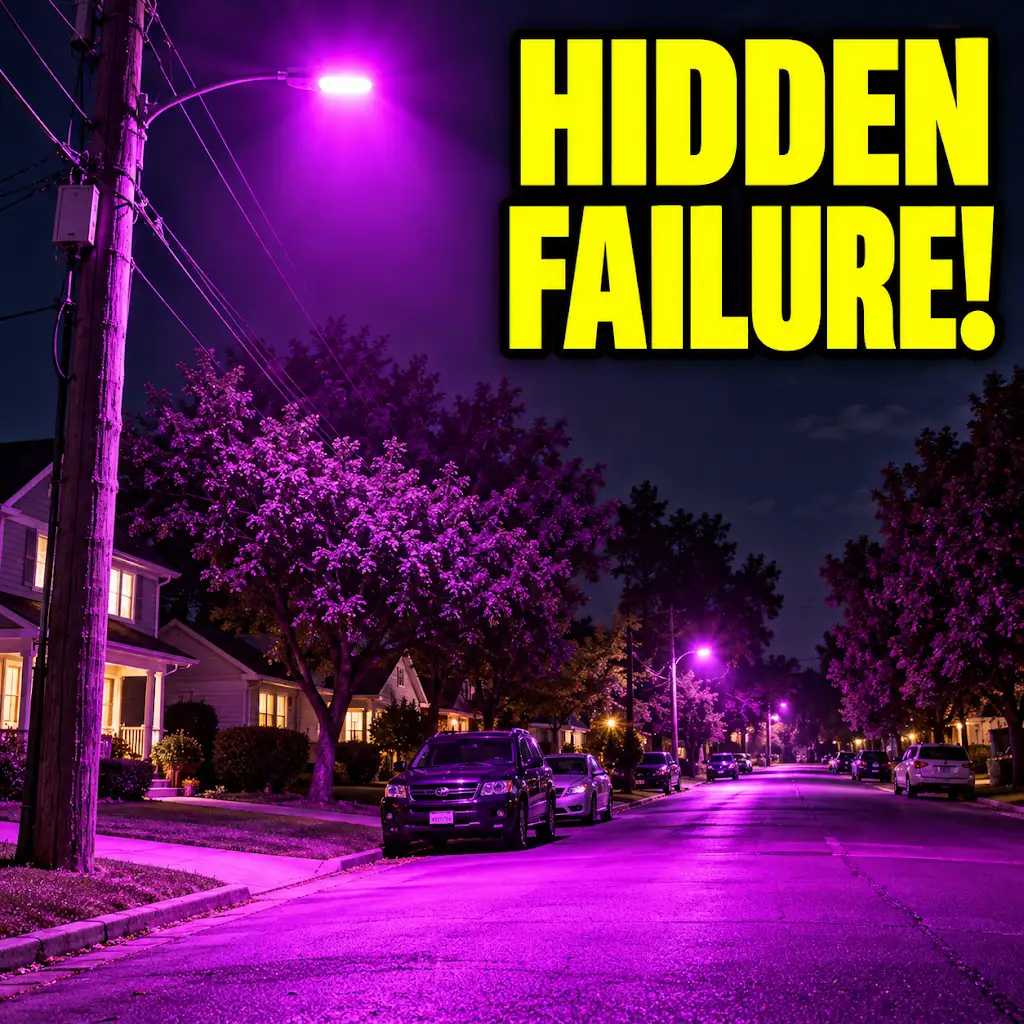
Why The Streetlights Are Turning Purple
FAQs
What was the cause of the purple streetlight mystery?
The purple streetlight mystery was caused by a combination of a faulty LED streetlight and a power surge in the electrical system.
How did the purple streetlight affect the surrounding area?
The purple streetlight created a mysterious and eerie atmosphere in the surrounding area, leading to speculation and confusion among residents.
Was the purple streetlight a safety hazard?
While the purple streetlight itself was not a safety hazard, the unusual color could have potentially caused distractions for drivers and pedestrians in the area.
How was the purple streetlight mystery eventually solved?
The purple streetlight mystery was eventually solved when maintenance workers identified and replaced the faulty LED bulb causing the purple hue.
Are there any plans to prevent similar incidents in the future?
Local authorities have stated that they will be implementing regular maintenance checks on streetlights to prevent similar incidents from occurring in the future.