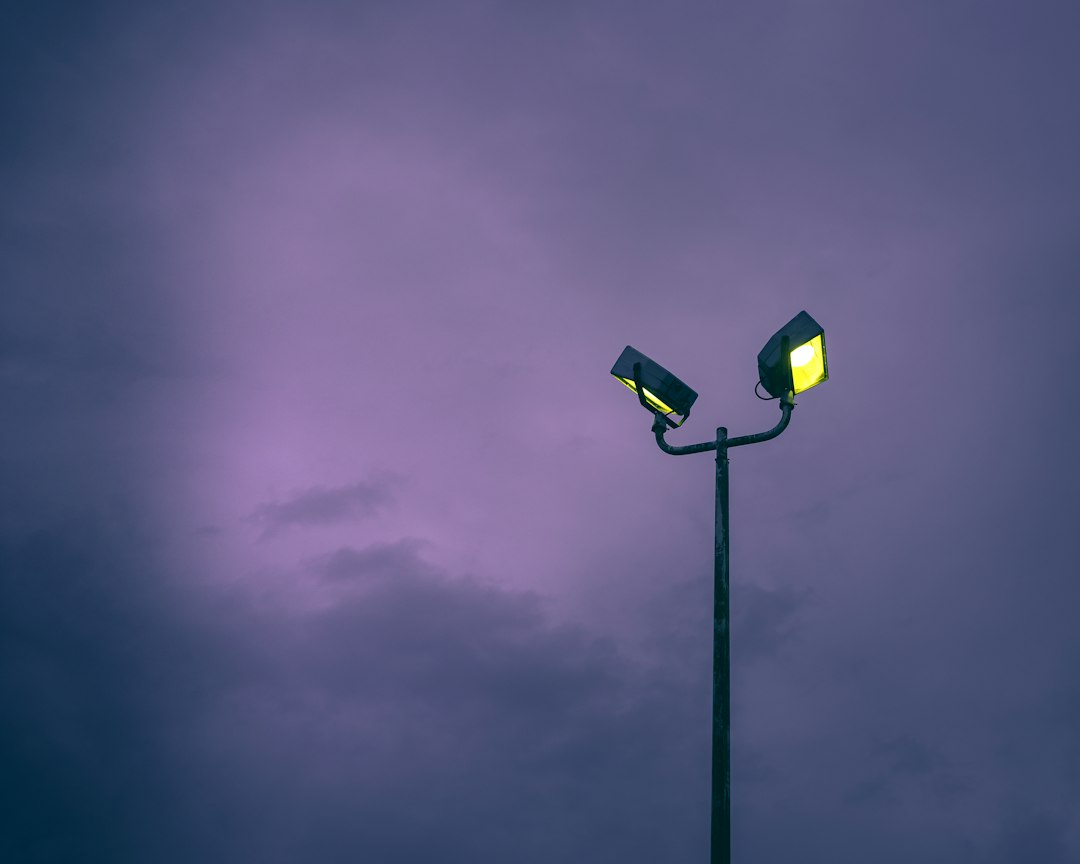
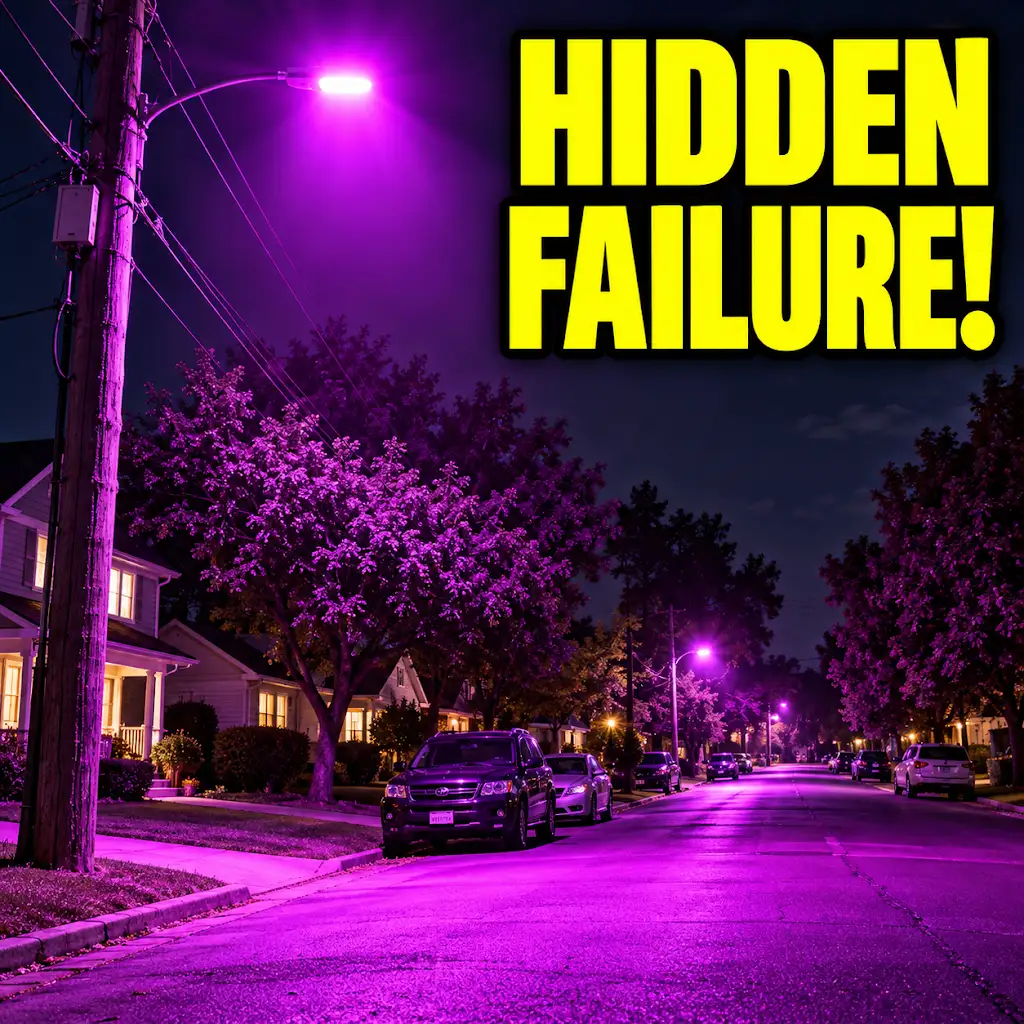
So, you’ve seen them around – those streetlights with the unusual purple glow. It’s not some new urban art installation; it’s a sign that something’s up with the maintenance, and your community’s concerns are definitely valid. While a purple streetlight might seem like a minor inconvenience, it points to a larger issue with how our public lighting is being cared for, and that’s something worth digging into.
The Curious Case of the Purple Glow
That distinct purple hue emanating from some streetlights isn’t just a quirky aesthetic choice. It’s actually a tell-tale sign of a specific type of LED streetlight nearing the end of its lifespan, or experiencing a component failure. Most modern streetlights use Light Emitting Diodes (LEDs) because they’re energy-efficient and long-lasting. However, the blue LEDs at the heart of many of these fixtures are often coated with a phosphor material that converts the blue light into a warmer, white light. Over time, or due to defects, this phosphor coating can degrade. When the blue light is no longer effectively converted, the underlying blue light, with a touch of red from other elements, is what we perceive as purple. It’s a physical manifestation of the light’s chemistry changing.
Why the Purple Phenomenon is Happening More
It seems like all of a sudden, these purple lights are popping up everywhere. There are a few reasons for this uptick. Firstly, many municipalities adopted LED streetlights in a big wave, often using similar models from a few major manufacturers. As these lights reach a certain age, or if there was a batch issue during manufacturing, they start to fail in a similar way across the board. It’s like a domino effect. Secondly, the sheer number of lights means that even a small percentage of failures translates to a noticeable number of purple ones. The lifespan of LED components, while generally long, isn’t infinite, and the phosphor degradation is a known, albeit frustrating, failure mode.
The Technical Breakdown: Phosphor Degradation Explained
To get a bit more technical, the phosphor coating is crucial for producing the white light we’re accustomed to from streetlights. This coating absorbs some of the high-energy blue light emitted by the LED chip and re-emits it at a lower energy, typically in the yellow or red spectrum. When these re-emitted photons combine with the remaining blue light, we perceive it as white. However, the phosphor material itself can be susceptible to degradation from the heat and light generated by the LED over thousands of hours of operation. This degradation means less blue light is being converted, and the ratio of blue to other colors shifts, resulting in that characteristic purple cast. Think of it like a faded color in a photograph; the original vibrancy is lost.
The maintenance of purple streetlights has become a topic of discussion in various communities, particularly due to their unique color and the implications for public safety and aesthetics. For a deeper understanding of the challenges and solutions related to this issue, you can read a related article that explores the technical aspects and community responses to purple streetlight installations. Check it out here: Freaky Science.
Beyond the Color: Practical Implications for Your Neighborhood

While the purple color itself might not seem like a big deal, it’s a symptom of deeper issues that affect your street and your community. It’s easy to dismiss it as just a funny color, but there are tangible reasons why this should be a concern, and why it’s more than just an aesthetic oddity.
Reduced Visibility and Safety Concerns
The most immediate consequence of a purple streetlight is diminished visibility. The purple light doesn’t illuminate the street and surrounding areas as effectively as white light. This can create darker patches and make it harder to see obstacles, pedestrians, or cyclists. For drivers, it can affect depth perception and the ability to distinguish colors, which is important for traffic signals and road signs. For residents walking at night, it can increase the feeling of insecurity and make it more difficult to navigate safely, especially in areas with heavy foot traffic or where children might be playing. Reduced visibility directly impacts the safety of everyone using the streets after dark.
Energy Inefficiency and Malfunctioning Equipment
A purple streetlight is a sign of a malfunctioning light. While LEDs are known for their energy efficiency, a failing unit is likely not operating at peak performance. It might be drawing more power than necessary, or the light output could be significantly reduced. This means the energy savings that LEDs are supposed to provide are being undermined. Furthermore, a failing light indicates that the equipment is not being adequately maintained or replaced, which could lead to a domino effect of other streetlights experiencing similar issues, increasing overall energy waste and maintenance costs in the long run. It’s a sign of a system that isn’t quite running as it should.
Potential for Vandalism and Other Issues
While not directly caused by the purple light, the presence of malfunctioning or neglected streetlights can sometimes correlate with an increased perception of neglect in an area. This can, in turn, unfortunately, attract vandalism or other undesirable activities. If a street feels unmaintained, it might be perceived as less cared for, potentially emboldening those who might cause trouble. It’s a subtle psychological effect, but an important one. A well-lit and well-maintained street often feels safer and more cared for, which can have a positive impact on community atmosphere and discourage negative behavior.
The Root of the Problem: Municipal Maintenance and Budgeting

The purple streetlight issue often boils down to how our local governments manage their public infrastructure, particularly lighting. It’s a complex interplay of policy, funding, and operational challenges that can leave residents wondering why simple fixes aren’t happening.
Challenges in Public Works Departments
Public works departments are often stretched thin. They manage a vast array of infrastructure – roads, water, sewer, and of course, streetlights. Budgets are frequently tight, and allocating resources for preventative maintenance versus reactive repairs is a constant balancing act. When faced with budget constraints, long-term preventative maintenance plans for streetlights can sometimes be deprioritized in favor of more immediate, pressing needs. This can lead to a backlog of repairs and a situation where issues, like the purple lights, become more widespread before they are addressed.
The Lifecycle of LED Streetlights
LED streetlights have a designed lifespan, typically measured in tens of thousands of hours. However, this doesn’t mean they operate perfectly until the very last second. As mentioned, the phosphor degradation is a known issue that can occur well within the expected lifespan of the fixture. Manufacturers provide warranties, but the process of identifying, reporting, and replacing faulty units can be bureaucratic and time-consuming. Furthermore, there’s a learning curve for municipalities in managing new LED technology compared to older, more familiar lighting systems.
Budgetary Constraints and Prioritization
Funding is often the biggest hurdle. Replacing an entire streetlight fixture can be a significant expense. Municipalities often have to make difficult decisions about where their limited funds are best spent. If the purple light is still providing some illumination, it might be placed lower on the priority list than a completely dark streetlight or a critical road repair. This can lead to a situation where problems are allowed to fester, becoming more costly and disruptive in the long run. The proactive approach of replacing lights before they fail is often more cost-effective but requires upfront investment.
How You Can Make a Difference: Reporting and Advocacy
Seeing purple streetlights and feeling concerned is a good starting point. The next step is to channel that concern into action. Fortunately, there are practical ways you, as a resident, can help address the issue and advocate for better maintenance.
The Reporting Process: Where to Start
The most direct way to get action is to report the problematic streetlights. Most municipalities have a dedicated system for this, often accessible through their official website or a dedicated hotline. Look for sections labeled “Report a Problem,” “Public Works,” or “Streetlight Outage.” When reporting, be as specific as possible. Note the exact location of the streetlight – the street name, nearest cross-street, and pole number if visible. If there are multiple purple lights in an area, report each one. This data helps public works departments identify patterns and prioritize repairs. Some cities even have mobile apps that allow you to pinpoint the location on a map and upload a photo.
Documenting the Problem: Photos and Data
Taking photos of the purple streetlights can be incredibly helpful. It provides visual evidence of the issue, especially if the light is not consistently purple or appears so only under certain conditions. This documentation can be used when you report the issue or when you advocate for more systematic solutions. Keep a log of the dates you reported the lights and any reference numbers you receive. This helps you track the progress of your reports and demonstrates your persistence. If you notice a cluster of purple lights in a specific area, documenting this can highlight a more significant problem that might require a broader solution rather than individual repairs.
Engaging with Local Officials and Community Groups
Beyond direct reporting, engage with your local elected officials. Attend town hall meetings, write to your city council members, or send emails. Clearly explain the issue, its impact on safety and community well-being, and the need for a proactive maintenance plan. Joining or forming a neighborhood watch group or community association can also amplify your voice. Collective action is often more effective than individual efforts. You can also look into local government transparency initiatives or open data portals, which might provide insights into streetlight maintenance budgets and performance metrics.
The recent concerns regarding the maintenance of purple streetlights have sparked discussions in various communities about their effectiveness and energy consumption. A related article explores the implications of these lighting choices on urban environments and public safety. For more insights on this topic, you can read the full article here: purple streetlight maintenance. This ongoing debate highlights the need for cities to balance aesthetics with functionality in their lighting solutions.
Long-Term Solutions and a Brighter Future
| Issue | Reported Date | Location | Severity | Response Time (hours) | Status | Notes |
|---|---|---|---|---|---|---|
| Flickering Light | 2024-05-10 | 5th Avenue & Main St | Medium | 12 | In Progress | Possible wiring issue |
| Light Not Turning On | 2024-05-12 | 12th Street & Pine | High | 6 | Resolved | Replaced faulty bulb |
| Dim Light Output | 2024-05-15 | Broadway & 3rd | Low | 24 | Pending | Scheduled for inspection |
| Color Shift to Blue | 2024-05-18 | Elm Street & 7th | Medium | 18 | In Progress | Possible LED driver issue |
| Complete Outage | 2024-05-20 | Maple Ave & 9th | High | 4 | Resolved | Power supply replaced |
Addressing the purple streetlight issue isn’t just about fixing the immediate problem; it’s about advocating for a more robust and forward-thinking approach to public infrastructure management. This can lead to a safer, more efficient, and more pleasant community for everyone.
Implementing Proactive Maintenance Schedules
The ideal scenario is a shift from reactive repairs to proactive maintenance. This involves regular inspections of streetlights, not just when they fail. Implementing a schedule for replacing LED fixtures based on their expected lifespan, rather than waiting for them to die, can prevent issues like phosphor degradation from becoming widespread. This requires consistent budgeting and a commitment to investing in the longevity of public assets. Proactive maintenance can also include cleaning fixtures and checking electrical connections, which can extend the life of the lights and improve their performance.
Investing in Modern, Reliable Lighting Technology
While the current purple light issue stems from a specific type of LED technology, that doesn’t mean all LEDs are problematic. It highlights the importance of choosing reliable manufacturers and models when making large-scale lighting upgrades. Investing in newer, more advanced LED technologies that have better color stability and longer lifespans can prevent future issues. Furthermore, exploring smart lighting systems, which can monitor the performance of individual lights in real-time and report issues automatically, could revolutionize streetlight maintenance and efficiency.
The Importance of Community Input in Planning
Ultimately, the best solutions are often developed with community input. When municipalities involve residents in discussions about infrastructure priorities and maintenance budgets, they can gain valuable insights into what matters most to the people they serve. This can lead to more effective allocation of resources and a greater sense of ownership and shared responsibility for public spaces. When residents are informed and engaged, they can become powerful advocates for the improvements that benefit everyone, ensuring that our streets are not just lit, but brightly, safely, and reliably illuminated for years to come.
Why The Streetlights Are Turning Purple
FAQs
What is causing the purple streetlight maintenance issue?
The purple streetlight maintenance issue is being caused by a malfunction in the LED lighting system, which is resulting in the unusual purple hue.
How long has the purple streetlight maintenance issue been ongoing?
The purple streetlight maintenance issue has been ongoing for approximately two weeks, causing concern among residents and city officials.
Is the purple streetlight maintenance issue affecting visibility at night?
Yes, the purple streetlight maintenance issue is affecting visibility at night as the purple hue is not providing adequate lighting for pedestrians and drivers.
What steps are being taken to address the purple streetlight maintenance issue?
City maintenance crews are currently working to identify and repair the malfunction in the LED lighting system to resolve the purple streetlight maintenance issue as soon as possible.
Are there any safety concerns associated with the purple streetlight maintenance issue?
Yes, there are safety concerns associated with the purple streetlight maintenance issue as the inadequate lighting may increase the risk of accidents and criminal activity in the affected area.