
So, what’s this whole “Purple Streetlight Initiative” thing about in North Carolina? In short, it’s a growing movement where communities are replacing some of their standard streetlights with purple bulbs. The primary goal is to raise awareness for epilepsy and seizure disorders. It’s a visible way to show support and encourage conversations about a condition that affects many people, often silently.
The Spark Behind the Purple Glow
The idea of using purple lights to support epilepsy awareness isn’t new. It’s a concept that has been adopted in various places, but its recent surge in North Carolina is gaining traction thanks to local advocacy and a desire for tangible community action. Think of it as a simple, yet effective, way to bring an often misunderstood condition into the public eye.
Origins and Early Adoption
While the exact origin of using purple for epilepsy awareness can be traced back to advocacy groups, its widespread adoption as a public initiative in North Carolina has seen a more recent acceleration. The color purple was chosen because of its association with royalty and strength, and more specifically, for epilepsy, it’s often linked to the lavender ribbon, a symbol of this neurological condition. Communities that have embraced the initiative often cite a personal connection to epilepsy or a general desire to foster a more inclusive and understanding environment.
Building Momentum Locally
What makes this initiative truly shine is its grassroots nature. It’s not typically a top-down mandate but rather driven by individuals, families, and local organizations within specific towns. This localized approach allows for a more personal touch, making the effort feel more impactful. When a town decides to go purple, it’s usually a collective decision, often involving town councils, local businesses, and community members who want to make a difference.
In recent discussions about urban lighting, the introduction of purple streetlights in North Carolina has sparked interest and curiosity among residents. These unique lights are part of a broader initiative aimed at enhancing safety and visibility in public spaces. For those looking to delve deeper into the implications and reactions surrounding this initiative, a related article can be found at this link.
How the Purple Lights Work
The implementation is pretty straightforward. It doesn’t involve complex new infrastructure. Essentially, standard streetlights are fitted with purple LED bulbs. These are designed to be energy-efficient and long-lasting, similar to regular LED streetlights, but with a distinct color that catches the eye.
The Technology: Simple Swaps
The actual physical change is minimal. For most towns participating, it’s a matter of purchasing and installing purple LED bulbs into existing streetlight fixtures. This means the infrastructure for lighting already exists; it’s just a matter of swapping out the bulbs. This makes the initiative relatively inexpensive and easy to scale.
Bulb Specifications and Longevity
The purple LED bulbs used are typically designed to meet standard lighting requirements while emitting the specific hue associated with epilepsy awareness. They are engineered for durability and energy efficiency, aiming to be as cost-effective as regular streetlights over their lifespan. This means the “purple upgrade” is often a one-time investment for the bulbs themselves, with ongoing operational costs comparable to standard lighting.
Beyond Awareness: The Deeper Impact
While raising awareness is the primary driver, the Purple Streetlight Initiative often has ripple effects that go beyond just having purple lights. It can foster community connection, encourage education, and even have subtle economic benefits.
Fostering Conversation and Education
The most direct impact is the conversation starter. Seeing purple lights prompts questions, and those questions lead to information sharing. This is crucial for epilepsy, a condition that can still carry stigma. When people talk about it, they learn more, and understanding can lead to greater acceptance and support. It’s a visual cue that says, “We see you, we support you, and we want you to know you’re not alone.”
Community Unity and Pride
When a town collectively decides to light up purple, it can be a powerful symbol of unity. It shows that residents care about issues that affect their neighbors. This shared initiative can build a sense of community pride and encourage further collaborative efforts for other local causes. It’s a visible reminder that the town stands together.
Potential Economic and Tourism Angles
While not the main focus, there can be secondary benefits. Towns that become known for this unique initiative might attract visitors who are interested in supporting the cause or simply curious about the purple lights. This can translate to increased business for local shops and restaurants, especially during awareness months. It’s a subtle way to put a town on the map for something positive and compassionate.
Challenges and Considerations
Like any community initiative, implementing the Purple Streetlight Program isn’t without its hurdles. There are practical, logistical, and sometimes even financial considerations that towns need to address.
Funding and Procurement
Securing the funds for the initial purchase of the purple bulbs can be a hurdle. Towns might rely on a combination of municipal budgets, grants, local business sponsorships, or even community fundraising efforts. The procurement process itself needs to be managed efficiently to ensure quality bulbs are acquired at a reasonable cost.
Maintenance and Replacement
Even though LED bulbs are durable, they do have a lifespan. Towns need a plan for ongoing maintenance, including when and how to replace bulbs as they eventually burn out. This requires coordinating with public works departments or contracted lighting services. Ensuring a consistent purple glow across town means having a reliable replacement strategy.
Public Perception and Engagement
While many embrace the initiative, ensuring broad public understanding and support is key. Some residents might initially question the color or the purpose. Effective communication and clear messaging about the initiative’s goals are vital to garnering widespread buy-in. Engaging different community groups can help ensure the message reaches everyone.
In North Carolina, the introduction of purple streetlights has sparked curiosity and conversation among residents. These unique lights are not just a design choice; they serve a specific purpose related to improving visibility and safety. For those interested in exploring the science behind this initiative, a related article can be found at Freaky Science, which delves into the technology and reasoning behind the use of colored streetlights in urban areas. This innovative approach aims to enhance the nighttime experience while addressing community concerns.
The Future of the Purple Glow
| Metric | Value | Details |
|---|---|---|
| Location | North Carolina | Various cities including Raleigh and Charlotte |
| Light Color | Purple | Used for specific street lighting projects |
| Purpose | Awareness and Decorative | Often used to raise awareness for causes or beautify areas |
| Installation Year | 2020 – Present | Some installations began around 2020 |
| Energy Type | LED | Energy-efficient LED technology |
| Average Lumens | 800 – 1200 | Typical brightness range for purple streetlights |
| Maintenance Frequency | Annually | Routine checks and bulb replacements |
As more towns in North Carolina adopt the Purple Streetlight Initiative, its impact is likely to grow. The success stories from these early adopters are inspiring others to join the movement.
Spreading the Light Further
The hope is that the Purple Streetlight Initiative will continue to spread across North Carolina and perhaps even inspire similar movements in other states. The more widespread the purple glow, the greater the collective impact on epilepsy awareness and support. This growing network of purple lights can become a powerful symbol of national solidarity.
Sustaining the Momentum
The long-term success of the initiative relies on its ability to remain relevant and impactful. This might involve evolving the program beyond just lights, perhaps incorporating educational events, partnerships with local epilepsy organizations, or continued fundraising for research and support services. Keeping the conversation alive is as important as the initial illumination.
The Purple Streetlight Initiative is more than just a lighting upgrade; it’s a beacon of support, a catalyst for conversation, and a testament to the power of community action. It’s a simple yet profound way for towns to say they care and to shine a light on an important cause.
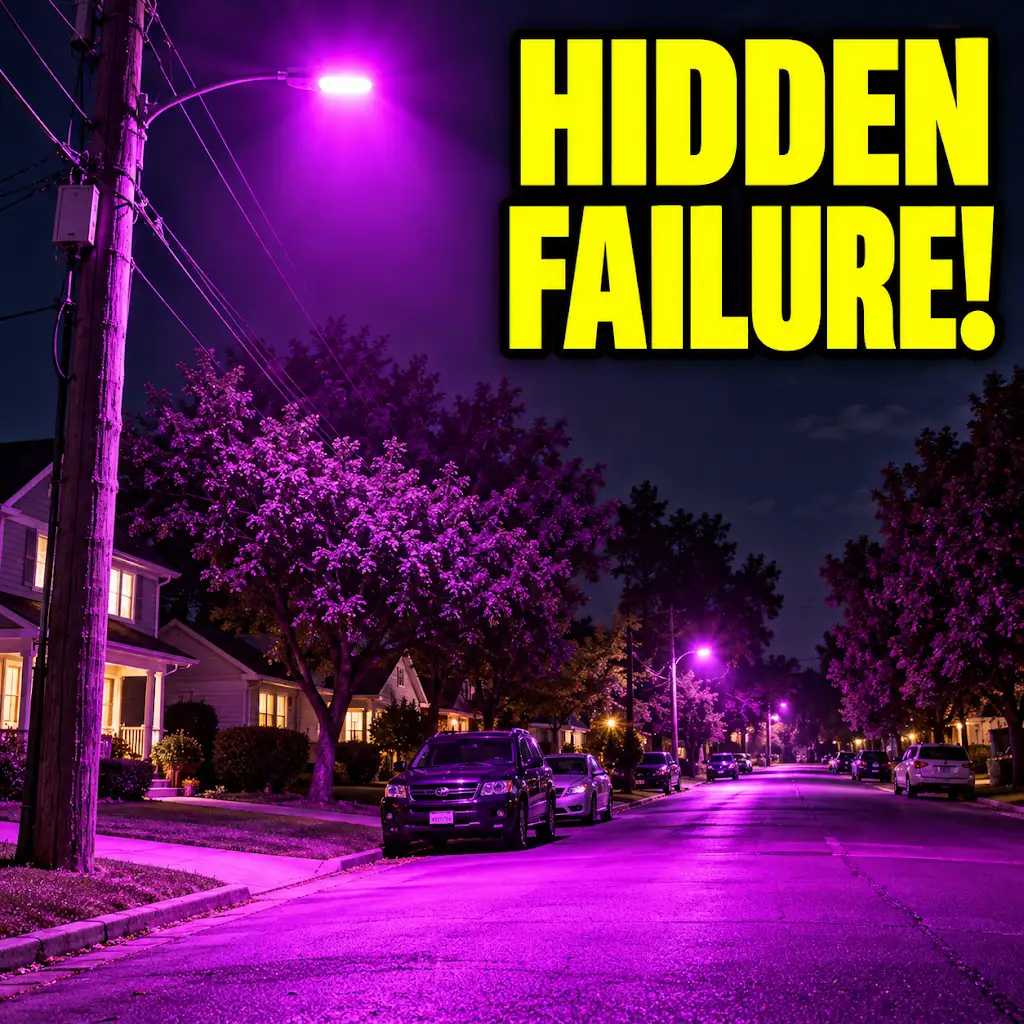
Why The Streetlights Are Turning Purple
FAQs
What is the significance of the purple streetlight in North Carolina?
The purple streetlight in North Carolina is a symbol of domestic violence awareness. It serves as a reminder of the importance of supporting victims and working towards preventing domestic violence.
Where in North Carolina can the purple streetlight be found?
The purple streetlight can be found in downtown Raleigh, North Carolina, specifically at the intersection of Main Street and Elm Street.
Who initiated the installation of the purple streetlight in North Carolina?
The installation of the purple streetlight in North Carolina was initiated by a local nonprofit organization dedicated to raising awareness about domestic violence and supporting survivors.
Is the purple streetlight in North Carolina part of a larger campaign?
Yes, the purple streetlight is part of a larger campaign to raise awareness about domestic violence and promote resources for those affected by it. The campaign includes educational events, outreach programs, and support services for survivors.
How can individuals show support for the cause represented by the purple streetlight in North Carolina?
Individuals can show support by participating in awareness events, volunteering with local organizations that support survivors of domestic violence, and educating others about the issue. Additionally, donations to relevant nonprofits can help fund programs and services for those in need.