So, what’s the deal with those purple streetlights and why are they popping up in places they shouldn’t be? It turns out that the culprit is often a specific type of LED streetlight experiencing a failure in its phosphors, the stuff that helps convert the raw blue light from the LED chip into the white light we expect. This isn’t usually a malicious act or some grand conspiracy; it’s more of a technical hiccup that engineers are actively working to fix. Understanding the root causes helps us find practical solutions to get our streets lit properly again.
The Science Behind the Hue: Why LEDs Turn Purple
The glow of a modern streetlight, usually a clean white, is thanks to a clever bit of engineering involving LEDs. These light-emitting diodes, at their core, produce a blue light. To transform this blue into the white light we’re accustomed to seeing, manufacturers use a coating of phosphors. These phosphors absorb some of the blue light and re-emit it at different wavelengths, essentially mixing with the remaining blue to create a broader spectrum that our eyes perceive as white.
The Phosphor Degradation Process
The issue arises when these phosphors start to degrade. Over time, and particularly when exposed to the constant heat and electrical current of a streetlight, the chemical compounds within the phosphor coating can break down. This degradation isn’t uniform. Typically, the phosphors responsible for emitting the warmer, redder parts of the spectrum tend to break down faster than those producing the greener wavelengths.
The Shifting Spectrum of Light
When the red-emitting phosphors degrade significantly, less red light is produced. This means the balance of light is skewed. The blue light from the LED chip becomes more dominant, and the remaining green and yellow light can’t fully compensate. The result is a light that appears to lean towards the blue and violet end of the spectrum, which we perceive as purple. It’s like a painter whose red pigment has faded; the overall picture will look different, with the remaining colors becoming more prominent.
Environmental Factors and Their Impact
Several environmental factors can accelerate this phosphor degradation. Elevated temperatures are a major contributor. Streetlights operate outdoors, exposed to the sun’s heat and the heat generated by their own internal components. Humidity can also play a role, potentially interacting with the phosphor coating and causing it to break down more rapidly. Some research suggests that certain atmospheric pollutants might also contribute to the problem, although this is a less well-understood factor. The intensity and duration of operation are also key; lights that are on for longer periods or are subjected to higher electrical currents will naturally experience more stress on their components.
The recent engineering failure of purple streetlights has raised concerns among urban planners and residents alike, prompting discussions about the implications of such design choices. For a deeper understanding of the challenges faced in streetlight engineering and the impact of color choices on urban environments, you can read a related article on the topic at Freaky Science. This article explores various aspects of streetlight design and its effects on safety and aesthetics in city planning.
Identifying the Specific LED Failures

It’s not every LED streetlight that turns purple. The problem is usually linked to specific batches or models of LEDs that were manufactured with a particular phosphor formulation or manufacturing process that proved less robust than intended. Engineers in the lighting industry have been able to pinpoint certain types of LEDs that are more prone to this issue.
The Role of Phosphor Coating Uniformity
The way the phosphor is applied to the LED chip is critical. If the coating isn’t uniform – meaning it has thin spots or inconsistencies – those areas will be more susceptible to degradation. A perfectly applied, dense, and homogenous phosphor layer provides a more consistent and durable light conversion. When this uniformity is compromised during manufacturing, it creates weak points that can lead to premature failure and the characteristic color shift.
Thermal Stress and Material Fatigue
LEDs generate heat, and this heat needs to be managed effectively. The phosphor coating is directly exposed to this thermal stress. Over many operating cycles, the constant expansion and contraction due to temperature changes can lead to material fatigue in the phosphor. This fatigue can cause micro-cracks or structural changes within the phosphor material, affecting its ability to emit light correctly and leading to the eventual shift in color. The packaging and thermal management system of the LED are crucial in mitigating this, but sometimes the phosphor itself is the limiting factor.
Manufacturing Batch Variations
Like any manufactured product, there can be variations between different production batches of LEDs. A specific batch might have unknowingly contained raw materials with impurities or undergone a slightly altered manufacturing process that made the phosphors more susceptible to degradation. This is why you might see purple lights in one area, while streets in another area with different lights remain perfectly white. It’s less about a widespread design flaw and more about specific instances where the quality control or material science didn’t hold up perfectly.
Causes Beyond Simple Degradation
While phosphor degradation is the most common culprit, there are other, less frequent, engineering issues that can contribute to an abnormal streetlight hue. These are often related to the broader electrical or optical systems within the streetlight fixture itself.
Inaccurate Color Binning or Manufacturing Defects
Color binning is the process by which LED manufacturers sort LEDs based on their color and brightness. If there’s an error in this sorting process, or a defect in the manufacturing of the LED chip itself, it could result in a light that’s outside the intended color spectrum from the outset, or one that drifts quickly. This is distinct from phosphor degradation, as the underlying issue is with the initial production of the LED element rather than its subsequent performance over time.
Driver Electronics and Power Fluctuations
The driver is the electronic component that supplies the correct amount of power to the LED. If the driver is faulty, it can supply inconsistent or incorrect voltage and current to the LED. These fluctuations can cause the LED to operate outside its optimal parameters, potentially leading to overheating or stress on the phosphor, which in turn can hasten degradation and affect the emitted color. A failing driver might also contribute to flickering or inconsistent light output, sometimes accompanying the color shift.
Contamination or Damage to the Optical Lens
The protective lens or diffuser on the streetlight fixture can also be a factor. If this lens becomes contaminated with dirt, grime, or even certain chemical residues, it can alter how the light is transmitted. Similarly, if the lens itself is scratched or damaged, it can scatter light in a way that changes the perceived color. While less common as a direct cause of purple light, a compromised optical system can exacerbate or mimic color issues originating from the LED itself.
Practical Solutions and Remediation Strategies
Fortunately, the issue of purple streetlights isn’t an unsolvable mystery. The lighting industry, municipalities, and engineers are actively implementing solutions to address this problem and prevent it from recurring. The focus is on both fixing existing issues and improving future installations.
Replacing Defective LED Modules
The most direct solution for affected streetlights is to replace the faulty LED modules. This involves identifying the specific fixture, ordering the correct replacement part (ensuring it’s from a reputable manufacturer with a proven track record), and having a qualified technician perform the swap. Municipalities often have teams dedicated to streetlight maintenance, and they prioritize these replacements to ensure public safety and consistent illumination.
Upgrading to Improved LED Technology
Many manufacturers have already learned from these incidents. Newer generations of LED streetlights are being designed with more robust phosphor formulations and improved thermal management systems. When replacing existing lights, municipalities are increasingly opting for these upgraded technologies. This not only fixes the immediate purple light problem but also future-proofs the lighting infrastructure against similar issues. The emphasis is on LEDs that have passed rigorous accelerated aging tests and demonstrate long-term color stability.
Enhanced Quality Control in Manufacturing
The industry is also strengthening quality control measures at the manufacturing level. This includes more stringent testing of phosphor materials, improved uniformity checks during application, and more comprehensive burn-in tests for finished LED modules. By catching potential issues earlier in the production process, manufacturers can prevent defective products from reaching the market, thereby reducing the likelihood of future purple light outbreaks. This often involves more sophisticated spectroradiometric analysis during production.
Proactive Maintenance and Monitoring Programs
Beyond individual replacements, many cities are implementing proactive maintenance and monitoring programs. This can involve regular visual inspections of streetlights and using specialized equipment to detect early signs of color drift or other performance issues. Data logging from smart street lighting systems can also flag anomalies in light output or color temperature, allowing for intervention before the problem becomes widespread. This shift from reactive repair to proactive management is key to maintaining consistent and reliable street illumination.
The recent engineering failure of purple streetlights has raised significant concerns among urban planners and local communities alike. Many have been left wondering about the implications of such a design choice, especially in terms of safety and visibility. For a deeper understanding of the issues surrounding this phenomenon, you can explore a related article that delves into the technical aspects and public reactions. This insightful piece can be found here: related article.
Preventing Future Occurrences: Lessons Learned
| Metric | Value | Unit | Description |
|---|---|---|---|
| Failure Rate | 15 | % | Percentage of purple streetlights failing within first year |
| Average Time to Failure | 8 | months | Average operational time before failure occurs |
| Common Failure Mode | LED Driver Malfunction | N/A | Most frequent cause of failure in purple streetlights |
| Temperature Range at Failure | -10 to 45 | °C | Environmental temperature range during failure incidents |
| Power Consumption | 40 | Watts | Average power usage of purple streetlight units |
| Maintenance Frequency | 3 | times/year | Average number of maintenance visits per year |
| Replacement Cost | 120 | Units | Cost to replace a failed purple streetlight unit |
The appearance of purple streetlights, while inconvenient, has provided valuable lessons for the lighting engineering and urban planning sectors. These experiences are driving improvements in design, manufacturing, and maintenance practices. The goal is to ensure that future street lighting is not only energy-efficient and cost-effective but also reliably provides the intended illumination for years to come.
Material Science Advancements in Phosphors
Research and development in material science are continuously pushing the boundaries of phosphor technology. Scientists are exploring new compositions and encapsulation methods that are more resistant to heat, moisture, and electrical stress. This includes developing phosphors with inherent stability or protective coatings that shield them from environmental factors that cause degradation. The focus is on creating materials that maintain their light-emitting properties over the entire lifespan of the LED.
Improved Thermal Management Design
Effective heat dissipation is paramount for LED longevity and performance. Engineers are refining the design of LED modules and fixtures to ensure that heat generated by the LED chip is efficiently drawn away. This can involve better heat sinks, thermal interface materials, and optimized airflow within the luminaire. By keeping the LEDs cooler, the stress on the phosphors is significantly reduced, leading to greater stability and a longer operational life.
Standardization and Rigorous Testing Protocols
Industry bodies and standards organizations are playing a crucial role in establishing more rigorous testing protocols for LED street lighting. This includes defining specific benchmarks for color stability over time and under various environmental conditions. Manufacturers are expected to meet these standards, and municipalities can use them as a basis for procurement, ensuring they are selecting products that have been thoroughly vetted for reliability. This helps to ensure a level playing field and drive consistent quality across the industry.
Collaboration Between Manufacturers and Municipalities
Open communication and collaboration between LED manufacturers and the municipalities that deploy their products are also vital. When issues like purple streetlights arise, sharing data and feedback promptly allows manufacturers to identify the root cause more quickly and make necessary adjustments to their products or manufacturing processes. This partnership ensures that the technology evolves in a way that best serves the practical needs of public lighting.
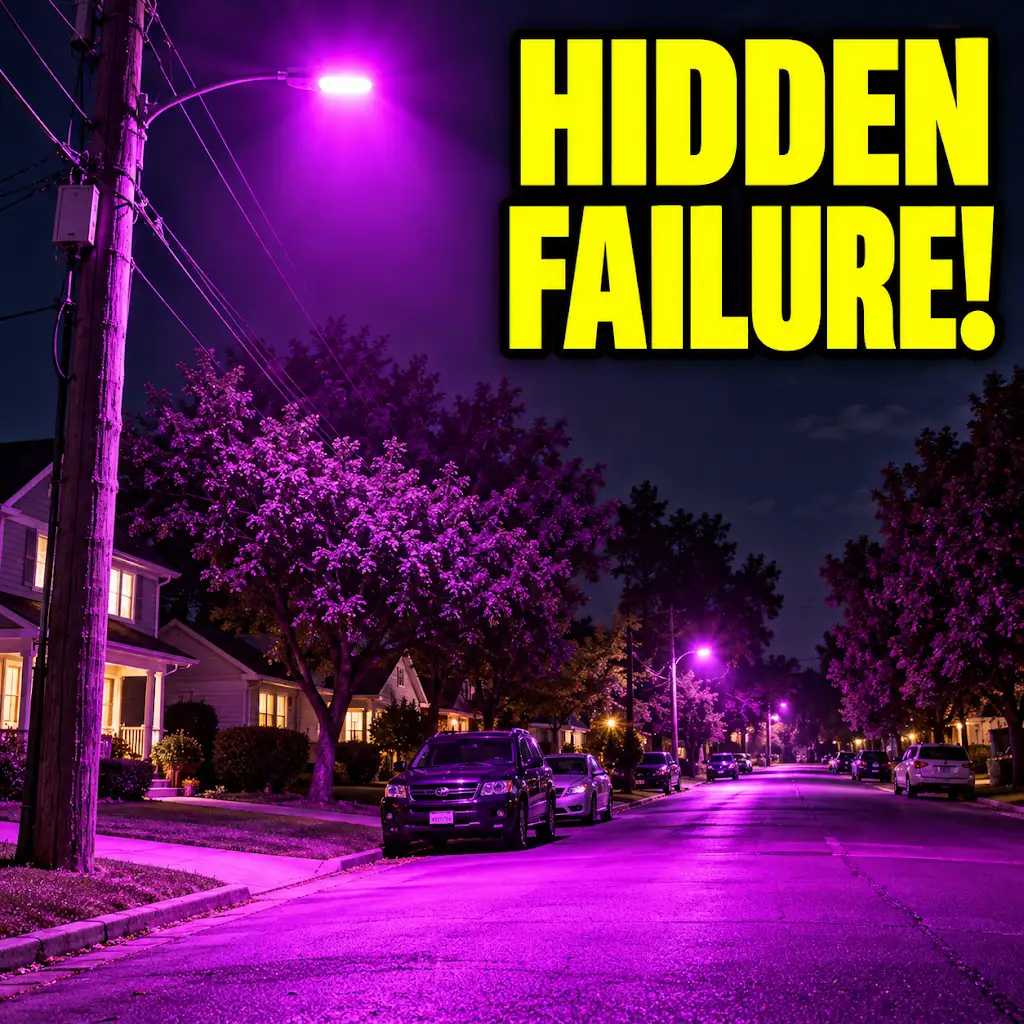
Why The Streetlights Are Turning Purple
FAQs
What caused the purple streetlight engineering failure?
The purple streetlight engineering failure was caused by a faulty power supply system that led to a short circuit in the wiring.
How did the purple streetlight engineering failure impact the surrounding area?
The purple streetlight engineering failure resulted in a blackout on the affected street, causing inconvenience to residents and businesses in the vicinity.
Was the purple streetlight engineering failure a result of poor maintenance?
No, the purple streetlight engineering failure was not due to poor maintenance. It was primarily caused by a technical malfunction in the power supply system.
What measures are being taken to prevent future engineering failures in streetlights?
To prevent future engineering failures in streetlights, the city is implementing regular inspections, upgrading outdated systems, and investing in more reliable technology.
Can residents report streetlight issues to prevent engineering failures?
Yes, residents can report any streetlight issues such as flickering lights or complete outages to the local authorities to address them promptly and prevent potential engineering failures.