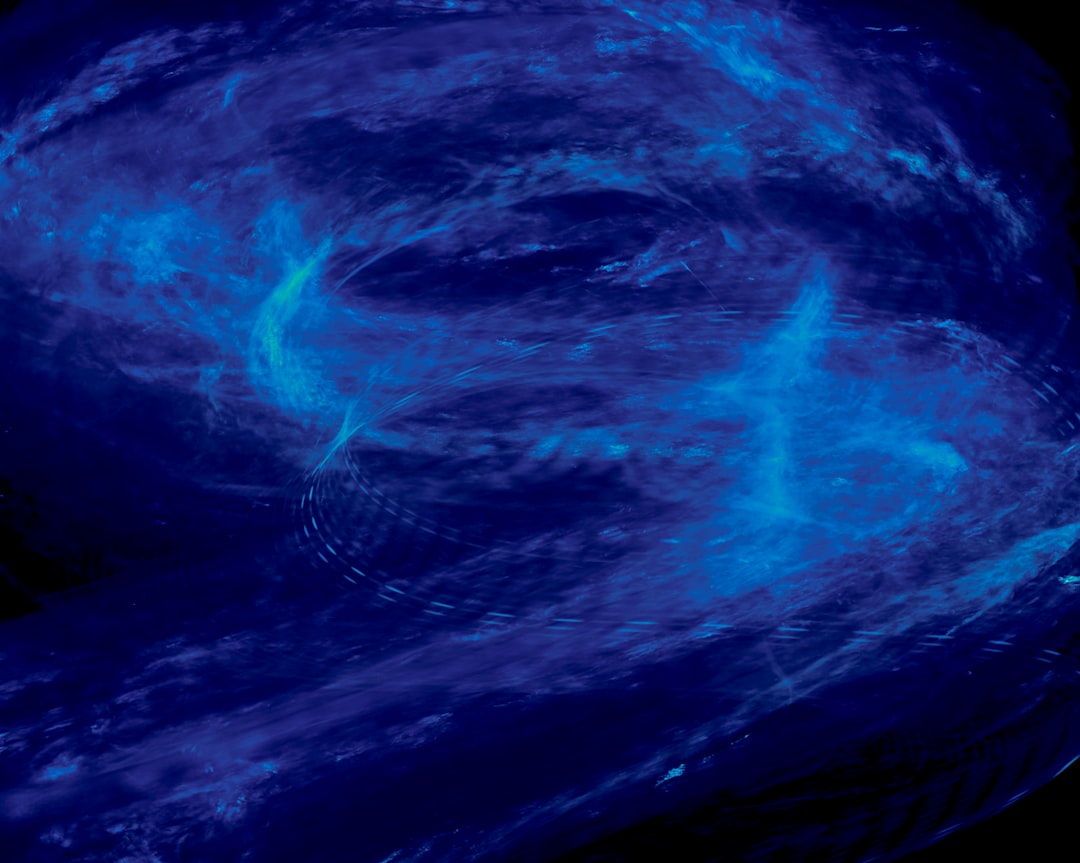
Geomagnetic storms, energetic outbursts from the Sun, pose a significant threat to the complex and interconnected systems that power modern civilization. These celestial storms, driven by solar flares and coronal mass ejections (CMEs), can inject charged particles and magnetic fields into Earth’s atmosphere, with profound implications for our technological infrastructure, particularly the electrical grid. Understanding and mitigating these risks is paramount to ensuring the continuous and reliable operation of a society increasingly dependent on electrified systems.
The Sun, our life-giving star, is not a constant, serene orb. It is a dynamic and volatile entity, constantly engaged in processes that can unleash bursts of energy into space. The most significant of these outbursts, in terms of their impact on Earth, are geomagnetic storms. These events are a manifestation of the Sun’s magnetic activity, which cycles over approximately 11 years. During periods of heightened solar activity, known as solar maximum, the likelihood and intensity of these storms increase dramatically.
Solar Flares and Coronal Mass Ejections (CMEs)
At the heart of most geomagnetic storms lie two primary phenomena: solar flares and CMEs. Solar flares are sudden, intense bursts of radiation from the Sun’s surface, releasing electromagnetic energy across the spectrum, from radio waves to X-rays and gamma rays. While powerful, flares themselves are often outpaced by the slower but more massive CMEs.
CMEs are enormous eruptions of plasma and magnetic field from the Sun’s corona, its outermost atmosphere. These events can propel billions of tons of charged particles – primarily protons and electrons – at speeds ranging from hundreds to thousands of kilometers per second. When a CME is directed towards Earth, it can interact with our planet’s magnetosphere, a protective bubble of magnetic field that shields us from much of the Sun’s harsh radiation.
The Interplanetary Magnetic Field (IMF)
The magnetic field carried out by a CME, known as the Interplanetary Magnetic Field (IMF), plays a crucial role in determining the severity of a geomagnetic storm. If the IMF, particularly its southward component (Bz), is oriented opposite to Earth’s magnetic field, it can efficiently connect with our planet’s magnetosphere. This “connection” allows the solar wind’s energy to penetrate deeper into the magnetosphere, energizing particles and driving the processes that lead to geomagnetic storms. A northward Bz, conversely, tends to repel the solar wind, resulting in a much weaker interaction and less severe storms.
Geomagnetic Storm Classification
Geomagnetic storms are typically classified based on their intensity, using the Kp index, which measures the level of geomagnetic activity. The scale ranges from G0 (quiet) to G5 (extreme).
- G0: Quiet: Little to no geomagnetic activity.
- G1: Minor: Minor impacts on technology systems, such as possible fluctuations in power grids and some satellite operational impacts.
- G2: Moderate: Moderate impacts on technology systems, including widespread voltage control problems, some power system equipment damage, and increased drag on low-Earth orbit satellites.
- G3: Strong: Significant impacts on technology systems, leading to widespread voltage control issues, transformer tripping, potential grid instability, and tracking and orientation problems for satellites.
- G4: Severe: Severe impacts on technology systems, potentially causing widespread voltage control problems requiring load shedding, transformer damage, and disruption of power grids for extended periods. Satellite orientation disruptions and failures are also likely.
- G5: Extreme: Extreme impacts on technology systems, with the potential to cause widespread blackouts, collapse of electrical grids, and damage to critical infrastructure. Satellites can experience forced shutdowns, and navigation systems may be severely affected.
The Earth’s Magnetosphere: A First Line of Defense
Earth’s magnetosphere acts as a vital shield, deflecting the majority of the charged particles and radiation emitted by the Sun. This invisible barrier, sculpted by Earth’s own magnetic field, channels these energetic particles towards the magnetic poles, where they can create spectacular auroras. However, during intense geomagnetic storms, the magnetosphere can become overwhelmed, allowing significant energy and particles to penetrate and interact with our atmosphere and technological systems.
In light of the increasing frequency of geomagnetic storms, it is crucial for utility companies to implement effective protection strategies to safeguard their infrastructure. A related article that delves into this topic can be found at Freaky Science, where it discusses various measures and technologies that can be employed to mitigate the impacts of these solar events on electrical grids and other critical systems. By staying informed and proactive, utilities can better prepare for the challenges posed by geomagnetic storms.
Impacts on the Electrical Grid: A Cascade of Vulnerabilities
The electrical grid, the intricate network that delivers power to our homes and industries, is particularly vulnerable to the disruptive forces of geomagnetic storms. The fundamental principles of electromagnetism, which enable the generation and transmission of electricity, also make the grid susceptible to the induced currents that geomagnetic storms can generate.
Geomagnetically Induced Currents (GICs)
The most significant threat posed by geomagnetic storms to the electrical grid is the generation of Geomagnetically Induced Currents (GICs). These are unwanted currents that flow through conductive materials, such as power transmission lines and pipelines, as a result of rapid changes in Earth’s magnetic field.
When the Earth’s magnetic field changes rapidly, it induces an electric field. This electric field, in turn, drives currents to flow along elongated conductors like power lines. These GICs are essentially phantom currents, superimposed onto the normal flow of electricity in the grid. They do not follow the intended path of power flow and can wreak havoc on sensitive equipment.
Transformer Saturation and Thermal Damage
High levels of GICs can have devastating direct impacts on transformers, the critical components responsible for stepping up or stepping down voltage at various points in the grid. Transformers operate by magnetic induction; a fluctuating magnetic field in the core induces a current in the secondary winding.
However, when GICs flow into the DC windings or magnetic core of a transformer, they can cause the core to become saturated. A saturated transformer is less efficient at its primary function; its ability to transmit power is degraded. More importantly, saturation leads to an increase in the resistive losses within the transformer, generating excessive heat. This thermal stress can damage the insulation, leading to equipment failure and, in extreme cases, permanent damage requiring costly replacements. Imagine a river overflowing its banks; the excess water can cause significant damage to the surrounding land. GICs are like that overflowing water, overwhelming the normal flow and causing damage to the transformer’s “banks.”
Voltage Instability and Grid Collapse
Beyond direct equipment damage, GICs can also trigger a cascade of problems that lead to grid instability and, in the most severe scenarios, widespread blackouts. GICs can cause voltage fluctuations on the transmission lines. Grid operators constantly monitor and adjust voltage levels to maintain stability. However, the erratic nature of GICs makes them difficult to predict and control.
As voltage deviates from acceptable limits, protective relays designed to safeguard the grid can misinterpret these fluctuations as faults and trigger automatic shutdowns of circuit breakers. This can lead to the isolation of sections of the grid, increasing the burden on the remaining parts. If the system cannot stabilize, a domino effect can occur, where the failure of one component leads to the failure of others, ultimately resulting in a cascading blackout that plunges large areas into darkness.
Impacts on Communications and Control Systems
While the electrical grid is a primary concern, geomagnetic storms also impact the supporting infrastructure that enables its operation. This includes communication networks and control systems.
- Satellite Disruptions: Satellites are essential for modern grid management, providing timing signals for synchronized operations (e.g., GPS), communication channels, and weather monitoring. Intense geomagnetic storms can charge satellite components, disrupt their electronic systems, and even cause them to lose orientation and cease functioning. This loss of critical data and communication can hamper the ability of grid operators to monitor and respond to events.
- Radio Communication Interference: The ionosphere, a layer of Earth’s atmosphere heavily influenced by solar activity, plays a crucial role in long-distance radio communication. Geomagnetic storms can disturb the ionosphere, leading to unpredictable propagation of radio waves. This can disrupt communication between control centers and substations, hindering operators’ ability to diagnose problems and issue commands.
- Corrosion of Pipelines: While not directly part of the electrical grid, long-distance pipelines carrying oil and gas are also susceptible to GICs. These currents can accelerate corrosion in the buried metal pipes, leading to potential leaks and safety hazards.
Monitoring and Prediction: The Eyes on the Sun

Effective protection of the electrical grid, and indeed all critical infrastructure, hinges on the ability to monitor solar activity and predict impending geomagnetic storms. This involves a sophisticated network of observatories and sophisticated modeling techniques.
Space Weather Agencies and Observatories
Several national and international agencies are dedicated to monitoring space weather. These organizations operate a global network of observatories designed to observe the Sun and measure the Earth’s magnetic field.
- Solar Observatories: Ground-based observatories equipped with telescopes are used to monitor the Sun’s surface for signs of increased activity, such as sunspots, flares, and the formation of CME structures. Examples include observatories in the United States (e.g., Sunspot Solar Observatory), Europe, and other countries.
- Space-Based Observatories: Satellites play a critical role in observing the Sun from a vantage point above Earth’s atmosphere, providing unobstructed views of solar phenomena. These include NASA’s Solar Dynamics Observatory (SDO), the Parker Solar Probe, and the Solar and Heliospheric Observatory (SOHO). These platforms provide real-time data on solar flares, CMEs, and the solar wind.
- Geomagnetic Observatories: Ground-based magnetometers continuously measure the strength and direction of Earth’s magnetic field. These readings help scientists track the progress of geomagnetic storms and assess their intensity. Networks like the International Real-time Magnetic Observatory (IRMO) crucial for this data.
Real-time Data Acquisition and Analysis
The data collected by these observatories is transmitted in near real-time to space weather prediction centers. These centers employ advanced computational models to analyze the incoming data, identify trends, and forecast the likelihood and intensity of geomagnetic storms.
- Solar Wind Data: Measurements of the solar wind speed, density, and the IMF orientation are crucial inputs for these models. Satellites positioned at the “L1” Lagrange point between the Earth and the Sun, such as the Advanced Composition Explorer (ACE) and the Deep Space Climate Observatory (DSCOVR), provide early warnings of incoming CMEs, giving a few hours’ notice before they reach Earth.
- Magnetospheric Models: These models simulate how Earth’s magnetosphere interacts with the solar wind, helping to predict the magnitude of induced currents and potential impacts on the ground.
Forecasting and Alert Systems
Based on the analysis of observational data and model outputs, space weather agencies issue forecasts and alerts to relevant industries and the public.
- Severity Levels: Forecasts typically include predicted geomagnetic storm levels (e.g., G1 to G5) and the expected time of arrival of disturbances.
- Targeted Alerts: For critical infrastructure operators, like those managing the electrical grid, these alerts are often tailored and prioritized, providing specific information relevant to their systems. Timely and accurate alerts are the first crucial step in a protective strategy.
Mitigation Strategies: Fortifying the Grid
Recognizing the vulnerability of the electrical grid, significant efforts are underway and continuously being developed to mitigate the impacts of geomagnetic storms. These strategies range from operational adjustments to long-term infrastructure hardening.
Operational Adjustments by Grid Operators
During periods of heightened geomagnetic storm risk, grid operators can implement a range of proactive measures to minimize potential damage.
- Monitoring and Load Shedding: Grid operators increase their vigilance, closely monitoring voltage levels and system performance. In anticipation of significant GIC impacts, they may preemptively reduce the load on vulnerable parts of the grid or reroute power to less susceptible areas. Controlled load shedding, while disruptive, is preferable to an uncontrolled cascade failure.
- Transformer Neutral Grounding: A common operational strategy involves adjusting the grounding of transformer neutrals. By temporarily altering the grounding configuration, grid operators can reduce the pathways for GICs to flow into the transformer cores, thereby mitigating saturation and overheating. This is akin to building temporary dams to redirect an overwhelming flood.
- Manual Operator Intervention: In extreme situations, manual intervention by trained operators may be necessary to isolate specific components or bypass potentially compromised sections of the grid. This requires clear communication protocols and trained personnel.
Hardware Solutions and Infrastructure Hardening
Beyond operational adjustments, several long-term solutions focus on hardening the physical infrastructure itself.
- GIC Blocking Devices: These devices are installed in series with power transmission lines or at transformer connections to block the flow of GICs while allowing normal AC power to pass through. They essentially act as one-way valves for the unwanted currents.
- Improved Transformer Designs: Modern transformers are being designed with enhanced magnetic cores and insulation materials that are more resistant to the stresses of GICs and thermal overload. Research is ongoing to develop transformers with even greater resilience.
- Fiber Optic Communication: Replacing traditional copper-based communication lines with fiber optics for critical grid control systems is another crucial step. Fiber optic cables are immune to electromagnetic interference, including GICs.
- Robust Grid Design and Redundancy: Implementing a more distributed and redundant power grid architecture can enhance resilience. If one part of a highly interconnected grid fails, power can be rerouted through alternative pathways. This is akin to having multiple escape routes in a building; if one is blocked, others are available.
Policy and Regulatory Frameworks
Government policies and regulatory frameworks play a vital role in driving investment and mandating standards for grid resilience.
- Mandated Resilience Standards: Regulatory bodies are increasingly establishing minimum standards for the resilience of critical infrastructure, including the electrical grid, against space weather events. These standards may include requirements for monitoring, forecasting, and the implementation of mitigation strategies.
- Investment Incentives: Governments can provide incentives for utilities to invest in hardening their infrastructure and improving their preparedness for geomagnetic storms. This could take the form of tax breaks, grants, or low-interest loans.
- Interagency Coordination: Effective protection requires close collaboration between space weather agencies, energy regulators, and utility companies. Coordinated efforts ensure that forecasts are effectively disseminated and that appropriate mitigation actions are taken.
In recent years, the increasing frequency of geomagnetic storms has raised concerns about their potential impact on electrical utilities and infrastructure. To address these challenges, many organizations are exploring various protective measures to safeguard their systems. A related article discusses innovative strategies for geomagnetic storm protection for utilities, providing valuable insights into how to mitigate risks and enhance resilience. For more information on this topic, you can read the article here: geomagnetic storm protection for utilities.
Research and Development: The Future of Geomagnetic Storm Preparedness
| Metric | Description | Typical Value / Range | Importance for Utilities |
|---|---|---|---|
| Geomagnetic Disturbance (GMD) Index | Measures the intensity of geomagnetic storms | 0 – 9 (Kp scale) | High values indicate increased risk of transformer damage |
| Geomagnetically Induced Current (GIC) Level | Current induced in power grid conductors during storms | 0 – 100+ Amperes | High GIC can cause transformer overheating and failure |
| Transformer Thermal Rating | Maximum temperature transformers can safely operate | Typically 65°C – 110°C | Helps determine tolerance to GIC-induced heating |
| Protection Relay Response Time | Time taken for protective devices to react to anomalies | Milliseconds to seconds | Faster response reduces damage during geomagnetic events |
| Grounding Resistance | Resistance of grounding system in ohms | Less than 1 ohm preferred | Lower resistance helps dissipate GIC safely |
| Monitoring System Coverage | Percentage of grid equipped with GIC and GMD sensors | 0% – 100% | Higher coverage improves early detection and response |
| Mitigation Equipment Installed | Devices like neutral blocking capacitors or series capacitors | Varies by utility | Reduces GIC flow and protects transformers |
| Operational Procedures | Protocols for storm event response | Documented and regularly updated | Ensures coordinated and effective storm management |
The threat of geomagnetic storms is not static; it evolves with our increasing reliance on technology and our understanding of the Sun. Continuous research and development are essential to staying ahead of this celestial challenge.
Improved Space Weather Modeling
The accuracy and lead time of space weather forecasts are continuously being improved through the development of more sophisticated computational models.
- Machine Learning and AI: Researchers are leveraging machine learning and artificial intelligence techniques to analyze vast datasets from solar observations and geomagnetic measurements, leading to more accurate predictions of CME arrival times, intensity, and their interaction with Earth’s magnetosphere.
- Higher Resolution Models: Developing higher-resolution models that can capture finer details of solar and magnetospheric processes will enable more precise predictions of localized impacts on the grid.
- Ensemble Forecasting: Using multiple models and combining their outputs (ensemble forecasting) can provide a more robust and reliable prediction.
Understanding Complex System Interactions
A deeper understanding of how geomagnetic storms interact with complex technological systems is crucial for developing effective mitigation strategies.
- Coupled Models: Developing coupled models that integrate solar physics, magnetospheric dynamics, and the electrical grid’s response will provide a more holistic view of the entire system’s vulnerability.
- Impact on Interconnected Systems: Research is ongoing to understand the cascading effects of geomagnetic storms on interconnected critical infrastructures, such as communication networks, GPS, and transportation systems. A failure in one can quickly impact others.
Innovative Materials and Technologies
The development of new materials and technologies holds promise for enhancing the resilience of electrical infrastructure.
- Superconducting Technologies: While still in the developmental stages for widespread grid application, superconducting technologies could offer highly efficient power transmission with inherent resistance to certain electromagnetic disturbances.
- Advanced Monitoring Sensors: Developing more sensitive and reliable sensors for detecting GICs and their impacts on grid components will provide operators with better real-time information.
- Smart Grid Adaptability: The evolution of the smart grid, with its distributed generation and advanced control capabilities, offers opportunities for greater adaptability and resilience in the face of disruptions.
International Collaboration and Knowledge Sharing
Geomagnetic storms do not respect national borders, and therefore, international collaboration is essential for a comprehensive approach to preparedness.
- Data Sharing Agreements: Establishing robust data-sharing agreements between space weather agencies and utility companies across different countries ensures that everyone has access to the most up-to-date information.
- Joint Research Initiatives: Collaborative research projects allow for the pooling of expertise and resources to tackle complex challenges in space weather prediction and mitigation.
- Best Practice Exchange: Sharing best practices and lessons learned from past geomagnetic storm events between different nations and utilities can accelerate the adoption of effective strategies.
Geomagnetic storms represent a potent, albeit infrequent, threat to the intricate web of electricity that underpins modern society. By understanding the science behind these solar outbursts, diligently monitoring their arrival, and proactively implementing robust mitigation strategies, we can fortify our critical infrastructure and ensure its continued operation in the face of our Sun’s unpredictable power. Protecting the electrical grid from geomagnetic storms is not merely a technical challenge; it is a fundamental imperative for safeguarding our way of life.

WATCH NOW ▶️ The Earth’s Shield Is Failing (And Nobody Is Safe)
FAQs
What is a geomagnetic storm and how does it affect utilities?
A geomagnetic storm is a temporary disturbance of the Earth’s magnetosphere caused by solar wind and solar flares. These storms can induce electric currents in power lines and transformers, potentially damaging electrical infrastructure and causing widespread power outages in utility systems.
Why is geomagnetic storm protection important for utility companies?
Protection is crucial because geomagnetic storms can disrupt the reliable delivery of electricity, damage critical equipment, and lead to costly repairs and downtime. Implementing protective measures helps utilities maintain grid stability and prevent large-scale blackouts.
What are common methods used to protect utilities from geomagnetic storms?
Utilities use several strategies including installing geomagnetically induced current (GIC) blocking devices, enhancing transformer design, implementing real-time monitoring systems, and developing operational procedures to reduce load during storm events.
How can utilities monitor geomagnetic storm activity?
Utilities monitor space weather forecasts provided by agencies like NOAA’s Space Weather Prediction Center, use ground-based magnetometers to detect geomagnetic fluctuations, and employ specialized software to assess the risk and potential impact on their grid.
Are there industry standards or guidelines for geomagnetic storm protection?
Yes, organizations such as the North American Electric Reliability Corporation (NERC) have developed standards and guidelines to help utilities assess risks and implement mitigation strategies to protect against geomagnetic disturbances.