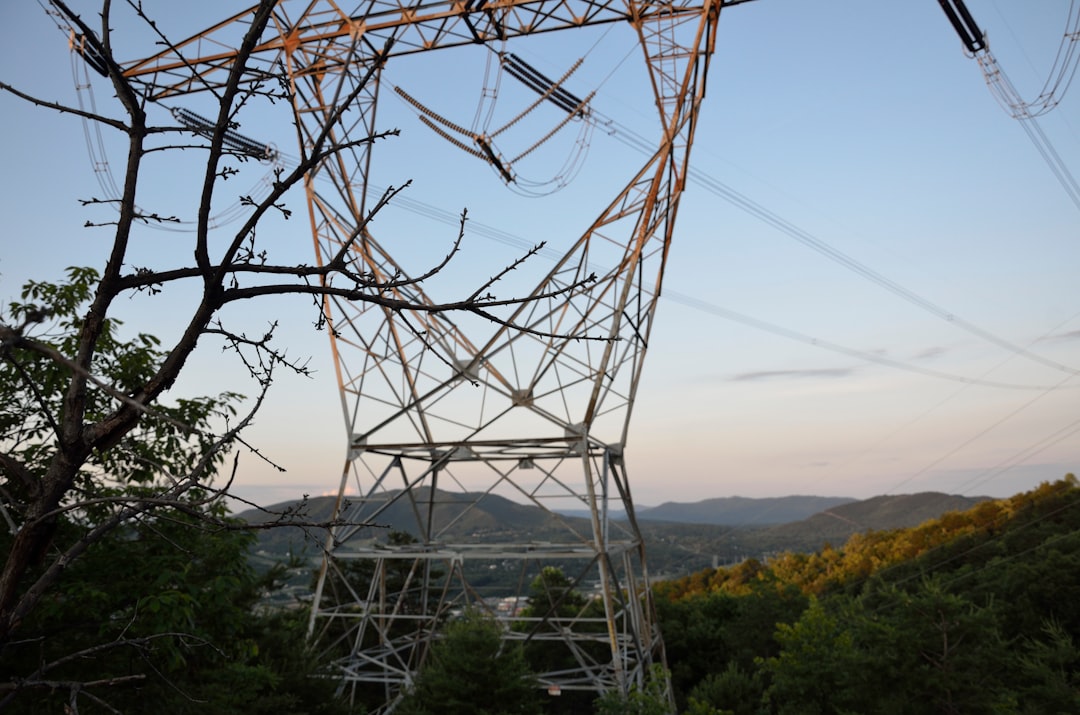
Geomagnetic Induced Currents (GICs) are electrical currents generated in the Earth’s surface and conductive materials due to fluctuations in the Earth’s magnetic field. These fluctuations are primarily caused by solar activity, particularly during geomagnetic storms that occur when solar wind interacts with the Earth’s magnetosphere. The phenomenon results from the interaction between solar radiation and the Earth’s magnetic field, producing variations that can induce currents in long conductors such as power lines and pipelines.
Understanding GICs is essential for evaluating their effects on modern infrastructure, particularly as dependence on electrical systems increases. The mechanism of GICs is based on electromagnetic principles, where changes in magnetic fields induce electric currents in conductive materials. This process follows Faraday’s law of electromagnetic induction, which establishes that a changing magnetic field within a closed loop produces an electromotive force (EMF).
During a geomagnetic storm, rapid changes in the Earth’s magnetic field generate significant currents that flow through the ground and into electrical systems. These currents can disrupt electrical operations and potentially damage equipment, making it important for engineers and scientists to investigate and comprehend this phenomenon.
Key Takeaways
- Geomagnetic Induced Currents (GICs) pose significant risks to power grid stability and infrastructure.
- The power grid is vulnerable to GICs due to its extensive conductive networks and critical equipment.
- Protective strategies include grounding, shielding, advanced monitoring, and early warning systems.
- Collaboration among government, industry, and research institutions is essential for effective mitigation.
- Public awareness and contingency planning are crucial for preparedness against geomagnetic storm impacts.
The Impact of Geomagnetic Induced Currents on the Power Grid
The impact of GICs on the power grid can be profound, leading to disruptions that affect not only individual utilities but also entire regions. When GICs flow through power lines, they can cause voltage instability, transformer saturation, and even equipment failure. This can result in widespread power outages, which can have cascading effects on critical services such as hospitals, transportation systems, and communication networks.
The potential for such disruptions underscores the importance of understanding how GICs interact with the electrical grid and the need for proactive measures to mitigate their effects. Moreover, the economic implications of GIC-induced disruptions can be significant. Utilities may face costly repairs and maintenance following geomagnetic storm events, and prolonged outages can lead to lost revenue and customer dissatisfaction.
In some cases, the financial burden may extend beyond the utility itself, impacting businesses and communities that rely on a stable power supply. As such, understanding the potential impacts of GICs is not only a technical concern but also a matter of economic stability and public safety. The Earth’s Magnetic Field plays a crucial role in protecting our planet from solar radiation.
Vulnerabilities of the Power Grid to Geomagnetic Induced Currents
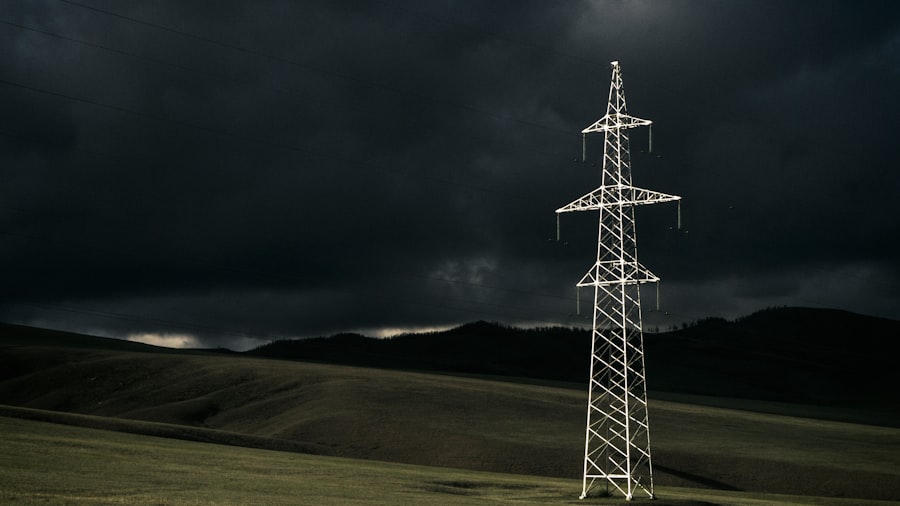
The vulnerabilities of the power grid to GICs stem from its extensive network of transmission lines, substations, and transformers, all of which can act as conduits for induced currents. Long transmission lines are particularly susceptible to GICs because they can capture more of the geomagnetic fluctuations due to their length and conductivity. Additionally, transformers, which are critical components of the power grid, can become saturated when exposed to high levels of GICs, leading to overheating and potential failure.
This vulnerability is exacerbated by the aging infrastructure of many power systems, which may not have been designed with GICs in mind. Furthermore, geographic factors play a role in determining the susceptibility of different regions to GICs. Areas closer to the poles experience stronger geomagnetic effects due to their proximity to the Earth’s magnetic field lines.
Consequently, utilities in these regions may face greater risks during solar storms compared to those located closer to the equator. This uneven distribution of vulnerability highlights the need for tailored strategies that consider local conditions and infrastructure capabilities when addressing the risks posed by GICs.
Strategies for Protecting the Power Grid from Geomagnetic Induced Currents
To protect the power grid from the adverse effects of GICs, utilities must adopt a multifaceted approach that encompasses both technological advancements and operational strategies. One effective strategy involves enhancing system resilience through infrastructure upgrades. This may include reinforcing existing equipment to withstand higher levels of induced currents or replacing aging components with more robust alternatives designed specifically for GIC mitigation.
By investing in modern technology, utilities can reduce their vulnerability and improve overall system reliability. In addition to physical upgrades, utilities should also implement operational strategies that focus on monitoring and response. This includes developing protocols for real-time monitoring of geomagnetic activity and establishing guidelines for adjusting operations during periods of heightened solar activity.
By proactively managing their systems in response to geomagnetic forecasts, utilities can minimize potential disruptions and ensure a more stable power supply during geomagnetic storms.
Implementing Grounding and Shielding Techniques
| Metric | Description | Typical Range/Value | Impact on Power Grid |
|---|---|---|---|
| Geomagnetically Induced Current (GIC) Magnitude | Current induced in power grid conductors due to geomagnetic disturbances | 0 to 100 Amperes (can exceed 300 A in extreme events) | Transformer saturation, increased reactive power demand, potential damage |
| Geomagnetic Disturbance (GMD) Intensity | Strength of geomagnetic storm measured by indices like Kp or Dst | Kp index: 0 to 9; Dst index: 0 to -500 nT (nanoTesla) | Higher intensity increases risk of large GICs and grid instability |
| Transformer Thermal Heating | Temperature rise in transformers due to GIC-induced losses | Up to 50°C above normal operating temperature | Accelerated aging, insulation damage, potential failure |
| Reactive Power Loss | Additional reactive power demand caused by transformer saturation | Up to 30% increase during severe GIC events | Voltage instability, increased risk of blackouts |
| Duration of GIC Event | Length of time GICs persist during geomagnetic storms | Minutes to several hours | Longer duration increases cumulative damage and operational challenges |
| Vulnerability Index | Composite score assessing grid susceptibility to GICs | Scale from 0 (low) to 10 (high) | Helps prioritize mitigation and monitoring efforts |
Grounding and shielding techniques are essential components of a comprehensive strategy for mitigating the effects of GICs on the power grid. Grounding involves creating a low-resistance path for induced currents to flow safely into the Earth, thereby reducing their impact on electrical equipment. Proper grounding practices can help prevent transformer saturation and minimize voltage fluctuations caused by GICs.
Utilities must ensure that their grounding systems are well-designed and maintained to effectively dissipate induced currents during geomagnetic events. Shielding techniques also play a critical role in protecting sensitive equipment from GICs. By using conductive materials to create barriers around transformers and other vulnerable components, utilities can reduce the amount of induced current that reaches these devices.
This approach not only helps protect equipment but also enhances overall system reliability by preventing cascading failures that could arise from localized damage. Implementing effective grounding and shielding measures is vital for safeguarding the power grid against the unpredictable nature of geomagnetic storms.
Utilizing Advanced Monitoring and Early Warning Systems
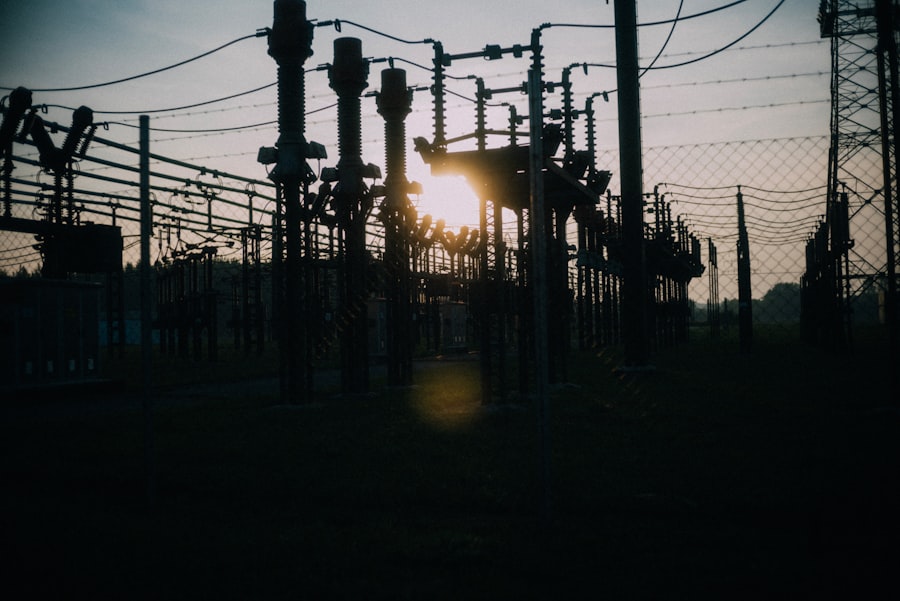
The integration of advanced monitoring and early warning systems is crucial for enhancing the resilience of the power grid against GICs. These systems leverage real-time data collection and analysis to provide utilities with timely information about geomagnetic activity and its potential impacts on their infrastructure. By utilizing satellite data, ground-based sensors, and predictive modeling techniques, utilities can gain insights into impending geomagnetic storms and prepare accordingly.
Early warning systems enable utilities to implement preemptive measures during periods of heightened solar activity. For instance, operators can adjust load levels or temporarily disconnect vulnerable components from the grid to minimize potential damage from induced currents. By adopting a proactive approach based on real-time monitoring, utilities can significantly reduce the risk of outages and equipment failures associated with GICs.
Hardening Power Grid Equipment and Infrastructure
Hardening power grid equipment and infrastructure is a critical step in mitigating the risks posed by geomagnetic induced currents. This process involves upgrading existing equipment to withstand higher levels of induced currents while ensuring that new installations are designed with GIC resilience in mind. For example, transformers can be equipped with protective devices that limit their exposure to excessive currents during geomagnetic events.
In addition to upgrading individual components, utilities should also consider implementing system-wide enhancements that improve overall resilience. This may involve redesigning transmission lines to reduce their susceptibility to induced currents or reinforcing substations with protective measures that shield them from geomagnetic fluctuations. By taking a comprehensive approach to hardening infrastructure, utilities can create a more robust power grid capable of withstanding the challenges posed by geomagnetic storms.
Coordination with Government Agencies and Industry Partners
Effective coordination with government agencies and industry partners is essential for addressing the challenges posed by geomagnetic induced currents.
Government agencies can play a pivotal role in facilitating research initiatives focused on understanding GICs and developing mitigation strategies while providing funding support for infrastructure upgrades.
Industry partnerships also foster innovation by bringing together diverse expertise from various sectors involved in energy production and distribution.
This collective effort strengthens the overall resilience of the power grid against GICs while promoting a culture of preparedness within the energy sector.
Developing Contingency Plans for Geomagnetic Storm Events
Developing contingency plans for geomagnetic storm events is vital for ensuring that utilities are prepared to respond effectively when faced with potential disruptions caused by GICs. These plans should outline specific actions to be taken during different levels of geomagnetic activity, including protocols for monitoring conditions, adjusting operations, and communicating with stakeholders. By having well-defined procedures in place, utilities can minimize response times and mitigate potential impacts on customers.
Moreover, contingency plans should incorporate training programs for utility personnel to ensure they are equipped with the knowledge and skills necessary to implement response strategies effectively. Regular drills and simulations can help reinforce these procedures while identifying areas for improvement within existing plans. By prioritizing preparedness through comprehensive contingency planning, utilities can enhance their ability to navigate geomagnetic storm events while safeguarding critical infrastructure.
Investing in Research and Development for Long-Term Solutions
Investing in research and development (R&D) is essential for identifying long-term solutions to mitigate the impacts of geomagnetic induced currents on the power grid. Ongoing research efforts can lead to advancements in technology that enhance grid resilience while providing valuable insights into understanding GIC behavior during solar storms. Collaborations between academic institutions, government agencies, and industry stakeholders can drive innovation in this field.
R&D initiatives may focus on developing new materials or designs for electrical equipment that are inherently more resistant to GICs or exploring advanced modeling techniques that improve predictive capabilities regarding geomagnetic activity. By prioritizing investment in R&D, utilities can position themselves at the forefront of technological advancements aimed at safeguarding their infrastructure against future challenges posed by geomagnetic storms.
The Importance of Public Awareness and Education on Geomagnetic Induced Currents
Public awareness and education regarding geomagnetic induced currents are crucial components of a comprehensive strategy for mitigating their impacts on society. By informing communities about the potential risks associated with geomagnetic storms and GICs, utilities can foster a culture of preparedness that extends beyond their operations. Educational initiatives may include outreach programs aimed at schools, community organizations, and local governments to raise awareness about how individuals can contribute to resilience efforts.
Additionally, public engagement helps build trust between utilities and their customers by demonstrating transparency regarding potential risks and response strategies. When communities are informed about how GICs could affect their power supply or critical services during geomagnetic events, they are better equipped to respond effectively in times of crisis. Ultimately, fostering public awareness around geomagnetic induced currents enhances overall societal resilience while promoting collaboration between utilities and communities in addressing shared challenges.
Geomagnetically induced currents (GICs) pose a significant threat to the stability of power grids, particularly during geomagnetic storms. These currents can lead to transformer damage and widespread outages, highlighting the need for robust protective measures. For a deeper understanding of the implications of GICs on power grid vulnerability, you can read more in this related article on Freaky Science.
WATCH THIS! 💡 NASA KNEW: The Magnetic Field Secret They Didn’t Tell You
FAQs
What are geomagnetically induced currents (GICs)?
Geomagnetically induced currents (GICs) are electrical currents induced in power grids and other long conductors by variations in the Earth’s magnetic field, typically caused by solar storms or geomagnetic disturbances.
How do geomagnetic storms affect power grids?
Geomagnetic storms can cause fluctuations in the Earth’s magnetic field, inducing currents in power grid infrastructure. These currents can overload transformers, cause voltage instability, and potentially lead to widespread power outages.
Why are power grids vulnerable to GICs?
Power grids are vulnerable because long transmission lines and transformers can act as conductors for GICs. These quasi-DC currents can saturate transformer cores, leading to overheating, damage, and operational failures.
Which components of the power grid are most at risk from GICs?
Transformers, especially high-voltage transformers, are most at risk. GICs can cause transformer saturation, increased reactive power demand, heating, and in severe cases, permanent damage.
What regions are most susceptible to GIC-related power grid issues?
Regions at higher geomagnetic latitudes, such as northern parts of North America, Europe, and Asia, are more susceptible due to stronger geomagnetic disturbances. However, mid-latitude regions can also experience effects during intense solar storms.
How can power grid operators mitigate the risks of GICs?
Mitigation strategies include installing GIC monitoring equipment, using neutral blocking devices, improving transformer design, operational procedures during geomagnetic storms, and enhancing grid resilience through system upgrades.
Are there any historical examples of power outages caused by GICs?
Yes, a notable example is the March 1989 geomagnetic storm that caused a blackout in Quebec, Canada, affecting millions of people. Other events have caused transformer damage and localized outages worldwide.
Can geomagnetic storms be predicted to protect power grids?
Space weather forecasting agencies monitor solar activity and provide warnings of geomagnetic storms. While predictions are improving, exact timing and intensity remain challenging, so operators use forecasts to prepare and respond proactively.
What research is being done to better understand power grid vulnerability to GICs?
Research focuses on modeling GIC effects on power systems, developing improved monitoring and mitigation technologies, studying transformer responses, and enhancing space weather forecasting to reduce grid vulnerability.
Is the threat of GICs increasing with modern power grids?
As power grids expand and incorporate more long-distance high-voltage lines, the potential for GIC impacts may increase. Additionally, reliance on electricity makes understanding and mitigating GIC risks more critical.