Cosmic radiation is high-energy radiation originating from outer space, primarily from the sun and other celestial bodies. It consists of charged particles, including protons and heavier nuclei, along with gamma rays and other electromagnetic radiation. The intensity and composition of cosmic radiation vary based on factors such as solar activity and Earth’s orbital position.
Scientists study cosmic radiation due to its relevance for space exploration and its effects on terrestrial life. The study of cosmic radiation involves multiple disciplines, including astrophysics, atmospheric science, and health physics. Researchers use specialized instruments to measure cosmic rays at different altitudes and locations, generating data that enhances understanding of their behavior and potential impacts.
As human space exploration expands, the importance of understanding cosmic radiation increases, requiring comprehensive knowledge of its properties and effects on human health and technological systems.
Key Takeaways
- Cosmic radiation poses significant risks but is largely mitigated by Earth’s atmospheric shield.
- The atmosphere and ozone layer provide natural protection against harmful cosmic rays.
- Human activities and innovations play a crucial role in enhancing atmospheric shielding.
- Collaborative global efforts are essential to maintain and protect Earth’s protective layers.
- Advancements in technology aim to improve shielding and reduce future cosmic radiation exposure risks.
The Earth’s Atmospheric Shield
The Earth is enveloped by a protective atmosphere that plays a crucial role in shielding the planet from cosmic radiation. This atmospheric shield is composed of various gases, primarily nitrogen and oxygen, which absorb and scatter incoming radiation. The atmosphere acts as a barrier, reducing the intensity of cosmic rays that reach the surface.
Without this protective layer, life on Earth would be exposed to significantly higher levels of radiation, which could have detrimental effects on biological systems. The effectiveness of the Earth’s atmosphere in shielding against cosmic radiation is influenced by several factors, including altitude and geographic location. At higher altitudes, such as in mountainous regions or during air travel, the atmosphere is thinner, allowing more cosmic rays to penetrate.
Conversely, at sea level, the denser layers of the atmosphere provide greater protection. This variation highlights the importance of understanding how different environments can affect exposure to cosmic radiation. The Earth’s Magnetic Field plays a crucial role in protecting our planet from solar radiation.
The Impact of Cosmic Radiation on Earth
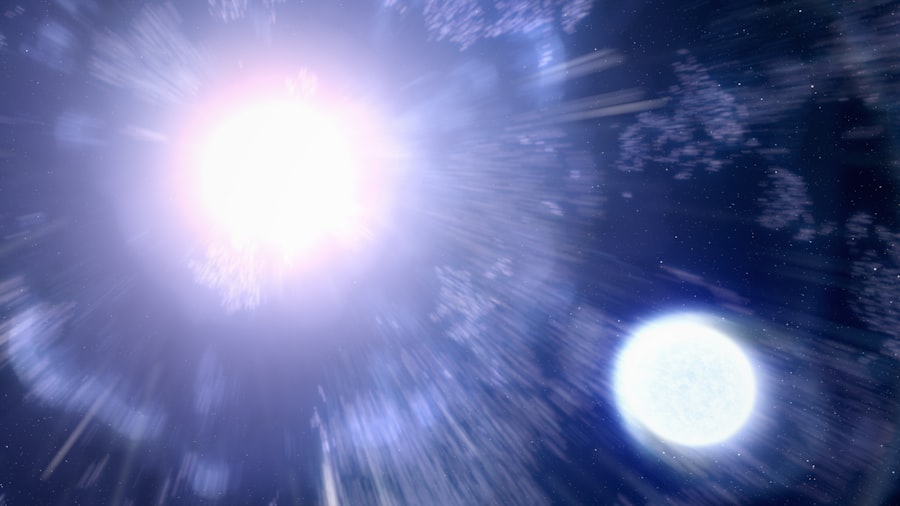
Cosmic radiation has a multifaceted impact on Earth, influencing both the environment and living organisms. While the majority of cosmic rays are absorbed or deflected by the atmosphere, a small fraction does reach the surface, where it can interact with matter.
In addition to its physical effects, cosmic radiation can also have biological implications. Research has shown that exposure to high levels of cosmic radiation can damage DNA and other cellular structures, potentially leading to mutations and increased cancer risk. However, it is essential to note that the levels of cosmic radiation experienced on Earth’s surface are generally low and are considered safe for human health under normal circumstances.
Nonetheless, understanding these impacts is vital for assessing risks associated with space travel and long-term exposure to elevated radiation levels.
The Importance of Atmospheric Shielding
Atmospheric shielding is critical for maintaining life on Earth as it mitigates the harmful effects of cosmic radiation. The atmosphere not only protects living organisms from high-energy particles but also plays a role in regulating climate and weather patterns. By absorbing and scattering incoming radiation, the atmosphere helps to maintain a stable environment conducive to life.
Moreover, atmospheric shielding contributes to the preservation of ecosystems by protecting flora and fauna from excessive radiation exposure. Plants, for instance, rely on sunlight for photosynthesis; however, too much cosmic radiation can disrupt this process and hinder growth. By filtering out harmful radiation, the atmosphere ensures that ecosystems remain balanced and resilient against environmental stressors.
Natural Protection from Cosmic Radiation
| Altitude (km) | Cosmic Radiation Dose Rate (µSv/h) | Atmospheric Shielding Effectiveness (%) | Primary Radiation Type | Notes |
|---|---|---|---|---|
| 0 (Sea Level) | 0.03 | ~99.9 | Secondary cosmic rays (muons, neutrons) | Maximum atmospheric shielding |
| 5 | 0.1 | ~99.5 | Secondary cosmic rays | Reduced shielding, increased dose |
| 10 | 0.3 | ~98.5 | Secondary cosmic rays and some primaries | Near tropopause, shielding decreases |
| 20 | 1.0 | ~95 | Primary cosmic rays (protons, alpha particles) | Stratosphere, less atmospheric mass |
| 30 | 3.0 | ~85 | Primary cosmic rays | Upper stratosphere, significant exposure |
| 40 | 5.0 | ~70 | Primary cosmic rays | Lower mesosphere, minimal shielding |
| 50 | 10.0 | ~50 | Primary cosmic rays | Mesosphere, half atmospheric shielding |
| 100 (Near Space) | 50.0 | ~10 | Primary cosmic rays and solar particles | Near space, minimal atmospheric protection |
In addition to the atmosphere, Earth possesses other natural mechanisms that provide protection from cosmic radiation. The planet’s magnetic field acts as a shield against charged particles emitted by the sun and other celestial sources. This geomagnetic field deflects many high-energy particles away from the surface, further reducing exposure levels.
The interaction between the Earth’s magnetic field and solar wind creates phenomena such as auroras, which are visible manifestations of this protective mechanism. These natural displays serve as a reminder of the dynamic relationship between cosmic forces and Earth’s environment. Understanding these protective systems is essential for appreciating how life has evolved in harmony with cosmic influences over millions of years.
Human-made Atmospheric Shielding
As humanity continues to explore space and develop technology that operates in high-radiation environments, human-made atmospheric shielding has become increasingly important. Engineers and scientists are working on innovative materials and designs that can effectively shield spacecraft and satellites from cosmic radiation. These advancements aim to protect astronauts during long-duration missions beyond Earth’s protective atmosphere.
One approach involves using advanced materials that can absorb or deflect radiation more effectively than traditional shielding methods. For instance, researchers are exploring the use of polyethylene and other hydrogen-rich materials that can provide superior protection against cosmic rays. Additionally, active shielding techniques are being investigated, which involve generating magnetic or electric fields around spacecraft to repel charged particles.
These innovations represent a significant step forward in ensuring the safety of human exploration beyond our planet.
Potential Risks of Cosmic Radiation Exposure
While the Earth’s atmosphere provides substantial protection against cosmic radiation, certain situations can lead to increased exposure risks. For example, astronauts traveling beyond low Earth orbit face heightened levels of cosmic radiation due to their distance from the protective layers of the atmosphere. Prolonged exposure in space can lead to various health concerns, including an elevated risk of cancer, cardiovascular issues, and potential damage to the central nervous system.
Moreover, individuals living at high altitudes or frequent fliers may experience slightly increased exposure to cosmic rays compared to those at sea level. Although these risks are generally low for most people, they underscore the importance of monitoring and understanding cosmic radiation exposure in different contexts. As space exploration becomes more common, addressing these risks will be crucial for ensuring astronaut safety and public health.
Innovations in Atmospheric Shielding Technology
The quest for improved atmospheric shielding technology has led to numerous innovations aimed at enhancing protection against cosmic radiation. Researchers are exploring various materials and designs that can be integrated into spacecraft and habitats for long-duration missions. One promising area of research involves using nanomaterials that exhibit unique properties for radiation absorption.
Additionally, advancements in computational modeling allow scientists to simulate how different shielding configurations perform under various conditions. This enables engineers to optimize designs before physical prototypes are built, saving time and resources in the development process. As technology continues to evolve, these innovations hold great potential for improving safety in space exploration while also providing insights into atmospheric science on Earth.
Protecting Earth’s Ozone Layer
The ozone layer plays a vital role in protecting life on Earth by absorbing harmful ultraviolet (UV) radiation from the sun. While it primarily serves as a shield against UV rays rather than cosmic radiation, its preservation is essential for maintaining overall atmospheric health. The depletion of the ozone layer due to human activities has raised concerns about increased UV exposure, which can have detrimental effects on human health and ecosystems.
Efforts to protect the ozone layer have led to international agreements such as the Montreal Protocol, which successfully phased out many ozone-depleting substances. These collaborative efforts demonstrate how global cooperation can address environmental challenges effectively. By safeguarding the ozone layer, humanity not only protects itself from harmful UV radiation but also contributes to maintaining a stable atmosphere that supports life.
Collaborative Efforts to Safeguard the Planet
Addressing the challenges posed by cosmic radiation requires collaborative efforts across various scientific disciplines and international borders. Researchers from different fields must work together to share knowledge and develop comprehensive strategies for monitoring and mitigating risks associated with cosmic exposure. This collaboration extends beyond academia; governments, space agencies, and private organizations must unite in their efforts to ensure safe exploration and habitation beyond Earth.
International partnerships have already proven effective in advancing research on cosmic radiation and atmospheric science. Initiatives such as joint satellite missions allow scientists from different countries to gather data on cosmic rays and their interactions with Earth’s atmosphere. By pooling resources and expertise, these collaborative efforts enhance understanding and foster innovation in atmospheric shielding technologies.
The Future of Earth’s Atmospheric Shielding
Looking ahead, the future of Earth’s atmospheric shielding will likely involve continued advancements in technology and a deeper understanding of cosmic radiation’s effects on life. As humanity pushes further into space exploration, developing effective shielding solutions will be paramount for ensuring astronaut safety during long missions beyond Earth’s protective layers.
This understanding will be crucial for developing strategies to protect both human health and environmental integrity on Earth. As scientists continue to explore innovative materials and designs for shielding technologies, they will contribute not only to space exploration but also to broader applications that benefit life on our planet. In conclusion, cosmic radiation presents both challenges and opportunities for scientific inquiry and technological advancement.
By understanding its nature and effects while leveraging natural protective mechanisms like the atmosphere and magnetic field, humanity can navigate these challenges effectively. Through collaborative efforts and innovative solutions, there is hope for a future where both space exploration and life on Earth can thrive in harmony with the cosmos.
Cosmic radiation poses significant risks to astronauts and high-altitude flights, making atmospheric shielding a critical area of research. For a deeper understanding of the mechanisms and advancements in this field, you can explore the article on cosmic radiation and its implications for space travel at Freaky Science. This resource provides valuable insights into how atmospheric layers can help mitigate the effects of cosmic rays and enhance safety for those venturing beyond our planet.
WATCH THIS! 💡 NASA KNEW: The Magnetic Field Secret They Didn’t Tell You
FAQs
What is cosmic radiation?
Cosmic radiation refers to high-energy particles originating from outer space, including protons, atomic nuclei, and other subatomic particles. These particles travel at nearly the speed of light and can penetrate the Earth’s atmosphere.
Why is atmospheric shielding important against cosmic radiation?
The Earth’s atmosphere acts as a protective shield by absorbing and deflecting much of the harmful cosmic radiation. Without this shielding, living organisms on the surface would be exposed to higher levels of radiation, which can damage cells and DNA.
How does the atmosphere shield us from cosmic radiation?
The atmosphere reduces cosmic radiation through a process called atmospheric attenuation. As cosmic rays enter the atmosphere, they collide with air molecules, creating secondary particles and reducing the intensity of the radiation that reaches the surface.
Does atmospheric shielding completely block cosmic radiation?
No, atmospheric shielding does not completely block cosmic radiation. Some high-energy particles and secondary radiation still reach the Earth’s surface, but at much lower levels than in space or at high altitudes.
How does altitude affect exposure to cosmic radiation?
Exposure to cosmic radiation increases with altitude because the atmosphere becomes thinner and provides less shielding. For example, airline crew and passengers flying at high altitudes receive higher doses of cosmic radiation compared to people at sea level.
Are there other forms of shielding against cosmic radiation besides the atmosphere?
Yes, in space missions, spacecraft use additional shielding materials such as aluminum and polyethylene to protect astronauts from cosmic radiation. On Earth, buildings and underground locations also provide some protection.
What are the health risks associated with cosmic radiation?
Prolonged or intense exposure to cosmic radiation can increase the risk of cancer, damage to tissues and organs, and genetic mutations. However, the Earth’s atmosphere significantly reduces these risks for people living at the surface.
How is cosmic radiation measured?
Cosmic radiation is measured using instruments such as Geiger counters, scintillation detectors, and dosimeters. These devices detect and quantify the intensity and energy of radiation particles.
Can cosmic radiation affect electronic devices?
Yes, cosmic radiation can cause malfunctions in electronic devices, especially in satellites and high-altitude aircraft. This is due to single-event upsets where high-energy particles disrupt electronic circuits.
Is cosmic radiation the same everywhere on Earth?
No, cosmic radiation levels vary depending on geographic location, altitude, and the Earth’s magnetic field. Polar regions and high altitudes generally experience higher levels of cosmic radiation.