
The familiar hiss and whistle of a pressure cooker might conjure images of bustling kitchens and rapid meal preparation, but the science behind its remarkable speed is elegantly simple, rooted in fundamental principles of physics and chemistry. At its core, a pressure cooker operates by trapping steam, which in turn elevates both the temperature and the pressure inside the pot. This dynamic combination dramatically accelerates the cooking process compared to conventional methods. Understanding these underlying mechanisms reveals why a tough cut of meat can become fork-tender in a fraction of the time or why dried beans can be cooked to perfection without an overnight soak.
The Boiling Point Paradox: Water’s Temperature Limit
One of the most significant factors contributing to a pressure cooker’s efficiency lies in its ability to push water beyond its normal boiling point. At standard atmospheric pressure, water boils at 100 degrees Celsius (212 degrees Fahrenheit). This temperature is a fundamental characteristic of water at sea level. However, this limit is directly tied to the surrounding air pressure. When the air pressure decreases, water boils at a lower temperature; conversely, when the air pressure increases, the boiling point of water also rises. This phenomenon is crucial for understanding how pressure cookers achieve higher cooking temperatures.
Atmospheric Pressure’s Role in Boiling
Atmospheric pressure is the force exerted by the weight of the air above us. At sea level, this pressure is approximately 1 atmosphere (atm) or 14.7 pounds per square inch (psi). This pressure pushes down on the surface of liquids, including water. For water molecules to transition from a liquid state to a gaseous state (steam), they need enough kinetic energy to overcome both the intermolecular forces holding them together and the external pressure pushing down on them. When the vapor pressure of the water equals the external atmospheric pressure, boiling occurs.
Raising the Stakes: Pressure Cooker Dynamics
A pressure cooker is essentially a sealed pot with a lid that locks tightly. When food and liquid are placed inside and heated, the water begins to evaporate, generating steam. Because the pot is sealed, this steam cannot escape. As more steam is produced, the air inside the pot is displaced, and the pressure begins to build. This increased pressure within the sealed vessel directly impacts the boiling point of the water. With higher pressure pushing down on the water’s surface, the water molecules require more energy to escape into the gaseous phase. Consequently, the water can reach temperatures significantly higher than 100 degrees Celsius before it boils. Most stovetop pressure cookers are designed to operate at pressures of around 15 psi above atmospheric pressure, which can raise the boiling point of water to approximately 121 degrees Celsius (250 degrees Fahrenheit). This seemingly small increase in temperature has a profound effect on cooking times.
If you’re curious about the science behind pressure cookers and want a simplified explanation, you might find this related article helpful. It breaks down the principles of pressure cooking in an easy-to-understand manner, making it accessible for everyone. To explore more about the fascinating science of pressure cooking, check out this article: Pressure Cooker Science Explained Simply.
The Chemistry of Accelerated Cooking: Heat Transfer and Molecular Breakdown
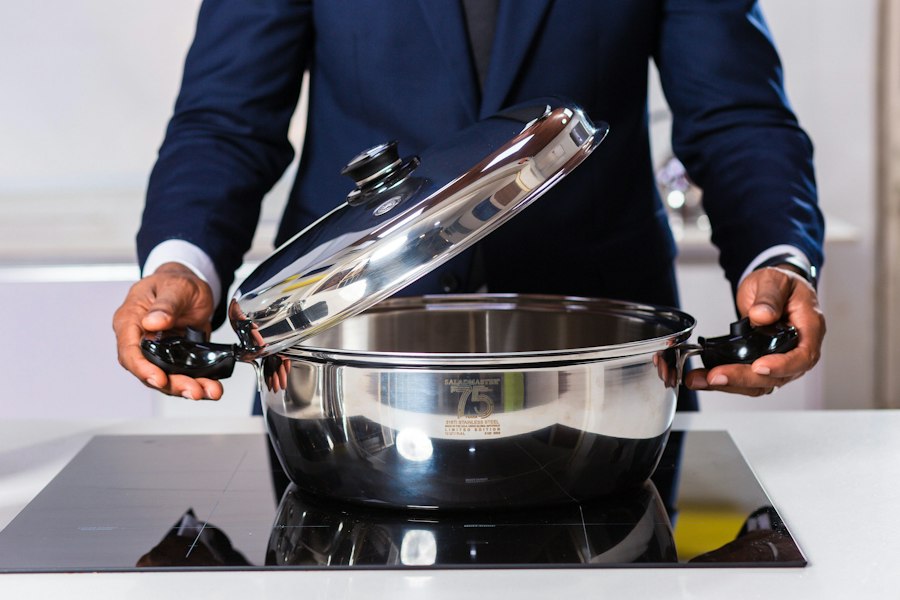
The elevated temperatures achieved within a pressure cooker are the primary drivers of accelerated cooking. Higher temperatures lead to more vigorous molecular activity, speeding up chemical reactions that break down food components, tenderize tough ingredients, and infuse flavors. This is not merely a matter of applying heat; it’s about applying heat more intensely and efficiently.
Enhanced Heat Transfer Rates
Heat transfer is the process by which thermal energy moves from a hotter object to a cooler one. In cooking, this typically occurs through conduction, convection, and radiation. Within a pressure cooker, the sealed environment and the presence of steam play a crucial role in enhancing heat transfer. Steam is an excellent conductor of heat, far more effective than air at transferring thermal energy. As the water inside the pressure cooker heats up and turns into steam, this superheated steam envelops the food, transferring its thermal energy rapidly and uniformly. This efficient heat transfer means that the heat penetrates the food more quickly and deeply than in conventional cooking methods, such as simmering or boiling in an open pot where heat is lost to the surrounding air. The increased pressure also contributes to more efficient heat transfer by forcing the steam into closer contact with the food’s surface.
Breaking Down Complex Molecules
Many foods, especially tougher cuts of meat, dried legumes, and fibrous vegetables, contain complex molecules like proteins, starches, and connective tissues. Cooking involves breaking down these molecules into smaller, more digestible components, which also contributes to tenderness and palatability. Higher temperatures significantly accelerate these breakdown processes. For example, the collagen in connective tissues, which is tough and rubbery at lower temperatures, begins to break down into gelatin at temperatures above 70 degrees Celsius (158 degrees Fahrenheit). In a pressure cooker, the water reaching temperatures of 121 degrees Celsius (250 degrees Fahrenheit) causes collagen to denature and hydrolyze much faster, transforming tough meats into melt-in-your-mouth textures in a significantly reduced timeframe. Similarly, the long, complex carbohydrate chains in starches, like those found in beans, are more readily hydrolyzed and softened at higher temperatures.
Beyond Temperature: The Impact of Increased Pressure
While the elevated temperature is the most significant factor, the increased pressure inside a pressure cooker also plays a supporting role in the cooking process, albeit a less direct one than temperature. The pressure’s primary contribution is enabling the higher temperatures in the first place, but it also has subtle effects on how moisture behaves and how flavors develop.
Moisture Retention and Penetration
The sealed nature of a pressure cooker prevents moisture from escaping as steam. This leads to a higher level of moisture retention within the cooking environment. This is particularly beneficial for foods that tend to dry out during conventional cooking. Furthermore, the increased pressure can influence how liquids and their dissolved flavor compounds penetrate the food. While not as dramatic as the effect of temperature, some research suggests that higher pressure can slightly enhance the diffusion of liquids into porous food structures. This could contribute to more even cooking and better flavor distribution, especially in dense ingredients.
Flavor Development and Infusion
The process of cooking is not just about physical transformation but also about chemical reactions that create desirable flavors and aromas. Higher temperatures accelerate these flavor-generating reactions, such as the Maillard reaction, which is responsible for the browning and complex flavors in many cooked foods. In a pressure cooker, the combination of high heat and a moist environment can create a unique set of conditions for flavor development. The trapped steam can also act as a carrier for aromatic compounds released from the food, leading to a more concentrated and intense flavor profile. The rapid cooking time also means that certain volatile flavor compounds, which might be lost to evaporation in conventional methods, are retained.
Safety Mechanisms: Ensuring Controlled Pressure
The very principle that makes a pressure cooker so effective – the buildup of internal pressure – also necessitates robust safety mechanisms to prevent dangerous over-pressurization. Manufacturers incorporate several features to ensure that the pressure remains within safe operating limits and that the cooker can be opened only when it is safe to do so. These safety measures are crucial for the user’s well-being and are an integral part of the pressure cooker’s design.
The Pressure Regulator Valve: The Heart of Control
The most critical safety component of a pressure cooker is the pressure regulator valve, often referred to as the “jiggler” or “weight.” This valve is designed to release excess steam when the internal pressure reaches a predetermined level. It typically consists of a weighted cap that sits atop a vent. As the pressure builds, it lifts the weight, allowing steam to escape. This regulated release of steam maintains a consistent cooking pressure and temperature inside the pot. The amount of steam released is just enough to keep the pressure from exceeding the safe operating limit. Different pressure cookers have different weight settings, resulting in different operating pressures and, consequently, different cooking times.
Secondary Safety Features: Backup Protections
In addition to the primary pressure regulator, most modern pressure cookers are equipped with secondary safety features as a failsafe. These often include a safety vent or a spring-loaded valve. If the primary regulator becomes blocked or malfunctions, these secondary mechanisms are designed to release steam, preventing a dangerous buildup of pressure. Another common safety feature is the locking lid mechanism. This mechanism prevents the lid from being opened while the pot is still under pressure. Many lids have a pin or a locking indicator that is only released when the internal pressure has completely dissipated, ensuring that the user cannot accidentally open the cooker during the cooking cycle. These multiple layers of safety are testament to the engineering involved in making this powerful cooking tool both effective and safe for home use.
If you’re curious about how pressure cookers work and the science behind them, you might find this article on pressure cooker science explained simply quite enlightening. It breaks down the principles of pressure and temperature in a way that’s easy to understand, making it perfect for both beginners and cooking enthusiasts. To dive deeper into this fascinating topic, check out the article here: pressure cooker science.
Applications and Advantages: From Weeknight Meals to Gourmet Delights
| Parameter | Description | Typical Value | Unit |
|---|---|---|---|
| Atmospheric Pressure | Pressure at sea level outside the cooker | 101.3 | kPa |
| Pressure Inside Cooker | Increased pressure due to steam buildup | 200-250 | kPa |
| Boiling Point of Water (at atmospheric pressure) | Temperature at which water boils at 101.3 kPa | 100 | °C |
| Boiling Point of Water (inside cooker) | Elevated boiling point due to increased pressure | 120-125 | °C |
| Cooking Time Reduction | Typical decrease in cooking time compared to conventional methods | 50-70 | % |
| Steam Pressure Increase | Pressure increase caused by trapped steam | ~100-150 | kPa above atmospheric |
| Heat Transfer Method | Primary method of heat transfer inside cooker | Convection and conduction | N/A |
| Safety Valve Pressure | Pressure at which safety valve releases steam | 250 | kPa |
The scientific principles at play in a pressure cooker translate into significant practical advantages, making it a valuable tool for a wide range of culinary applications. From simplifying weeknight dinners to tackling challenging ingredients, its efficiency and effectiveness are widely recognized.
Time Savings and Convenience
The most obvious advantage of pressure cooking is the dramatic reduction in cooking time. Ingredients that would typically take hours to cook, such as tough cuts of meat, dried beans, and whole grains, can be prepared in a fraction of that time. This makes it an ideal solution for busy individuals and families who need to prepare nutritious and delicious meals quickly. The “set it and forget it” nature of many pressure cooker recipes also adds to its convenience, allowing users to attend to other tasks while their meal cooks safely and efficiently.
Nutrient Retention and Energy Efficiency
While high heat can sometimes degrade certain nutrients, the short cooking times and the sealed environment of a pressure cooker can actually help to preserve more nutrients compared to longer cooking methods. Many vitamins and minerals are water-soluble and can be lost during prolonged boiling or simmering. The efficient heat transfer and reduced cooking time in a pressure cooker minimize this loss. Furthermore, because the cooker operates for a shorter duration, it can be more energy-efficient than conventional methods, saving both time and resources in the kitchen.
Versatility in the Kitchen
The versatility of a pressure cooker extends beyond just speeding up cooking. It excels at tenderizing meats, cooking dried legumes without soaking, preparing stocks and broths in record time, and even making perfectly cooked grains and desserts. It can be used for a wide array of cuisines and dishes, from hearty stews and curries to delicate custards and risottos. The ability to achieve both tender textures and deep flavors makes it a valuable asset for both novice cooks and experienced gourmands looking to enhance their culinary repertoire.
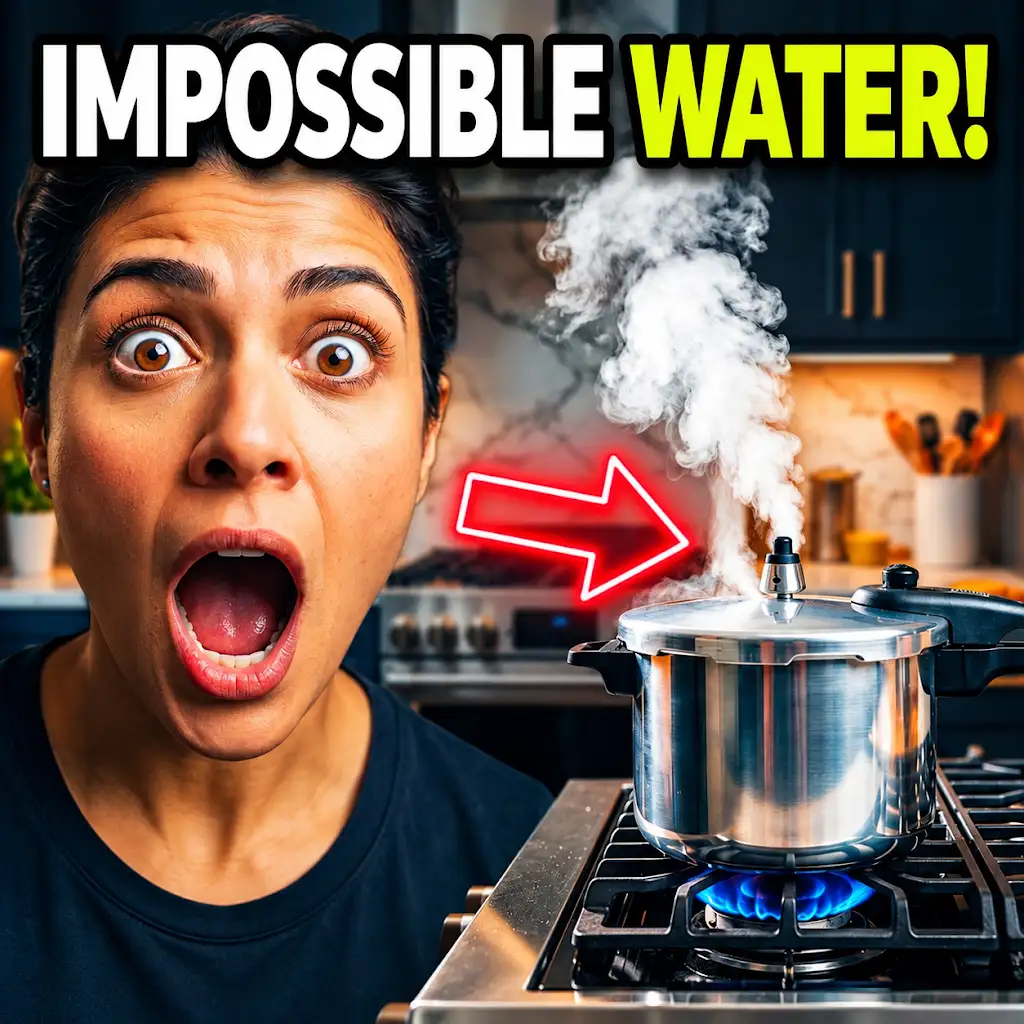
Why This Water Doesn’t Boil at 100°C
FAQs
How does a pressure cooker work?
A pressure cooker works by trapping steam produced from boiling water inside a sealed pot. As the steam builds up, it increases the pressure inside the pot, which raises the boiling point of water. This higher temperature cooks food faster than traditional methods.
Is cooking with a pressure cooker safe?
When used correctly and following the manufacturer’s instructions, cooking with a pressure cooker is safe. Modern pressure cookers come with safety features such as pressure release valves to prevent accidents.
What are the benefits of using a pressure cooker?
Using a pressure cooker can significantly reduce cooking time, making it a time-saving kitchen appliance. It also helps retain more nutrients in food due to the shorter cooking time and requires less water, which helps preserve the flavors of the ingredients.
Can any recipe be adapted for a pressure cooker?
Not all recipes can be adapted for a pressure cooker. Recipes that require browning, thickening, or ingredients that cook at different times may not work well in a pressure cooker. It’s best to follow pressure cooker-specific recipes for optimal results.
How do you release pressure from a pressure cooker?
There are two main methods to release pressure from a pressure cooker: natural release and quick release. Natural release involves letting the pressure decrease naturally after turning off the heat, while quick release involves manually releasing the pressure using the valve on the cooker.