The integrity of our modern world hinges on a vast, intricate network – the power grid. This invisible web of generation, transmission, and distribution is the lifeblood of our connected society, delivering electricity that fuels our homes, businesses, and essential services. However, this vital infrastructure, so often taken for granted, faces a profound and potentially catastrophic threat: the geomagnetic pole shift. This article will delve into the multifaceted implications of such an event for our power grids.
The Earth’s Magnetic Shield
The Earth is not a static planet; its core churns, generating a protective magnetic field. This field, extending far into space, acts as a vital shield, deflecting harmful charged particles from the sun, known as the solar wind, and cosmic rays from deep space. This shield is crucial for life on Earth, preventing the stripping away of our atmosphere and protecting us from dangerous radiation. The magnetic field is not uniform, and its strength and orientation are constantly in flux, though these changes are typically gradual.
What is a Pole Shift?
A geomagnetic pole shift is a process where the Earth’s magnetic north and south poles swap positions. This is not a sudden, instantaneous flip, but rather a gradual process that can take thousands of years. During the transition, the magnetic field weakens significantly, becoming more complex and distorted. Scientists believe that throughout Earth’s history, numerous pole reversals have occurred, with the last full reversal estimated to have taken place around 780,000 years ago. Evidence for these reversals is preserved in the magnetic orientation of rocks formed over geological time.
The Geomagnetic Excursion: A Precursor?
Before a full reversal, the Earth’s magnetic field can undergo periods of instability known as geomagnetic excursions. During these events, the magnetic poles may wander erratically, and the overall field strength can drop substantially. While an excursion is not a full pole reversal, it represents a significant weakening of the magnetic shield and could still pose considerable risks. The boundaries between a prolonged excursion and the initial stages of a reversal are not always clearly defined.
Detecting and Predicting Pole Shifts
Directly observing the Earth’s magnetic field over long geological timescales is challenging. Scientists rely on paleomagnetic data – the study of the magnetic record in ancient rocks and sediments – to reconstruct past field behavior. Analyzing magnetic signatures in volcanic rocks, lakebed sediments, and oceanic crust provides crucial insights into the frequency and duration of past reversals. Current monitoring networks, such as the World Magnetic Model, track the ongoing drift of the magnetic poles, which is currently moving at a surprisingly rapid pace, leading some to speculate about the possibility of an impending shift, though the timeline remains highly uncertain.
During a pole shift, the stability of power grids can be severely affected due to changes in Earth’s magnetic field and increased solar radiation. An insightful article that delves into the implications of such shifts on electrical infrastructure can be found at Freaky Science. This resource explores the potential vulnerabilities of power systems and the necessary precautions that can be taken to mitigate the risks associated with these geological events.
The Weakened Magnetic Field: A Vulnerable Grid
Increased Solar and Cosmic Radiation
As the geomagnetic field weakens and becomes more complex during a pole shift, its ability to deflect charged particles from space diminishes. This means that a much larger flux of solar energetic particles (SEPs) and galactic cosmic rays (GCRs) will penetrate deeper into Earth’s atmosphere. These high-energy particles can bombard our planet, posing a direct threat to sensitive electronic components. Think of the magnetic field as a strong dam holding back a torrent; as the dam weakens, the water pressure rises, and the risk of breaches increases.
Impact on Satellites
Our modern infrastructure relies heavily on a network of satellites for communication, navigation (GPS), weather forecasting, and scientific research. These satellites orbit far above the atmosphere, where they are much more exposed to the unfiltered onslaught of solar and cosmic radiation. During a period of weakened magnetic shielding, satellites would experience increased doses of radiation, leading to electronic malfunctions, data corruption, and even permanent damage. The loss or degradation of critical satellite services would cripple our ability to manage and operate the power grid efficiently.
Increased Atmospheric Ionization
The influx of energetic particles can ionize the Earth’s upper atmosphere, creating a more conductive environment. While this may sound like a minor atmospheric change, it can have significant knock-on effects for ground-based electrical systems. The altered conductivity might influence atmospheric electricity phenomena, potentially leading to increased lightning activity or other unpredictable electrical discharges.
Geomagnetic Disturbances and Power Grid Vulnerabilities
Geomagnetic Induced Currents (GICs)
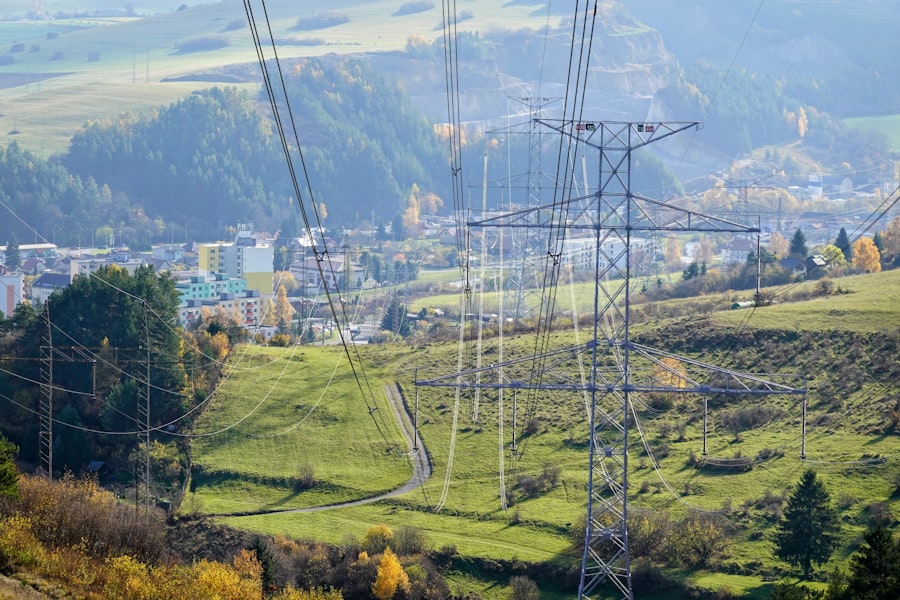
The most significant threat to power grids from geomagnetic activity stems from Geomagnetically Induced Currents (GICs). When a particularly strong solar storm erupts, sending a surge of charged particles towards Earth, the interaction with the Earth’s magnetic field can induce powerful currents in long, conductive structures like power lines. These are not currents flowing from the generators; they are unwanted currents superimposed onto the existing electricity flow. Imagine a powerful magnet being swirled rapidly near a metal wire – this induces a current in the wire. Solar storms act as those powerful magnets, and our power lines act as the wires.
How GICs Affect Transformers
The primary vulnerability lies within the large, high-voltage transformers that are the backbone of the transmission and distribution network. These transformers have massive coils of wire that are extremely sensitive to DC currents. While the power grid is designed for AC (alternating current), GICs are essentially DC or quasi-DC. When GICs flow through the windings of a transformer, they saturate the core, meaning it can no longer effectively store and transfer magnetic energy. This saturation can lead to several critical problems:
Overheating and Damage
The saturation of transformer cores causes eddy currents to flow within the core material, generating significant heat. This excessive heat can warp the core, damage the insulation between the windings, and lead to outright failure. Many transformers in use are aging, and their ability to withstand such thermal stress is already compromised.
Protective Relay Malfunctions
The sensitive relays designed to protect the power grid from faults can be misled by the presence of GICs. These relays might interpret the superimposed DC current as a fault condition and incorrectly trip circuit breakers, leading to widespread power outages. This is like a smoke detector being triggered by steam, shutting down the entire building unnecessarily.
Harmonic Distortion
GICs can introduce harmonic distortion into the AC waveform, disrupting the quality of the electricity being supplied. This can affect the operation of sensitive electronic equipment connected to the grid, causing malfunctions and potential damage.
Cascading Failures
The interconnected nature of modern power grids means that the failure of a single component, or even a localized outage, can trigger a domino effect. A transformer failure in one substation can overload connected lines, leading to further failures in neighboring substations. During a severe geomagnetic event, the widespread nature of GICs could overwhelm these protective mechanisms, leading to a cascading failure that plunges vast regions into darkness. This is the electrical equivalent of a massive traffic jam, where one accident can bring the entire highway system to a standstill.
Long-Term Consequences of Grid Collapse
Widespread Blackouts
The most immediate and obvious consequence of a severe pole shift event causing widespread grid disruption would be prolonged and extensive blackouts. Unlike typical power outages that are resolved within hours or days, a grid collapse triggered by a geomagnetic event could last for weeks, months, or even longer, depending on the severity and duration of the weakening magnetic field and the extent of equipment damage.
Disruption of Essential Services
Modern society is utterly dependent on electricity for nearly every aspect of daily life. A prolonged blackout would cripple:
Healthcare
Hospitals, reliant on sophisticated medical equipment and life support systems, would face an immediate crisis. The inability to power critical care units, operate diagnostic machinery, and maintain sterile environments would have devastating consequences. Backup generators, though essential, have finite fuel supplies and are not designed for indefinite operation.
Communication Networks
Beyond satellite communications, much of our ground-based communication infrastructure, including cell towers and internet servers, relies on a constant power supply. A prolonged blackout would silence our phones, disable our internet access, and halt the flow of information, leading to social isolation and hindering coordinated emergency response efforts.
Water and Sanitation
Pumping stations for both potable water and sewage treatment are electrically powered. A prolonged outage would lead to dwindling supplies of clean water and the potential for widespread sanitation failures, creating severe public health risks.
Transportation
Traffic lights would cease to function, leading to chaos on the roads. Electric trains, subways, and the control systems for air traffic would be inoperable. The reliance of modern supply chains on refrigerated transport would also mean food and essential goods would spoil quickly.
Economic Devastation
The economic impact of a prolonged grid collapse would be catastrophic. Businesses would be unable to operate, supply chains would break down, and financial markets would grind to a halt. The loss of productivity, coupled with the enormous cost of repairing and replacing damaged infrastructure, would lead to a global economic depression of an unprecedented scale.
Social Unrest and Instability
Extended periods without power, coupled with the disruption of essential services and the paralysis of the economy, would inevitably lead to social unrest. Competition for dwindling resources, fear, and desperation could erode social order, posing significant challenges to government authority and emergency services.
As scientists continue to study the potential impacts of a pole shift, one area of concern is the stability of power grids. A recent article discusses how shifts in the Earth’s magnetic field could lead to increased solar radiation exposure, which might disrupt electrical systems and lead to widespread outages. Understanding these implications is crucial for preparing our infrastructure for such events. For more insights on this topic, you can read the article on Freaky Science.
Mitigation and Preparedness Strategies
| Metric | Effect During Pole Shift | Explanation |
|---|---|---|
| Geomagnetic Storm Intensity | Significant Increase | Shifts in Earth’s magnetic poles can cause increased geomagnetic activity, leading to stronger geomagnetic storms. |
| Induced Currents in Power Lines | Elevated Levels | Rapid changes in magnetic fields induce currents in long conductors, potentially damaging transformers and grid infrastructure. |
| Transformer Damage Rate | Higher Failure Rates | Increased geomagnetically induced currents (GICs) can cause overheating and failure of transformers. |
| Grid Stability | Decreased Stability | Fluctuations in power flow and equipment failures can lead to instability and blackouts. |
| Frequency of Power Outages | Increased Frequency | Damage and instability in the grid increase the likelihood of widespread outages. |
| Recovery Time | Extended Duration | Repairing damaged infrastructure and restoring power can take days to weeks depending on severity. |
| Protective Measures Activation | More Frequent | Grid operators may activate protective protocols more often to mitigate damage. |
Hardening the Grid
Scientists and engineers are actively researching and developing technologies to make the power grid more resilient to geomagnetic disturbances. This includes:
Improved Transformer Designs
Developing transformers with cores that are less susceptible to saturation by DC currents or incorporating devices that can block GICs from entering the transformer windings.
Installing Blockers
Implementing devices known as series capacitors and neutral blocking devices in transmission lines to impede the flow of GICs.
Geographic Dispersion and Redundancy
Designing the grid with more distributed generation sources and multiple transmission pathways can reduce the impact of localized failures. If one link in the chain breaks, others can take over the load.
Improved Forecasting and Early Warning Systems
Enhancing our ability to predict and monitor solar activity is crucial. More accurate and timely warnings from space weather agencies would allow grid operators to take proactive measures, such as temporarily reducing load, reconfiguring the grid, or even taking vulnerable equipment offline before a storm hits.
Decentralized Energy Systems
Promoting the development of microgrids and distributed renewable energy sources, such as rooftop solar panels and small-scale wind turbines, can provide localized power sources that are less vulnerable to large-scale grid failures. These can act as islands of resilience when the main grid goes down.
Public Awareness and Preparedness
Educating the public about the risks of geomagnetic events and encouraging individual and community preparedness is essential. This includes having emergency supply kits, backup power solutions for critical personal needs, and understanding basic survival skills. A well-informed and prepared populace is a more resilient populace.
International Cooperation
Geomagnetic events are a global phenomenon. Effective mitigation requires international collaboration on research, monitoring, and the development of standardized best practices for grid resilience. Sharing knowledge and resources is paramount.
Ultimately, the threat of a geomagnetic pole shift and its potential impact on our power grids is a stark reminder of our reliance on delicate technological systems and the fundamental forces of nature. While the exact timing of a pole shift remains unknown, the potential consequences of a significant geomagnetic disturbance are too severe to ignore. By understanding the risks and investing in robust mitigation and preparedness strategies, we can strive to build a more resilient future, safeguarding the vital flow of electricity that powers our modern world.

WARNING: Earth’s Core Is Now Rotating Backwards
FAQs
What is a pole shift and how does it affect the Earth?
A pole shift refers to a change in the Earth’s magnetic poles or, less commonly, a shift in the planet’s rotational axis. Magnetic pole shifts occur over thousands of years and involve the gradual movement or reversal of the Earth’s magnetic field. Such shifts can influence navigation systems and animal migration but do not typically cause catastrophic environmental changes.
How could a pole shift impact power grids?
During a magnetic pole shift, fluctuations in the Earth’s magnetic field can induce geomagnetic disturbances. These disturbances may generate geomagnetically induced currents (GICs) in power lines and transformers, potentially causing voltage instability, equipment damage, or power outages if the grid is not properly protected.
Are power grids currently equipped to handle the effects of a pole shift?
Many modern power grids incorporate protective measures such as geomagnetic monitoring, grid design improvements, and operational protocols to mitigate the impact of geomagnetic storms. However, the level of preparedness varies by region and utility provider, and extreme geomagnetic events could still pose risks.
How long does a magnetic pole shift take, and does it cause immediate power grid failures?
Magnetic pole shifts typically occur over thousands to millions of years, with the magnetic field gradually weakening and changing direction. Because this process is slow, it does not cause immediate or sudden failures in power grids. However, temporary geomagnetic storms associated with solar activity can cause short-term disturbances.
What measures can be taken to protect power grids from geomagnetic disturbances during a pole shift?
Utilities can implement several strategies, including installing geomagnetic monitoring systems, reinforcing transformers against GICs, developing rapid response protocols, and coordinating with space weather forecasting agencies. These measures help minimize the risk of damage and maintain grid stability during geomagnetic events.