
You’re lying in bed, the familiar frustration building. Your mind races, replaying the day’s events, strategizing for tomorrow, or simply churning with anxieties. You’ve tried counting sheep, meditating, reading, even that audiobook about ancient pottery. Still, sleep remains elusive, a distant promise you can’t quite grasp. If this sounds like your nightly ritual, you might be overlooking a remarkably simple, yet profoundly effective, tool: the physiological sigh.
This isn’t another trendy wellness hack designed to extract more from your day or to boost your productivity. The physiological sigh is a fundamental biological mechanism, a built-in reset button for your nervous system that directly influences your ability to relax and, consequently, to fall asleep. Understanding and harnessing this innate ability can transform your relationship with sleep, moving you from a nightly battle to a more natural and relaxed transition into slumber. You don’t need any special equipment, no complicated techniques, just your breath.
Your body is a marvel of evolution, equipped with a complex array of responses designed to keep you safe and functional. Among these is the physiological sigh, a response that has likely been with you, and your ancestors, for a very long time. Its presence isn’t a coincidence; it serves a vital purpose in regulating your internal state.
The Breath as a Window to Your Autonomic Nervous System
Your breath is more than just the process of oxygenating your blood. It’s a direct conduit to your autonomic nervous system (ANS), the control center for your involuntary bodily functions, including your heart rate, digestion, and stress response. The ANS operates on two primary branches: the sympathetic nervous system (SNS) and the parasympathetic nervous system (PNS).
The Sympathetic Nervous System: The “Fight or Flight” Response
When you perceive a threat, whether it’s a roaring lion from millennia ago or a looming work deadline today, your SNS kicks into high gear. This is your body’s alarm system, preparing you for immediate action. Your heart rate accelerates, your breathing quickens and becomes shallower, your muscles tense, and your senses heighten. This is crucial for survival in acute dangerous situations. However, in modern life, the SNS can become chronically activated by stressors, leading to a state of perpetual alertness that is antithetical to rest.
The Parasympathetic Nervous System: The “Rest and Digest” Response
Conversely, your PNS is your body’s calming system. When activated, it slows your heart rate, lowers your blood pressure, promotes digestion, and generally brings your body back to a state of equilibrium. This is the state you need to be in to fall asleep. The challenge for many is that modern life keeps us perpetually stimulated, making it difficult to fully engage the PNS.
The Physiological Sigh: A Tiny Intervention with Big Impact
The physiological sigh is a specific breathing pattern that has a powerful and immediate effect on your ANS. It’s characterized by two inhales, the second one being slightly deeper and followed by a brief pause before a longer exhale. This seemingly small adjustment is incredibly significant because it acts as a potent activator of the parasympathetic nervous system, actively counteracting the effects of stress and bringing you closer to a state of relaxation.
Physiological sighs, which involve a deep inhalation followed by a prolonged exhalation, have been shown to play a significant role in facilitating sleep onset by promoting relaxation and reducing stress levels. For more insights into the science behind sleep and relaxation techniques, you can read a related article at Freaky Science. This article explores various methods to enhance sleep quality and the physiological mechanisms that contribute to restful slumber.
How the Physiological Sigh Works to Induce Sleep
The effectiveness of the physiological sigh in promoting sleep lies in its direct influence on the physiological mechanisms that govern both arousal and relaxation. It’s a rapid and efficient way to shift your body out of a heightened state of alertness and into one that is conducive to sleep.
Alveolar Re-inflation: The Key Mechanism
The primary way the physiological sigh promotes relaxation is through the re-inflation of alveoli in your lungs. Alveoli are the tiny air sacs where oxygen exchange takes place. When you experience stress or anxiety, your breathing can become shallow, leading to some alveoli collapsing partially or fully.
The Danger of Collapsed Alveoli
Collapsed alveoli reduce the efficiency of oxygen exchange in your lungs. This can lead to subtle but significant physiological changes, including increased feelings of breathlessness or unease, which further contribute to anxiety and make it harder to relax.
The Sigh’s Restorative Power
The second, deeper inhale of the physiological sigh effectively re-opens these collapsed alveoli. This re-inflation leads to a more efficient transfer of oxygen, which signals to your brain that your body is safe and can afford to relax. This increased oxygenation also has a direct impact on your nervous system, helping to dampen the activity of the sympathetic nervous system and boost the activity of the parasympathetic nervous system.
Carbon Dioxide Regulation and Nervous System Reset
Beyond alveolar re-inflation, the physiological sigh also plays a role in regulating carbon dioxide levels in your blood. While often associated with panic attacks, a slight imbalance in CO2 can contribute to feelings of anxiety and discomfort. The controlled exhalation and subsequent inhale of the sigh can help to reset these levels.
The Role of CO2
Carbon dioxide is a byproduct of cellular respiration. While too much can be problematic, very low levels can also trigger a sense of unease and hyperarousal. The cyclical nature of the physiological sigh, with its distinct inhale and exhales, helps to modulate these levels, creating a sense of calm and stability.
A Biological “System Update”
You can think of the physiological sigh as a quick biological “system update.” It’s a way for your body to momentarily interrupt what it’s doing, re-establish optimal functioning, and then resume at a more relaxed pace. This is particularly valuable when you’re trying to transition from a busy, often overstimulated, awake state to the quiet repose of sleep.
Implementing the Physiological Sigh for Better Sleep

The beauty of the physiological sigh is its simplicity and accessibility. You don’t need to go anywhere or buy anything. It’s a practice you can incorporate into your bedtime routine, or even use throughout the day to manage stress and promote a more relaxed state.
The Basic Technique
The most common and effective way to perform a physiological sigh is as follows:
Step 1: The Initial Inhale
Take a normal, comfortable inhale through your nose.
Step 2: The Deeper Second Inhale
Immediately follow with a slightly deeper inhale, filling your lungs a bit more significantly. You may feel your chest or abdomen expand further.
Step 3: The Sustained Exhale
Pause briefly at the top of the second inhale, and then exhale slowly and fully through your mouth. Let the air out completely, as if you are deflating a balloon. Allow your exhale to be longer than your inhales.
Practice and Refinement
It’s helpful to practice this technique a few times to get a feel for the rhythm. Pay attention to how your body responds. You might find that a slightly longer exhale feels more impactful, or that a subtle pause before exhaling enhances the effect. The key is mindful execution, not rigid adherence to a specific count.
Integrating the Sigh into Your Bedtime Routine
The most opportune time to utilize the physiological sigh for sleep is when you’ve already settled into bed. This is when your conscious mind is likely to start its usual rumination.
Before Sleep Onset
Once you’re in bed, perhaps after you’ve brushed your teeth and are lying down, simply begin to practice the physiological sigh. Instead of just lying there and hoping sleep will come, actively engage with your breath. You might do this for a few minutes, or until you feel a discernible shift in your internal state.
During Wakefulness in the Night
If you wake up during the night, and your mind starts to race, the physiological sigh can be an excellent tool to help you return to sleep. Rather than getting frustrated or trying to force yourself back to sleep, simply bring your awareness to your breath and employ the physiological sigh. This can interrupt the cycle of anxiety and promote relaxation.
Using the Sigh Throughout the Day
While particularly potent for sleep, the physiological sigh is also a valuable tool for managing stress and anxiety throughout the day. By regularly employing this technique, you can cultivate a greater sense of calm and resilience, which will, in turn, make it easier to transition to sleep when bedtime arrives.
Stressful Moments
During a particularly stressful work meeting, a challenging conversation, or when you’re feeling overwhelmed by your to-do list, take a moment to discreetly practice the physiological sigh. This brief interruption can help to de-escalate your nervous system and prevent stress from building up.
Transition Periods
Use the physiological sigh during transition periods, such as before a presentation, after a difficult phone call, or when you’re moving from one task to another. These moments are often where the buildup of stress occurs.
Beyond the Sigh: Supporting Sleep with Other Practices
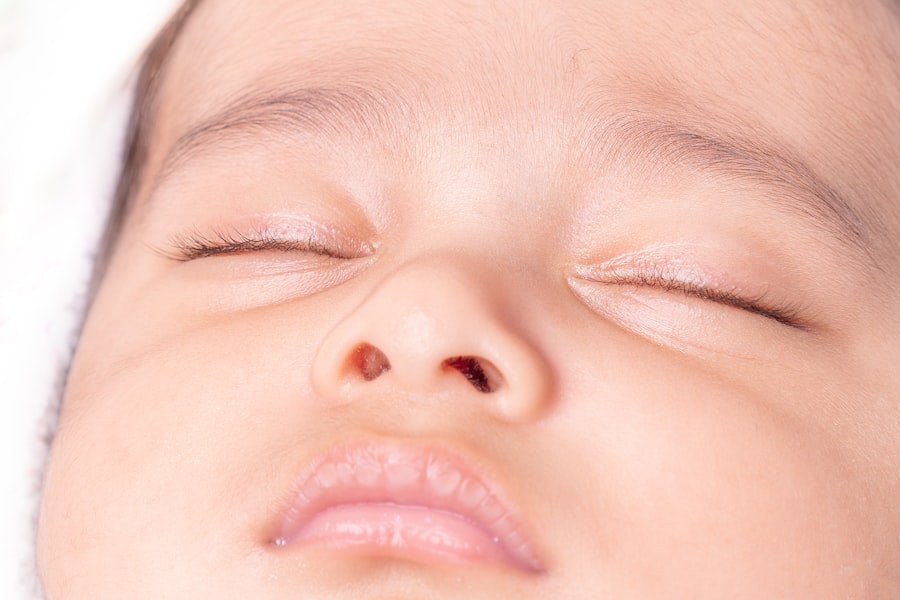
While the physiological sigh is a powerful tool, it’s most effective when integrated into a holistic approach to sleep hygiene. Think of it as a vital component, but not the sole solution.
Establishing a Consistent Sleep Schedule
Your body thrives on routine, and this is especially true for sleep. Going to bed and waking up around the same time each day, even on weekends, helps to regulate your body’s natural sleep-wake cycle, known as your circadian rhythm.
The Importance of Circadian Rhythm
Your circadian rhythm is an internal clock that influences your sleepiness and wakefulness throughout a 24-hour period. When this rhythm is disrupted, it can lead to sleep problems. Consistency reinforces your natural sleep signals.
The Sigh’s Role in Reinforcing Routine
By using the physiological sigh as part of your wind-down routine, you are further reinforcing the cues that signal to your body that it’s time to prepare for sleep. This combination can be particularly effective.
Creating a Relaxing Bedtime Environment
Your bedroom should be a sanctuary for sleep. Dim lighting, a comfortable temperature, and minimal noise disruption are crucial for signaling to your brain that it’s time to rest.
Light Exposure
Exposure to bright light, especially blue light from electronic devices, can suppress melatonin production, a hormone essential for sleep. Minimize screen time in the hours leading up to bed.
Temperature and Comfort
A slightly cooler room is generally more conducive to sleep. Ensure your mattress and pillows are comfortable and supportive.
Mindful Consumption of Stimulants
Caffeine and alcohol can significantly disrupt sleep architecture. While you might feel like a glass of wine helps you relax, it can fragment your sleep later in the night.
Caffeine Timing
Avoid caffeine in the afternoon and evening. Be aware of hidden sources like chocolate and some teas.
Alcohol and Sleep Quality
Alcohol may make you feel drowsy initially, but it interferes with the deeper, restorative stages of sleep, leading to a less restful night.
Physiological sighs play a significant role in promoting relaxation and facilitating sleep onset, as they help regulate breathing patterns and reduce stress levels. For those interested in exploring this topic further, an insightful article can be found on the science of breathing and its effects on sleep at Freaky Science. Understanding how these natural mechanisms work can provide valuable strategies for improving sleep quality and overall well-being.
The Science-Backed Efficacy of the Physiological Sigh
| Physiological Sigh for Sleep Onset | Metrics |
|---|---|
| Respiratory Rate | Decreases |
| Heart Rate | Decreases |
| Oxygen Saturation | Increases |
| Muscle Tension | Decreases |
The understanding and application of the physiological sigh are not based on conjecture or anecdotal evidence; they are rooted in scientific research that illuminates its physiological impact.
Research by Andrew Huberman and Others
The physiological sigh has gained significant attention in popular science and wellness circles largely due to the work of neuroscientist Dr. Andrew Huberman. His research and public discussions have highlighted the powerful and immediate effects of this breathing technique on the nervous system.
Neural Pathways Activated
Studies have shown that the specific pattern of the physiological sigh can activate neural pathways that are crucial for reducing stress and promoting relaxation. This activation directly influences the activity of the vagus nerve, a major component of the parasympathetic nervous system.
Vagal Nerve Stimulation
The vagus nerve plays a critical role in slowing heart rate, reducing inflammation, and promoting a sense of calm. The deep inhale and slow exhale of the physiological sigh are particularly effective at stimulating this nerve, leading to a measurable decrease in physiological arousal.
Objective Measures of Relaxation
The effectiveness of the physiological sigh can be observed through objective measures. When individuals practice this breathing technique, researchers have noted reductions in heart rate variability, a decrease in skin conductance (an indicator of sympathetic nervous system activity), and even observable shifts in brainwave patterns towards those associated with relaxation.
Heart Rate Variability (HRV)
HRV is a measure of the variation in time between heartbeats. Higher HRV is generally associated with better health and a more resilient nervous system. The physiological sigh can lead to temporary shifts in HRV that indicate a move towards a more parasympathetic state.
Electrodermal Activity (EDA)
EDA, or skin conductance, rises with increased sympathetic nervous system activity, often in response to stress. The physiological sigh has been shown to reduce EDA, indicating a calming effect on the body.
Practical Implications for Sleep
The scientific backing of the physiological sigh provides a strong rationale for its use as a tool for improving sleep. When you feel overwhelmed, anxious, or simply can’t quiet your mind, you can trust that this simple breathing technique is actively working to reset your nervous system, making the transition to sleep more probable and efficient. It’s not about willpower; it’s about leveraging a fundamental biological function.
In conclusion, the physiological sigh is far more than a simple breathing exercise. It’s a potent, readily accessible, and scientifically validated tool that can significantly improve your ability to fall asleep and enjoy more restful nights. By understanding how it works, practicing it consistently, and integrating it with good sleep hygiene, you can move from the frustration of sleeplessness to the restorative embrace of genuine sleep. You have this powerful mechanism within you, waiting to be utilized.
FAQs
What is a physiological sigh?
A physiological sigh is a deep breath that helps to reset the respiratory system and maintain lung function. It involves a double inhalation followed by a longer exhalation, and is thought to be important for maintaining lung health and regulating the body’s oxygen and carbon dioxide levels.
How does a physiological sigh help with sleep onset?
Research suggests that a physiological sigh may play a role in the transition to sleep. The deep breath can help to relax the body and mind, and may signal the brain to initiate the process of falling asleep. It is believed that the sigh may help to regulate the body’s physiological processes in preparation for sleep.
Is there a connection between physiological sighs and sleep disorders?
Some studies have suggested that abnormalities in the physiological sigh reflex may be linked to certain sleep disorders, such as insomnia or sleep apnea. However, more research is needed to fully understand the relationship between physiological sighs and sleep disorders.
Can practicing deep breathing techniques help with sleep onset?
Deep breathing techniques, including those that mimic a physiological sigh, are often recommended as a relaxation method to help with sleep onset. By taking deep, slow breaths, individuals can activate the body’s relaxation response and promote a sense of calm that may aid in falling asleep.
Are there other benefits to practicing deep breathing for sleep?
In addition to helping with sleep onset, deep breathing techniques have been shown to have a range of other health benefits, including reducing stress and anxiety, lowering blood pressure, and improving overall respiratory function. Regular practice of deep breathing exercises may contribute to better sleep quality and overall well-being.