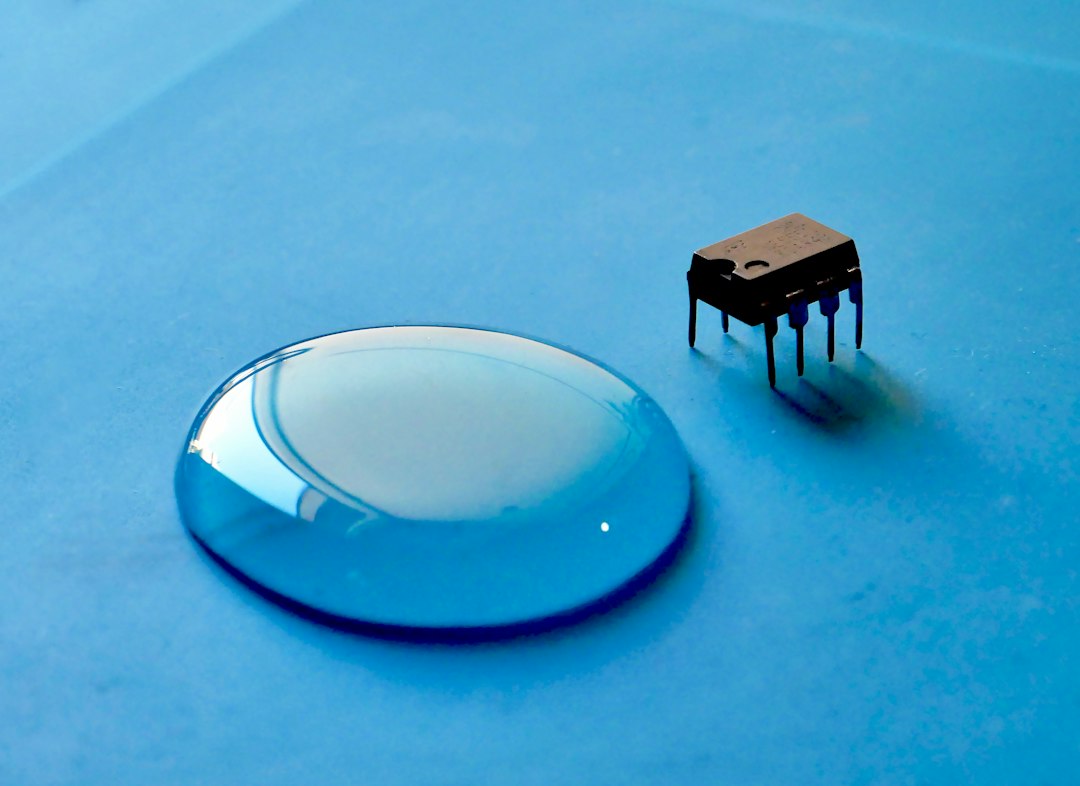
The phosphor silicone layer in an LED can fail primarily due to thermal stress and chemical degradation. Thermal stress comes from the intense heat generated during LED operation, causing the silicone to expand and contract repeatedly, leading to cracks and delamination. Chemical degradation can be caused by exposure to moisture, corrosive gases, or even outgassing from other components within the LED package, which breaks down the silicone’s chemical structure.
The Invisible Engine: Understanding the Phosphor Silicone Layer
LEDs are everywhere, from the tiny indicator lights on your toaster to the massive displays in stadiums. But have you ever wondered what makes them emit that specific color of light? Often, it’s not the semiconductor chip itself that directly produces the visible light we see, especially for white LEDs. Instead, the magic happens through a layer of phosphor mixed with a silicone encapsulant. This layer is crucial, acting as a converter. The blue light emitted by the semiconductor chip interacts with the phosphor particles, causing them to re-emit light at longer wavelengths. When these longer wavelengths combine with the remaining blue light, we perceive it as white light. The silicone’s job is to hold these phosphor particles in place, protect the delicate chip, and allow light to escape efficiently. Without this layer, or if it’s compromised, the LED won’t perform as intended, leading to color shifts, reduced brightness, or even complete failure.
What’s Actually Going On Under the Hood?
Let’s break down the components involved. The heart of an LED is the semiconductor die. When electricity flows through it, it emits light, usually in the blue or near-ultraviolet (NUV) spectrum. This is because the material used in the die is designed to have a specific bandgap energy, which dictates the photon energy, and thus the wavelength, of the emitted light. For white LEDs, this blue or NUV light is then used to excite phosphors. Think of phosphors as tiny light-up-in-the-dark materials, but triggered by a specific light frequency instead of just ambient light. When they absorb the blue/NUV photons, they get energized and then release photons at lower energies, which correspond to longer wavelengths – typically greens, yellows, and reds. The specific blend of phosphors determines the final color temperature and color rendering index (CRI) of the white light produced. The silicone encapsulant plays a dual role: it’s the medium that susples the phosphor particles, ensuring they are evenly distributed and in the correct proximity to the chip for efficient light conversion, and it provides mechanical protection for the fragile chip and phosphor particles from environmental factors and handling damage.
Why It Matters for Your Gadgets
The performance and lifespan of an LED fixture, whether it’s a household bulb, a car headlight, or a smartphone screen backlight, are directly tied to the integrity of this phosphor silicone layer. If this layer starts to degrade, the light output changes. You might notice a shift in color – perhaps a white light turning yellowish, greenish, or even pinkish over time. This is because the phosphor particles might be degrading or becoming less efficient at converting light, or the silicone itself might be changing its optical properties. Beyond just aesthetics, this degradation can lead to reduced brightness, meaning your light source isn’t as effective as it should be. In more severe cases, the failure can be catastrophic, causing the LED to stop working altogether. This isn’t just an inconvenience; it means premature replacement of components, contributing to waste and increased costs. Understanding the failure mechanisms helps manufacturers design more durable LEDs and helps users identify when an LED might be reaching the end of its useful life or if it’s a sign of a more systemic issue.
In recent discussions surrounding the reliability of LED technology, the issue of phosphor silicone layer failure has garnered significant attention. A related article that delves deeper into this topic can be found at Freaky Science, where the implications of such failures on LED performance and longevity are explored. Understanding these challenges is crucial for manufacturers and consumers alike, as it can lead to improvements in design and material selection for more durable lighting solutions.
The Heat is On: Thermal Stress as a Silent Killer

Heat is an unavoidable byproduct of electronic operation, and LEDs are no exception. While LEDs are generally more energy-efficient and produce less heat than traditional incandescent bulbs, the concentrated energy within the small semiconductor die generates significant localized heat. This heat has to go somewhere, and a good portion of it is absorbed by the surrounding materials, including the phosphor silicone layer.
The Cycle of Expansion and Contraction
Imagine repeatedly heating and cooling a piece of plastic. Over time, it’s likely to crack or become brittle. The phosphor silicone layer experiences a similar phenomenon, but on a microscopic level and with much higher temperature fluctuations. When the LED is powered on, the junction temperature of the semiconductor can rise significantly, sometimes exceeding 100°C. This heat is transferred to the silicone. Silicone, like most materials, expands when heated and contracts when cooled. During the LED’s operational life, it undergoes countless cycles of heating up during operation and cooling down when switched off. Each of these cycles puts mechanical stress on the silicone matrix.
Micro-Cracking and Delamination: The Visible Signs
These repeated thermal stresses can lead to the formation of tiny cracks, or micro-cracks, within the silicone. While these might not be visible to the naked eye initially, they can propagate over time, creating larger fissures. More importantly, the differential expansion and contraction rates between the silicone, the phosphor particles, and the underlying semiconductor chip can create stress at their interfaces. This can lead to delamination, where the silicone layer starts to peel away from the chip or from the phosphor particles. This compromises the optical path, scattering light internally and reducing the amount of useful light that exits the LED. It also exposes the underlying semiconductor to potential environmental contaminants.
Beyond the Surface: Bulk Degradation
The constant thermal cycling doesn’t just affect the mechanical integrity of the silicone; it can also accelerate its chemical degradation. Higher temperatures increase the rate of chemical reactions. Over time, this can lead to changes in the silicone’s molecular structure, making it more brittle and less effective at encapsulating the phosphor. This bulk degradation, driven by heat, is a critical factor in the long-term reliability of the phosphor silicone layer.
The Corrosive Environment: Chemical Degradation Pathways

While heat is a major culprit, the chemical environment surrounding the phosphor silicone layer can also lead to its demise. The materials used within an LED package, the manufacturing process, and even the external environment can introduce elements that degrade the silicone.
Moisture: The Sneaky Intruder
Even in seemingly dry environments, there’s always some level of moisture present. Silicone is generally considered hydrophobic (water-repelling), but prolonged exposure to elevated temperatures can compromise this property. When moisture penetrates the silicone, it can react with the phosphor particles or the silicone itself. This can lead to hydrolysis, a chemical breakdown process where water molecules break apart chemical bonds. For phosphors, this can alter their luminescence properties, leading to color shifts. For the silicone, it can weaken its structure, making it more susceptible to cracking and delamination. The ingress of moisture is often exacerbated by existing micro-cracks or delaminations, creating a vicious cycle.
Outgassing: Internal Chemical Warfare
Modern electronic components are manufactured using a variety of materials, including plastics, adhesives, and flux residues. Some of these materials can release volatile organic compounds (VOCs) over time, especially when heated. This phenomenon is known as outgassing. If these outgassed substances come into contact with the phosphor silicone layer, they can react with it. Certain chemical species, particularly acidic or reactive gases, can attack the siloxane bonds that form the backbone of the silicone polymer. This chemical attack can lead to chain scission (breaking of polymer chains) and cross-linking, altering the silicone’s physical and optical properties. This is why component selection and clean manufacturing processes are so critical in LED production.
External Contaminants: A Breath of Bad Air
In certain operating environments, LEDs can be exposed to corrosive gases or airborne particles. For instance, LEDs used in industrial settings might be exposed to sulfur dioxide, ammonia, or other industrial fumes. These gases can react directly with the silicone or the phosphor, causing damage. Similarly, airborne particulates, especially those that are chemically active, can adhere to the surface of the silicone and slowly etch or degrade it. The effectiveness of the silicone as a protective barrier is compromised if these contaminants can penetrate or react with it.
Spotting the Signs: Symptoms of Phosphor Silicone Layer Failure
Recognizing the symptoms of phosphor silicone layer failure is key to diagnosing problems with LEDs. These signs are often subtle at first but become more pronounced as the degradation progresses.
Color Shifts: The Most Common Indicator
One of the most frequently observed signs of phosphor silicone failure is a change in the LED’s color output. White LEDs are designed to emit light within a specific color temperature range (e.g., warm white, cool white) and with a certain color rendering index (CRI). As the phosphor silicone layer degrades, this balance is disrupted. You might notice:
- Yellowing: This is a very common sign, where the white light starts to take on a distinctly yellowish hue. This often indicates that the blue light conversion is becoming less efficient, or the yellowing is due to changes in the silicone itself.
- Greenish or Pinkish Tinge: Less common but still observed, these shifts can occur if specific phosphor components are degrading disproportionately, or if the silicone’s optical properties are changing in a way that favors the scattering or absorption of certain wavelengths.
- Color Inconsistency: In arrays of LEDs, such as in a display or a large lighting panel, you might start to see variations in color from one LED to another, even though they were manufactured to be identical. This points to differing rates of degradation across the batch.
Luminance Decay: Dimming Over Time
Beyond color, the brightness of the LED can also suffer. This isn’t just the natural aging of the semiconductor chip, which also contributes to dimming. Degradation of the phosphor silicone layer can directly impact light output in a few ways:
- Reduced Light Conversion Efficiency: If the phosphor particles are damaged or their encapsulation by the silicone is compromised, they may become less effective at absorbing and re-emitting light. This means more of the original blue light escapes un-converted, and the overall intensity of the visible spectrum is reduced.
- Increased Light Scattering: Micro-cracks and delaminations within the silicone layer can cause light to scatter internally. Instead of exiting the LED in a directed beam, some light gets bounced around within the package, and a portion of it might be absorbed, leading to a measurable loss in luminance.
- Optical Property Changes: Degradation of the silicone itself can alter its refractive index or transparency. If the silicone becomes more opaque or scatters light more, less light will reach the observer.
Structural Changes: The Visible Evidence
In more advanced stages of failure, visual inspection of the LED package might reveal physical changes. These are usually signs of significant degradation and often indicate impending complete failure:
- Surface Discoloration: Beyond just a hue shift in emitted light, the physical surface of the silicone encapsulant itself might become discolored, appearing cloudy, yellowed, or even darkened.
- Cracking and Chipping: As mentioned, thermal stress can lead to visible cracks on the surface of the silicone. In severe cases, pieces of the silicone might chip away, exposing the delicate inner components.
- Delamination Gaps: You might be able to see a clear separation between the silicone layer and the substrate or the surrounding casing, indicating that the adhesive or encapsulating properties have failed.
Phosphor silicone layer failure in LEDs can lead to significant performance issues, and understanding the underlying causes is crucial for manufacturers and consumers alike. For those interested in exploring this topic further, a related article can provide valuable insights into the mechanisms behind these failures and potential solutions. You can read more about it in this informative piece on LED technology at Freaky Science, which delves into various aspects of LED performance and reliability.
Fighting Back: Strategies for Prevention and Remediation
| Parameter | Typical Value | Unit | Notes |
|---|---|---|---|
| Phosphor Silicone Layer Thickness | 100-300 | µm | Depends on LED design and application |
| Thermal Expansion Coefficient | ~300 | ppm/°C | For silicone layer, mismatch can cause delamination |
| Operating Temperature Range | -40 to 125 | °C | Typical LED junction temperature range |
| Phosphor Silicone Layer Adhesion Strength | 1.5-3.0 | MPa | Critical for preventing layer failure |
| Yellowing Onset Time | 1000-3000 | Hours | Time before noticeable degradation under high flux |
| Light Output Degradation | 10-30 | % | Typical decrease after 5000 hours of operation |
| Moisture Absorption Rate | 0.1-0.5 | % weight gain | Can lead to silicone swelling and failure |
| Mechanical Stress Threshold | 5-10 | MPa | Stress level causing microcracks in silicone layer |
Addressing phosphor silicone layer failure involves a two-pronged approach: preventing it from happening in the first place through smart design and manufacturing, and finding ways to mitigate its effects or repair damaged LEDs where possible.
Manufacturing Excellence: Building Them Tough from the Start
The best way to combat phosphor silicone layer failure is to design and build LEDs that are inherently resistant to these degradation mechanisms. This involves careful consideration at every stage:
- Material Selection: Choosing high-quality, thermally stable, and chemically inert silicones is paramount. Manufacturers often use specialized silicone formulations designed to withstand high temperatures and resist chemical attack. The choice of phosphor material also plays a role; some phosphors are inherently more stable than others.
- Package Design: The overall design of the LED package can significantly influence thermal management. This includes the use of heat sinks, thermal vias, and materials that efficiently conduct heat away from the phosphor silicone layer. Minimizing the temperature gradient across the layer helps reduce thermal stress.
- Process Control: Strict control over manufacturing processes is essential. This includes ensuring a clean environment to prevent contamination, precise control over curing temperatures for the silicone, and thorough cleaning of components to remove any residues that could lead to outgassing. Advanced encapsulation techniques can also improve adhesion and reduce void formation, which are entry points for moisture.
- Encapsulant Properties: Manufacturers focus on silicones with low moisture permeability, good UV resistance (as some LEDs are NUV-based), and excellent adhesion to both the phosphor particles and the LED substrate. The viscosity and rheology of the silicone during application are also critical to ensure uniform coating and avoid air bubbles.
Operational Wisdom: Keeping Them Cool and Dry
Once an LED is in operation, certain practices can help prolong the life of the phosphor silicone layer:
- Adequate Ventilation: Ensuring that LED fixtures are installed in well-ventilated areas helps dissipate heat effectively. Overheating is a primary driver of thermal stress, so allowing air to circulate around the fixture can make a significant difference.
- Avoid Extreme Environments: Where possible, avoid exposing LEDs to environments with high humidity, corrosive gases, or significant temperature fluctuations. If an application requires operation in such conditions, specialized, more robust LED packages are necessary.
- Proper Power Management: Operating LEDs within their specified current and voltage limits is crucial. Driving them too hard can lead to excessive heat generation, accelerating degradation.
Remediation and Repair: A Difficult Road
Directly repairing a failed phosphor silicone layer in a finished LED is generally not feasible for most applications. The layer is intimately integrated with the phosphor and the semiconductor chip. However, there are a few areas of research and specialized applications:
- Re-encapsulation: In some high-value or specialized applications, it might be possible to carefully remove the degraded encapsulant and re-apply a new silicone layer. This is a complex and expensive process, usually confined to research labs or niche manufacturing.
- Conformal Coatings: For some LED applications, especially where the phosphor layer might be more exposed, applying a conformal coating over the entire assembly can offer a degree of protection against moisture and contaminants. However, this doesn’t address internal degradation.
- Alternative Encapsulants: Research is ongoing into alternative encapsulant materials, such as epoxy resins or specialized glass, that may offer better long-term stability. However, silicone remains the dominant material due to its optical clarity, flexibility, and cost-effectiveness.
The focus for most users and even manufacturers remains on robust design and manufacturing to prevent failure in the first place, rather than trying to fix it after it occurs. Understanding the causes helps in selecting quality products and implementing best practices for installation and maintenance.
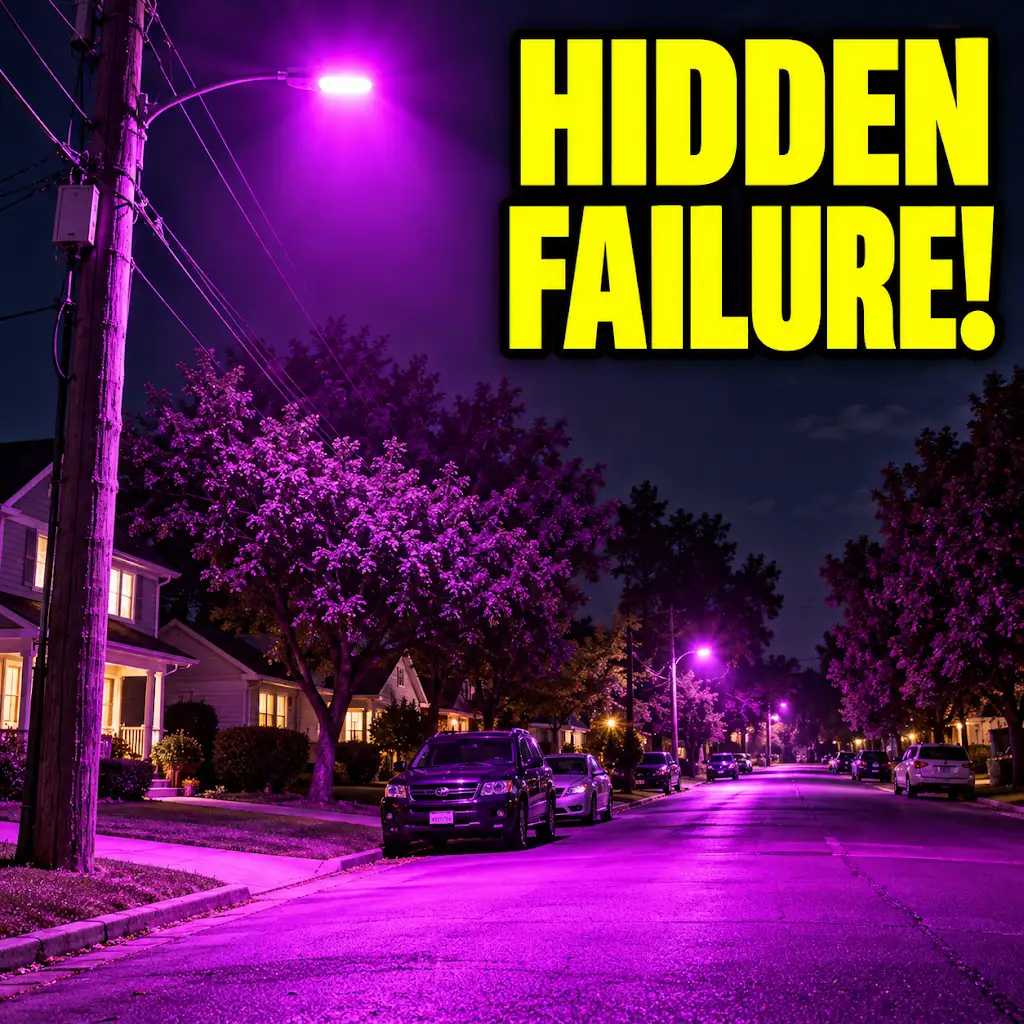
Why The Streetlights Are Turning Purple
FAQs
What causes phosphor silicone layer failure in LEDs?
Phosphor silicone layer failure in LEDs can be caused by factors such as high operating temperatures, exposure to moisture or humidity, poor quality materials, and manufacturing defects.
How does phosphor silicone layer failure affect the performance of an LED?
When the phosphor silicone layer fails in an LED, it can lead to a decrease in light output, color shifting, reduced efficiency, and ultimately premature failure of the LED.
Can phosphor silicone layer failure be prevented in LEDs?
Phosphor silicone layer failure in LEDs can be prevented by using high-quality materials, proper encapsulation techniques, designing for efficient heat dissipation, and ensuring proper manufacturing processes.
What are the signs of phosphor silicone layer failure in an LED?
Signs of phosphor silicone layer failure in an LED may include discoloration of the light emitted, flickering, reduced brightness, and changes in color temperature or hue over time.
Is phosphor silicone layer failure covered under LED warranties?
Whether phosphor silicone layer failure is covered under LED warranties depends on the manufacturer and the specific terms of the warranty. It is important to review the warranty information provided by the LED manufacturer to understand what is covered in case of failure.