You are a reader interested in Earth’s deep history and the intricate dance between life and the atmosphere. Today, we delve into a pivotal chapter: the Phanerozoic Oxygen Spike, and how the charcoal record serves as a steadfast chronicler of this transformative period. Understanding this phenomenon is not merely an academic exercise; it unravels the very fabric of how complex life emerged and thrived, including our own lineage.
The Phanerozoic Eon, spanning the last 541 million years, represents a radical departure from the preceding Precambrian. It is the eon of “visible life,” marked by a dramatic diversification of multicellular organisms, the colonization of land, and the evolution of complex ecosystems. This biological explosion, however, was not an isolated event. It was intimately intertwined with equally profound changes in Earth’s atmosphere, most notably a significant increase in atmospheric oxygen concentrations. For much of the Precambrian, oxygen levels were significantly lower, barely sufficient to support the metabolic demands of larger, more active organisms. The Phanerozoic ushered in an era where oxygen became abundant, acting as a powerful fuel for the biological engine that drives life on our planet.
The Great Oxygenation Event’s Precursor
While the Phanerozoic saw an increase in oxygen, it is crucial to remember that the initial rise of atmospheric oxygen, known as the Great Oxygenation Event (GOE), occurred much earlier, during the Proterozoic Eon. The GOE, driven primarily by cyanobacteria, fundamentally altered Earth’s surface chemistry, paving the way for eukaryotic life. However, oxygen levels remained relatively low and fluctuated for hundreds of millions of years after the GOE. The Phanerozoic spike represents a second, distinct, and arguably even more dramatic surge in oxygen, critical for the evolution of terrestrial life and the larger, more metabolically demanding organisms that came to dominate Earth’s ecosystems.
The Carbon Cycle as a Regulator
The Earth’s carbon cycle acts as a fundamental regulator of atmospheric oxygen. Photosynthesis, the process by which plants and other organisms convert light energy into chemical energy, releases oxygen into the atmosphere while sequestering carbon dioxide. Conversely, respiration and decomposition consume oxygen and release carbon dioxide. A net increase in oxygen levels over geological timescales requires a net burial of organic carbon. When organic matter is buried before it can fully decompose, the oxygen initially released during its formation remains in the atmosphere. This delicate balance, a constant negotiation between biological processes and geological forces, holds the key to understanding the Phanerozoic oxygen narrative.
The Phanerozoic oxygen spike charcoal record has significant implications for understanding the Earth’s atmospheric evolution and the role of fire in shaping ecosystems. For a deeper exploration of this topic, you may find the article on the relationship between ancient atmospheric conditions and charcoal deposits particularly enlightening. This article discusses how fluctuations in oxygen levels influenced wildfire activity and, consequently, the carbon cycle throughout geological history. To read more about this fascinating subject, visit this link.
Unpacking the Oxygen Spike: Geological and Biological Drivers
The Phanerozoic oxygen spike was not a singular event but a complex interplay of geological and biological factors operating over millions of years. It was a prolonged increase, distinct from short-term fluctuations, that fundamentally reshaped Earth’s habitability. Understanding these drivers is akin to dissecting a complex orchestral piece, where each instrument plays a vital role.
The Rise of Vascular Plants
Perhaps the most significant biological driver was the evolution and widespread proliferation of vascular plants during the Devonian period. Before vascular plants, terrestrial life was largely confined to rudimentary forms like bryophytes and lichens, which had limited capacity for deep root systems or significant biomass accumulation. Vascular plants, with their specialized tissues for water and nutrient transport (xylem and phloem), rigid lignin-reinforced cell walls, and true roots, revolutionized land ecosystems.
Lignin’s Unsung Role
Lignin, the complex polymer that provides structural integrity to plant cell walls, was initially a biological innovation for supporting tall plants against gravity. However, it had a profound and unforeseen impact on the carbon cycle. Early decomposers, particularly fungi and bacteria, were not yet equipped with the enzymatic machinery to efficiently break down lignin. This resistance to decay meant that a substantial amount of plant biomass was buried as organic carbon, sequestering carbon and releasing free oxygen into the atmosphere. Imagine a vast factory suddenly producing a product that no existing recycling plant can process; the product simply accumulates. That was lignin’s effect on carbon burial.
Land Colonization and Enhanced Weathering
The colonization of land by plants also significantly enhanced rates of silicate weathering. Plant roots release organic acids that accelerate the chemical breakdown of rocks. Silicate weathering reactions consume atmospheric carbon dioxide, converting it into bicarbonate ions that are eventually transported to the oceans and buried as carbonates. This process, a long-term sink for atmospheric CO2, indirectly contributes to oxygenation by reducing the amount of carbon available for short-term cycling and allowing more oxygen to remain in the atmosphere.
Tectonic Activity and Continental Configuration
Plate tectonics played a crucial, albeit indirect, role. Periods of increased tectonic activity can influence oxygen levels in several ways. For instance, mountain building events expose fresh rock to weathering, intensifying the silicate weathering feedback. Furthermore, the changing configuration of continents can influence ocean currents and upwelling, impacting marine productivity and the burial of organic carbon in marine sediments. For example, the assembly of the supercontinent Pangea created vast continental interiors with distinct climatic regimes, potentially influencing plant distribution and carbon burial patterns.
The Charcoal Record: A direct Proxy for Paleoatmospheric Oxygen
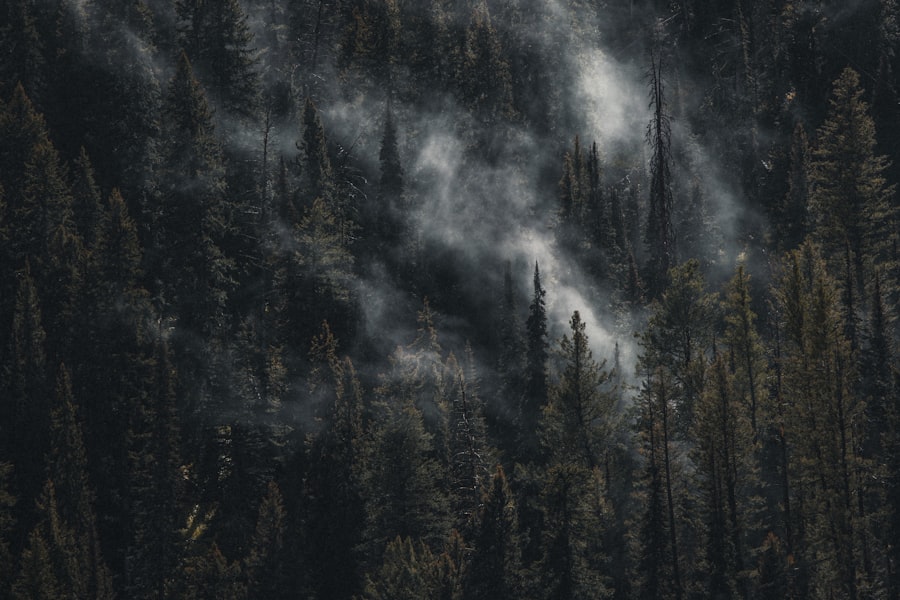
Amidst these complex drivers, the charcoal record emerges as a singularly powerful and direct proxy for understanding past atmospheric oxygen levels. Unlike other proxies that provide indirect estimates, the presence and abundance of charcoal directly reflect the conditions necessary for wildfires to ignite and propagate. The concept is straightforward: for a forest fire to occur and leave behind charcoal, a certain threshold of atmospheric oxygen must be met. Below this threshold, fires simply cannot sustain themselves.
The Chemistry of Combustion
Combustion, or burning, is an exothermic chemical reaction between a fuel (in this case, organic matter like wood) and an oxidant, typically oxygen from the atmosphere. The rate and intensity of combustion are directly proportional to the concentration of the oxidant. If oxygen levels are too low, the energy released by the initial reaction is insufficient to sustain the combustion chain reaction. Conversely, higher oxygen levels allow fires to burn hotter, more frequently, and over larger areas.
Ignition Thresholds and Flame Propagation
Experimental studies have shown that there is a critical oxygen concentration below which sustained combustion of plant material becomes impossible. For modern wood, this threshold is around 13-15% oxygen. While ancient plant matter and atmospheric conditions might have varied slightly, this fundamental principle provides a robust basis for interpreting the charcoal record. If charcoal is found in geological strata, it unequivocally indicates that atmospheric oxygen levels were above the minimum required for wildfire.
Charcoal as a Preserved Witness
Charcoal, essentially pyrolyzed organic matter, is remarkably resistant to decay compared to unburned plant material. Its altered chemical structure and reduced volatile content make it less susceptible to microbial decomposition. This inherent resilience allows charcoal to be preserved in geological sediments over vast timescales, acting as durable carbon fossils. When geologists discover a layer of charcoal in a rock formation, it’s like finding a charred fingerprint left by a past wildfire event, providing a direct glimpse into the paleoatmosphere.
Interpreting the Charcoal Record Across the Phanerozoic
The story told by the charcoal record dramatically illustrates the Phanerozoic oxygen spike. Its presence and absence across different geological periods paint a vivid picture of fluctuating atmospheric conditions.
Early Phanerozoic: The Azoic Gap
During the early Phanerozoic, specifically the Cambrian and Ordovician periods, the charcoal record is conspicuously absent. This “azoic gap” in charcoal directly correlates with the absence of significant terrestrial vegetation. Remember, fires require fuel. Even if nascent land plants existed, their limited biomass and lack of lignin-rich structures (which ignite and burn readily) meant widespread fires capable of leaving a significant charcoal record were unlikely. This period of charcoal absence suggests that oxygen levels, while rising from Precambrian lows, had not yet reached the sustained levels observed later in the eon, or that the fuel source was simply inadequate.
Devonian and Carboniferous: The Age of Fire
The charcoal record truly explodes into prominence during the Devonian and Carboniferous periods, coinciding precisely with the widespread diversification of vascular plants. The appearance of lignin-rich trees, forming vast forests, provided an unprecedented amount of terrestrial biomass as fuel. You can almost imagine giant tinderboxes forming across the continents. The abundance of charcoal from these periods indicates not only the presence of flammable vegetation but also atmospheric oxygen levels sufficiently high to support widespread and frequent wildfires. This suggests oxygen levels soared, likely reaching or even exceeding modern concentrations. This period of intense fire activity played a crucial role in shaping early terrestrial ecosystems, creating mosaics of burned and unburned areas, and influencing nutrient cycling.
Evidence of Hyperoxia
Some models suggest that during the peak of the Carboniferous, oxygen levels may have reached as high as 30-35%, significantly higher than the present-day ~21%. This “hyperoxia” would have made the world incredibly flammable. Even smaller lightning strikes or volcanic activity could have triggered massive and widespread infernos, leaving behind the rich charcoal deposits we see today. The enormous coal seams characteristic of the Carboniferous are themselves indirect evidence of this high-oxygen world, as vast amounts of organic matter were buried before complete decomposition, a process facilitated by high productivity and unique swamp environments.
Mesozoic and Cenozoic: Fluctuations and Modern Levels
While the Carboniferous represents a peak, the charcoal record continues through the Mesozoic and Cenozoic, albeit with fluctuations. The Permian-Triassic extinction event, for example, saw a decline in coal formation and potentially a temporary dip in oxygen, though charcoal still persists. The rise of flowering plants (angiosperms) in the Cretaceous brought new types of fuel and diversified fire regimes. Throughout the Mesozoic and Cenozoic, the charcoal record consistently indicates oxygen levels above the threshold for fire. Periods of increased charcoal abundance often correlate with warmer, drier climates conducive to wildfire, but also directly reflect sustained moderate to high oxygen levels.
The Phanerozoic oxygen spike charcoal record has significant implications for understanding the Earth’s climatic and biological evolution. A related article that delves into the intricate relationship between oxygen levels and the proliferation of terrestrial ecosystems can be found at Freaky Science. This resource provides valuable insights into how fluctuations in atmospheric oxygen have influenced both plant life and animal diversity throughout geological history.
Implications for Life and Earth Systems
| Time Period (Million Years Ago) | Oxygen Level (%) | Charcoal Abundance (Relative Units) | Significance |
|---|---|---|---|
| 360 – 300 (Late Devonian to Carboniferous) | 30 – 35 | High | Major oxygen spike linked to extensive charcoal deposits indicating widespread wildfires |
| 250 (Permian) | 21 – 23 | Moderate | Oxygen levels decline, charcoal record shows reduced wildfire activity |
| 150 (Late Jurassic) | 18 – 20 | Low | Lower oxygen and charcoal abundance, indicating fewer wildfires |
| 65 (Cretaceous-Paleogene boundary) | 21 | Moderate | Oxygen stable, charcoal spikes associated with impact event wildfires |
| 0 – Present (Cenozoic) | 20.9 | Variable | Modern oxygen levels, charcoal record influenced by human activity and climate changes |
The Phanerozoic oxygen spike, as evidenced by the charcoal record, had profound and far-reaching implications for the evolution of life and the Earth system as a whole. It was like switching from a flickering candle to a roaring furnace, invigorating biological and planetary processes.
Evolution of Large, Active Animals
Higher atmospheric oxygen concentrations directly supported the evolution of larger and more metabolically active animals. Oxygen is critical for aerobic respiration, the biochemical process that generates most of the ATP (adenosine triphosphate), the energy currency of cells. Animals with higher metabolic rates, such as large dinosaurs, flying insects, and eventually mammals, require efficient oxygen delivery systems. The Phanerozoic oxygen spike essentially provided an atmospheric fuel source to power these evolutionary innovations. Imagine trying to run a formula one race car on low-octane fuel; it simply wouldn’t perform optimally. High oxygen was the high-octane fuel for evolutionary acceleration.
Gigantism in Insects
A classic example is the gigantism observed in some terrestrial arthropods during the Carboniferous and Permian, such as the dragonfly-like Meganeura with a wingspan of over 70 cm. Insects, lacking lungs, rely on a tracheal system for oxygen delivery directly to their tissues. The efficiency of this passive diffusion-based system is highly dependent on ambient oxygen levels. Higher oxygen concentrations in the atmosphere would have allowed for more efficient oxygen transport, enabling larger body sizes to evolve.
Shaping Terrestrial Ecosystems
Fire itself became a significant ecological force, shaping terrestrial ecosystems. Frequent wildfires during periods of high oxygen created disturbance regimes that fostered biodiversity, promoted nutrient cycling, and influenced plant succession. Many plant species evolved fire adaptations, such as serotinous cones (which only open after exposure to heat) or thick bark, demonstrating the co-evolutionary dance between fire and flora. Understanding these ancient fire regimes is crucial for interpreting modern ecosystem dynamics and species distributions.
Feedback Loops and Climate
The oxygen spike was also part of complex feedback loops involving climate and the carbon cycle. High rates of carbon burial both contributed to and were influenced by climate. For instance, the extensive forests that flourished during the Carboniferous sequestered vast amounts of carbon, reducing atmospheric CO2, which in turn contributed to cooling trends and massive glaciation events. These climatic shifts, in their turn, could have influenced oxygen production and burial rates, demonstrating the interconnectedness of Earth’s systems.
In conclusion, the charcoal record stands as an invaluable testament to the Phanerozoic oxygen spike. Its mute but eloquent testimony, preserved in layers of rock, allows readers like you to peer back into deep time and witness the dramatic transformation of Earth’s atmosphere. It reveals a world where oxygen levels climbed, enabling the flourishing of complex life, shaping ecosystems with the destructive yet creative force of fire, and fundamentally altering the trajectory of planetary evolution, leading inexorably to the diverse and oxygen-rich world we inhabit today.

WATCH NOW ▶️ SHOCKING: Why Your Air Is Literally A Lie
FAQs
What is the Phanerozoic oxygen spike?
The Phanerozoic oxygen spike refers to a significant increase in atmospheric oxygen levels during the Phanerozoic Eon, which spans approximately the last 541 million years. This spike is identified through various geological and geochemical records, including charcoal deposits.
How is charcoal used to study past oxygen levels?
Charcoal is a key indicator of past atmospheric oxygen because wildfires require a minimum oxygen concentration to ignite and sustain combustion. By analyzing the abundance and distribution of charcoal in sedimentary records, scientists can infer changes in atmospheric oxygen over geological time.
What does the charcoal record reveal about the Phanerozoic oxygen spike?
The charcoal record shows periods of increased wildfire activity, which correspond to higher atmospheric oxygen levels. During the Phanerozoic oxygen spike, elevated charcoal deposits suggest that oxygen concentrations were sufficiently high to promote widespread fires, providing evidence for the oxygen increase.
Why is understanding the Phanerozoic oxygen spike important?
Understanding this oxygen spike helps scientists learn about Earth’s atmospheric evolution, the development of terrestrial ecosystems, and the conditions that influenced the diversification of life. It also sheds light on the relationship between oxygen levels, wildfire activity, and climate change over millions of years.
What methods are used to analyze the charcoal record?
Researchers use sediment core sampling, microscopic charcoal particle analysis, radiometric dating, and geochemical proxies to study charcoal deposits. These methods allow them to reconstruct wildfire frequency and intensity, which are linked to atmospheric oxygen concentrations during the Phanerozoic Eon.