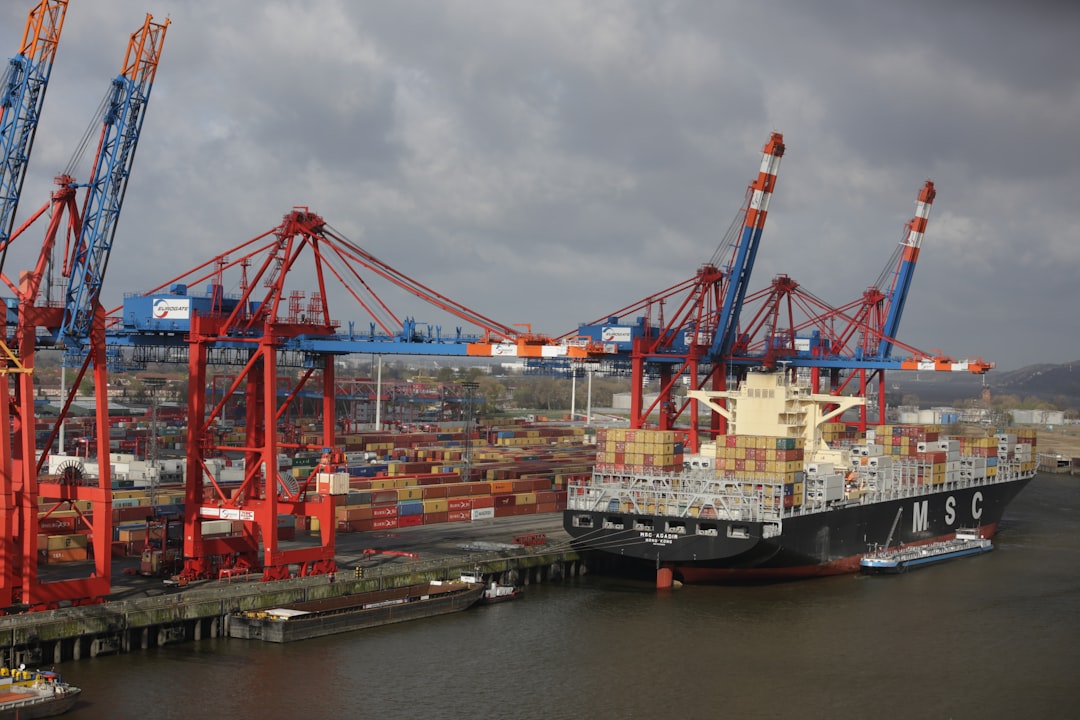
Oxygen plays a crucial role in various industrial processes, and its significance extends to port operations as well. Ports serve as vital hubs for global trade, facilitating the movement of goods across oceans and continents. The efficiency and safety of these operations can be significantly influenced by the levels of oxygen present in the environment.
Understanding how oxygen impacts port operations is essential for optimizing performance, ensuring safety, and enhancing overall productivity. As ports continue to evolve with technological advancements, the management of oxygen levels becomes increasingly important. The interplay between oxygen and port operations encompasses a range of factors, from the maintenance of equipment to the handling of cargo.
Ports are complex environments where various activities occur simultaneously, including loading and unloading ships, storing goods, and transporting materials. Each of these activities can be affected by oxygen levels, which can influence everything from equipment functionality to the safety of personnel.
Key Takeaways
- Oxygen levels critically affect the efficiency and safety of port equipment and cargo handling.
- Continuous oxygen monitoring is essential to maintain optimal conditions and prevent hazards in port environments.
- Implementing advanced oxygen management strategies can enhance operational efficiency and reduce environmental impact.
- Safety protocols must address the risks associated with oxygen use to protect personnel and infrastructure.
- Emerging oxygen technologies promise to improve port operations and support sustainable development in the future.
Understanding the Role of Oxygen in Port Operations
Oxygen is a fundamental element that supports combustion and various chemical reactions, making it integral to many processes within port operations. For instance, the operation of diesel engines in cranes and other heavy machinery relies on oxygen for fuel combustion. The efficiency of these engines can be directly linked to the availability of oxygen in the atmosphere.
Inadequate oxygen levels can lead to incomplete combustion, resulting in reduced power output and increased emissions, which can hinder operational efficiency. Moreover, oxygen is also a critical factor in the preservation of certain types of cargo. For example, perishable goods such as fruits, vegetables, and pharmaceuticals require specific atmospheric conditions to maintain their quality during storage and transport.
The presence of oxygen can lead to oxidation, which may spoil these goods if not properly managed. Therefore, understanding the role of oxygen in both operational machinery and cargo preservation is essential for port authorities and operators seeking to enhance their operational capabilities.
The Effects of Oxygen Levels on Port Equipment

The performance and longevity of port equipment are significantly influenced by oxygen levels in the environment. Heavy machinery such as cranes, forklifts, and container handlers rely on combustion engines that require optimal oxygen levels for efficient operation. When oxygen levels are too low, these engines may struggle to perform at their best, leading to increased fuel consumption and potential mechanical failures.
This not only affects productivity but can also result in costly repairs and downtime. Additionally, the corrosive effects of oxygen on metal components cannot be overlooked. In marine environments, where saltwater is prevalent, the presence of oxygen can accelerate corrosion processes.
This deterioration can compromise the structural integrity of equipment over time, necessitating more frequent maintenance and replacement.
Oxygen’s Influence on Cargo Handling at Ports
Cargo handling is a critical aspect of port operations that can be significantly affected by oxygen levels. The efficiency with which goods are loaded and unloaded from vessels depends not only on the equipment used but also on the atmospheric conditions surrounding those goods. For instance, certain cargoes may require controlled atmospheres with specific oxygen concentrations to prevent spoilage or degradation during transit.
In addition to preserving cargo quality, managing oxygen levels can also enhance safety during handling operations. Flammable materials pose a significant risk in port environments; thus, maintaining appropriate oxygen concentrations is essential to mitigate fire hazards. By ensuring that oxygen levels are monitored and controlled, port operators can create safer working conditions for their employees while also protecting valuable cargo from damage.
Importance of Oxygen Monitoring in Port Environments
| Metric | Description | Value | Unit | Impact on Port Operations |
|---|---|---|---|---|
| Oxygen Concentration | Level of oxygen in the port atmosphere | 20.9 | % | Normal atmospheric level, supports safe operations |
| Oxygen Depletion Rate | Rate at which oxygen levels decrease due to port activities | 0.5 | % per hour | May cause safety hazards if not monitored |
| Oxygen Enrichment Level | Increase in oxygen concentration due to industrial processes | 1.2 | % above normal | Can increase fire risk in storage areas |
| Oxygen Sensor Coverage | Percentage of port area monitored for oxygen levels | 85 | % | Ensures timely detection of oxygen anomalies |
| Incidents Related to Oxygen Levels | Number of safety incidents caused by abnormal oxygen levels | 3 | Incidents per year | Highlights need for improved monitoring and response |
Monitoring oxygen levels in port environments is crucial for several reasons. First and foremost, it ensures compliance with safety regulations that govern industrial operations. Many ports are subject to strict environmental standards that dictate acceptable levels of various gases, including oxygen.
Regular monitoring helps operators remain compliant while avoiding potential fines or operational shutdowns. Furthermore, effective oxygen monitoring can lead to improved operational efficiency. By understanding how oxygen levels fluctuate throughout the day or in response to specific activities, port operators can make informed decisions about equipment usage and cargo handling practices.
This proactive approach not only enhances productivity but also contributes to a safer working environment by minimizing risks associated with low or high oxygen concentrations.
Safety Considerations for Oxygen Use in Port Facilities

Safety is paramount in any industrial setting, and ports are no exception. The use of oxygen in port facilities presents unique challenges that must be addressed to ensure the well-being of personnel and the integrity of operations. One significant concern is the risk of fire or explosion when dealing with flammable materials.
High concentrations of oxygen can create an environment conducive to combustion, making it essential for port operators to implement stringent safety protocols. Training employees on the safe handling of materials that interact with oxygen is another critical aspect of safety considerations. Workers must be aware of the potential hazards associated with high or low oxygen levels and understand how to respond appropriately in emergency situations.
Regular safety drills and training sessions can help reinforce this knowledge, ensuring that all personnel are prepared to act swiftly should an incident occur.
Strategies for Maintaining Optimal Oxygen Levels in Port Operations
To maintain optimal oxygen levels in port operations, several strategies can be employed. One effective approach is the implementation of advanced monitoring systems that provide real-time data on atmospheric conditions throughout the facility. These systems can alert operators to fluctuations in oxygen levels, allowing them to take corrective action before issues arise.
Additionally, ventilation plays a crucial role in managing oxygen levels within enclosed spaces such as warehouses or storage facilities. Proper airflow can help regulate oxygen concentrations while also reducing the buildup of harmful gases. Port operators should invest in ventilation systems designed specifically for their operational needs, ensuring that they provide adequate airflow without compromising energy efficiency.
Innovations in Oxygen Management for Port Efficiency
As technology continues to advance, innovative solutions for managing oxygen levels in port operations are emerging. One such innovation is the use of automated monitoring systems equipped with artificial intelligence (AI) capabilities. These systems can analyze data trends over time, predicting fluctuations in oxygen levels based on historical patterns and current operational activities.
Moreover, advancements in sensor technology have led to the development of more accurate and reliable devices for measuring oxygen concentrations. These sensors can be integrated into existing equipment or installed throughout port facilities to provide continuous monitoring capabilities. By leveraging these innovations, port operators can enhance their ability to manage oxygen levels effectively while improving overall operational efficiency.
Environmental Impact of Oxygen Usage in Port Operations
The environmental impact of oxygen usage in port operations is a multifaceted issue that warrants careful consideration. While oxygen itself is a naturally occurring element essential for life, its management within industrial settings can have significant implications for air quality and greenhouse gas emissions. For instance, inefficient combustion processes resulting from inadequate oxygen levels can lead to increased emissions of pollutants such as carbon monoxide and nitrogen oxides.
Furthermore, ports are often located near sensitive ecosystems that can be adversely affected by industrial activities. The release of excess pollutants into the atmosphere can contribute to air quality degradation, impacting both human health and local wildlife. Therefore, it is imperative for port authorities to adopt sustainable practices that minimize their environmental footprint while ensuring efficient operations.
Future Trends in Oxygen Technology for Port Operations
Looking ahead, several trends are likely to shape the future of oxygen technology within port operations. One promising development is the integration of renewable energy sources into port facilities, which could reduce reliance on fossil fuels for equipment operation. By harnessing solar or wind energy, ports may be able to lower their overall carbon emissions while maintaining optimal oxygen levels for combustion processes.
Additionally, advancements in carbon capture technology may play a role in mitigating the environmental impact of port operations. By capturing carbon dioxide emissions produced during combustion processes and converting them into usable products or safely storing them underground, ports could significantly reduce their greenhouse gas emissions while continuing to operate efficiently.
Maximizing Oxygen’s Benefits for Port Operations
In conclusion, understanding and managing oxygen levels is essential for optimizing port operations across various dimensions—from equipment performance to cargo handling and safety considerations. As ports continue to evolve with technological advancements and increasing environmental scrutiny, effective oxygen management will play a pivotal role in enhancing operational efficiency while minimizing risks. By investing in monitoring systems, adopting innovative technologies, and implementing sustainable practices, port authorities can maximize the benefits of oxygen while mitigating its potential drawbacks.
As they navigate the complexities of modern logistics and environmental responsibility, ports that prioritize effective oxygen management will be better positioned to thrive in an increasingly competitive global marketplace.
Port operations are crucial for global trade, but they also have significant environmental impacts, including the effects of oxygen levels in marine ecosystems. A related article that delves into the implications of port activities on oxygen depletion in coastal waters can be found at this link. Understanding these dynamics is essential for developing sustainable practices in port management and mitigating their ecological footprint.
FAQs
What is the role of oxygen in port operations?
Oxygen plays a critical role in various port operations, particularly in the maintenance and functioning of equipment such as cranes and vehicles that may use combustion engines. It is also essential in safety protocols, including firefighting and emergency response systems within port facilities.
How does oxygen impact the safety of port operations?
Oxygen levels are closely monitored in port environments to prevent hazardous conditions. Proper oxygen levels are necessary to avoid risks such as fires or explosions, especially in areas where flammable materials are handled or stored. Oxygen-enriched atmospheres can increase fire hazards, while oxygen-deficient environments can pose health risks to workers.
Are there environmental concerns related to oxygen use in ports?
Yes, the use and management of oxygen in port operations can have environmental implications. For example, oxygen is involved in processes that affect air quality, such as combustion emissions from port machinery. Proper management helps minimize pollution and supports compliance with environmental regulations.
How is oxygen supplied and managed in port operations?
Oxygen is typically supplied in compressed gas cylinders or generated on-site through oxygen concentrators. Ports implement strict protocols for storage, handling, and distribution to ensure safety and operational efficiency. Regular monitoring and maintenance are conducted to manage oxygen levels effectively.
What impact does oxygen have on cargo handling in ports?
Oxygen levels can affect the storage and transportation of certain cargoes, especially those that are sensitive to oxidation or require controlled atmospheres, such as perishable goods or chemicals. Proper oxygen management helps preserve cargo quality and prevents spoilage or hazardous reactions.
Can oxygen levels affect worker health in port environments?
Yes, maintaining appropriate oxygen levels is vital for worker health and safety. Oxygen-deficient environments can lead to hypoxia, causing dizziness, unconsciousness, or even death. Conversely, oxygen-enriched environments can increase fire risks. Ports enforce safety standards to monitor and control oxygen concentrations in work areas.
What technologies are used to monitor oxygen in port operations?
Ports use various technologies such as oxygen sensors, gas detectors, and atmospheric monitoring systems to continuously measure oxygen levels. These devices help detect unsafe conditions promptly, enabling quick response to prevent accidents or health hazards.
How does oxygen impact firefighting efforts in ports?
Oxygen is essential for combustion, so controlling oxygen availability is a key aspect of firefighting strategies in ports. Fire suppression systems may use inert gases or foam to reduce oxygen levels around fires, helping to extinguish flames and prevent re-ignition. Proper oxygen management enhances the effectiveness of emergency response.