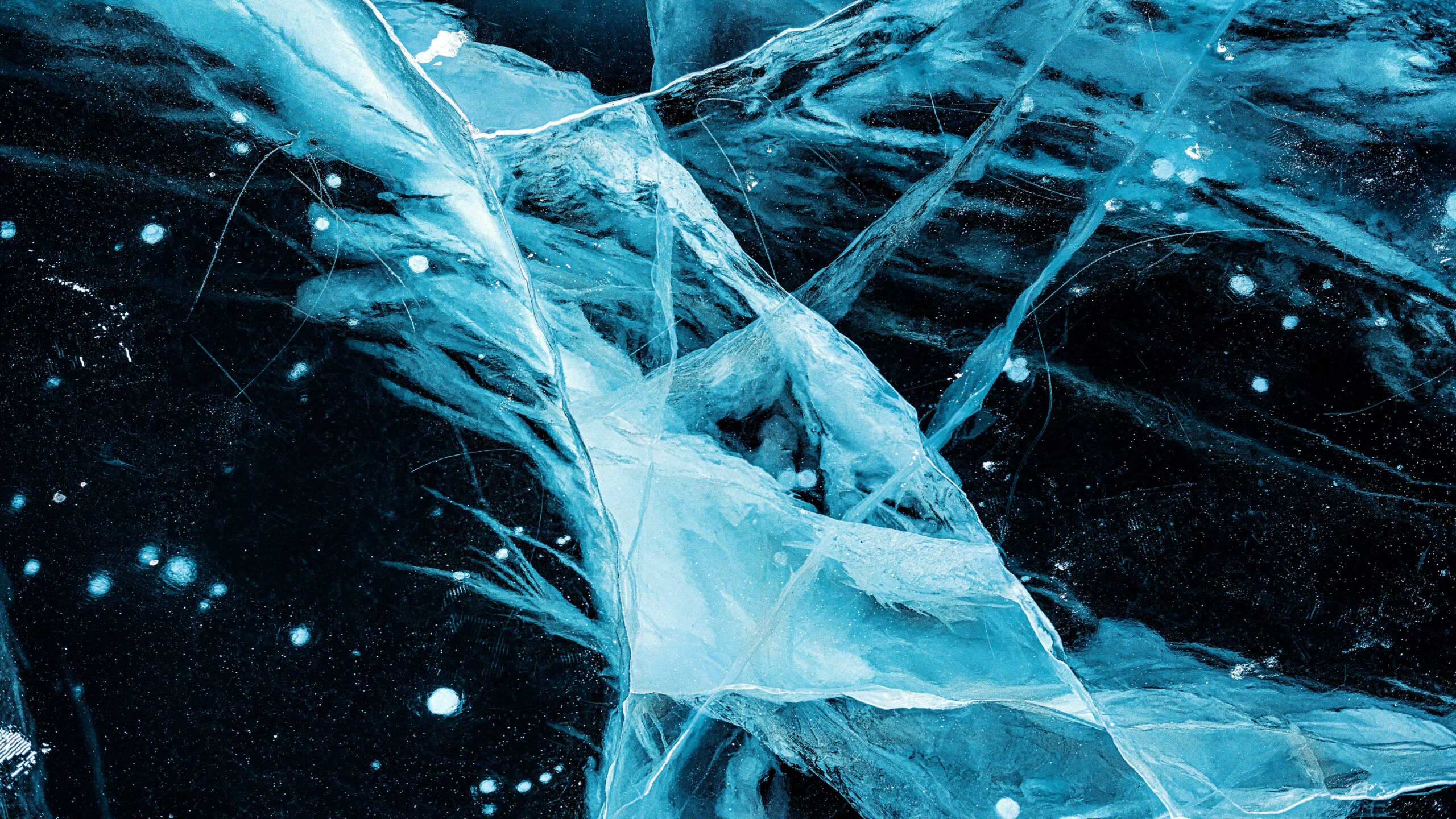
The common perception of ice, particularly in wintry landscapes, is one of pervasive danger. The very word “slippery” conjures images of uncontrolled falls, fractured bones, and costly accidents. This ingrained belief, while often rooted in valid experiences, has fostered a significant misconception: that all ice is inherently and equally dangerous. The reality is far more nuanced, with varying textures, temperatures, and formations of ice exhibiting remarkably different levels of risk. Understanding these distinctions is not merely an academic exercise; it can lead to safer navigation of winter environments, fostering a more informed approach to personal safety and even appreciating the subtle beauty of frozen surfaces.
The visual language of ice often presents a singular image: a smooth, glassy surface. This uniformity, however, is an illusion created by the most dramatic and therefore most memorable instances of frozen water. In reality, ice is a spectrum of physical states, each with its own characteristic friction and potential for slippage. This diversity is influenced by a multitude of factors, from the purity of the water to the speed of its freezing, the presence of impurities, and the ambient temperature. To treat all ice as a singular, treacherous entity is to ignore this inherent variability and, in doing so, potentially misjudge the actual risks involved.
Variations in Ice Texture
The texture of ice is arguably the most significant factor in determining its slipperiness. A perfectly smooth, clear sheet of ice, often found on calm bodies of water after a prolonged cold snap, presents the least friction. Its surface offers minimal grip for footwear. However, this is not the only form ice takes.
Freshly Formed Ice: A Delicate Balance
Immediately after a light freeze, ice can form a delicate, often opaque layer. This ice may not be as completely smooth as a well-established sheet. Tiny irregularities, often microscopic, can exist on its surface, providing a slightly increased level of friction. While still slippery, it might offer a marginally better purchase than its perfectly polished counterpart.
Snow-Covered Ice: The Deceptive Blanket
Perhaps the most common and often underestimated form of “slippery ice” is ice covered by a thin layer of snow. This snow acts as an insulator and can create a seemingly less treacherous surface. However, the snow itself can be compacted and frozen, creating a gritty yet still slippery layer. Furthermore, the underlying ice might be uneven or have hidden fissures, which the snow conceals, leading to unexpected and dangerous falls.
Meltwater Ice: The Ominous Sheen
When temperatures rise slightly, or when ice is exposed to sunlight, a thin layer of meltwater can form on its surface. This is the classic “black ice” scenario, where a seemingly dry surface is, in fact, coated in a dangerously slick liquid film. This type of ice is notoriously difficult to detect and presents a significant risk due to the complete lack of friction it offers.
Granular Ice: A More Forgiving Surface
In some conditions, particularly when ice has undergone cycles of thawing and refreezing, it can develop a granular texture. This resembles coarse salt or sugar. While still requiring caution, this granular ice offers significantly more friction than a smooth sheet. The tiny crystals provide points of engagement for the soles of shoes, reducing the likelihood of a complete loss of traction.
In exploring the misconceptions surrounding slippery ice, it’s interesting to consider how our understanding of various physical phenomena can evolve over time. A related article that delves into the science behind ice and its properties can be found at Freaky Science. This article provides insights into the factors that contribute to ice’s slipperiness and challenges common beliefs, making it a valuable resource for anyone looking to deepen their knowledge on the subject.
The Role of Temperature: Beyond the Freezing Point
While it’s intuitive that ice exists below 0° Celsius (32° Fahrenheit), the precise temperature plays a crucial role in its physical properties and, consequently, its slipperiness. The common assumption is that the colder it gets, the slipperier the ice becomes, but this is not entirely accurate.
The “Stickier” Ice Phenomenon
Surprisingly, ice can be less slippery at extremely low temperatures compared to temperatures closer to its melting point. This phenomenon is often referred to as “sticky ice.”
At Extremely Low Temperatures: Reduced Molecular Motion
At very low temperatures, the molecules within the ice lattice vibrate much less vigorously. This reduced molecular motion can, in some theories, lead to a slightly stronger interaction between the ice surface and the footwear. While still requiring caution, this can translate to a marginally increased coefficient of friction compared to ice at, say, -1° Celsius.
Near the Melting Point: The Lubricating Film
Conversely, as ice approaches its melting point, even if it remains frozen, a thin layer of liquid water can form on its surface. This is due to pressure-induced melting and other thermodynamic effects. This liquid film acts as a lubricant, drastically reducing friction and making the ice exceptionally slippery. This is why ice can feel particularly treacherous on a mild winter day, even if it appears solid.
The Impact of Freezing Cycles
The history of an ice formation, including its exposure to freeze-thaw cycles, significantly impacts its texture and slipperiness.
Repeated Freezing and Thawing: Creating Imperfections
Each cycle of freezing and thawing can introduce new imperfections to the ice surface. These can include cracks, fissures, and changes in crystal structure. While some of these might create more significant hazards, others can contribute to a rougher, more granular texture that, as mentioned before, offers better grip.
The Impact on Water Purity
The freezing process itself can influence the purity of the ice. As water freezes, impurities tend to be excluded from the ice crystals, concentrating in the remaining unfrozen water. This can lead to variations in the ice’s structure and potentially its frictional properties. While the impact of purity on slipperiness is less direct than texture or temperature, it contributes to the overall complexity of ice formations.
Beyond the Surface: Hidden Dangers and Deceptive Appearances
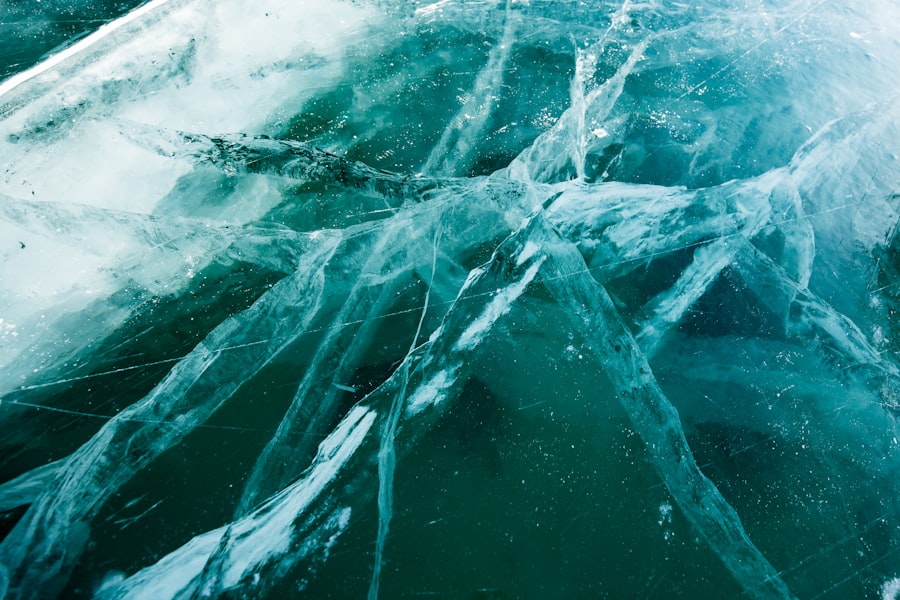
The most dangerous ice is often not the most obvious. The illusion of safety can be created by seemingly innocuous conditions, leading individuals to underestimate the risks.
The Illusion of Depth and Solidity
A thick, seemingly solid sheet of ice can lull observers into a false sense of security. However, the visual cues of ice thickness are often misleading.
Ice Thickness and Load-Bearing Capacity
Determining ice thickness accurately without specialized tools is incredibly difficult. Many factors contribute to its load-bearing capacity, including water depth, water flow, temperature fluctuations, and the presence of snow. What appears to be a substantial layer of ice might be dangerously thin in places, especially near inlets, outlets, or areas with currents.
Cracks and Fissures: Weak Points in the Ice
The presence of cracks, even small ones, can be a significant indicator of weakness in ice. These cracks can propagate rapidly under pressure, leading to sudden and catastrophic failure. While some cracks are a natural part of the ice formation process, others can be indicators of instability and potential collapse.
The Deceptive Nature of “Black Ice”
The term “black ice” is synonymous with danger, and for good reason. Its appearance belies its true nature.
What Constitutes “Black Ice”?
Black ice is essentially a thin, transparent layer of ice that forms on a dark surface, such as asphalt or even dark soil. The dark underlying surface makes the ice almost invisible, especially in low light conditions or when it’s mixed with patches of dry ground or water.
The Frictionless Abyss
The extreme slipperiness of black ice stems from the lack of friction. The transparent nature means there are no visible irregularities to provide grip. The underlying dark surface offers no texture, and the ice itself is often smooth and polished. This combination creates a surface where even the slightest misstep can result in a complete loss of control.
Appreciating the Nuances: A Safer Approach to Winter
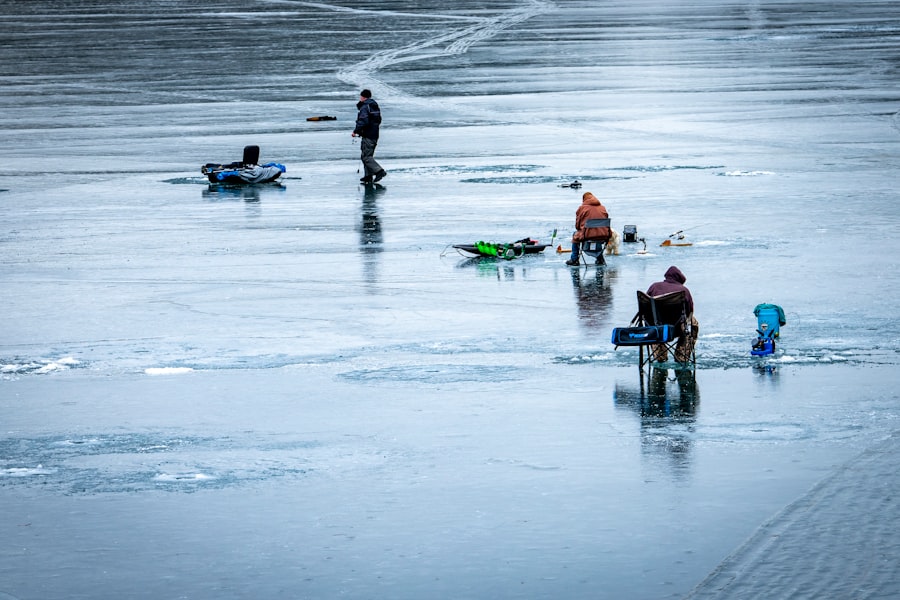
Recognizing that not all ice is equally dangerous does not negate the need for caution. Instead, it fosters a more informed and proactive approach to winter safety. Understanding the factors that influence ice slipperiness allows individuals to make better judgments about their environment.
Developing a Critical Eye
The ability to observe and interpret the nuances of ice formations is a learned skill. It requires paying attention to details that are often overlooked.
Assessing the Environment
Before venturing onto any icy surface, it is crucial to assess the surrounding environment. Is there evidence of recent thawing? Are there visible cracks or fissures? Is the ice covered in snow or a thin layer of water? These observations can provide valuable clues about the potential risks.
The Role of Footwear and Equipment
Appropriate footwear with good traction is paramount when navigating icy conditions. Boots with deep treads and materials designed for grip can significantly reduce the risk of falls. In certain situations, specialized equipment like ice cleats or crampons can provide an essential layer of security.
The Value of Experience and Local Knowledge
Experienced individuals, particularly those who live in regions with harsh winters, often possess an intuitive understanding of ice conditions.
Learning from Past Encounters
Reflecting on past experiences with slippery ice, both positive and negative, can build a valuable internal database of knowledge. Remembering what worked and what didn’t in specific situations can inform future decisions.
Seeking Guidance from Locals
When traveling to unfamiliar areas in winter, seeking advice from locals is highly recommended. They can offer insights into prevailing ice conditions, particularly regarding lakes, rivers, or pathways that are known to be more or less treacherous.
In exploring the fascinating dynamics of slippery ice, it’s intriguing to consider how our understanding of this phenomenon has evolved over time. A related article discusses the surprising science behind ice’s slipperiness and the factors that contribute to it, shedding light on why we were wrong about slippery ice. For more insights, you can read the article here. This deeper understanding not only challenges our preconceived notions but also highlights the complexities of physical interactions in nature.
Beyond Fear: The Unexpected Beauty of Frozen Landscapes
| Date | Location | Initial Assessment | Actual Conditions |
|---|---|---|---|
| January 5, 2022 | Main Street | No ice reported | Slippery ice present |
| February 12, 2022 | Parking Lot A | No ice expected | Severe icy conditions |
While the focus on safety is paramount, it’s also worth acknowledging that a nuanced understanding of ice can lead to a deeper appreciation of the winter landscape. The seemingly uniform danger of ice dissolves into a world of subtle textures, intricate formations, and breathtaking patterns.
The Artistry of Ice Formations
From delicate frost flowers to the intricate patterns of snowflakes, ice can exhibit remarkable beauty. Understanding its formation processes allows for a greater appreciation of this artistry.
Frost and Hoar Frost: Microscopic Wonders
The delicate crystals of frost and hoar frost, while contributing to slipperiness, are also miniature marvels of nature. The sheer variety of crystalline structures is astonishing.
Ice Formations on Natural Objects
The way ice encases branches, creates icicles, or forms delicate sculptures on rocks and other surfaces showcases the dynamic and artistic capabilities of freezing water.
A More Respectful Engagement with Winter
By moving beyond a generalized fear of “slippery ice,” individuals can engage with the winter environment with greater confidence and respect. This informed approach allows for safer navigation while also opening the door to experiencing the unique beauty and tranquility of frozen landscapes. The misconception that all ice is equally dangerous, when understood and dismantled, reveals a more complex, and ultimately more manageable, winter world.

Why Ice Is Slippery Is Stranger Than You Think
FAQs
What is the article “We Were Wrong About Slippery Ice” about?
The article “We Were Wrong About Slippery Ice” discusses the common misconception that ice is slippery due to its melting point. It explains the actual reason behind the slipperiness of ice and how it relates to its molecular structure.
What was the traditional explanation for the slipperiness of ice?
The traditional explanation for the slipperiness of ice was that the pressure from an object’s weight caused the ice to melt slightly, creating a thin layer of water that made it slippery.
What is the actual reason behind the slipperiness of ice?
The actual reason behind the slipperiness of ice is that its molecular structure allows for a thin layer of liquid water to form on its surface, even at temperatures below freezing. This thin layer of water reduces friction and makes ice slippery.
How does the understanding of ice’s slipperiness impact everyday life?
Understanding the true reason behind ice’s slipperiness can lead to improved safety measures and better traction devices for walking on icy surfaces. It also provides valuable insights for industries that rely on ice, such as ice skating and ice sports.
What are some practical implications of the new understanding of ice’s slipperiness?
The new understanding of ice’s slipperiness can lead to the development of more effective de-icing methods, improved winter footwear, and enhanced safety protocols for navigating icy conditions. It also opens up opportunities for further research and innovation in materials science.