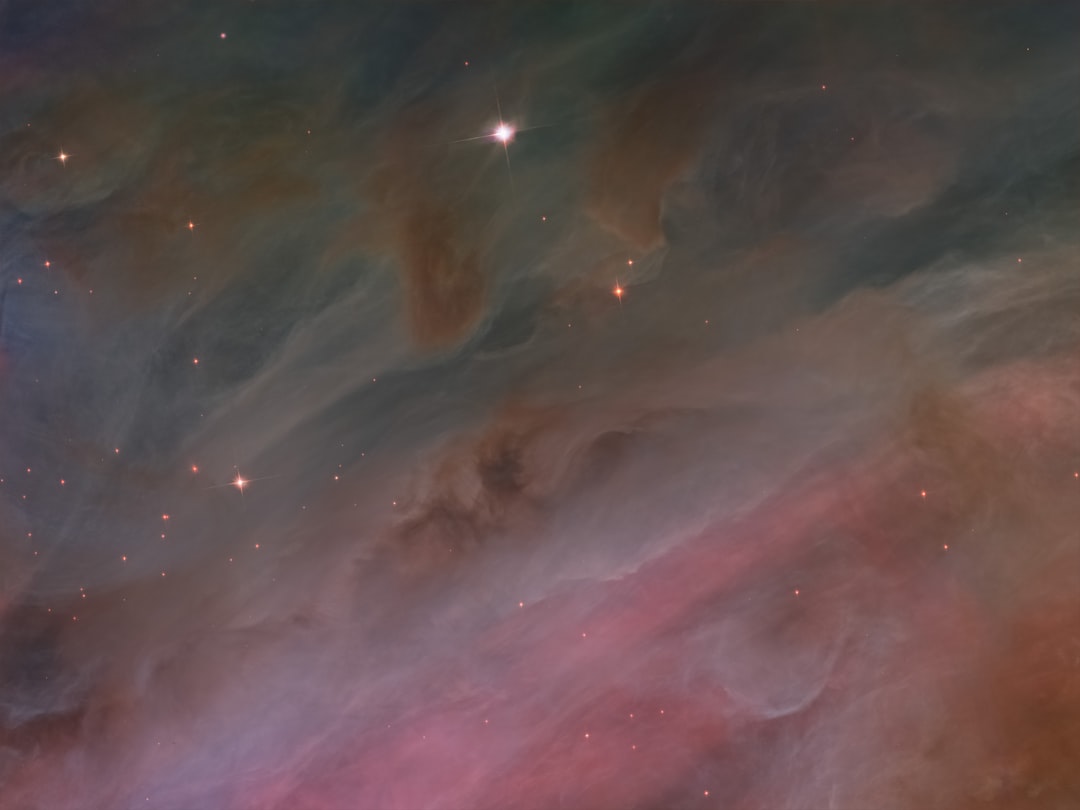
The crimson glow of a distant nebula painted the viewport of the Orion, a stark contrast to the polished steel of the command module. Commander Eva Rostova, her brow furrowed in concentration, ran a final diagnostic on the atmospheric entry simulation. For months, the crew had been perfecting a maneuver deemed audacious, almost reckless, by some: atmospheric skipping. It was a technique born not of necessity, but of ambition – a desire to push the boundaries of spacecraft maneuverability and unlock new possibilities for interstellar exploration.
The concept of atmospheric skipping wasn’t entirely new; early Earth-based aircraft had experimented with similar principles. However, applying it to a spacecraft designed for the vacuum of space, and then to the exotic atmospheres of alien worlds, presented a monumental challenge. It required a delicate dance between orbital mechanics, aerodynamic principles, and the sheer tensile strength of the Orion‘s advanced hull.
The mission objective was twofold: to test the feasibility of atmospheric skipping as a rapid deceleration and directional control mechanism, and to gather invaluable data on the atmospheric composition and density of a newly discovered gas giant, designated Kepler-186f III. This celestial body, with its swirling, vibrant atmosphere, offered a perfect, albeit perilous, testing ground. The crew understood the risks, the whispers of catastrophic failure that echoed in the simulation rooms. Yet, the potential rewards – the ability to brake with unprecedented speed, to navigate complex atmospheric currents, and to potentially slingshot around planets without expending precious fuel – were too significant to ignore.
The Genesis of a Bold Maneuver
The idea for atmospheric skipping within the context of deep space exploration had its roots in the theoretical physics division of the Interstellar Exploration Agency (IEA). For decades, scientists had debated the theoretical limits of spacecraft maneuverability beyond traditional thruster-based propulsion. While powerful engines could propel a vessel at incredible speeds, the deceleration process, especially in the absence of significant gravitational wells, was often a protracted and fuel-intensive affair.
The Orion spacecraft’s unique ability to skip through the atmosphere is a fascinating aspect of its design, allowing it to safely re-enter Earth’s atmosphere while minimizing heat and stress on the vehicle. This technique is akin to a stone skipping across water, where the spacecraft can bounce off the atmosphere before making a controlled landing. For a deeper understanding of the science behind this atmospheric maneuvering and its implications for future space missions, you can read more in this related article at Freaky Science.
Early Theoretical Frameworks
The initial concepts were built upon established principles of astrodynamics. When a spacecraft enters a planetary atmosphere, the drag generated can be a powerful braking force. However, uncontrolled atmospheric entry is a recipe for disaster, leading to incineration or catastrophic structural failure. The key, researchers realized, was to leverage this drag in a controlled manner.
The Role of Aerodynamic Lift
Early theoretical models focused on the concept of aerodynamic lift. While a spacecraft’s primary design was for vacuum, its hull, with precise angling and shape, could generate a degree of lift when moving at high speeds through a sufficiently dense atmosphere. This lift, if managed correctly, could prevent the spacecraft from plummeting uncontrollably.
Ballistic Trajectories and Controlled Rebounds
The core of the skipping maneuver involved a series of controlled ascents and descents. The Orion would enter the atmosphere at a steep angle, generating significant drag to bleed off velocity. However, instead of continuing its descent, it would then pitch upwards, using the generated lift to ‘skip’ out of the densest layers of the atmosphere, only to re-enter at a shallower angle further along its trajectory. This process could be repeated, allowing for a controlled and rapid deceleration.
The Engineering Challenges of Atmospheric Skipping
Translating these theoretical concepts into a viable engineering solution was an arduous journey. The Orion, a marvel of advanced engineering, was designed for the harsh realities of space, not the abrasive embrace of an alien atmosphere.
Hull Integrity and Thermal Management
The most immediate concern was the integrity of the Orion‘s hull. Atmospheric friction, even at controlled angles, generates immense heat. Traditional heat shields, designed for single-use atmospheric entries, were not suitable for the repeated stresses of skipping.
Ablative Coatings and Advanced Alloys
Engineers developed a revolutionary multi-layered hull. The outer layer consisted of a self-healing ablative material, capable of shedding sacrificial layers of material to dissipate heat. Beneath this lay a complex lattice of advanced metallic alloys, engineered to withstand extreme temperatures and pressures without deforming or fracturing. These alloys were designed to absorb and redistribute thermal energy, preventing localized hotspots from compromising the structural integrity of the spacecraft.
Active Cooling Systems
Complementing the passive thermal management systems were advanced active cooling systems. These systems utilized a supercritical fluid that circulated through intricate channels embedded within the hull. This fluid absorbed excess heat and then radiated it into the upper, less dense layers of the atmosphere during the ascent phases of the skip, effectively acting as a dynamic heat sink.
Aerodynamic Control Surfaces and Vectoring Thrusters
Achieving the precise angles of attack and pitch required for a successful skip demanded highly responsive control systems. The Orion was equipped with a sophisticated array of maneuvering thrusters, capable of precise vectoring. These thrusters were not just for station-keeping; they were integral to controlling the spacecraft’s attitude and trajectory during atmospheric interactions.
Advanced Gyroscopic Stabilization
The onboard gyroscopic stabilization systems were pushed to their limits. They had to compensate for the unpredictable buffeting and turbulence inherent in atmospheric flight, especially in the dense and chaotic atmosphere of Kepler-186f III. The system’s algorithms were refined through countless simulations, learning to predict and counteract atmospheric forces with remarkable accuracy.
Variable Geometry Wings and Control Fins
Furthermore, the Orion featured retractable, variable-geometry wings and control fins. These surfaces, deployable during atmospheric phases, provided additional aerodynamic control. Their shape and angle could be adjusted in real-time, allowing the crew to fine-tune lift and drag, thereby controlling the duration and trajectory of each skip.
The Atmospheric Environment of Kepler-186f III
Kepler-186f III presented an environment unlike any previously encountered by human spacecraft. Its atmosphere was a swirling, incandescent tempest, a maelstrom of exotic gases and violent convection currents. The planet was a vibrant spectacle, a tapestry of emerald clouds and sapphire storms, but also a formidable adversary.
Composition and Density Variations
The atmospheric composition was a complex mixture of hydrogen, helium, and heavier noble gases, with trace amounts of unknown compounds that glowed with an eerie luminescence. Crucially, the density of the atmosphere varied dramatically, not just with altitude, but also in unpredictable pockets and currents. This meant that the drag experienced by the Orion could change in an instant, demanding constant vigilance and rapid adjustments from the crew and the ship’s automated systems.
Stratospheric Eddies and Mesospheric Jets
Detailed atmospheric scans had revealed the presence of powerful stratospheric eddies and mesospheric jet streams. These massive atmospheric phenomena, comparable in scale to hurricanes on Earth but with far greater energy, posed a significant threat. A miscalculation in trajectory could see the Orion caught in one of these colossal vortices, with potentially disastrous consequences.
The Spectacle and the Danger
The visual spectacle of Kepler-186f III’s atmosphere was breathtaking. Lightning storms, far larger and more intense than anything seen on Earth, ripped across the sky, illuminating the turbulent cloudscapes. Auroras, caused by the planet’s powerful magnetic field interacting with solar winds, painted the upper atmosphere in shifting hues of violet and gold. Yet, beneath this beauty lay an inherent danger. The sheer energy contained within these atmospheric phenomena was immense, capable of tearing apart less resilient vessels.
The Orion spacecraft’s unique ability to skip through the atmosphere is a fascinating aspect of its design, allowing it to manage re-entry more effectively. This technique not only reduces the heat and stress on the vehicle but also enables it to achieve a controlled landing. For a deeper understanding of the science behind this innovative approach, you can explore a related article that discusses various atmospheric entry methods and their implications for future space missions. Check it out here for more insights.
Executing the Atmospheric Skip: A Ballet of Precision
The moment of truth arrived. The Orion, having completed its orbital insertion, began its descent. The engines, usually a source of comfort and power, were now instruments of controlled surrender.
The Initial Entry and Deceleration Phase
As the Orion pierced the upper atmosphere, the hull began to glow faintly. The sophisticated sensors immediately registered the increasing atmospheric pressure and temperature. Commander Rostova’s hands moved with practiced efficiency across the controls, guiding the spacecraft into its initial entry angle. The primary engines throttled down, allowing the atmosphere to do its work. The sheer force of the drag was palpable, a constant pressure pushing against the spacecraft.
Monitoring Atmospheric Density in Real-Time
The ship’s automated systems were working overtime, constantly analyzing atmospheric density data streamed from external probes. This information was crucial for predicting the precise moment to initiate the ‘skip’ phase. Any significant deviation in density could require a swift adjustment to the ship’s attitude.
The Hum of the Hull
A low, resonant hum emanated from the Orion‘s hull, a testament to the forces it was withstanding. The advanced alloys vibrated, absorbing and dissipating the immense thermal energy generated by the friction. The self-healing ablative coating was already beginning its subtle, invisible work, shedding minuscule particles to maintain the hull’s integrity.
The Ascent and Re-Entry Cycle
At a predetermined altitude and velocity, the Orion began its ascent. The variable geometry wings deployed, catching the thin upper atmosphere like sails. The vectoring thrusters fired in precise bursts, pushing the nose of the spacecraft upwards. It was a controlled defiance of gravity and atmospheric pressure. The ship arced upwards, a streak of controlled defiance against the planet’s powerful gravitational pull. Then, with another series of precise adjustments, it began its next descent, a shallower angle this time, ready to repeat the cycle.
The Power of Aerodynamic Forces
The crew watched on their displays as the telemetry confirmed the success of each skip. The velocity decreased with each cycle, the ship shedding momentum with an efficiency that traditional thruster braking could only dream of. The power of aerodynamic forces, harnessed with such precision, was proving to be a game-changer.
Navigating Atmospheric Currents
The challenge, however, was not just in deceleration. The Orion also had to navigate the treacherous currents of Kepler-186f III’s atmosphere. Commander Rostova and her co-pilot, Jian Li, worked in tandem, making micro-adjustments to the wing angles and thruster vectors to steer the spacecraft around the most violent atmospheric disturbances. It was a delicate ballet, a constant dance with the forces of nature.
Data Acquisition and Scientific Discoveries
Beyond the sheer feat of maneuverability, the atmospheric skipping maneuver provided an unprecedented opportunity for scientific data acquisition. By deliberately interacting with the atmosphere in such a controlled manner, the Orion was able to gather information that would have been impossible through passive observation.
Spectrographic Analysis of Atmospheric Layers
As the Orion dipped and skipped through various atmospheric layers, its advanced spectrographic instruments were able to perform detailed analyses of the gaseous composition. This allowed scientists to identify previously unknown elements and compounds, providing crucial insights into the planet’s formation and potential for supporting life.
Unraveling Exotic Gas Interactions
The intense heat and pressure experienced during the skips caused unique chemical reactions within the atmosphere. The Orion‘s sensors were able to capture data on these exotic gas interactions, offering clues about atmospheric chemistry under extreme conditions. This data was invaluable for understanding the potential atmospheric conditions on exoplanets across the galaxy.
Mapping Atmospheric Dynamics and Turbulence
The precise tracking of the Orion‘s trajectory, combined with real-time sensor readings of atmospheric pressure and wind speeds, allowed for the creation of highly detailed maps of Kepler-186f III’s atmospheric dynamics. This revealed the intricate patterns of its jet streams, the behavior of its massive storm systems, and the location of previously undetected atmospheric phenomena.
Identifying Potential for Atmospheric Mining
The identification of pockets of particularly dense or valuable atmospheric gases also opened up new possibilities for future resource extraction. The ability to navigate and control movement within such an atmosphere could pave the way for atmospheric mining operations, a concept previously confined to theoretical speculation.
The Future of Spacecraft Maneuverability
The success of the Orion‘s atmospheric skipping maneuver marked a pivotal moment in the history of space exploration. It demonstrated that the vacuum of space was not the only arena for advanced spacecraft maneuverability. The ability to safely and effectively interact with planetary atmospheres opened up a universe of new possibilities.
Reduced Fuel Consumption and Extended Mission Durations
The most immediate benefit was the potential for significantly reduced fuel consumption. The ability to use atmospheric drag for braking and directional control meant that spacecraft could achieve faster deceleration and more complex orbital adjustments without expending precious propellant. This, in turn, would allow for longer mission durations and the exploration of more distant star systems.
New Avenues for Planetary Exploration and Colonization
Atmospheric skipping also revolutionized the approach to planetary exploration. Instead of relying solely on orbital insertion and descent vehicles, future missions could utilize skipping maneuvers to rapidly descend to and ascend from planetary surfaces, even on worlds with challenging atmospheric conditions. This could also be a critical factor in future colonization efforts, allowing for more efficient transport of resources and personnel.
The Dawn of ‘Atmospheric Sailing’
The concept of ‘atmospheric sailing’ – using atmospheric currents and drag for propulsion and navigation – was no longer science fiction. With advanced designs and intelligent control systems, future spacecraft might be able to ‘sail’ through the atmospheres of gas giants or even, with further refinement, navigate the thin atmospheres of rocky exoplanets. The Orion‘s pioneering efforts had laid the groundwork for a new era of interstellar travel, an era where the sky was not a barrier, but a highway. The crimson nebula continued to blaze, a silent witness to the bold leap forward made by the Orion and its intrepid crew.

There’s Only One Safe Way Back to Earth From the Moon
FAQs
What is Orion?
Orion is a spacecraft designed by NASA for deep space exploration missions, including crewed missions to Mars.
Why does Orion skip through the atmosphere?
Orion skips through the atmosphere during re-entry to reduce the heat generated by friction with the air and to slow down the spacecraft before landing.
How does skipping through the atmosphere help Orion during re-entry?
Skipping through the atmosphere allows Orion to dissipate heat more effectively, reducing the risk of damage to the spacecraft and its occupants.
What are the benefits of skipping through the atmosphere for Orion?
Skipping through the atmosphere helps Orion achieve a controlled and safe re-entry, enabling it to return to Earth intact and ensuring the safety of the crew on board.
Are there any risks associated with Orion skipping through the atmosphere?
While skipping through the atmosphere is a common re-entry technique for spacecraft like Orion, there are risks involved, such as potential loss of control or structural damage if not executed properly. NASA conducts extensive testing and simulations to mitigate these risks.